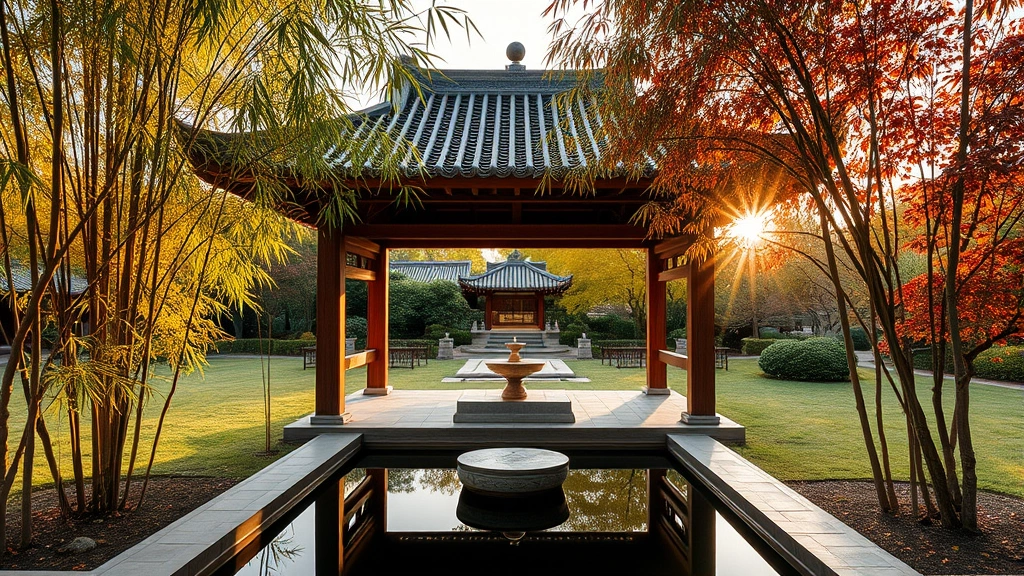
Chinese Garden Design: Experienced Landscaper Tips for Creating Authentic Spaces
Chinese garden design represents one of the world’s most sophisticated and philosophically rich landscaping traditions, blending aesthetics, spirituality, and practical horticulture into harmonious outdoor spaces. Whether you’re inspired by visiting a Chinese garden restaurant with its serene landscape backdrop or simply captivated by the elegance of traditional design, creating an authentic Chinese garden requires understanding centuries of design principles. This guide draws from experienced landscapers’ insights to help you transform your outdoor space into a peaceful sanctuary that captures the essence of classical Chinese garden philosophy.
The beauty of Chinese garden design lies in its balance of simplicity and complexity, where every element—from carefully selected plants to strategically placed water features—serves both aesthetic and symbolic purposes. Unlike Western gardens that often emphasize abundant plantings and vibrant colors, Chinese gardens celebrate restraint, asymmetry, and the interplay between open and enclosed spaces. By incorporating traditional principles with modern landscaping techniques, you can create a garden that feels both timeless and perfectly suited to your property.
Core Philosophy and Design Principles
Understanding the philosophical foundation of Chinese garden design is essential before implementing any physical elements. Rooted in Taoism and Buddhist principles, Chinese gardens seek to recreate idealized natural landscapes in miniature form, creating spaces for contemplation and harmony with nature. The concept of yin and yang governs every decision—balancing empty space with planted areas, water with stone, and open views with intimate alcoves.
Experienced landscapers emphasize that authenticity comes from grasping the principle of borrowed scenery (jie jing), where external views beyond your garden boundary are framed and incorporated into the overall composition. This might mean positioning a viewing pavilion to frame distant mountains, trees, or architectural features. The garden should also embody the concept of framing and revealing, where paths guide visitors through carefully composed vistas that unfold gradually rather than displaying everything at once.
The Five Elements—wood, fire, earth, metal, and water—should be represented throughout your design. Water represents wisdom and flow, stone embodies stability and age, plants symbolize growth and vitality, and architectural structures represent human harmony with nature. By thoughtfully incorporating these elements, your garden becomes a balanced microcosm of the natural world.
Essential Elements of Authentic Chinese Gardens
Several fundamental components distinguish Chinese gardens from other design styles. The most critical elements include water features, carefully selected stones, strategically placed plantings, and architectural structures. Each element must work in concert with others to create the desired effect.
Water features serve as the lifeblood of traditional Chinese gardens. Rather than formal fountains or straight channels, authentic designs feature irregular ponds, meandering streams, and bridges that encourage visitors to view the garden from multiple perspectives. The water should appear natural, with curved edges and varied depths that suggest spontaneity rather than human intervention.
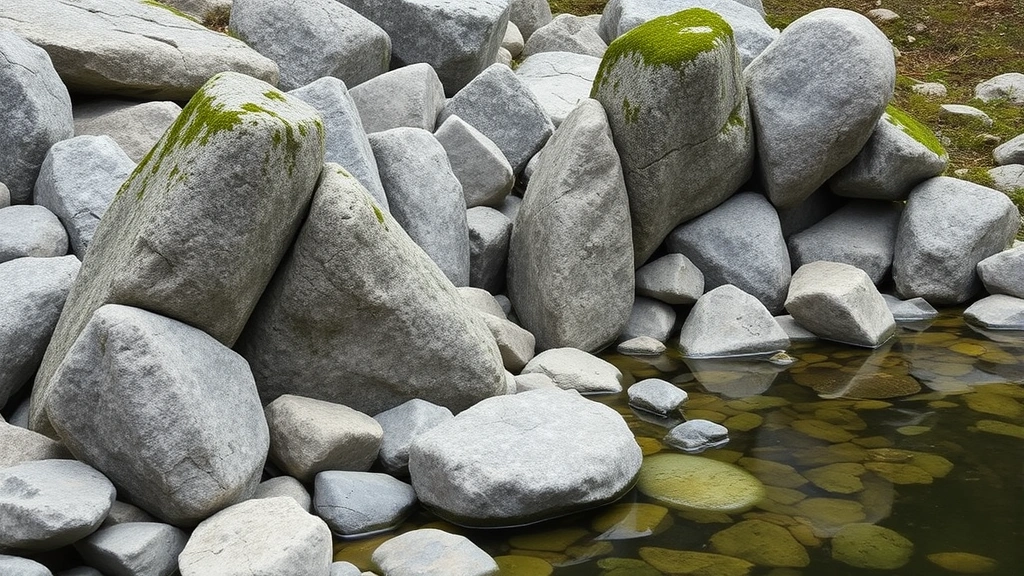
Stone and rock formations carry profound symbolic meaning. Tall, dramatic rocks suggest mountains and permanence, while smaller stones represent the earth and stability. Experienced landscapers select stones with interesting textures, colors, and weathering patterns—aged stones are particularly valued. Rocks should be positioned to create visual interest and guide the eye through the composition.
Plantings emphasize quality over quantity. Rather than dense flower beds, Chinese gardens feature carefully chosen specimens that display interesting bark, form, or seasonal characteristics. Plants are often positioned to frame views or create natural boundaries between garden rooms.
Architectural elements including pavilions, bridges, and gates provide shelter and structure. These buildings are designed to blend seamlessly with nature while offering viewing platforms and rest areas.
When planning your layout, consider how you might incorporate garden decor elements that enhance rather than overshadow the natural composition. Unlike busy Western garden decorations, Chinese garden ornaments should be subtle and purposeful.
Water Features and Stone Selection
Water is the most dynamic element in Chinese garden design, and its treatment differs significantly from Western approaches. Rather than creating geometric water features, aim for organic shapes that suggest natural waterways. The edges of ponds should feature irregular curves with varying depths, creating areas where water plants can thrive and wildlife can access the water naturally.
When designing water features, consider the following principles:
- Asymmetrical placement—position the water off-center, allowing unequal proportions that feel more natural than perfectly centered features
- Multiple viewing angles—design the water body so visitors can observe it from various vantage points, each offering a different perspective
- Shallow and deep zones—vary the depth to accommodate different plants and create visual interest through reflections and transparency variations
- Bridges and stepping stones—place these crossing elements to guide movement and create specific viewing opportunities rather than providing the shortest route
Stone selection requires careful consideration and patience. Experienced landscapers recommend visiting stone suppliers multiple times before making final selections, observing how different rocks appear under various lighting conditions and weather. Key characteristics to evaluate include:
- Texture and weathering—look for natural aging patterns and interesting surface variations
- Color variations—select stones in muted earth tones; dramatic colors are typically avoided in traditional designs
- Shape and form—choose rocks with interesting profiles that suggest natural geological formations
- Size variation—incorporate stones of different scales to create visual rhythm and depth
Positioning stones requires artistic judgment. Rather than burying rocks in soil, many traditional designs feature rocks placed to suggest natural outcroppings. Clusters of three stones—large, medium, and small—create pleasing compositions that echo natural mountain formations.
” alt=”Chinese garden stone arrangement with weathered rocks creating natural mountain-like formations beside a peaceful water feature”>
Plant Selection and Seasonal Considerations
Plant selection in Chinese gardens emphasizes year-round interest and symbolic significance. Rather than creating seasonal flower displays, the goal is to maintain visual appeal through varying foliage colors, interesting bark textures, and graceful forms that change subtly with the seasons.
Classic Chinese garden plants include:
- Bamboo—represents flexibility and strength; choose clumping varieties to prevent invasive spreading
- Flowering cherries and plums—celebrated for spring blossoms and graceful branching structure
- Maples—provide delicate foliage and stunning autumn color
- Pines and junipers—offer year-round structure and suggest age and permanence
- Lotus and water lilies—essential for water features; symbolize purity and enlightenment
- Peonies and chrysanthemums—traditional flowering plants with cultural significance
When selecting plants, consider your climate zone and choose species that will thrive in your specific conditions. Consulting native plant societies can help identify appropriate regional alternatives to traditional Chinese species. For instance, if authentic flowering cherries struggle in your climate, consider native dogwoods or crabapples that offer similar spring interest.
Seasonal planning should emphasize subtle transitions rather than dramatic changes. Spring might feature the delicate blossoms of flowering trees and emerging bamboo shoots. Summer showcases lush foliage and water garden plants in full growth. Autumn brings maple color changes and the appearance of seed pods, while winter reveals the elegant branching structure of deciduous plants and the steadfast presence of evergreens.
Proper garden bed preparation ensures plants establish strong root systems. Chinese gardens typically avoid raised beds in traditional designs, but understanding soil composition and drainage remains crucial. Most traditional plants prefer well-draining soil with moderate fertility—overly rich soil encourages excessive growth that appears unnatural.
Creating Pathways and Viewing Corridors
Pathways in Chinese gardens serve a dual purpose: they facilitate movement while creating opportunities for carefully framed views. Rather than direct routes, traditional designs feature winding paths that encourage exploration and discovery. Each turn should reveal a new vista or create a moment of surprise.
Pathway design principles include:
- Curved rather than straight—paths should meander naturally, following the contours of the landscape and avoiding direct sight lines
- Varied surfaces—combine stone paving, gravel, and stepping stones to create visual interest and encourage visitors to move slowly and deliberately
- Width variation—narrow passages create intimacy, while wider areas provide rest and gathering spaces
- Strategic placement—position paths to pass by water features, under specimen plants, and through architectural framing elements
Viewing corridors—intentionally designed sightlines—guide attention to important garden features. These might frame a distant mountain view, focus on a particularly beautiful rock formation, or highlight a flowering tree in season. Accomplish this through strategic plant placement, architectural elements, or subtle path routing that naturally directs the eye.
Experienced landscapers often use the concept of compression and expansion in pathway design. A narrow passage between tall plantings creates a sense of compression, making the subsequent opening into a larger viewing area feel spacious and expansive. This rhythmic alternation maintains visitor interest throughout the garden experience.
Structures and Architectural Features
Pavilions, tea houses, bridges, and gates provide essential shelter while serving as focal points and viewing platforms. These structures should appear to grow naturally from the landscape rather than dominate it. Traditional designs favor open-sided pavilions that frame views and provide shelter without creating solid barriers.
Key architectural elements include:
Pavilions and tea houses offer rest areas and viewing platforms. Position these structures to overlook important garden features—water elements, specimen plants, or borrowed scenery. Open-sided designs maintain visual connection with the surrounding garden while providing shelter from weather.
Bridges serve practical and aesthetic purposes. Rather than simply crossing water, bridges should be positioned to create specific viewing angles and encourage visitors to pause and observe the water feature from different perspectives. Traditional designs feature arched bridges or simple plank structures that blend with the natural landscape.
Gates and moon doors frame transitions between garden areas and create visual interest through their circular or decorative openings. These elements guide movement while maintaining the sense of discovery as visitors pass from one garden room to another.
Fences and screens define boundaries and create privacy while maintaining visual connection through their open lattice patterns. These structures typically feature geometric patterns that add visual interest without appearing heavy or imposing.
Materials should feel natural and weather appropriately. Wood develops a silvery patina over time, stone becomes more beautiful with age, and metal oxidizes to create interesting color variations. Avoid materials that require constant maintenance or resist natural aging processes.
Lighting and Seasonal Maintenance
Strategic lighting extends the garden’s beauty into evening hours while highlighting important features. Traditional designs emphasize subtle illumination that suggests moonlight rather than artificial brightness. Position lights to uplift trees, silhouette interesting branch structures, or reflect off water surfaces.
Maintenance in a Chinese garden differs from typical Western landscape care. Rather than seeking perfection, the goal is to allow natural processes to unfold while maintaining overall composition. Seasonal pruning should enhance the natural form of plants rather than creating artificial shapes. Fallen leaves and seed pods contribute to the garden’s aesthetic and ecological value.
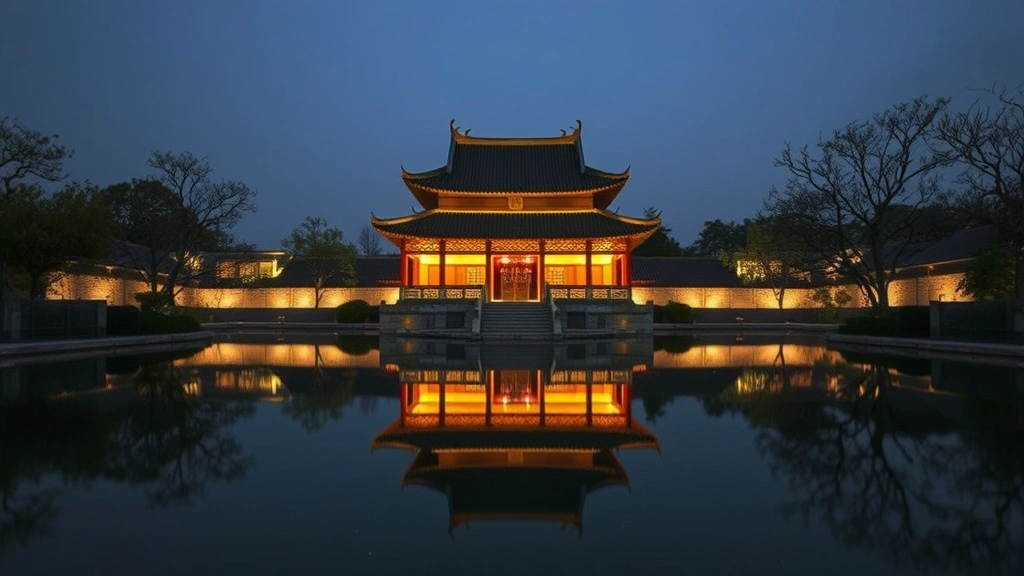
” alt=”Evening view of illuminated Chinese garden pavilion reflected in still water with specimen plants silhouetted against twilight sky”>
Regular maintenance tasks include:
- Water feature management—maintain proper water levels, manage aquatic plants, and ensure circulation systems function properly
- Stone and hardscape care—clean surfaces occasionally but allow weathering patterns to develop naturally
- Selective pruning—remove dead wood and thin dense growth to maintain visual clarity and light penetration
- Pathway maintenance—repair worn surfaces and refresh gravel to maintain clear routes without appearing over-manicured
- Seasonal planting adjustments—add seasonal plantings sparingly and only when they enhance rather than overwhelm the composition
Understanding native plant gardening principles helps create sustainable landscapes that require less intensive maintenance. By selecting plants naturally adapted to your climate, you reduce the need for supplemental watering, fertilizing, and pest management.
Experienced landscapers emphasize that successful Chinese garden design is an evolving process. Rather than attempting to complete everything at once, allow your garden to develop gradually. This approach permits you to observe how plantings mature, how water features function through seasons, and how visitors naturally move through the space. Adjustments made over time, informed by actual use and observation, create more authentic and satisfying results than rigid adherence to initial plans.
The investment in creating an authentic Chinese garden pays dividends in the form of a peaceful retreat that encourages contemplation and connection with nature. Whether your space is large enough for elaborate water features and multiple pavilions or a small urban garden adapted to Chinese principles, the fundamental philosophy of balance, restraint, and harmony remains constant. By understanding these core concepts and implementing them thoughtfully, you create a garden that transcends mere decoration to become a genuine sanctuary.
FAQ
What is the most important element in Chinese garden design?
Water is typically considered the most essential element, as it represents wisdom, flow, and life force in traditional philosophy. However, the balance between all elements—water, stone, plants, and architecture—matters equally. A well-designed Chinese garden harmonizes these components rather than emphasizing one over others.
Can I create a Chinese garden in a small urban space?
Absolutely. Chinese garden principles scale beautifully to small spaces. Courtyard gardens, balconies, and even contained areas can embody authentic design through careful selection of key elements. A small water feature, a specimen plant, and thoughtful stone placement can create the essential character of a Chinese garden regardless of size.
What plants work best if I can’t grow traditional Chinese species?
Native plants that offer similar aesthetic qualities work well. For example, native dogwoods can replace flowering cherries, and local maple species can substitute for Japanese maples. Consult Master Gardener programs in your region for climate-appropriate alternatives that maintain the garden’s intended aesthetic.
How do I prevent my bamboo from taking over the garden?
Select clumping bamboo varieties rather than running types, which spread aggressively. Clumping bamboo naturally stays contained while still providing the graceful foliage that makes bamboo valuable in Chinese gardens. Install physical barriers if using running varieties, though most experienced designers prefer clumping species.
Is it necessary to hire a professional to create a Chinese garden?
While professional landscapers with experience in Chinese garden design can provide valuable guidance, many homeowners successfully create authentic spaces by thoroughly understanding design principles and working gradually. Starting with fundamental elements and allowing your vision to develop over time often produces more satisfying results than trying to implement an elaborate plan all at once.
How much does a Chinese garden cost to install?
Costs vary dramatically based on size, complexity, and material choices. A simple garden focusing on plantings and stone might cost less than traditional landscaping, while elaborate water features and architectural structures increase expenses significantly. Phasing the project over several years makes it more affordable and allows for thoughtful decision-making.


