Cane Garden Bay’s Best Plants: Local Insights for Tropical Paradise Gardening
Cane Garden Bay, nestled on the island of Tortola in the British Virgin Islands, offers a unique tropical climate that presents both opportunities and challenges for gardeners. This picturesque coastal location boasts warm temperatures year-round, salt-influenced breezes, and sandy soil conditions that require thoughtful plant selection. Whether you’re a permanent resident or seasonal visitor looking to cultivate a thriving garden in this Caribbean paradise, understanding which plants flourish in Cane Garden Bay’s specific microclimate is essential for success.
The bay’s horticultural character reflects its Caribbean location, where hurricane season, salt spray, and intense UV exposure shape plant survival and growth patterns. Local gardeners have developed time-tested knowledge about which species thrive in these conditions, creating lush landscapes that complement the area’s natural beauty. This guide draws from both traditional Caribbean gardening wisdom and modern horticultural practices to help you select, plant, and maintain the best specimens for your Cane Garden Bay garden.

Understanding Cane Garden Bay’s Climate
Cane Garden Bay experiences a tropical climate characterized by consistent warmth, moderate rainfall, and trade winds that can carry salt spray inland. Average temperatures hover between 75-85°F year-round, with minimal seasonal variation compared to temperate regions. This stability allows for year-round growing, but the trade-off comes in the form of environmental stressors that many traditional garden plants cannot tolerate.
The Atlantic hurricane season, running from June through November, presents the most significant challenge for gardeners in this region. Strong winds can damage delicate foliage, uproot shallow-rooted plants, and break branches laden with fruit or flowers. Selecting hurricane-resistant species with flexible stems and deep root systems becomes a priority for anyone serious about maintaining a permanent garden. The bay’s exposure to salt-laden winds is another critical factor—plants must either possess natural salt tolerance or be positioned where they receive protection from coastal breezes.
Rainfall in Cane Garden Bay averages 50-60 inches annually, with the wettest months occurring from September through November. However, distribution is uneven, and dry spells can occur during winter months. Understanding your specific microclimate within the bay is crucial; elevated areas may receive less rainfall and more wind exposure, while sheltered valleys retain moisture longer. This knowledge helps you select appropriate plants and determine irrigation needs for your particular location.

Salt-Tolerant Plants for Coastal Gardens
One of the most important considerations for Cane Garden Bay gardening is salt tolerance. Plants in this category have adapted mechanisms to handle sodium chloride in soil and air, making them ideal for beachfront and near-coastal properties. These species form the backbone of successful Caribbean gardens.
Coconut Palms are perhaps the most iconic plant in Cane Garden Bay, naturally thriving in sandy, salt-laden environments. These towering specimens provide shade, coconuts for culinary use, and architectural interest to any landscape. They require minimal maintenance once established and can withstand hurricane-force winds due to their flexible fronds and deep root systems. Young palms need regular watering until roots penetrate deeper soil layers, typically within 1-2 years.
Sea Grape (Coccoloba uvifera) is a native Caribbean plant with large, leathery leaves and grape-like fruit clusters. This shrub tolerates salt spray exceptionally well and can be trained as a specimen tree or left as a natural hedge. Its dense growth habit provides excellent wind and salt protection for plants positioned behind it, making it valuable for creating garden microclimates. The fruit attracts birds and can be used for jams and beverages.
Casuarina, commonly called Australian Pine, thrives in sandy, salt-affected soils and grows rapidly to create windbreaks and privacy screens. While not native to the Caribbean, it has naturalized throughout the region and provides exceptional hurricane resistance due to its feathery foliage that allows wind to pass through rather than creating resistance. Plant these trees on perimeter areas where they can shelter more delicate plants.
Oleander displays remarkable salt tolerance and produces vibrant flowers in pink, red, white, or yellow. This Mediterranean shrub adapts beautifully to tropical conditions and blooms prolifically with minimal care. Prune regularly to maintain shape and encourage flowering. All parts of oleander are toxic, so position it away from areas where children or pets might browse.
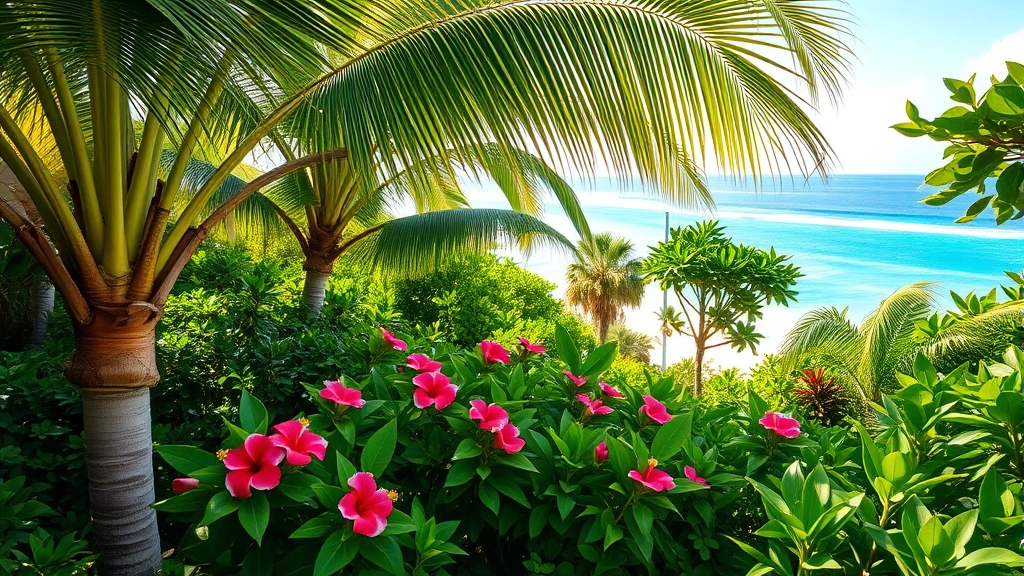
Hibiscus varieties, especially species hibiscus rather than fancy hybrids, demonstrate good salt tolerance and produce stunning flowers year-round in the tropics. These shrubs appreciate regular pruning to maintain bushy growth and maximize flowering. Different varieties offer flowers in red, pink, orange, yellow, and white, allowing you to create color combinations throughout your garden.
For raised garden beds positioned closer to the coast, consider adding salt-tolerant groundcovers like Portulaca and Ice Plant (Delosperma). These succulents tolerate extreme conditions and provide colorful foliage and flowers with virtually no maintenance beyond occasional watering during establishment.
Tropical Flowering Plants That Thrive Here
Beyond salt tolerance, Cane Garden Bay’s warm climate supports an impressive array of tropical flowering plants that create stunning visual displays throughout the year. These species add color, fragrance, and ecological value to your landscape.
Plumeria (Frangipani) produces intoxicatingly fragrant flowers in pink, white, yellow, or bicolor combinations. These deciduous shrubs lose their leaves during dry season, which is entirely normal and actually beneficial as it reduces water needs. Plant plumeria in well-draining soil and allow the soil to dry between waterings. The flowers appear on branch tips, so pruning encourages more flowering points.
Bougainvillea displays brilliant papery bracts in magenta, pink, orange, red, or white, often with contrasting green foliage. These vigorous vines or shrubs require full sun and well-draining soil to perform optimally. Reduce watering during dry season to encourage flowering. Bougainvillea’s thorny stems make it excellent for creating natural barriers or training as espaliers against walls.
Ixora produces dense clusters of small, colorful flowers that attract butterflies and hummingbirds. These compact shrubs work well in borders, containers, or hedges. Regular deadheading extends the flowering season, and occasional pruning maintains attractive shape. Ixora tolerates partial shade but flowers most prolifically in full sun.
Heliconia species create dramatic architectural interest with their distinctive red, orange, or pink inflorescences. These plants prefer partial shade and consistently moist soil. Their large leaves provide tropical texture, and the flowers last for weeks, making them valuable for both garden display and cut flower arrangements.
Anthurium varieties, including both foliage and flowering types, thrive in the dappled shade beneath larger trees. The waxy flowers in red, pink, or white persist for months, and foliage varieties like ‘Clarinervium’ offer striking leaf patterns. These epiphytic plants appreciate the air circulation and filtered light of understory positions.
Edible Plants and Fruit Trees
Cane Garden Bay’s climate supports an abundance of edible plants, from fruit trees to herbs, allowing residents to supplement their diet with homegrown produce. Incorporating edibles into your landscape creates functional beauty while reducing grocery expenses.
Mango trees flourish in Cane Garden Bay’s conditions, producing sweet fruit during summer months. These substantial trees require space, good drainage, and occasional pruning to maintain manageable size. A mature mango tree provides abundant shade and impressive fruit yields with minimal maintenance. Graft varieties are available if you prefer specific cultivars with superior flavor or smaller fruit size.
Avocado trees adapt well to the region’s climate, though they prefer slightly more consistent moisture than some tropical fruits. Plant two trees for reliable pollination and increased fruit set. Avocados thrive in elevated areas with good drainage and benefit from mulching to conserve soil moisture during dry periods.
Breadfruit trees produce large, starchy fruits that serve as staple carbohydrates in Caribbean cuisine. These vigorous trees tolerate poor soil and irregular rainfall, making them ideal for low-maintenance gardens. A single mature tree provides abundant fruit for a family, and excess production can be shared with neighbors or preserved through drying or freezing.
Papaya grows rapidly in Cane Garden Bay’s warmth, producing fruit within 6-12 months of planting. These short-lived trees (3-5 years) are best replaced periodically rather than rejuvenated. Plant papaya in well-draining soil, and thin seedlings to allow optimal growth. Both male and female flowers appear on most varieties, ensuring fruit production.
For container gardening approaches, consider herbs like basil, cilantro, and oregano, which thrive in pots and provide fresh seasoning for Caribbean cooking. Position containers in morning sun with afternoon shade to prevent leaf scorch during the hottest months.
Coconut trees provide both fresh water and meat, serving multiple culinary functions. Young coconuts offer refreshing water, while mature nuts provide meat for cooking and oil for various applications. These palms establish slowly but eventually become productive for decades.
Landscape Design Strategies
Creating a successful Cane Garden Bay landscape requires thoughtful design that accounts for prevailing wind patterns, salt spray exposure, and seasonal variation. Strategic plant placement maximizes beauty while minimizing maintenance and environmental stress.
Establish windbreaks using salt-tolerant trees like Casuarina or Sea Grape on the perimeter facing prevailing trade winds. These barriers protect more delicate plants positioned behind them, creating microclimates where you can grow a wider variety of species. Windbreaks also reduce salt spray penetration, allowing tender foliage to remain undamaged.
Create layers in your landscape by positioning canopy trees (coconut, mango, breadfruit), understory shrubs (hibiscus, ixora, oleander), and groundcovers (portulaca, ice plant) at different heights. This layered approach mimics natural forest structure, maximizes space efficiency, and creates visual depth. The upper canopy shades and protects lower layers from excessive wind and sun exposure.
Design with water in mind by grouping plants with similar irrigation needs together. Drought-tolerant species like oleander and portulaca can occupy drier, elevated areas, while moisture-loving plants like heliconia and anthurium congregate in lower areas that retain water longer. This hydrozoning approach reduces overall water consumption while keeping plants healthier.
Incorporate hardscape elements like garden benches and pathways to create functional spaces while breaking up planting areas. Permeable hardscape materials like gravel or mulch allow water infiltration while providing surface stability. Stone pathways and seating areas create gathering spaces that enhance garden usability.
Use color strategically to create focal points and guide movement through your garden. Plant vibrant bougainvillea or plumeria where they’ll be visible from main viewing areas, and use foliage plants with interesting leaf colors (like variegated hibiscus) to create contrast and depth.
Soil Preparation and Amendments
Cane Garden Bay’s sandy soils present challenges for plant establishment and long-term growth. Most native soils lack organic matter, drain too quickly, and may contain salt accumulation from coastal spray. Proper soil preparation dramatically improves plant performance and reduces ongoing maintenance.
Amend sandy soils by incorporating compost, aged manure, or coconut coir to increase organic matter and water-holding capacity. Work amendments into the top 12-18 inches of soil before planting. This improvement persists longer in tropical climates where organic matter decomposes faster than in temperate zones, requiring regular reapplication every 1-2 years.
For raised bed gardening, create a custom soil mixture combining equal parts sand, compost, and coconut coir. This blend provides excellent drainage (essential for tropical conditions) while retaining sufficient moisture and nutrients for healthy plant growth. Raised beds also allow you to escape problematic native soil conditions entirely.
Mulching is absolutely critical in Cane Garden Bay gardens. Apply 2-4 inches of organic mulch (wood chips, shredded bark, or coconut husk) around plants, leaving space around the stem to prevent rot. Mulch moderates soil temperature, suppresses weeds, and gradually breaks down to improve soil structure. Reapply mulch annually as it decomposes in the tropical heat.
Test soil salinity if plants show signs of salt damage (brown leaf edges, stunted growth, or yellowing between leaf veins). Excessive salt can be leached from soil by applying abundant water over several weeks, flushing salt deeper into the profile. For permanent solutions in high-salt areas, plant only salt-tolerant species or create raised beds with imported, salt-free soil.
Improve drainage in areas that retain standing water by creating gentle slopes directing water away from plantings. If poor drainage is widespread, consider creating raised beds or mounded planting areas that naturally shed excess water while still allowing root penetration to underlying soil.
Seasonal Care and Maintenance
Cane Garden Bay’s tropical climate requires year-round gardening attention, though maintenance intensity varies seasonally. Understanding seasonal patterns helps you time pruning, fertilizing, and pest management for maximum effectiveness.
Dry season (December-April) requires supplemental irrigation despite lower temperatures because rainfall decreases significantly. Water deeply but less frequently to encourage deep root penetration rather than shallow roots dependent on frequent watering. Monitor container plants closely, as they dry rapidly in trade winds. Reduce fertilizer application during this period, as plants grow more slowly with less water availability.
Rainy season (May-November) brings increased growth and flowering for most species. Reduce supplemental watering and monitor for waterlogging in poorly draining areas. This period is ideal for planting new specimens, as consistent moisture supports root establishment. Increase fertilizer applications during active growth, but reduce nitrogen to avoid promoting excessive vegetative growth susceptible to hurricane damage.
Hurricane season (June-November) requires specific preparation including securing weak plants, removing dead wood that could become projectiles, and thinning dense canopies to reduce wind resistance. After storms, prune broken branches promptly, but avoid removing too much foliage at once, which stresses the plant. The damage that appears immediately after a hurricane often looks worse than actual impact, so resist the urge to over-prune.
Pruning strategies vary by plant type but generally follow these principles: prune flowering shrubs after blooming to avoid removing next season’s flower buds, prune fruit trees during dormancy to shape and improve air circulation, and prune shade trees minimally, removing only dead or crossing branches. Regular light pruning produces better results than infrequent heavy pruning.
Pest and disease management in tropical climates benefits from monitoring and early intervention rather than preventive spraying. Common pests include spider mites, scale insects, and mealybugs. Inspect plants regularly, removing affected leaves or spraying with neem oil at first sign of infestation. Many tropical plants recover quickly from moderate pest damage, so resist over-treating minor problems.
Consider using growth tracking tools to monitor your garden’s development through seasons and years. Documenting what works in your specific Cane Garden Bay location builds valuable local knowledge for future plantings.
FAQ
What’s the best time to plant in Cane Garden Bay?
The rainy season (May-November) is ideal for planting, as consistent moisture supports root establishment. However, avoid planting immediately before hurricane season (June-November) when newly planted specimens are vulnerable to wind damage. Late April through May offers the best window—adequate moisture without hurricane risk.
Can I grow vegetables in Cane Garden Bay?
Yes, though the intense heat and humidity create challenges. Cool-season vegetables perform better during winter months (December-March). Focus on heat-tolerant varieties like okra, eggplant, hot peppers, and sweet potato. Provide afternoon shade and consistent moisture for best results. Container gardening allows better control of soil conditions.
How often should I water my garden?
During dry season, established plants need deep watering 1-2 times weekly depending on soil type and plant species. During rainy season, supplement only if rainfall is insufficient (less than 1 inch weekly). Container plants require more frequent watering, potentially daily during hot, windy periods. Always check soil moisture before watering; most tropical plants prefer drying slightly between waterings.
Which plants should I avoid in Cane Garden Bay?
Avoid temperate-climate plants like roses, peonies, and most conifers that struggle in constant heat and humidity. Salt-sensitive plants like boxwood and many ornamental grasses suffer damage from coastal spray. Plants requiring extended cold dormancy (many deciduous trees) don’t thrive here. Focus instead on tropical and subtropical species proven to flourish in Caribbean conditions.
How do I protect my garden during hurricane season?
Select hurricane-resistant species with flexible stems and deep roots. Remove dead wood that could become projectiles. Thin dense canopies to reduce wind resistance. Secure weak plants with guy-wires. After storms, prune broken branches promptly. Most established plants recover quickly from hurricane damage with proper aftercare.
What’s the best approach to improving poor sandy soil?
Incorporate 3-4 inches of compost or aged manure into the top 12-18 inches of soil before planting. Apply 2-4 inches of mulch around plants to conserve moisture and gradually improve soil as it decomposes. For severe conditions, consider raised beds with imported soil. Reapply amendments annually, as tropical decomposition rates are rapid.