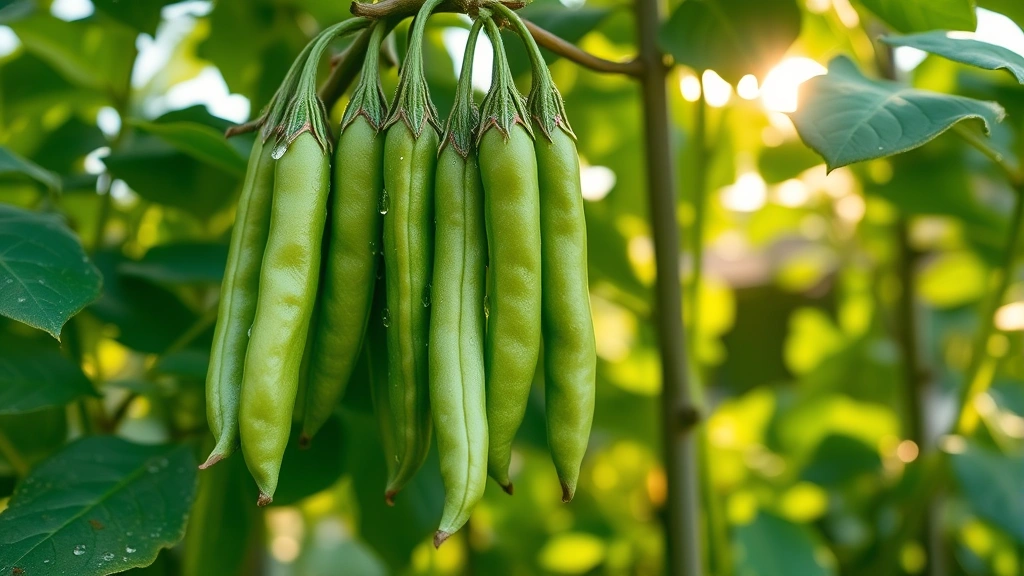
Can Beans Thrive in Gardens? Pro Tips Inside
Beans are among the most rewarding vegetables to grow in home gardens, offering reliable harvests, nutritional value, and relatively straightforward cultivation requirements. Whether you’re a seasoned gardener or just beginning your growing journey, beans present an excellent opportunity to experience success with minimal fuss. The answer to whether beans can thrive in gardens is a resounding yes—but like any crop, they require specific conditions and care strategies to reach their full potential.
The versatility of beans makes them particularly appealing to garden enthusiasts. From bush beans that produce prolifically in compact spaces to pole beans that climb vertical structures, there’s a bean variety suited to nearly every garden configuration. Understanding the fundamentals of bean cultivation transforms them from a simple crop into a cornerstone of a productive vegetable garden.
Bean Varieties for Home Gardens
Selecting the right bean variety is the foundation of a successful harvest. The two primary categories—bush beans and pole beans—each offer distinct advantages depending on your garden layout and preferences.
Bush beans are determinate plants that mature quickly, typically producing their entire crop within a concentrated period. These compact varieties rarely exceed two feet in height and require minimal structural support. Popular bush bean varieties include ‘Kentucky Wonder Bush’, ‘Provider’, and ‘Contender’. Bush beans excel in containers, raised beds, and small garden spaces, making them ideal for beginners or gardeners with limited room.
Pole beans are indeterminate climbers that produce continuously throughout the season, offering extended harvests from a smaller footprint. Varieties like ‘Scarlet Runner’, ‘Blue Lake’, and ‘Asparagus Bean’ require trellises, stakes, or other vertical supports but reward gardeners with abundant yields over many weeks. Pole beans also contribute nitrogen to soil through their root nodules, benefiting subsequent plantings.
Beyond growth habit, bean varieties differ in pod type and flavor profile. Snap beans (eaten pod and all) are crisp and tender. Shell beans like cannellini and kidney beans are harvested at maturity for dried storage. Dry beans are left on the plant until completely mature. Consider your culinary preferences and storage intentions when selecting varieties.
Soil Preparation and Requirements
Beans are relatively undemanding regarding soil fertility, but they do prefer well-draining conditions with adequate organic matter. The preparation phase determines whether your beans will merely survive or genuinely thrive in your garden.
Begin by assessing your soil type and amending it accordingly. Beans perform best in loamy soil with a pH between 6.0 and 7.0. If you’re working with heavy clay, incorporate compost or aged manure to improve drainage and prevent waterlogging, which beans despise. For sandy soils that drain too quickly, add organic matter to increase water retention and nutrient availability.
Creating the best soil for a garden bed involves mixing two to three inches of compost into the top six to eight inches of native soil. This enrichment provides slow-release nutrients while improving soil structure. Beans are nitrogen-fixers, meaning they partner with beneficial bacteria in their root nodules to convert atmospheric nitrogen into plant-available forms. This symbiotic relationship means you needn’t apply heavy nitrogen fertilization—doing so may actually reduce flowering and bean production.
A soil test conducted through your local university extension service provides precise nutrient recommendations. If phosphorus and potassium are deficient, incorporate bone meal and wood ash respectively before planting. Well-prepared soil is the investment that keeps giving throughout the growing season.
Planting Timeline and Spacing
Timing is critical for bean success. Beans are warm-season crops that despise cold soil and will rot if planted too early. Wait until soil temperatures reach at least 60°F, though 70°F is ideal for optimal germination and growth. In most regions, this means planting after the last spring frost date when nighttime temperatures consistently exceed 50°F.
For succession planting and extended harvests, sow new bean seeds every two to three weeks until eight weeks before your first expected fall frost. This staggered approach provides continuous bean availability throughout the season rather than a single overwhelming harvest.
Spacing requirements vary by variety. Bush beans typically need four to six inches between plants in rows spaced twelve inches apart. Pole beans require similar spacing but can be planted more densely along vertical structures. Direct seeding (planting seeds directly in the garden) is the preferred method, as beans develop delicate root systems that transplanting disturbs. Plant seeds one to one-and-a-half inches deep and keep soil consistently moist until germination occurs within seven to ten days.
If you’re gardening in raised garden beds, you have excellent control over soil quality and drainage. Beans thrive in raised bed environments where soil warms faster in spring and remains aerated throughout the season. A four-by-eight-foot raised bed easily accommodates thirty to forty bush bean plants or a row of pole beans along a trellis.
Watering and Moisture Management
Consistent moisture is essential for bean development, but overwatering invites fungal diseases and root rot. The goal is maintaining evenly moist soil—not soggy, not dry.
During the growing season, beans typically require one to one-and-a-half inches of water weekly, including rainfall. In hot, dry climates, this may necessitate supplemental irrigation two to three times per week. Water deeply at soil level early in the morning to minimize fungal disease pressure. Overhead watering that wets foliage creates conditions favorable for powdery mildew and bean rust.
Mulching around bean plants with two inches of organic material (straw, shredded leaves, or grass clippings) regulates soil moisture, moderates temperature fluctuations, and suppresses weeds. Maintain mulch a few inches away from plant stems to prevent rot and pest harborage. During flowering and pod development stages, consistent moisture becomes even more critical—water stress at these phases reduces yields significantly.
Monitor soil moisture by inserting your finger two inches into the soil. If it feels dry, water thoroughly. If it’s moist, wait another day or two before checking again. This tactile approach prevents both over- and under-watering.
Sunlight and Temperature Needs
Beans are sun-worshippers, requiring a minimum of six hours of direct sunlight daily, though eight to ten hours produces superior yields and flavor. Insufficient light results in leggy plants, reduced flowering, and diminished bean production.
Temperature preferences are equally important. Beans germinate best between 70°F and 80°F and grow optimally when daytime temperatures range from 75°F to 85°F. Night temperatures below 60°F stress plants and reduce pod set. Conversely, temperatures exceeding 90°F may cause flower abortion and reduce bean quality. In hot climates, providing afternoon shade during peak summer heat can prevent these temperature-related issues while maintaining growth.
Cold snaps are particularly damaging to young bean plants. Even a single frost can kill seedlings or severely damage established plants. Delay planting until all frost danger has passed and soil has warmed adequately. If an unexpected frost threatens, cover plants with row covers or blankets overnight to protect them from freezing temperatures.
Pest and Disease Management
While beans are relatively pest-resistant compared to many vegetables, several common issues can compromise yields. Early identification and intervention prevent minor problems from becoming major disasters.
Common pests include:
- Mexican bean beetles – Yellow beetles with black spots that defoliate plants. Hand-pick beetles and crush egg clusters on leaf undersides, or apply spinosad for severe infestations.
- Spider mites – Tiny arachnids that cause stippled, yellowing leaves. Increase humidity and spray with insecticidal soap if populations explode.
- Aphids – Soft-bodied insects that cluster on new growth. Spray with water or insecticidal soap to dislodge them.
Common diseases include:
- Powdery mildew – White coating on leaves. Improve air circulation, avoid overhead watering, and apply sulfur if necessary.
- Bean rust – Brown pustules on leaf undersides. Remove infected leaves and improve air circulation around plants.
- Bacterial blight – Water-soaked spots that spread to pods. No cure exists; remove infected plants and avoid overhead watering.
Prevention is infinitely superior to treatment. Rotate bean plantings to different garden locations yearly, remove plant debris promptly, and avoid working in the garden when plants are wet. Selecting disease-resistant varieties marked with designations like ‘PM’ (powdery mildew resistant) provides built-in protection.
Harvesting and Storage
Harvest timing dramatically affects bean quality and plant productivity. Snap beans should be picked when pods are full but still tender, typically six to eight days after flowering. Mature pods become tough and fibrous. Regular harvesting encourages continuous flowering and production—beans left on plants signal the plant to cease flowering and focus energy on seed maturation.
Pick beans in the early morning when pods are crisp and full of moisture. Gently hold the plant stem while harvesting to avoid breaking branches. Fresh snap beans store in the refrigerator for up to one week in perforated plastic bags.
For shell beans and dry beans, leave pods on the plant until they’re papery and dry. The seeds inside will rattle when shaken. Shell beans can be frozen raw or cooked for up to six months. Dry beans should be completely mature and hard before harvesting. Store dried beans in airtight containers in cool, dark conditions for up to one year.
Beyond fresh consumption, beans preserve beautifully through freezing, canning, and drying. Blanch snap beans in boiling water for three minutes, cool in ice water, dry thoroughly, and freeze in freezer bags for up to eight months. This preservation extends your bean harvest enjoyment far beyond the growing season.
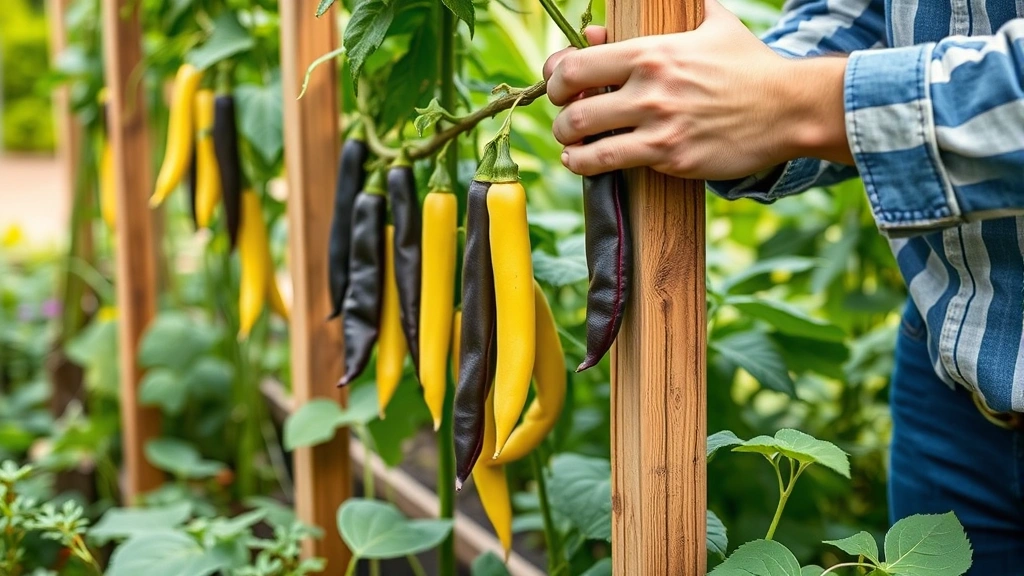
Growing beans alongside companion crops like cucumbers creates a diverse, productive garden ecosystem. The three sisters planting method—combining beans with corn and squash—represents centuries of proven companion planting wisdom. Beans fix nitrogen that feeds the corn, corn provides structure for pole beans to climb, and squash shades soil to retain moisture.
Container gardening offers another avenue for bean cultivation. Bush beans thrive in pots with at least five gallons of soil capacity. Use quality potting mix, ensure drainage holes exist, and water consistently as containers dry faster than in-ground beds. Container beans work beautifully for apartment dwellers or those seeking to expand growing space.
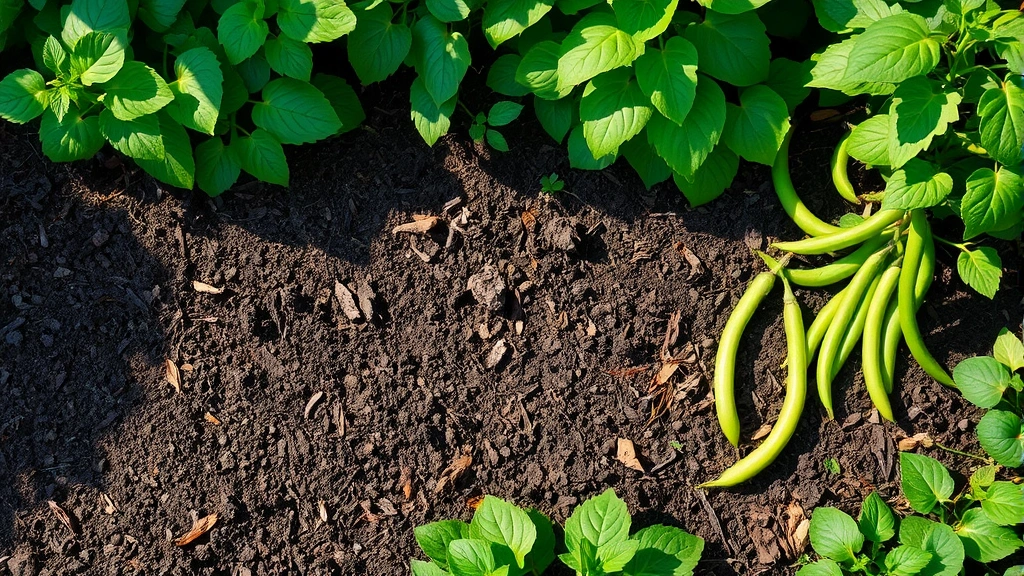
Seasonal considerations influence bean success throughout the year. Spring planting provides the primary harvest, but in many regions, a summer planting for fall harvest proves equally productive. This second crop often experiences fewer pest pressures and produces higher quality beans due to cooler temperatures. Plan your bean gardening around your local climate, using USDA plant hardiness information to guide timing decisions.
Integrating beans into your overall garden plan, whether alongside herb gardens or complemented by thoughtful garden decor, creates a cohesive growing space. Beans contribute nitrogen to soil, enhancing fertility for subsequent plantings. Many gardeners incorporate coffee grounds in gardens to provide additional minerals, though beans require minimal supplemental feeding when soil is properly prepared.
Success with beans comes from understanding their fundamental needs: warm soil, consistent moisture, abundant sunlight, and well-draining soil enriched with organic matter. These undemanding vegetables reward attentive gardeners with abundant harvests, nutritional food, and the satisfaction of growing your own sustenance.
FAQ
Can beans grow in partial shade?
While beans tolerate partial shade, they produce significantly better yields with six to eight hours of direct sunlight daily. Partial shade (four to six hours) results in slower growth and reduced pod production. If shade is unavoidable, choose bush varieties rather than pole beans, as they’re slightly more shade-tolerant.
How long does it take beans to produce?
Bush beans typically produce harvestable pods within fifty to sixty days of planting. Pole beans take slightly longer, sixty to seventy days, but continue producing for eight to twelve weeks. The exact timeline depends on variety, temperature, and growing conditions.
Can I save seeds from my bean plants?
Yes, beans are excellent candidates for seed saving. Allow pods to mature completely on the plant until they’re completely dry and papery. Shell the pods, dry seeds further indoors for one to two weeks, and store in cool, dry conditions. Avoid saving seeds from hybrid varieties, as they won’t produce identical plants.
What’s the difference between snap beans and shell beans?
Snap beans (like green beans) are harvested when young and tender, eaten pod and all. Shell beans are left to mature longer, then shelled to extract the beans inside for cooking fresh or drying. Different varieties are bred for each purpose, though some varieties work for both uses.
Do beans need fertilizer?
Beans require minimal fertilizer due to their nitrogen-fixing abilities. Well-prepared soil with compost provides sufficient nutrients. If soil is very poor, apply balanced fertilizer (5-10-10) at planting time. Avoid excess nitrogen, which promotes leafy growth at the expense of bean production.
Why are my beans flowering but not producing pods?
Non-productive flowering typically results from inconsistent watering, excessive nitrogen, or temperature stress. Ensure consistent soil moisture, avoid over-fertilizing, and provide afternoon shade if temperatures exceed 90°F regularly. Extreme heat causes flower abortion before pod formation.


