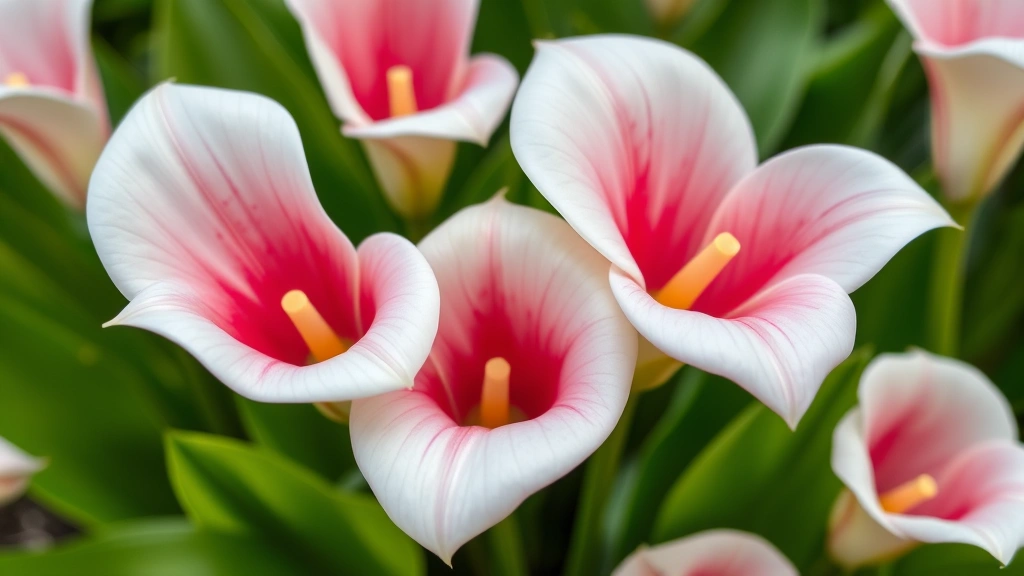
Calla lilies are among the most elegant and sophisticated flowers you can grow in your garden. With their distinctive trumpet-shaped blooms and striking foliage, these South African natives bring a touch of refined beauty to any landscape or indoor space. Whether you’re a seasoned gardener or just beginning your growing journey, understanding the specific needs of calla lilies will help you cultivate these stunning plants successfully.
Growing calla lilies requires attention to detail, but the rewards are absolutely worth the effort. These plants thrive in specific conditions, and when you provide them with proper care, they’ll reward you with weeks of breathtaking blooms in colors ranging from pure white to deep burgundy, soft pink, and vibrant yellow. This comprehensive guide will walk you through everything you need to know about cultivating healthy, flowering calla lilies in your garden.
Understanding Calla Lily Basics
Calla lilies (Zantedeschia) are rhizomatous perennials that produce stunning flowers beloved by florists and home gardeners alike. Unlike true lilies, calla lilies feature a unique spathe—a modified leaf that surrounds the actual flower spike called a spadix. This distinctive structure is what gives calla lilies their iconic appearance and makes them instantly recognizable.
There are several varieties of calla lilies to choose from, each with unique characteristics. The white calla lily is the most traditional and formal-looking variety, perfect for flower arranging and creating elegant bouquets. Colored varieties like ‘Black Magic,’ ‘Flame,’ ‘Picasso,’ and ‘Treasure’ offer dramatic hues and patterns that can transform your garden design. Dwarf varieties such as ‘Mango’ and ‘Pink Gem’ are ideal for container growing and smaller spaces.
Understanding your chosen variety’s specific needs is crucial. Some calla lilies are more cold-hardy than others, and certain cultivars prefer different moisture levels. Doing your research before purchasing rhizomes ensures you select varieties suited to your climate and growing conditions.
Soil Preparation and Requirements
Successful calla lily cultivation begins with proper soil preparation. These plants are somewhat particular about their growing medium, preferring rich, well-draining soil with plenty of organic matter. Before planting, take time to prepare your garden soil for a thriving garden by incorporating compost, aged manure, or peat moss.
Calla lilies prefer a slightly acidic to neutral pH, ideally between 6.0 and 6.8. Test your soil before planting and amend accordingly with sulfur to lower pH or lime to raise it. The soil should be loose and friable, allowing rhizomes to penetrate easily while maintaining good drainage to prevent root rot—a common problem with these plants.
If you’re growing calla lilies in containers, use a high-quality potting mix combined with perlite or coarse sand to ensure excellent drainage. A ratio of three parts potting soil to one part perlite works well. This prevents the waterlogging that can quickly kill calla lily rhizomes.
Amending your beds with aged manure or compost several weeks before planting allows these materials to integrate fully with your native soil. This creates an ideal environment where beneficial microorganisms thrive and nutrients become available to your plants gradually throughout the growing season.
Planting Your Calla Lily Rhizomes
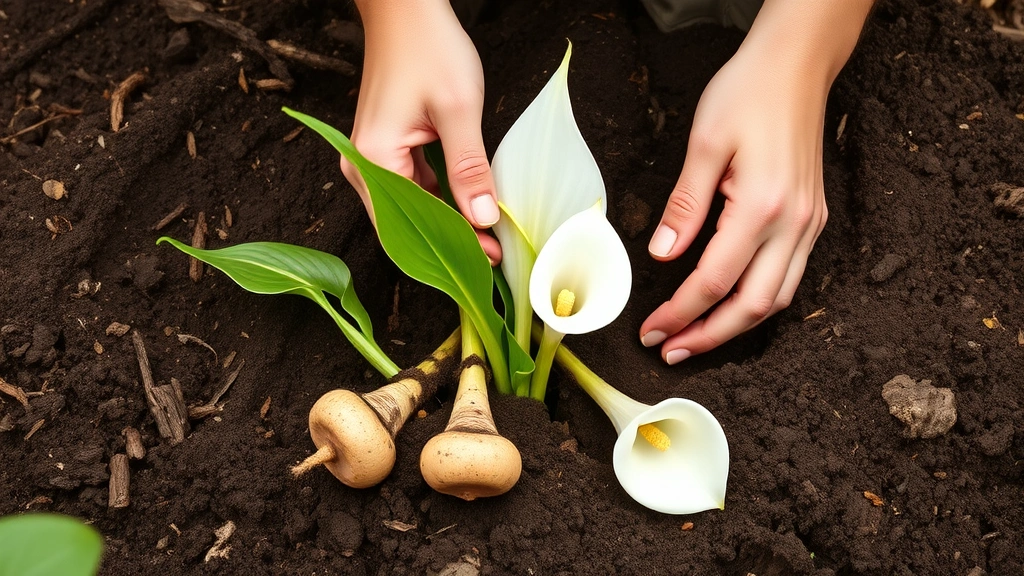
Timing is everything when planting calla lily rhizomes. In most regions, you’ll want to plant after the last frost date when soil temperatures reach at least 60°F. In warmer climates, you can plant earlier, even in late winter. The rhizomes should feel firm to the touch and show no signs of soft spots or mold.
When planting, position the rhizome with the pointed end facing upward, burying it about 2 inches deep in prepared soil. Space rhizomes 8 to 12 inches apart to allow room for mature growth. Water thoroughly after planting to settle the soil and initiate growth.
Container planting follows similar principles. Use a pot with drainage holes at least 8 inches deep for standard varieties, or 6 inches for dwarf types. Plant one rhizome per 8-inch pot, maintaining the same depth and spacing guidelines. Container-grown calla lilies offer flexibility—you can move them to optimize light conditions or protect them from extreme weather.
If you’re starting calla lilies indoors before the last frost, plant rhizomes in containers 4 to 6 weeks before your target outdoor planting date. This gives them a head start and ensures they’re vigorous transplants when moved to the garden.
Watering and Moisture Management
Proper watering is critical for calla lily success. These plants love moisture but despise standing water. The key is maintaining consistently moist—but not waterlogged—soil. During the growing season, water regularly, providing about 1 inch per week through rainfall or irrigation.
Check soil moisture by inserting your finger 2 inches into the earth. If it feels dry at this depth, it’s time to water. If it’s still moist, wait another day or two. This approach prevents both underwatering and the overwatering that leads to root rot and fungal diseases.
Calla lilies grown in containers require more frequent watering than in-ground plants. Check container soil daily, especially during hot weather, as pots dry out quickly. Water until it drains from the bottom, ensuring the entire root ball is moistened.
During dormancy periods (typically fall and winter for many varieties), reduce watering significantly. The soil should be barely moist, not wet. This dormant period is essential for rhizome maturation and next season’s flowering.
If you have heavy clay soil that doesn’t drain well, consider building raised beds or mounding soil to improve drainage. Alternatively, growing calla lilies in containers gives you complete control over moisture levels and prevents the drainage problems common in poorly draining garden soil.
Sunlight and Temperature Needs
Calla lilies perform best with 6 to 8 hours of direct sunlight daily. However, in very hot climates (zones 9 and warmer), afternoon shade prevents stress and extends bloom time. The plants can tolerate partial shade but may produce fewer flowers in heavily shaded locations.
Temperature significantly impacts calla lily growth. These tropical plants thrive in temperatures between 70°F and 85°F during the day and 60°F to 70°F at night. They tolerate temperatures as low as 50°F but stop growing below this threshold. Frost kills foliage and can damage rhizomes, so in cold climates, lift rhizomes in fall and store them indoors over winter.
If you live in a region with freezing winters but want to grow calla lilies outdoors, choose hardy varieties like white calla lilies, which tolerate colder conditions better than colored varieties. Alternatively, grow them as annuals, replanting fresh rhizomes each spring.
For year-round flowering in cold climates, consider indoor cultivation. A sunny windowsill or grow light setup allows you to maintain optimal temperatures and provide consistent light, resulting in continuous blooms.
Fertilizing for Optimal Growth
Calla lilies are moderate feeders that benefit from regular fertilization during the growing season. Begin fertilizing about 4 weeks after planting, once shoots emerge. Use a balanced, water-soluble fertilizer (such as 10-10-10 or 5-10-10) every two to three weeks throughout the growing and flowering season.
A higher phosphorus formula (the middle number) encourages blooming, so switching to a 5-10-10 or 10-20-10 fertilizer once flowering begins can increase flower production. Always follow package directions and avoid over-fertilizing, which promotes lush foliage at the expense of flowers.
Organic gardeners can use fish emulsion, seaweed extract, or diluted compost tea every three weeks. These gentle fertilizers provide nutrients while improving soil biology and structure over time.
As dormancy approaches in fall, cease fertilizing to allow the plant to transition naturally. Resume feeding when new growth appears in spring. This seasonal rhythm aligns with the plant’s natural life cycle and promotes healthy flowering cycles.
Pest and Disease Management
While calla lilies are relatively pest-resistant, several issues can affect them. Spider mites, aphids, and scale insects occasionally infest plants, particularly those grown indoors. Inspect leaves regularly, checking both upper and lower surfaces for tiny insects or webbing.
For pest control, spray affected plants with insecticidal soap or neem oil every 7 to 10 days until pests are gone. Isolate infested plants to prevent spreading to nearby specimens. Strong water sprays can dislodge spider mites and aphids without chemicals.
Fungal and bacterial diseases pose greater threats, usually resulting from overwatering or poor drainage. Root rot, the most serious problem, causes rhizomes to become soft and mushy. Prevention is far easier than treatment—maintain proper drainage, avoid overhead watering, and allow soil to dry slightly between waterings.
Leaf spot diseases appear as brown or yellow patches on foliage. Remove affected leaves and improve air circulation by spacing plants adequately and pruning lower foliage. In severe cases, apply fungicide according to label directions.
Bacterial soft rot causes rapid plant collapse and has no cure. If you suspect this disease, remove and destroy the affected plant immediately to prevent spread to healthy specimens.

Seasonal Care and Dormancy
Calla lilies follow distinct seasonal patterns that differ between white varieties and colored types. White calla lilies prefer cooler temperatures and typically go dormant in summer, flowering in spring and fall. Colored varieties flower in summer and prefer warmer conditions.
In spring, as temperatures warm and daylight increases, calla lilies emerge from dormancy. Increase watering and begin fertilizing to support vigorous growth. This is when you’ll see rapid foliage expansion and flower bud formation.
Summer brings peak flowering for colored varieties. Maintain consistent moisture and provide afternoon shade in very hot climates. Deadhead spent flowers to encourage continued blooming—remove the entire flower stalk at the base once the bloom fades.
As fall approaches and temperatures cool, flowering gradually decreases. Reduce watering and fertilizing as the plant naturally enters dormancy. In cold climates, this is the time to dig up rhizomes before frost, clean them gently, and store them in a cool, dry location (50°F to 60°F) until spring replanting.
In warm climates where calla lilies don’t experience hard freezes, you can leave rhizomes in the ground year-round. However, many gardeners prefer to lift them annually, allowing them to dry out and rest before replanting, which ensures vigorous growth and abundant flowering the next season.
Harvesting and Arranging Calla Lilies
One of the greatest joys of growing calla lilies is harvesting their stunning flowers for arrangements and bouquets. Flower arranging tips can help you create beautiful bouquets that showcase these elegant blooms perfectly.
Harvest calla lily flowers when the spathe is fully unfurled but still firm. Cut the flower stem at the base using a sharp knife or pruners, bringing in as much stem as possible. Early morning harvesting yields the longest vase life, as flowers are fully hydrated.
Place cut stems immediately in room-temperature water with floral preservative. Calla lilies last 7 to 10 days in a vase when properly cared for. Change the water every two days and re-cut stems at a 45-degree angle to maximize water uptake.
For floral arrangements, calla lilies pair beautifully with complementary flowers and foliage. Their architectural form makes them statement flowers that work well as focal points in mixed bouquets. Use them in garden decor arrangements to bring elegance indoors.
Many gardeners enjoy using calla lilies in wedding arrangements and special event designs. Their formal appearance and sophisticated colors make them perfect for such occasions. Growing your own supply ensures you have fresh flowers whenever you need them.
FAQ
Can I grow calla lilies indoors year-round?
Yes, calla lilies can thrive indoors with proper conditions. Provide bright, indirect light or supplemental grow lights for 12 to 14 hours daily. Maintain temperatures between 65°F and 75°F, and ensure excellent drainage to prevent root rot. Indoor humidity should be moderate; use a pebble tray with water beneath pots to increase humidity without waterlogging roots.
How long do calla lilies bloom?
Calla lilies typically flower for 6 to 8 weeks during their peak season. With proper care and deadheading, you can extend flowering throughout the season. Colored varieties flower in summer, while white varieties often bloom in spring and fall, providing extended color depending on your variety selection.
What’s the difference between white and colored calla lilies?
White calla lilies (Zantedeschia aethiopica) are more cold-hardy and prefer cooler temperatures, often going dormant in summer. Colored varieties (Zantedeschia hybrids) prefer warmer conditions and flower in summer. White varieties are also more water-tolerant and can even grow in boggy conditions. Colored types require better drainage and warmer temperatures to thrive.
Do I need to divide calla lily rhizomes?
Yes, dividing rhizomes every 3 to 4 years rejuvenates plants and increases your stock. Dig up clumps in late summer or fall, gently separate rhizomes, and replant them in prepared soil. Each rhizome should have at least one growth bud (the pointed tip) to produce a new plant. Division prevents overcrowding and maintains vigor.
Why aren’t my calla lilies flowering?
Several factors can prevent flowering: insufficient light (provide at least 6 hours daily), inadequate fertilizer (especially phosphorus), overwatering causing root rot, temperatures too cold, or overcrowded rhizomes. Check each factor systematically. Most commonly, poor drainage or insufficient light are the culprits. Ensure soil drains well, provide bright conditions, and fertilize regularly with a bloom-boosting formula.
Can calla lilies tolerate cold winters?
White calla lilies tolerate cold better than colored varieties, surviving in zones 8 and warmer with mulch protection. Colored varieties are generally hardy only in zones 9 and warmer. In colder regions, grow calla lilies as annuals or dig up rhizomes in fall for winter storage indoors, then replant in spring.
How do I store calla lily rhizomes over winter?
After digging up rhizomes in fall, allow them to dry in a cool location for several days. Clean away excess soil gently, then store in a cool, dry place (50°F to 60°F) such as a basement, garage, or root cellar. Place them in peat moss, sand, or newspaper to prevent them from touching each other. Check periodically and discard any showing signs of rot or mold. Replant in spring after frost danger passes.


