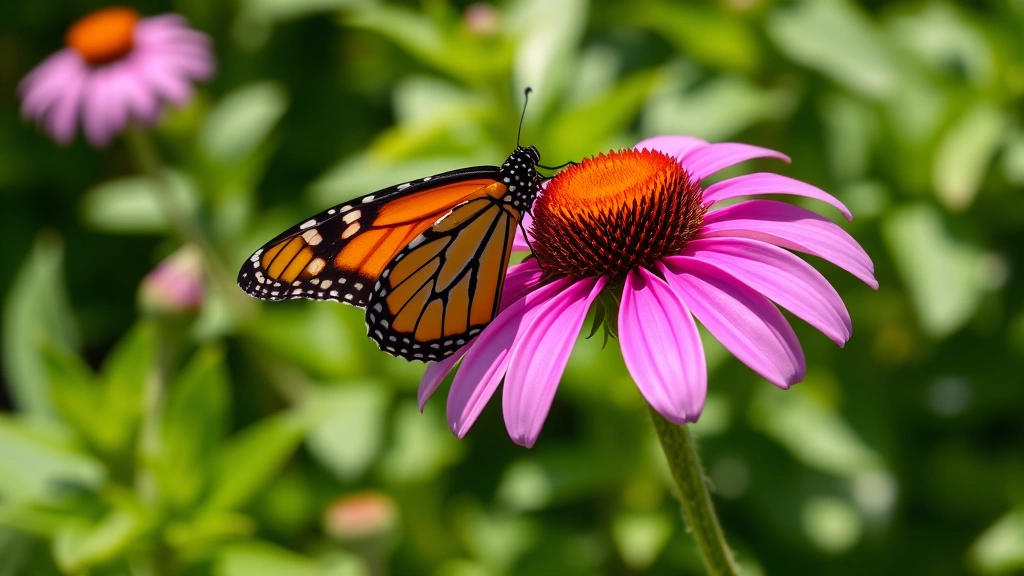
Butterfly Garden Plants: Expert Picks for Attracting Pollinators
Creating a butterfly garden is one of the most rewarding ways to bring life and color to your outdoor space. These delicate pollinators not only add visual beauty but also support the health of your entire garden ecosystem. Whether you’re a seasoned gardener or just starting out, selecting the right butterfly garden plants is essential for establishing a thriving habitat that these magnificent creatures will visit throughout the growing season.
A successful butterfly garden requires more than just planting flowers randomly. You need to understand which plants attract specific butterfly species, when they bloom, and how to create an environment where butterflies can complete their entire lifecycle. This comprehensive guide will walk you through expert-recommended plants, design strategies, and maintenance tips to transform your garden into a butterfly haven.
Best Native Butterfly Plants for Spring
Spring is the awakening season for butterfly gardens, and selecting native plants that bloom early is crucial for providing nectar when butterflies emerge from overwintering. Native plants are naturally adapted to your local climate and soil conditions, making them easier to maintain while providing optimal nutrition for butterflies.
Phlox is an excellent spring choice, offering clusters of fragrant flowers in pink, purple, and white. These hardy perennials bloom reliably and attract multiple butterfly species. Bleeding heart provides delicate, heart-shaped flowers in shaded areas where other plants struggle. Wild lupine is particularly important as a host plant for several butterfly species, especially the endangered Karner blue butterfly.
Creeping phlox creates stunning ground cover displays while providing essential early-season nectar. Columbine produces unique, spurred flowers that attract hummingbirds and butterflies alike. Trillium and Virginia bluebells round out spring offerings, providing reliable blooms that butterflies depend on after winter dormancy.
When planning your spring section, consider grouping plants by bloom time to ensure continuous flowering. This strategy keeps your butterfly garden vibrant and provides consistent food sources. Using a garden hoe to prepare soil beds ensures proper planting depth and encourages healthy root development for these perennials.
Summer Bloomers That Attract Monarchs
Summer is peak butterfly season, and this is when you’ll see the most dramatic activity in your garden. Milkweed species are absolutely non-negotiable for monarch butterflies, as they’re the only plants monarchs lay eggs on. Without milkweed, monarchs cannot complete their lifecycle in your garden. Common milkweed, swamp milkweed, and showy milkweed are all excellent choices depending on your region and soil moisture levels.
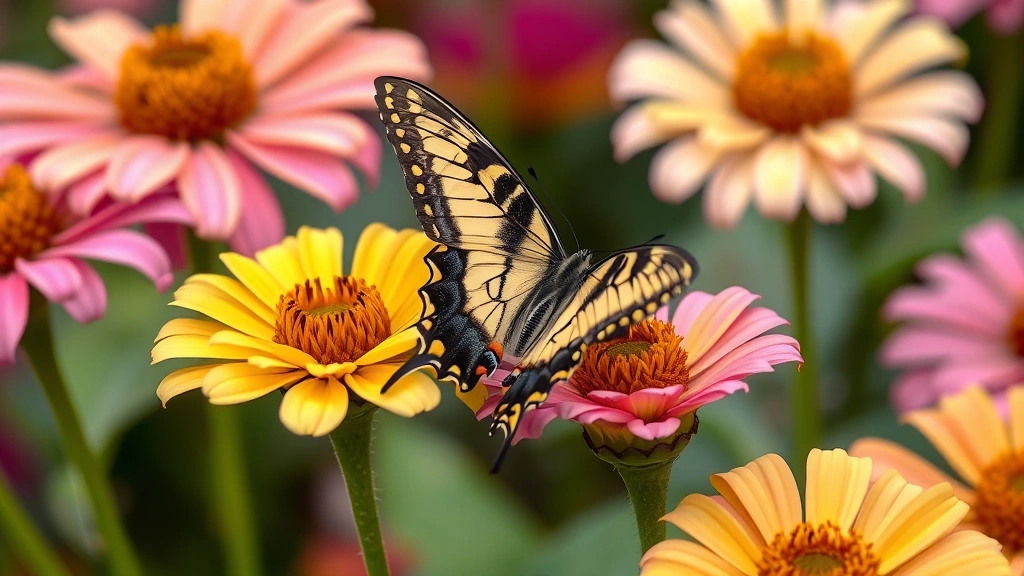
Coneflowers (Echinacea) are butterfly magnets that bloom prolifically throughout summer and into fall. Their sturdy stems and abundant nectar make them ideal for various butterfly species. Black-eyed Susans provide cheerful yellow blooms and attract numerous pollinators. Bee balm produces distinctive tiered flowers in red, pink, and purple, creating visual drama while feeding butterflies and hummingbirds.
Zinnias are annual flowers that butterflies adore, offering continuous blooms from planting until frost. Verbena creates low-growing clusters of colorful flowers perfect for smaller garden spaces. Buddleia (butterfly bush) is sometimes controversial due to invasiveness in certain regions, but it’s undeniably attractive to butterflies where it’s appropriate to grow.
Thistles, particularly native species, provide spiky purple flowers that certain butterflies prefer. Ironweed blooms late summer through early fall with rich purple flowers. Joe-Pye weed reaches impressive heights and produces large flower clusters that create dramatic garden focal points while supporting butterfly populations.
Summer is also an excellent time to establish new plants using proper garden spade techniques for transplanting. Ensure newly planted specimens receive adequate water during hot months to establish strong root systems before winter.
” alt=”Close-up of vibrant orange and black monarch butterfly perched on bright purple coneflower with blurred green foliage background”>
Fall Favorites for Late-Season Visitors
As summer transitions to fall, many gardeners make the mistake of cutting back their gardens, but this eliminates crucial food sources for late-season butterflies. Asters are fall superstars, producing daisy-like flowers in purple, pink, and white when most other plants are fading. They’re incredibly attractive to butterflies preparing for migration or overwintering.
Sedum plants, particularly autumn sedum, provide late-season blooms with interesting texture and color. Goldenrod often gets blamed for allergies (incorrectly—ragweed is the culprit), but this native plant is essential for fall butterflies. Joe-Pye weed continues flowering into fall, providing extended nectar availability.
Turtlehead produces unique hooded flowers in pink or white, blooming late summer through fall. Liatris (blazing star) flowers in dense spikes that butterflies find irresistible. Ironweed reaches peak bloom in early fall with rich purple flowers that create stunning garden displays.
Fall is also the season to let some plants go to seed. Rather than deadheading everything, allow certain flowers to mature and produce seed heads. These provide food for butterflies and birds while creating natural winter interest in your garden design.
Host Plants for Caterpillar Development
Understanding the difference between nectar plants and host plants is crucial for creating a complete butterfly garden. Nectar plants provide food for adult butterflies, while host plants are the specific plants where butterfly caterpillars feed and develop. Without host plants, butterflies cannot reproduce in your garden.
Milkweed is the primary host plant for monarchs, and different milkweed species support various other butterfly species. Parsley, dill, and fennel host swallowtail caterpillars—these herbs are perfect for establishing an indoor herb garden or outdoor herb section that serves dual purposes.
Nettles host several butterfly species including mourning cloaks and tortoiseshells. While often considered weeds, allowing nettles to grow in a designated area supports butterfly reproduction. Willow and aspen trees host viceroy and other butterfly caterpillars.
Lupines serve as host plants for several butterfly species and produce beautiful blue, purple, and pink flowers. Thistles host painted lady caterpillars. Violets are host plants for fritillary butterflies and provide charming spring blooms.
The key to supporting caterpillar development is accepting that some leaves will be eaten. This is not pest damage—it’s the intended purpose of your butterfly garden. Many gardeners struggle with this concept, but remember that a few eaten leaves are a small price for supporting these important pollinators.
Garden Design and Layout Tips
Strategic garden design maximizes butterfly attraction and creates a functional habitat. Plant flowers in clusters of three to five of the same species rather than scattered single plants. This makes flowers easier for butterflies to locate and allows them to feed more efficiently.
Create height variation by combining tall plants like Joe-Pye weed and ironweed with mid-level bloomers like coneflowers and bee balm, adding low-growing creeping phlox and verbena at ground level. This layered approach provides visual interest while accommodating different butterfly species with varying feeding preferences.
Include water sources such as shallow dishes filled with sand and water, or create a butterfly puddling area with wet soil. Butterflies need water to access minerals, and providing this resource keeps them in your garden longer.
Consider incorporating garden statues or rock features that provide resting spots and visual anchors. These elements create microhabitats and allow butterflies to rest between feeding sessions.
Avoid pesticides entirely, as they kill butterflies at all life stages. Even organic pesticides can harm butterflies, so embrace an integrated pest management approach that tolerates minor pest damage. Allow natural predators like spiders and birds to control pest populations.
Plant in full sun whenever possible, as butterflies are most active in sunny locations. Most butterfly-attracting plants prefer at least six hours of direct sunlight daily. If you have shady areas, focus on shade-tolerant plants like bleeding heart and columbine.
Maintenance and Seasonal Care
Butterfly garden maintenance differs from traditional gardening approaches. Rather than aggressive pruning and deadheading, adopt a more naturalistic maintenance style that supports butterflies throughout their lifecycle.
In spring, cut back perennials that were left standing for winter, allowing any overwintering butterflies to emerge first. Divide overcrowded perennials in early spring to maintain plant vigor and encourage abundant flowering.
Throughout the growing season, deadhead spent flowers to encourage continued blooming, but leave some flowers to go to seed for late-season food sources. Water plants during dry periods, particularly new plantings that haven’t established extensive root systems.
In fall, resist the urge to clean up everything. Leave seed heads standing for winter interest and late-season butterfly food. Allow some leaf litter to accumulate, as butterflies and other beneficial insects overwinter in these protected areas.
Rather than using chemical fertilizers, amend soil with compost to maintain fertility while improving soil structure. This sustainable approach supports soil microorganisms that contribute to overall garden health.
” alt=”Garden scene showing multiple butterfly species on various colorful flowers including purple and pink blooms in natural sunlight with soft-focused background”>
When you’re ready to expand your butterfly garden, proper soil preparation using a garden spade ensures successful plant establishment. Take time to remove weeds and amend soil with organic matter before planting new sections.
Consider the aesthetic appeal of your butterfly garden as well. Many of these plants create beautiful displays suitable for flower arranging tips if you want to bring some garden beauty indoors. However, avoid cutting flowers from your butterfly garden during peak season, as these blooms provide essential nectar.
FAQ
What’s the best time to plant butterfly garden plants?
Spring and fall are ideal planting times in most regions. Spring planting allows plants to establish roots throughout summer, while fall planting lets roots develop during cool months before winter dormancy. Avoid planting during hot, dry summers or harsh winters.
Can I grow butterfly plants in containers?
Yes, many butterfly plants thrive in containers. Use large pots with drainage holes and quality potting soil. Coneflowers, zinnias, verbena, and bee balm all perform well in containers. Container gardens require more frequent watering than in-ground plantings.
How long before I see butterflies in my new garden?
You may see butterflies within weeks of planting, especially if you establish native plants in a sunny location. However, building a thriving butterfly population typically takes one to two seasons as plants mature and spread.
Do I need to use fertilizer for butterfly plants?
Most butterfly plants prefer lean soil and don’t require heavy fertilization. Excessive nitrogen encourages leafy growth at the expense of flowers. Amend soil with compost annually rather than using chemical fertilizers.
What should I do about invasive butterfly plants?
Some butterfly plants like butterfly bush can become invasive in certain regions. Check with your local extension service before planting. Consider regional native alternatives that provide similar benefits without invasiveness concerns.
Can I create a butterfly garden in a small space?
Absolutely! Even a small corner with containers or a narrow planting bed can support butterflies. Focus on high-nectar plants and include at least one host plant species. Vertical gardening with trellises maximizes space efficiency.
How do I protect butterfly caterpillars from predators?
Rather than protecting caterpillars, create a balanced ecosystem where natural predators and prey coexist. Some caterpillar loss is normal and natural. Avoid pesticides, and allow birds and beneficial insects to maintain natural population balance.


