Blue Prince Holly: Gardeners’ Secret Weapon?
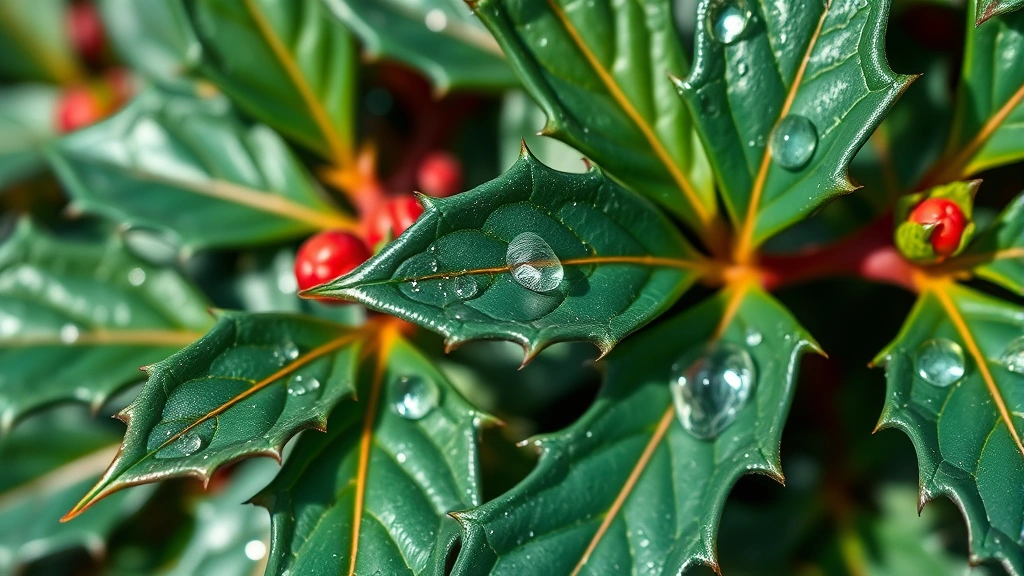
Blue Prince holly stands as one of the most underutilized evergreen shrubs in modern landscapes, yet savvy gardeners have long recognized its exceptional value. This versatile plant offers year-round visual interest, stunning deep blue-green foliage, and vibrant red berries that persist well into winter. Whether you’re designing a cottage garden sanctuary or creating wildlife habitat, Blue Prince holly delivers performance that belies its humble appearance.
What makes Blue Prince truly special is its dual nature: it serves as the male pollinator for female holly varieties while simultaneously providing architectural structure to garden spaces. The plant’s glossy, spiny leaves create dramatic textural contrast against softer plantings, while its compact growth habit makes it suitable for gardens of virtually any size. From small urban spaces to sprawling country estates, this evergreen performer adapts beautifully to diverse growing conditions and design schemes.
Understanding Blue Prince Holly Basics
Blue Prince holly (Ilex x meserveae ‘Blue Prince’) represents a hybrid cross between English holly and Japanese holly, combining the hardiness of Asian species with the ornamental qualities of European varieties. This cultivar emerged from extensive breeding programs designed to create hollies capable of withstanding harsh winter conditions while maintaining stunning visual appeal throughout the year.
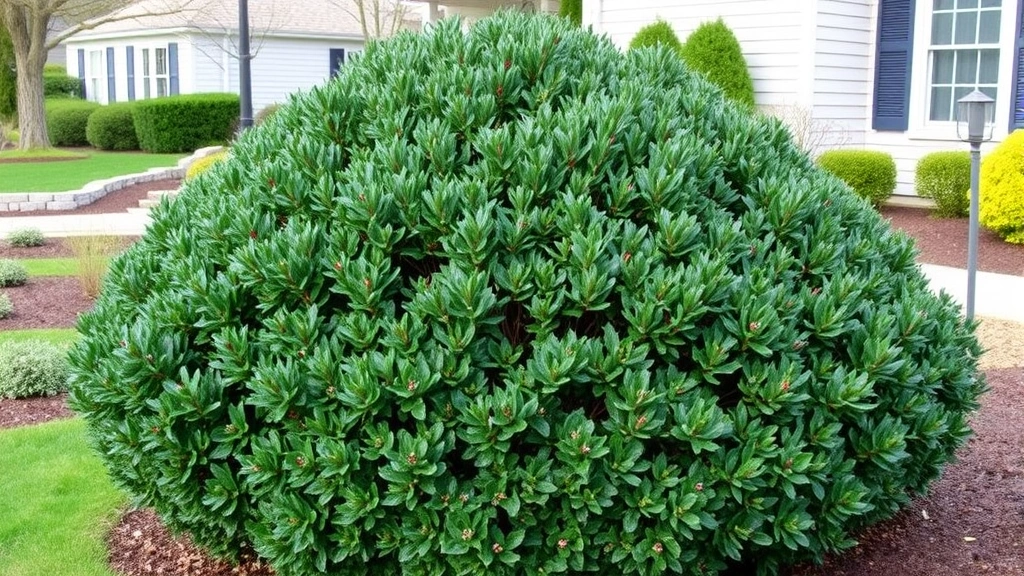
The plant typically reaches heights between 8 and 12 feet at maturity, with a spread of 5 to 8 feet, though careful pruning can maintain smaller, more compact forms. Its growth rate averages 12 to 18 inches annually under optimal conditions. The foliage exhibits a distinctive deep blue-green coloration that intensifies as temperatures drop in autumn, a phenomenon that adds unexpected interest to winter landscapes when many plants appear dull and dormant.
Blue Prince serves a crucial horticultural function as a male pollinator. Female holly varieties like Blue Princess, Blue Maid, and Blue Girl require compatible pollen sources to set fruit, and Blue Prince fulfills this essential role. A single Blue Prince plant can pollinate multiple female varieties within a 30-foot radius, making it an economical choice for gardeners seeking abundant berry production in their female hollies.
Ideal Growing Conditions
Success with Blue Prince holly begins with understanding its environmental preferences. This plant thrives in USDA hardiness zones 5 through 9, demonstrating impressive cold tolerance that extends its range beyond many alternative evergreens. The cultivar can withstand winter temperatures dropping to -20°F (-29°C), making it valuable for northern gardeners who previously considered hollies too tender for their climate.
Sunlight requirements fall in the moderate range. While Blue Prince performs adequately in partial shade, receiving 4 to 6 hours of direct sunlight daily, it displays superior vigor and denser foliage development in full sun conditions. Plants grown in insufficient light may exhibit sparse branching and reduced overall vigor. Conversely, afternoon shade in hot climates prevents foliage scorching and reduces water stress during summer months.
Soil composition significantly impacts Blue Prince performance. This holly prefers acidic soil with a pH range between 5.0 and 6.5, though it tolerates slightly higher pH values better than many acid-loving plants. The substrate should provide excellent drainage while maintaining consistent moisture availability. Heavy clay soils require amendment with compost, peat moss, or composted bark to improve structure and drainage. Sandy soils benefit from organic matter incorporation to enhance water retention.
Moisture management requires balance. Blue Prince demands consistent moisture, particularly during establishment and during hot, dry periods, yet suffers from waterlogged conditions that promote root rot. Supplemental irrigation becomes critical during the first two growing seasons and during drought periods. A 2 to 3-inch mulch layer of shredded bark maintains soil temperature consistency and moderates moisture fluctuations.
Planting and Establishment
Successful Blue Prince holly establishment depends upon proper planting technique and initial care. Spring planting, preferably in April or May, allows maximum root development before summer stress. Fall planting remains viable in zones 7 and warmer, but northern gardeners should avoid late-season planting that leaves young plants vulnerable to winter damage.
Preparation begins with site assessment. Choose locations where afternoon shade moderates summer heat in zones 8 and 9, while northern gardeners should prioritize maximum sun exposure. Excavate planting holes twice as wide as the root ball but no deeper. Positioning the soil surface level with the top of the root ball prevents crown rot, a common problem when plants are planted too deeply.
Amend backfill soil with 25 to 50 percent organic material, creating a transition zone between native soil and the planting medium. This gradual transition encourages root expansion into surrounding soil. Water thoroughly after planting to eliminate air pockets and settle the backfill. Apply mulch in a 2 to 3-inch band around the plant base, maintaining 6 inches of clearance from the stem to prevent bark decay.
First-year maintenance proves critical for long-term success. Water deeply twice weekly during the establishment year unless rainfall exceeds 1 inch weekly. Reduce watering frequency in year two as the root system expands into surrounding soil. Avoid fertilizing newly planted specimens for the first year, as this encourages soft growth vulnerable to winter damage. Begin light feeding in spring of the second year using a slow-release, acidifying fertilizer formulated for acid-loving plants.
Maintenance and Care
Established Blue Prince holly plants require minimal maintenance, one reason they appeal to busy gardeners and professionals managing large properties. Pruning needs vary based on desired form and available space. Left unpruned, the plant develops a naturally pyramidal outline that requires no intervention. However, selective pruning enhances branching density and creates more refined forms suitable for formal garden settings.
Prune Blue Prince during late winter or early spring before new growth emerges. Remove any dead, diseased, or crossing branches first. Then selectively head back vigorous shoots to encourage branching. Avoid shearing, which creates dense outer growth that shades interior foliage, eventually leading to branch dieback. Hand-pruning maintains the plant’s natural form while improving overall structure.
Fertilization becomes necessary only in poor soils or when plants display nutrient deficiency symptoms. Apply a slow-release, acid-forming fertilizer in early spring as new growth begins. Products specifically formulated for hollies, azaleas, and rhododendrons deliver appropriate nutrient ratios and soil acidification. Follow label instructions carefully, as overfertilization promotes excessive soft growth attractive to pests and reduces cold hardiness.
Pest and disease pressure remains minimal for Blue Prince holly in most regions. Spider mites occasionally appear during hot, dry periods, causing fine stippling on foliage. Increase watering frequency and humidity through occasional overhead irrigation to discourage these pests. Horticultural oil sprays applied in early spring control overwintering mite eggs. Scale insects occasionally colonize stems but rarely cause significant damage. Handpicking or horticultural oil applications address isolated infestations.
Leaf spot diseases, while rare, may appear during prolonged wet periods. Improve air circulation through selective pruning and avoid overhead watering during humid conditions. Remove affected foliage promptly to prevent disease spread. Fungicide applications rarely become necessary given the plant’s natural resistance.
Companion Planting Strategies
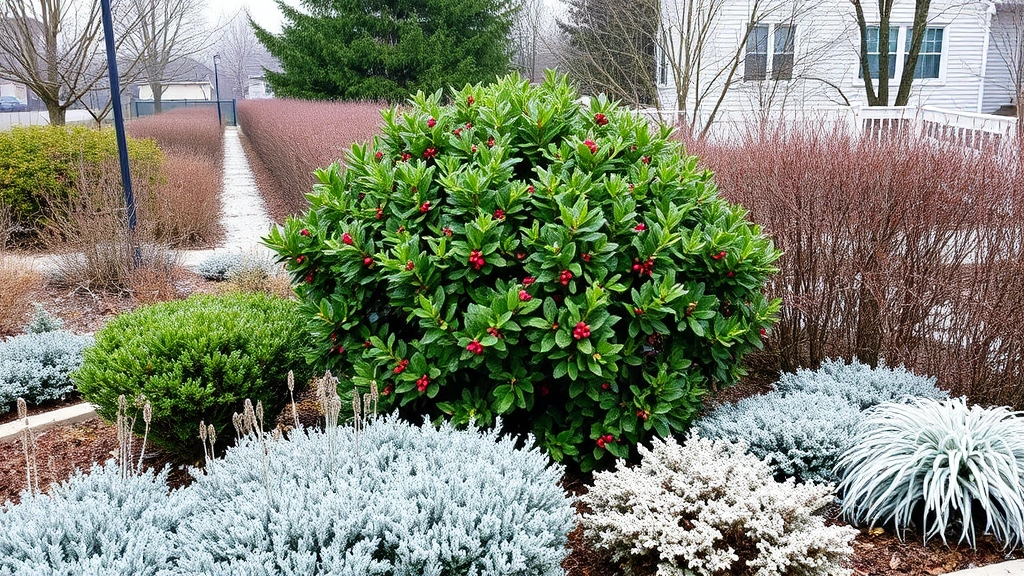
Blue Prince holly integrates seamlessly into diverse planting combinations, serving as a structural anchor while complementing surrounding plants. Its deep green foliage provides ideal contrast for variegated plants and lighter-colored specimens. Consider pairing Blue Prince with gold-foliaged hostas, which create striking visual contrast and appreciate the partial shade cast by the holly’s canopy.
Underplanting with shade-tolerant groundcovers creates layered garden compositions. Hellebores, with their delicate flowers and architectural foliage, provide winter interest beneath Blue Prince’s canopy. Ajuga groundcover offers dense coverage that suppresses weeds while creating textural contrast. Christmas ferns add vertical dimension and persist through winter when many herbaceous plants disappear.
Combine Blue Prince with other broadleaf evergreens for year-round structure. Boxwoods provide fine texture contrasting with holly’s coarser foliage. Pieris species offer delicate spring flowers while maintaining evergreen presence. Conifers like dwarf Alberta spruce or columnar junipers add vertical accents and contrasting foliage colors.
For a vertical garden composition, position Blue Prince as a backdrop for shade-loving perennials. Japanese anemones provide late-season flower color that extends interest beyond the holly’s ornamental period. Hostas in varied sizes and colors create layered texture. Ferns offer delicate foliage contrast and thrive in the moist, shaded conditions beneath the holly’s canopy.
Deciduous shrubs nearby create seasonal rhythm. Hydrangeas provide summer flowers while Blue Prince maintains green presence. Viburnum species offer fragrant spring flowers and colorful fall foliage. Serviceberry contributes spring flowers, summer foliage, and fall color while supporting wildlife through berry production.
Wildlife and Ecological Benefits
Blue Prince holly functions as a valuable wildlife resource within garden ecosystems. While the plant produces no berries itself, its pollen feeds numerous bee species during spring blooming periods. The flowers appear in April and May when bee activity peaks, providing essential protein sources as colonies expand.
The dense evergreen canopy offers shelter for birds throughout winter months. Cardinals, cedar waxwings, and various sparrow species roost within the protective foliage during harsh weather. The spiny leaves deter predators while providing secure nesting sites for songbirds seeking protected locations away from ground predators.
When paired with female holly varieties, the resulting berry crops become critical wildlife food sources. Blue Princess, Blue Maid, and Blue Girl produce abundant red berries that persist into winter, sustaining birds during periods when other food sources disappear. Cedar waxwings, robins, and thrushes rely on these berries during cold months when insects vanish.
The plant’s root system improves soil structure and stability. Deep roots access moisture and nutrients unavailable to shallow-rooted plants, reducing competition within plantings. This ecological contribution extends beyond aesthetics, creating healthier soil ecosystems that benefit all plants in proximity.
Design Applications
Blue Prince holly adapts to virtually any landscape style, from formal gardens to naturalistic woodland edges. In formal settings, sheared specimens create geometric forms suitable for knot gardens and parterres. Columnar specimens frame entryways and define garden rooms. In pairs, they emphasize focal points or create living gateways marking transitions between garden spaces.
Naturalistic landscapes benefit from Blue Prince’s pyramidal form and evergreen presence. Positioned as background plantings, it creates year-round structure when deciduous shrubs stand bare. Massed plantings form evergreen screens providing privacy and wind protection. Single specimens serve as focal points in foundation plantings, drawing attention through their distinctive form and foliage color.
For cottage garden aesthetics, Blue Prince provides structural backbone among soft, romantic plantings. The bold form contrasts beautifully with billowing perennials and heirloom shrubs. Its evergreen presence prevents the sparse, unkempt appearance that sometimes affects cottage gardens during winter months.
Urban gardeners appreciate Blue Prince’s adaptability to container cultivation, though in-ground planting produces superior long-term results. Paired containers flanking entries create welcoming focal points. The plant tolerates the reflected heat from hardscaping and adapts to container culture in zones 7 and warmer.
Seasonal interest extends throughout the year. Spring brings delicate flowers appreciated by those observing the plant closely. Summer’s glossy green foliage provides reliable backdrop color. Autumn deepening of foliage color adds subtle seasonal transition. Winter’s evergreen presence and potential berry production from nearby female hollies create the season’s most dramatic garden impact.
Troubleshooting Common Issues
Despite Blue Prince’s general hardiness, occasional problems arise. Chlorosis, characterized by yellowing foliage with green veins, indicates iron deficiency typically caused by overly alkaline soil. Remedy this through soil acidification using sulfur or chelated iron applications. Test soil pH annually in regions with naturally alkaline conditions.
Dieback affecting lower branches often results from excessive shade or poor air circulation. Improve conditions through selective pruning of nearby plants and removal of affected branches. Ensure mulch remains 6 inches from the stem to prevent crown rot, a condition that causes branch dieback and eventual plant death.
Sparse foliage development indicates insufficient light or nutrient deficiency. Evaluate light exposure and consider relocating specimens receiving less than 4 hours of direct sun. Apply slow-release fertilizer in spring if soil testing reveals nutrient deficiencies. Ensure consistent moisture availability, as drought stress reduces foliage density and overall vigor.
Winter burn, manifesting as browning foliage on exposed plants in harsh climates, may occur during particularly severe winters. This rarely kills the plant but reduces aesthetic appeal through the following growing season as new foliage emerges. Protect young plants with burlap wraps during their first winter, particularly in zone 5 locations.
When establishing a wildlife-friendly garden with Blue Prince and female hollies, occasional berry predation by birds occurs naturally. This represents ecosystem function rather than a problem requiring intervention. Accept some berry consumption as part of supporting local wildlife populations.
FAQ
Can Blue Prince holly grow in containers?
Yes, Blue Prince tolerates container cultivation, though in-ground planting produces superior long-term results. Use containers at least 24 inches in diameter with excellent drainage. Container-grown specimens require more frequent watering and annual fertilization. In cold climates, move containers against building foundations or wrap them for winter protection. Expect slower growth compared to in-ground plantings.
How close should Blue Prince be planted to female hollies for pollination?
Position Blue Prince within 30 feet of female varieties for reliable pollination and berry production. Closer proximity increases pollination success rates. A single Blue Prince can pollinate multiple female specimens within this range, making it economically efficient for gardeners seeking abundant berry crops.
What is the difference between Blue Prince and other blue hollies?
Blue Prince serves as the male pollinator while female varieties like Blue Princess, Blue Maid, and Blue Girl produce berries. All share similar growing requirements and appearance. Blue Prince’s distinctive value lies in its pollinating function rather than berry production. Choose Blue Prince specifically for pollination purposes when growing female varieties.
Does Blue Prince require acidic soil?
Blue Prince prefers acidic soil with pH between 5.0 and 6.5 but tolerates slightly higher pH values better than many hollies. Test soil pH before planting and amend with sulfur or peat moss if necessary. Maintain soil acidity through annual applications of acidifying fertilizers and organic matter incorporation.
When should I prune Blue Prince holly?
Prune Blue Prince during late winter or early spring before new growth emerges. Remove dead, diseased, or crossing branches first, then selectively head back vigorous shoots to encourage branching. Avoid shearing, which creates dense outer growth that shades interior foliage. Light annual pruning maintains natural form and improves overall structure.
Can Blue Prince holly tolerate wet soil?
Blue Prince demands consistent moisture but suffers from waterlogged conditions promoting root rot. Ensure excellent drainage through soil amendment with organic matter and proper site selection. Avoid planting in low-lying areas where water collects. In poorly drained soils, raised planting beds improve drainage and prevent moisture-related problems.
How quickly does Blue Prince holly grow?
Blue Prince grows at a moderate rate of 12 to 18 inches annually under optimal conditions. Growth rates vary based on sunlight exposure, moisture availability, soil quality, and climate. Newly planted specimens grow slowly during the establishment year as roots develop. Mature growth rates stabilize after the second growing season.
Is Blue Prince holly deer resistant?
While not completely deer-proof, Blue Prince holly’s spiny foliage deters most browsing. Deer preferentially consume tender, more palatable plants. In areas with extremely high deer populations, protective fencing may become necessary. The plant’s lower palatability compared to alternative evergreens makes it a relatively safe choice for deer-inhabited regions.


