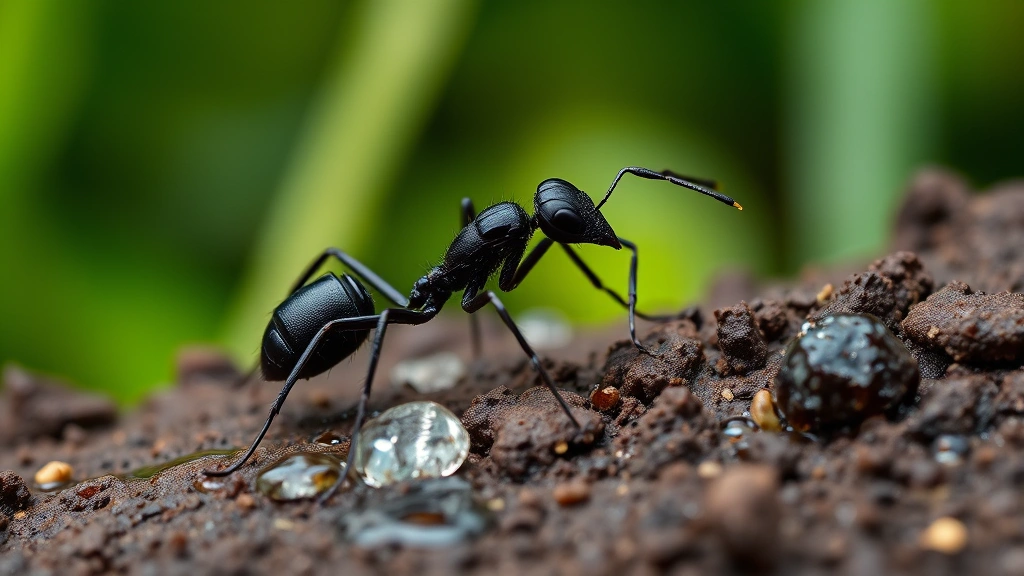
Black ants are among the most common insects gardeners encounter, yet many struggle to identify specific black garden ant species accurately. Understanding which ant species inhabit your garden is crucial for determining whether they’re beneficial allies or potential pests requiring management. This comprehensive guide draws on entomological expertise to help you distinguish between different black ant varieties and understand their roles in your garden ecosystem.
When you spot a trail of black ants marching across your garden beds or notice mounds of soil near your plants, your first instinct might be concern. However, most black ants are actually beneficial garden inhabitants that aerate soil, prey on harmful insects, and contribute to nutrient cycling. The key is learning to identify the specific species present so you can make informed decisions about whether intervention is necessary.
Common Black Garden Ant Species
The most frequently encountered black ant species in North American gardens include Lasius niger (the black garden ant), Formica species (field ants), and Carpenter ants (Camponotus species). Each has distinct characteristics that help gardeners identify them correctly.
Lasius niger, commonly called the black garden ant, is perhaps the most widespread species across temperate regions. These ants typically measure 3-5 millimeters in length and form colonies that can reach impressive sizes. The black garden ant is particularly notable for its interaction with aphids—they farm these insects for honeydew, which sometimes leads gardeners to mistakenly view them as pests. However, their soil-aerating benefits often outweigh any indirect damage from aphid farming.
Formica species, known as field ants or wood ants, are larger than Lasius ants, ranging from 4-8 millimeters. These robust ants are often reddish-black or entirely black, and they’re known for building substantial mound nests in garden areas. Field ants are voracious predators of other insects, making them valuable for natural pest control. They’re particularly active during spring and fall months when temperatures are moderate.
Carpenter ants (Camponotus species) represent a different concern entirely. These large ants, measuring 6-13 millimeters, are primarily black or black with red accents. Unlike termites, carpenter ants don’t eat wood but tunnel through it to create galleries for their nests. While they rarely damage healthy garden structures, they can become problematic if they establish colonies in garden sheds, raised beds, or wooden garden features. When considering how to make a raised garden bed, understanding carpenter ant potential is worthwhile for long-term maintenance planning.
Lesser-known species like Pheidole and Tapinoma also appear in gardens, though less frequently. These smaller species are generally harmless and contribute positively to soil health and pest control.
Physical Characteristics for Identification
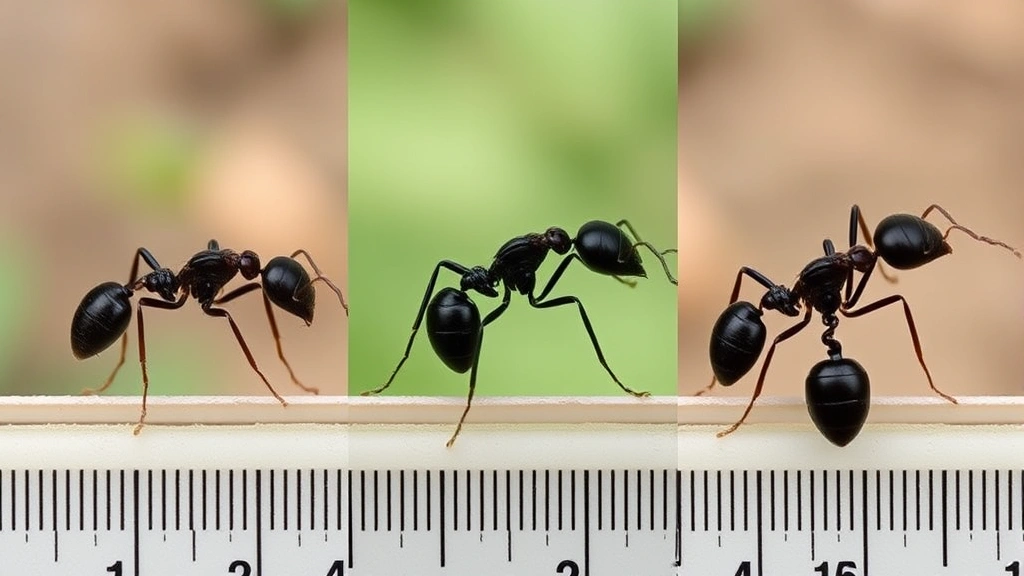
Accurate identification requires examining several physical features of black ants. Size is your first clue, but it’s not always reliable since different castes within a colony vary significantly. Worker ants are smaller than soldiers and queens, so a single observation may not provide complete information.
The body structure offers more definitive clues. All ants have three distinct body regions: the head, thorax, and abdomen. However, the way these regions connect differs among species. Some ants have a single node (petiole) connecting the thorax to the abdomen, while others have two nodes (postpetiole). This feature alone can distinguish between several black ant species.
Examine the antennae closely. Black ants possess twelve-segmented antennae that bend at an angle, unlike the straight antennae of some other insects. The antennae’s thickness and length relative to the body can help identify species. Lasius ants typically have proportionally longer antennae than Formica species.
The mandibles (jaws) also provide identification clues. Carpenter ants have notably large mandibles compared to their head size, which makes sense given their wood-tunneling behavior. Field ants have more moderate mandible proportions. Examining these features requires a hand lens or magnifying glass, but the effort pays off in confident identification.
Color nuances matter more than you might expect. While called “black ants,” many species display subtle coloration variations. Some Lasius niger workers appear dark brown rather than pure black, particularly in sunlight. Formica species often show reddish-brown tones on the thorax even when the head and abdomen appear black. Carpenter ants frequently have lighter-colored hairs on their bodies, giving them a slightly less uniform appearance than true black ants.
Consider consulting USDA resources on garden insects for detailed photographic comparisons that help with visual identification.
Behavioral Patterns and Habits
How ants behave in your garden reveals much about their species identity. Observation of nesting habits, activity patterns, and foraging behavior provides clues that complement physical examination.
Lasius niger ants create small mounds or utilize existing cavities in soil, preferring undisturbed areas. They’re most active during mild temperatures and may disappear from sight during extreme heat or cold. These ants are nocturnal foragers, so you’ll notice increased activity during evening hours. Their association with aphids is characteristic—if you spot ants tending aphid colonies and “milking” them for honeydew, you’re likely observing Lasius ants.
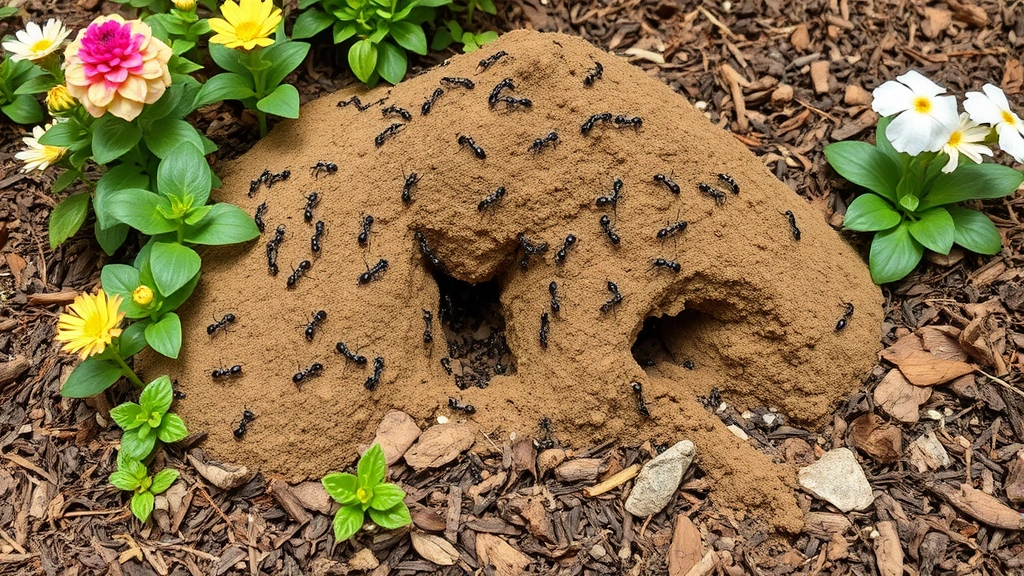
Field ants (Formica species) construct more prominent mounds, sometimes reaching several inches in height. These mounds are often mixed with plant debris and soil particles, creating a distinctive appearance. Field ants are diurnal and crepuscular, meaning they’re active during daylight hours and dawn/dusk periods. They’re notably aggressive defenders of their territory and will swarm perceived threats quickly.
Carpenter ants prefer wood-based nesting sites but may establish satellite nests in soil. They’re most active during warmer months and often follow established trails in and out of their nesting areas. Unlike termites, you won’t find mud tubes; instead, you may notice sawdust-like frass (ant droppings) near their tunneling sites. Carpenter ants are larger and move more slowly than smaller ant species, making them relatively easy to track visually.
Seasonal patterns also help with identification. Spring typically brings increased ant activity as colonies emerge from winter dormancy. Summer activity peaks but may decline during extreme heat as ants retreat to deeper soil levels. Fall sees another activity surge as ants prepare for winter. Winter activity depends on your climate zone—in cold regions, ants essentially hibernate, while in warmer areas, they may remain somewhat active throughout the year.
Dietary preferences offer another behavioral clue. All black ants are omnivorous to some degree, consuming both proteins and carbohydrates, but their preferences vary. Lasius ants show strong preference for honeydew from aphids. Formica ants are primarily carnivorous, actively hunting other insects. Carpenter ants prefer sweet substances and will readily visit flowers or feed on nectar-producing plants in your flower garden.
Black Ants and Garden Health
The relationship between black ants and overall garden health is complex and generally positive. Understanding these interactions helps gardeners appreciate why most black ant colonies should be tolerated rather than eliminated.
Soil aeration represents one of the most significant benefits. As ants tunnel through soil, they create channels that improve water infiltration and air circulation. This is particularly valuable in compacted garden soil where water tends to run off rather than penetrate. The tunneling action also brings deeper soil layers to the surface, improving soil structure throughout the garden profile. This benefit is comparable to the advantages of maintaining shade garden environments where soil organisms thrive in cooler, moister conditions.
Pest control through predation is another major contribution. Black ants actively hunt and consume numerous garden pests including fly larvae, small caterpillars, mites, and small spiders. A single ant colony can consume thousands of pest insects over a growing season. This predation reduces pest populations naturally, decreasing your reliance on chemical interventions.
Nutrient cycling is enhanced by ant activity. As ants move through soil and consume dead organisms, they facilitate decomposition and nutrient release. Dead insects and plant matter processed by ants become available for plant uptake more quickly than they would through passive decomposition alone.
The primary concern with black ants relates to their aphid farming behavior. Ants protect aphid colonies from natural predators in exchange for honeydew secretions. This mutualistic relationship can allow aphid populations to grow unchecked in some situations. However, the solution isn’t eliminating ants but rather managing the aphid population directly through organic methods or targeted interventions.
Some gardeners worry that ant mounds in visible garden areas appear unsightly. While this is primarily an aesthetic concern, small mounds can occasionally interfere with uniform lawn growth or create trip hazards. In these situations, gentle relocation rather than elimination is the preferred approach.
Managing Black Ant Populations
When black ant populations require management, several approaches prioritize ecological balance while addressing legitimate concerns.
Natural deterrents work well for discouraging ants from specific areas without harming them. Cinnamon, coffee grounds, and diatomaceous earth create barriers that ants prefer to avoid. These substances are safe for beneficial insects and won’t damage plants. Sprinkling these materials around vulnerable plants or garden features provides a gentle management approach.
Physical barriers prevent ants from accessing specific areas. Copper tape, sticky barriers, and fine mesh netting can protect individual plants or garden structures. These methods work particularly well when protecting potted plants or preventing carpenter ants from accessing wooden garden furniture like garden chairs and recliners.
Water management influences ant populations naturally. Ants prefer dry conditions, so increasing watering frequency in localized areas can encourage them to relocate. This is particularly effective for moving mound nests away from high-visibility areas without killing the colony.
Cultural practices reduce ant attraction to garden areas. Removing dead wood, reducing mulch depth near plant stems, and maintaining good garden sanitation all make your garden less attractive to nesting ants. These practices also benefit overall garden health by reducing disease and pest habitat.
Biological controls targeting specific pest insects (like aphids) indirectly reduce ant activity by eliminating their preferred food sources. Using neem oil, insecticidal soap, or introducing beneficial insects like ladybugs addresses the real problem—pest insects—rather than targeting ants directly.
Chemical interventions should be your last resort and only when colonies pose genuine structural threats. If you must use ant baits or sprays, choose products specifically labeled for garden use and follow all safety directions carefully. Many entomologists recommend against broad-spectrum pesticides, as these eliminate beneficial ants along with any problematic species.
When to Seek Professional Help
Certain situations warrant consultation with professional entomologists or pest management specialists. If you suspect carpenter ants are establishing colonies in wooden garden structures, having an expert assess the situation prevents potential structural damage. Professionals can identify the specific Camponotus species involved and recommend targeted management strategies.
Large-scale infestations causing visible damage to plants or creating safety hazards may require professional intervention. Extension services in your area provide free or low-cost identification and management advice. Contact your local USDA APHIS office or county extension service for recommendations.
If you’re uncertain about species identification and this uncertainty affects your management decisions, professional identification removes guesswork. Many universities and botanical institutions offer insect identification services. The UC Statewide Integrated Pest Management Program provides excellent resources and can connect you with local expertise.
Master gardener programs in your region often include entomology training and can provide identification assistance. These volunteer-staffed programs understand local ant species and seasonal patterns specific to your area, making their advice particularly valuable.
For those interested in deeper learning, the Entomological Society of America maintains resources on insect identification and maintains directories of professional entomologists.
FAQ
What’s the difference between black ants and carpenter ants?
The primary difference lies in their nesting behavior and size. Carpenter ants (Camponotus) are significantly larger (6-13mm) and tunnel through wood to create nesting galleries. Black garden ants (Lasius) are smaller (3-5mm) and nest in soil. Carpenter ants have larger mandibles proportional to their head size. While both are black or dark-colored, carpenter ants often display lighter body hairs.
Are black ants harmful to my garden?
Most black ant species are beneficial or neutral for gardens. They aerate soil, control pest insects through predation, and facilitate nutrient cycling. The main concern is their aphid-farming behavior, which can allow aphid populations to increase. Rather than eliminating ants, managing aphids directly addresses the real problem.
How can I identify ants without a microscope?
Observe colony size, mound appearance, activity patterns, and nesting location. Lasius ants create small mounds and are active at night. Formica ants build larger mounds and are active during the day. Carpenter ants are much larger and may be found near wood. Using a hand lens (10x magnification) helps examine body structure, petiole nodes, and mandible size without requiring a full microscope.
What temperature kills black ants?
Most black ant species become dormant at temperatures below 50°F (10°C) and show reduced activity in heat above 95°F (35°C). Extreme temperatures (below freezing or above 110°F) can be lethal, particularly to foragers away from the nest. However, killing ants through temperature fluctuation isn’t practical for garden management.
Can I safely remove an ant mound from my garden?
Yes, you can relocate ant mounds without killing the colony. Water the mound thoroughly to encourage the ants to relocate naturally, or carefully excavate the mound and move it to a less visible garden area. This preserves the beneficial colony while addressing aesthetic concerns.
Do black ants bite or sting?
Most black garden ant species can bite but rarely sting humans. Carpenter ants can both bite and spray formic acid but are generally non-aggressive unless they feel threatened. They don’t pose significant danger to gardeners during normal garden activities.


