
Grow Bitter Melon? Expert Gardener’s Guide
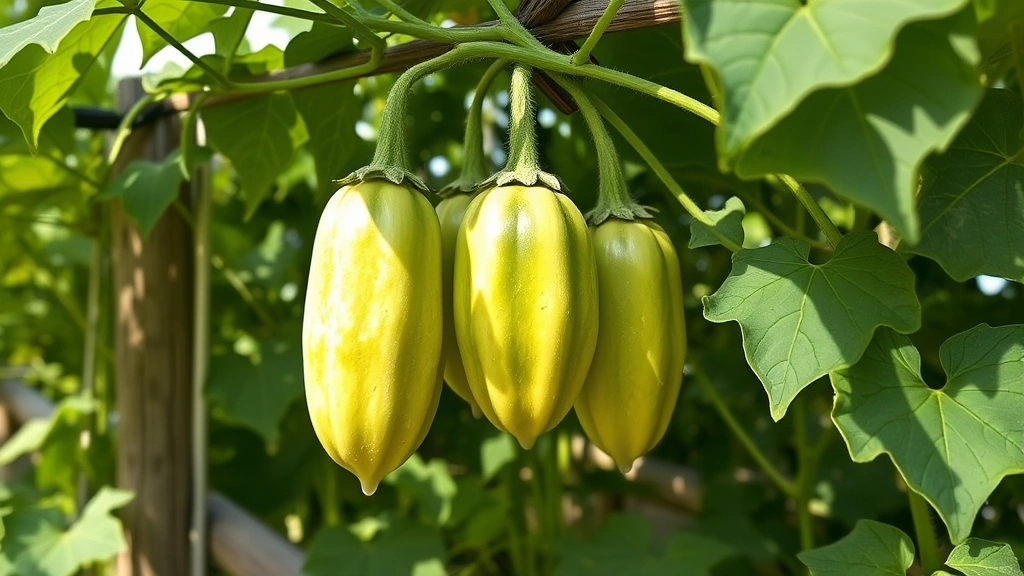
Bitter melon, scientifically known as Momordica charantia, is a fascinating tropical vine that produces uniquely textured, warty fruits prized in Asian cuisines and traditional medicine. Despite its challenging flavor profile, growing bitter melon in your garden is entirely achievable with proper planning and care. This comprehensive guide will walk you through everything you need to know to cultivate this rewarding plant, from seed selection through harvest.
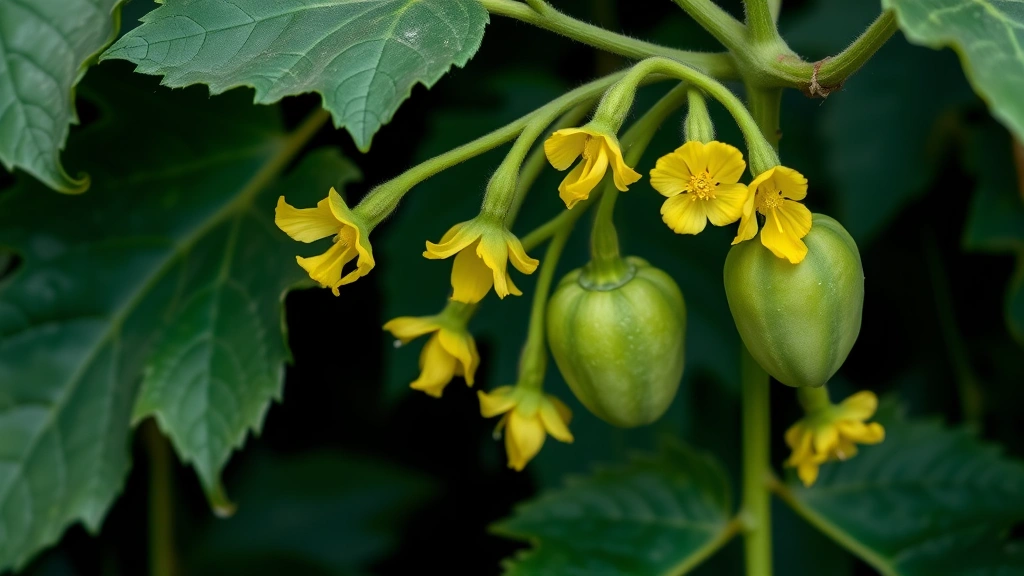
Whether you’re a seasoned gardener looking to expand your vegetable repertoire or a beginner starting your green journey, bitter melon offers an exciting opportunity to grow something truly unique. The plant thrives in warm climates and rewards patient gardeners with abundant yields throughout the growing season. Its ornamental vines and delicate yellow flowers add visual interest to any garden space while you await the distinctive fruits.
Climate and Growing Conditions
Bitter melon is a heat-loving plant that demands warm temperatures to thrive. The ideal growing temperature ranges between 70°F and 85°F (21°C to 29°C), with the plant beginning to decline when temperatures drop below 60°F (15°C). This makes bitter melon best suited for USDA hardiness zones 9-11, though gardeners in cooler regions can successfully grow it as a summer annual or in containers that can be moved indoors.
The plant requires a minimum of 6-8 hours of direct sunlight daily, though 8-10 hours is optimal for vigorous growth and fruit production. Position your bitter melon where it receives morning sun to dry dew and reduce fungal issues. If you live in an extremely hot climate with temperatures exceeding 95°F (35°C) regularly, providing afternoon shade can prevent heat stress and keep fruits from becoming overly bitter.
Humidity levels should remain moderate, around 50-70%, as excessive moisture combined with warm temperatures creates an ideal environment for fungal diseases. Good air circulation is essential, so avoid planting in sheltered, stagnant areas. If growing in containers, ensure they’re positioned where air can flow freely around the foliage.
Starting seeds indoors 6-8 weeks before your last frost date gives you a head start, or direct sow seeds after all danger of frost has passed and soil temperature reaches at least 70°F (21°C). In tropical regions, bitter melon can be planted year-round, though the rainy season may require additional disease management.
Soil Preparation and Setup
Bitter melon prefers well-draining, fertile soil rich in organic matter. Before planting, prepare your garden soil by incorporating 2-3 inches of compost or aged manure to improve structure and nutrient content. The ideal pH range is 6.0-6.8, though the plant tolerates slightly acidic to neutral conditions.
If your native soil is heavy clay, amending with compost, peat moss, or coconut coir improves drainage and prevents waterlogging. Sandy soils benefit from organic matter to increase water retention. Consider using raised bed gardening if your soil quality is poor, as this gives you complete control over soil composition and drainage.
Bitter melon is a vigorous grower that benefits from nutrient-rich soil. Before planting, mix in a balanced fertilizer (10-10-10 or 5-10-5) according to package directions. If using organic methods, incorporate bone meal for phosphorus and kelp meal for potassium. The plant will produce better with adequate nitrogen, which supports vigorous vine growth.
Ensure excellent drainage by creating raised mounds if planting in areas prone to water accumulation. Container growing is excellent for bitter melon, using a quality potting mix combined with compost. Containers should be at least 5-gallon capacity for optimal root development and fruit production.
Planting Seeds and Seedlings
Bitter melon seeds have a hard seed coat that benefits from scarification before planting. Gently sand the seed surface with fine sandpaper or soak seeds in warm water for 24 hours to improve germination rates. Plant seeds ½ inch deep in seed-starting mix, keeping soil consistently moist but not waterlogged. Germination typically occurs within 7-10 days at temperatures around 75°F (24°C).
When seedlings develop their first true leaves, thin to the strongest plant or transplant into individual pots. Grow seedlings under bright lights, maintaining 14-16 hours of light daily and keeping temperatures warm. Transplant hardening by gradually exposing seedlings to outdoor conditions for 7-10 days before planting in the garden.
Space plants 12-18 inches apart in rows, with rows spaced 3-4 feet apart. This spacing accommodates the plant’s vigorous vining habit while allowing adequate air circulation. Install sturdy trellises, stakes, or support structures at planting time—bitter melon grows 6-10 feet tall and becomes heavy when laden with fruit. Vertical growing maximizes space and improves air circulation around foliage.
Water seedlings immediately after transplanting and maintain consistently moist soil for the first 2-3 weeks as plants establish. Mulch around plants with 2-3 inches of organic material, keeping mulch away from the stem to prevent rot. This conserves moisture, regulates soil temperature, and suppresses weeds.
For easy-to-grow vegetables, bitter melon requires more attention than some beginner crops, but the effort yields remarkable results. If you’re new to growing unusual vegetables, starting with just 2-3 plants helps you learn the plant’s needs without overwhelming yourself.
Watering and Feeding
Bitter melon requires consistent moisture throughout the growing season, particularly during flowering and fruiting. Water deeply 2-3 times weekly, providing approximately 1-1.5 inches of water per week depending on rainfall, temperature, and soil type. Drip irrigation or soaker hoses deliver water directly to roots while keeping foliage dry, reducing disease pressure.
Check soil moisture 2 inches below the surface; water when this layer feels dry. Avoid overhead watering, which promotes fungal diseases. In extremely hot weather, daily watering may be necessary. Container plants dry out faster and typically need daily watering during peak heat.
Begin fertilizing once plants reach 6 inches tall. Apply a balanced fertilizer every 2-3 weeks, or switch to a higher-potassium formula once flowering begins to encourage fruit development. Organic gardeners can use compost tea, fish emulsion, or seaweed extract every 2 weeks. Excessive nitrogen promotes vegetative growth at the expense of flowers and fruit.
Foliar feeding with diluted seaweed or fish emulsion every 10-14 days provides micronutrients and can improve fruit quality. Apply in early morning or late evening to avoid leaf burn. Calcium deficiency can cause blossom-end rot; if this occurs, side-dress plants with crushed eggshells or apply calcium spray.
Mulching helps maintain consistent soil moisture and temperature fluctuations. Refresh mulch mid-season to suppress late-season weeds and continue moisture regulation. As plants mature and produce fruit, consistent moisture becomes increasingly important—water stress during fruiting reduces yield and increases bitterness.
Pest and Disease Management
While bitter melon is relatively pest-resistant compared to many vegetables, several insects can cause problems. Cucumber beetles are the primary pest, feeding on leaves and spreading bacterial wilt. Hand-pick beetles in early morning, or use row covers over young plants. Once flowering begins, remove covers to allow pollination. Neem oil or insecticidal soap provides organic control.
Whiteflies and spider mites occasionally infest bitter melon, particularly in hot, dry conditions. Increase humidity through regular misting or improve air circulation to discourage infestations. Spray affected plants with neem oil or insecticidal soap, repeating every 7-10 days as needed. Strong water spray can dislodge spider mites and whiteflies.
Powdery mildew is the most common disease, appearing as white coating on leaves. Prevent it through proper spacing, good air circulation, and avoiding overhead watering. If powdery mildew develops, apply sulfur dust or neem oil every 7-10 days. Remove severely affected leaves to improve air flow.
Bacterial wilt, transmitted by cucumber beetles, causes sudden plant collapse. There’s no cure; remove and destroy infected plants immediately to prevent spread. Downy mildew appears as yellow patches on leaf undersides; improve air circulation and reduce watering frequency. Fungicides containing copper or sulfur provide control if disease appears.
Practice crop rotation, planting bitter melon in different locations each year to prevent soil-borne disease buildup. Remove plant debris promptly after harvest. Sanitize tools between plants to avoid spreading disease. Healthy, well-maintained plants resist pests and diseases more effectively than stressed plants.
Harvesting and Storage
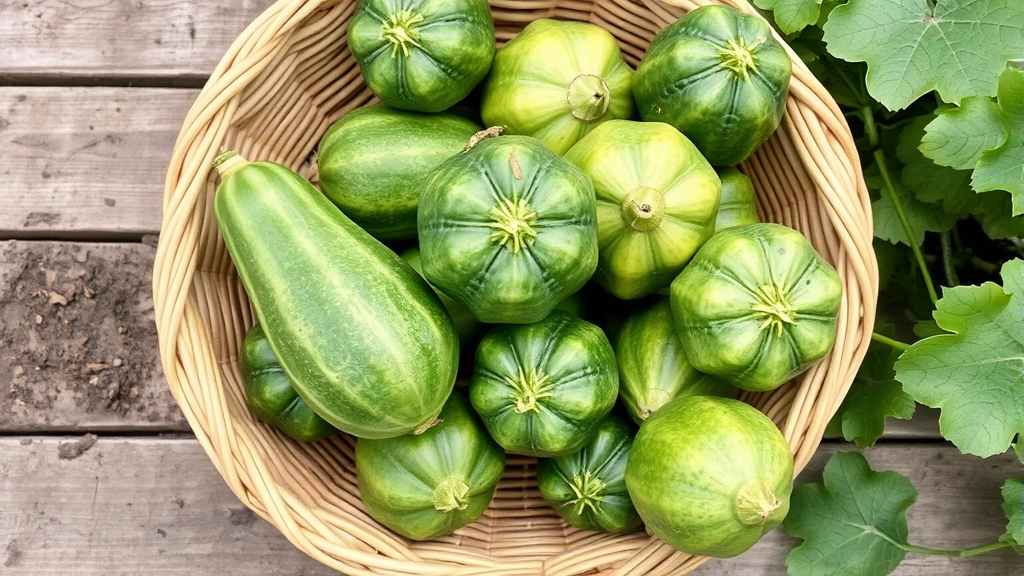
Bitter melon fruits are ready to harvest 60-70 days after planting, when they reach 6-8 inches long and the skin is still green with slight yellowing. Harvest regularly to encourage continued production—leaving mature fruits on the vine signals the plant to slow flowering. Use a sharp knife or pruning shears to cut fruits, leaving a short stem attached.
Young, tender fruits are less bitter than fully mature ones, so many gardeners prefer harvesting at the 6-inch stage. As fruits mature and turn yellow-orange, bitterness intensifies significantly. If you prefer milder bitter melon, harvest when fruits are still bright green and firm.
Store harvested bitter melon in the refrigerator for up to 2 weeks in a plastic bag or container. Fruits gradually yellow in storage; use them before this occurs for best flavor and texture. Bitter melon doesn’t freeze well fresh, though you can blanch and freeze pieces for cooking, accepting some texture loss.
Peak harvesting occurs mid to late summer through early fall in temperate regions. In tropical areas with year-round growing seasons, you can harvest continuously. A mature plant produces 10-20 fruits over the season, though optimal care and conditions can increase this significantly.
If you want to save seeds for next season, allow 2-3 fruits to fully mature on the vine until they turn orange-yellow and begin to split naturally. Collect seeds, clean thoroughly, and dry completely before storing in a cool, dark place. Seeds remain viable for 3-4 years.
Common Growing Problems
Poor flowering: Excessive nitrogen promotes foliage at the expense of flowers. Reduce nitrogen fertilizer and increase phosphorus and potassium. Ensure plants receive adequate sunlight and water consistently.
Flower drop: Temperature stress, inconsistent watering, or excessive heat causes flowers to drop without setting fruit. Maintain consistent moisture and provide afternoon shade in extremely hot climates. Ensure nighttime temperatures don’t drop below 60°F (15°C).
Slow growth: Insufficient light, cool temperatures, or poor soil fertility slow growth. Ensure plants receive 8+ hours of direct sun, maintain soil temperature above 70°F (21°C), and provide regular fertilization. Check for pests or diseases affecting plant vigor.
Yellow leaves: Can indicate nitrogen deficiency, overwatering, or disease. Check soil moisture—if dry, increase watering frequency. If consistently wet, improve drainage. Apply nitrogen fertilizer if soil test confirms deficiency. Remove diseased leaves promptly.
Small or misshapen fruits: Inconsistent watering, insufficient nutrients, or poor pollination causes fruit quality issues. Maintain consistent moisture, fertilize regularly, and ensure adequate bee activity for pollination. Hand-pollinate flowers using a small brush if pollinators are scarce.
Bitter melon sometimes produces fruits with lumpy or irregular texture. This is typically normal for the variety but can indicate inconsistent watering or nutrient stress. Maintain even moisture and adequate fertilization for more uniform fruit development.
FAQ
How long does it take to grow bitter melon from seed to harvest?
Bitter melon typically takes 60-90 days from planting to first harvest. Starting seeds indoors 6-8 weeks before transplanting allows you to begin harvesting earlier than direct seeding. Once plants begin producing, they continue yielding fruit throughout the season.
Can I grow bitter melon in containers?
Yes, bitter melon grows well in containers using quality potting soil. Use containers at least 5 gallons in capacity, preferably larger. Provide sturdy support for vining growth and ensure consistent watering, as containers dry out faster than garden soil. Container growing works especially well for gardeners in cooler climates who can move plants to protected locations if temperatures drop.
Is bitter melon self-pollinating?
Bitter melon produces separate male and female flowers. While the plant can self-pollinate, it relies heavily on pollinators like bees. If pollinator activity is low, hand-pollinate using a small brush to transfer pollen from male to female flowers, ensuring better fruit set.
Why is my bitter melon extremely bitter?
Fully mature, yellow-orange fruits are significantly more bitter than young green fruits. Harvest fruits when they’re 6-8 inches long and still green for milder flavor. Stress conditions like inconsistent watering or extreme heat also increase bitterness. Some varieties are naturally more bitter than others; try different cultivars to find your preference.
What’s the best variety for beginners?
‘Jade’ and ‘White’ bitter melon varieties are excellent for beginners, offering good production and slightly milder flavor than some Asian heirloom varieties. ‘Taiwan Long’ produces long, slender fruits ideal for Asian cuisine. Start with disease-resistant varieties if growing in humid climates.
Can I grow bitter melon year-round?
In USDA zones 9-11 with frost-free winters, bitter melon can grow year-round, though production slows during cooler months. In cooler climates, grow as a summer annual. In tropical regions, bitter melon thrives year-round but may need disease management during rainy seasons.
How often should I fertilize bitter melon?
Apply balanced fertilizer every 2-3 weeks during the growing season. Once flowering begins, switch to higher-potassium formulas to encourage fruiting. Organic gardeners can use compost tea or fish emulsion every 2 weeks. Reduce fertilizing frequency if excessive foliage develops with few flowers.