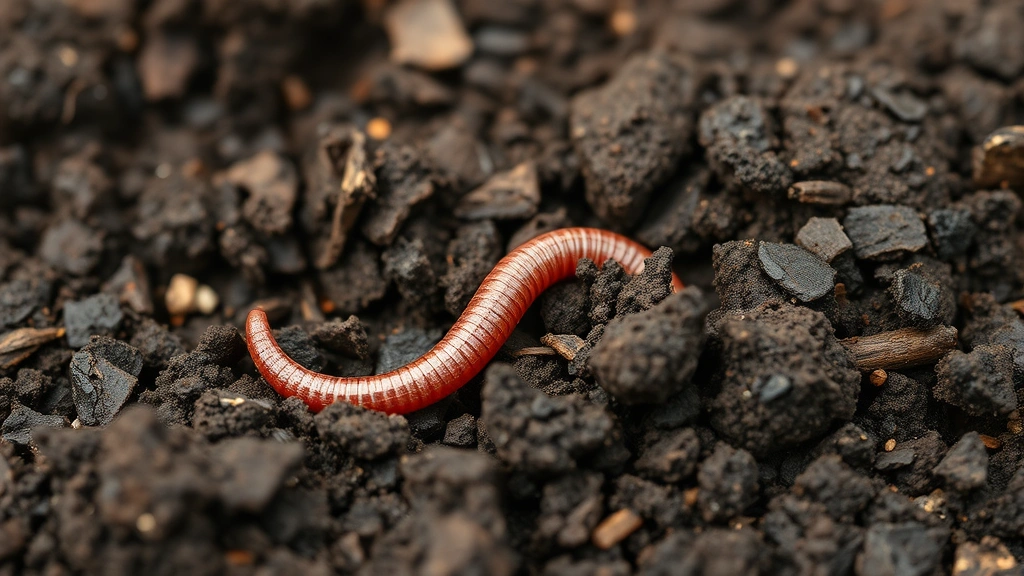
Choosing the best soil for a garden bed is one of the most critical decisions you’ll make as a gardener. The foundation of any thriving garden lies beneath the surface—in the soil itself. Whether you’re starting a flower garden, planning growing peas, or growing cucumbers in containers, understanding soil composition, drainage, and nutrient content will transform your gardening results.
The ideal garden bed soil isn’t one-size-fits-all. Different plants thrive in different soil conditions, and what works perfectly for acid-loving blueberries may fail for Mediterranean herbs. This comprehensive guide explores expert recommendations for selecting, amending, and maintaining the best soil for your specific gardening goals, ensuring your plants receive the foundation they need to flourish.
Understanding Soil Composition and Structure
Healthy garden soil is a living ecosystem teeming with microorganisms, minerals, and organic matter. The structure of your soil determines how water moves through it, how easily plant roots penetrate it, and how well nutrients remain available to your plants. Soil with good structure crumbles in your hand, doesn’t compact easily, and allows both water drainage and retention—a delicate balance that expert gardeners spend years perfecting.
The best soil for garden beds exhibits what experts call “soil aggregation,” where individual soil particles bind together into larger clusters. This structure creates pore spaces that allow air circulation and water movement while maintaining moisture for plant roots. Poor soil structure leads to compaction, waterlogging, or excessive drainage—both problematic scenarios that stress plants and invite disease.
Understanding your existing soil is the first step toward improvement. Native soil varies dramatically by region, influenced by geological history, parent rock material, and climate. Coastal areas often have sandy soils, while inland regions may have clay-heavy compositions. Rather than fighting against your native soil type, expert gardeners work with it, understanding its inherent properties and making strategic amendments.
The Three Essential Soil Components
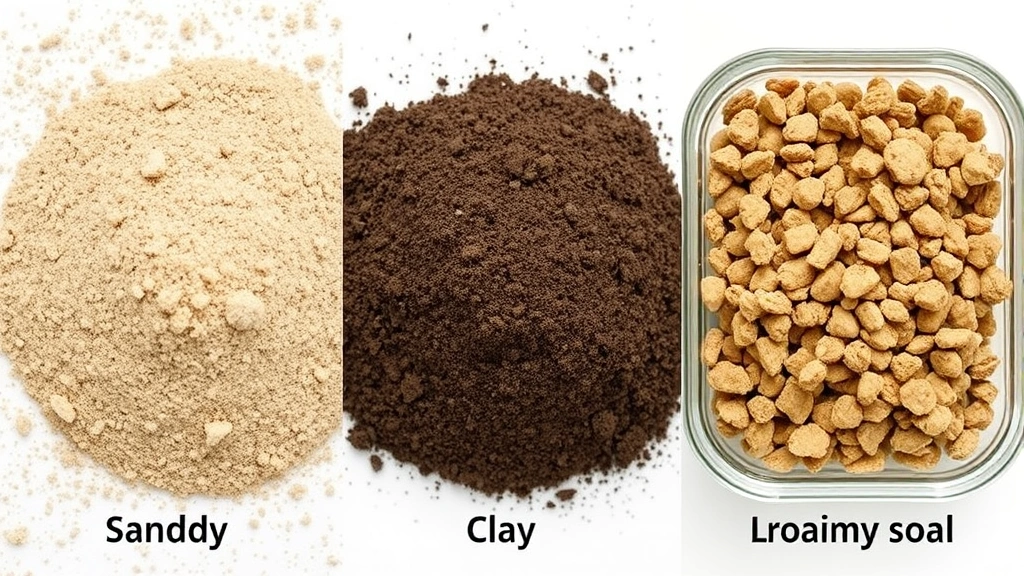
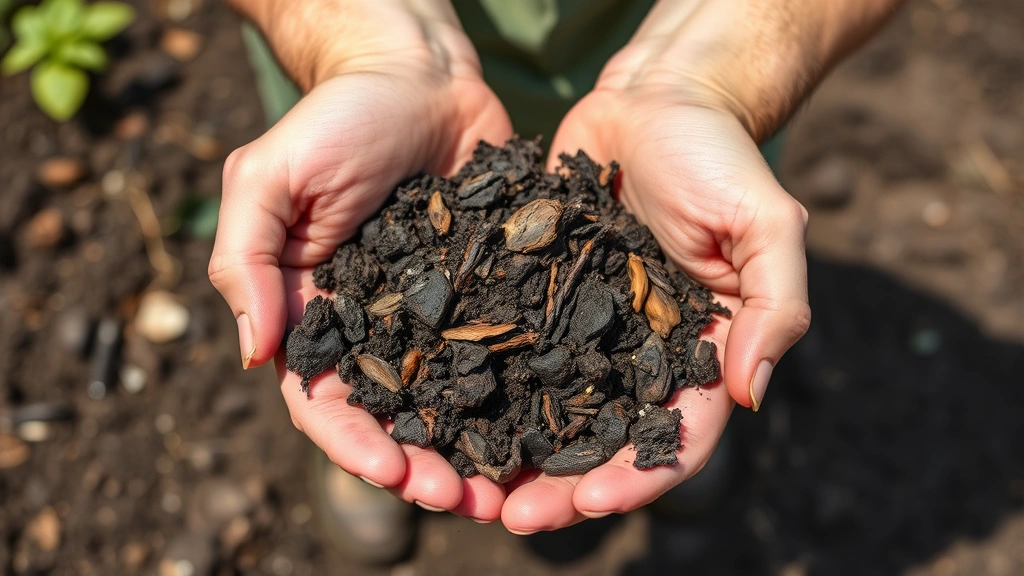
All garden soils contain three primary mineral particles: sand, silt, and clay. The proportion of these three components determines your soil’s texture and classification—critical knowledge for selecting the best soil for your garden bed.
Sand particles are the largest, ranging from 0.05 to 2 millimeters in diameter. Sandy soil drains quickly, warms rapidly in spring, and is easy to work with. However, it doesn’t retain moisture or nutrients well, requiring frequent watering and fertilization. Sandy soils are ideal for drought-tolerant plants and Mediterranean herbs but challenging for moisture-loving vegetables.
Silt particles are medium-sized, between 0.002 and 0.05 millimeters. Silty soil feels smooth and holds moisture better than sand while still draining reasonably well. It tends to be naturally fertile and is often considered ideal for general gardening. Many premium garden soils contain high silt content for these reasons.
Clay particles are the smallest, less than 0.002 millimeters in diameter. Clay soil holds water and nutrients exceptionally well but drains poorly and compacts easily. While clay soils are naturally fertile, they require careful management to prevent waterlogging and root rot. Working with clay requires patience and strategic amendments like compost and sand.
The ideal garden soil, according to Oregon State University Extension, contains approximately 40% sand, 40% silt, and 20% clay—a composition called “loam” that balances drainage, moisture retention, and workability. This ratio isn’t absolute; slight variations work well depending on your specific plants and local climate.
Soil pH and Its Impact on Plant Growth
Soil pH—the measure of acidity or alkalinity on a scale from 0 to 14—profoundly affects nutrient availability and plant health. Most vegetables and ornamental plants thrive in slightly acidic soil, between 6.0 and 7.0 pH. At this range, essential nutrients like nitrogen, phosphorus, potassium, and micronutrients remain available for plant uptake.
Acidic soils (below 6.0) suit blueberries, rhododendrons, azaleas, and other acid-loving plants but may limit nutrient availability for most vegetables. Alkaline soils (above 7.5) often cause iron and manganese deficiencies, creating yellowing leaves despite adequate fertilization. Understanding your soil’s natural pH helps you select appropriate plants or make informed amendments.
Gardeners can raise pH by adding lime and lower it by incorporating sulfur or acidifying amendments like coffee grounds in garden beds. However, pH changes take time—typically several months to a year—so test your soil well before planting and adjust gradually rather than making drastic corrections.
Best Soil Mixes for Different Garden Types
Different gardening scenarios require different soil approaches. Understanding which soil composition works best for your specific situation ensures better results and fewer problems.
In-ground vegetable gardens benefit from rich, well-amended native soil. Mix in 2-4 inches of finished compost annually to build organic matter and improve structure. This approach works with your existing soil rather than replacing it entirely, making it economical and sustainable.
Flower beds often require lighter, more friable soil than vegetable gardens. A mix of 60% native soil, 30% compost, and 10% coarse sand or perlite creates excellent drainage for ornamentals while maintaining fertility. Adjust ratios based on your native soil—sandy soils need less additional sand, while clay soils benefit from more amendment.
Container and potted plants need entirely different soil than in-ground beds. Potting mixes should drain quickly while retaining some moisture. Commercial potting mixes typically contain peat moss or coco coir, perlite, and compost—a blend specifically engineered for container conditions. Never use garden soil in containers; it compacts severely and causes root rot.
Herb gardens thrive in well-draining soil with moderate fertility. Mediterranean herbs like rosemary, thyme, and oregano prefer sandy, lean soils that prevent excessive vegetative growth. A mix of 50% coarse sand, 30% compost, and 20% topsoil works excellently for herb beds.
Raised Garden Bed Soil Specifications
When constructing a raised garden, you have the opportunity to create ideal soil from scratch—a significant advantage over amending existing soil. Expert gardeners typically use the “Mel’s Mix” formula or variations thereof, developed by Mel Bartholomew for Square Foot Gardening.
The traditional Mel’s Mix combines equal parts (one-third each) of compost, peat moss or coco coir, and coarse vermiculite or perlite. This creates exceptionally light, fluffy soil that drains well while retaining moisture—perfect for vegetable production. For a 4x8x12-inch raised bed, you’d need approximately 32 cubic feet of soil mix, roughly one cubic yard.
An alternative formula uses 40% finished compost, 40% topsoil, and 20% perlite or coarse sand. This approach is slightly less expensive while still providing excellent growing conditions. Some gardeners prefer adding 10% worm castings for enhanced microbial activity and nutrient density.
For larger-scale raised beds or when budget is a consideration, a simpler approach works well: 50% native soil (ideally topsoil), 40% compost, and 10% coarse amendments. This reduces cost significantly while still improving your native soil substantially. The key is including enough organic matter—never less than 30% of the final mix.
Amending Existing Garden Soil
Most gardeners work with existing soil rather than starting fresh. Strategic amendments can transform problematic soil into productive growing medium without complete replacement.
Compost is the gold standard amendment. Adding 2-4 inches of finished compost annually improves almost any soil type. Compost increases organic matter, improves structure, enhances water retention in sandy soils, improves drainage in clay soils, and feeds soil microorganisms. Over three to five years of consistent compost additions, even poor soil becomes excellent.
Aged manure provides both organic matter and nutrients. Horse, cattle, and chicken manure all work well when aged at least six months to one year. Fresh manure burns plants and contains weed seeds; always use aged material. Mix aged manure at 1-2 inches depth into existing soil, or use it as a top dressing that weathers in over the season.
Perlite and vermiculite improve drainage in clay-heavy soils. Perlite, made from volcanic glass, provides drainage without adding nutrients. Vermiculite holds moisture while still improving structure. Use 10-20% by volume in clay soils, mixing thoroughly into the top 6-8 inches.
Sand amendments require caution. Coarse sand improves clay soil, but fine sand actually worsens compaction. When using sand, ensure it’s labeled “coarse sand” or “builder’s sand,” and never use beach sand, which contains salt. Mix sand at 20-30% by volume into clay soils.
Lime and sulfur adjust pH. Agricultural lime raises pH gradually, while aluminum sulfate lowers it. Always test before applying—excessive lime causes nutrient lockup, while too much sulfur creates toxicity. Follow test recommendations carefully, applying amendments in fall for spring changes.
Seasonal Soil Maintenance
The best soil for garden beds requires ongoing maintenance throughout the growing season and year. Seasonal care keeps soil healthy, fertile, and structurally sound.
Spring preparation begins with assessing winter damage and adding amendments. Turn or loosen soil gently, incorporating winter mulch and any amendments determined by fall testing. Avoid working wet soil—it compacts irreversibly. Wait until soil crumbles in your hand before tilling or digging.
Summer maintenance focuses on moisture and organic matter. Apply 2-3 inches of mulch to suppress weeds, regulate soil temperature, and slowly add organic matter as it decomposes. Water deeply and less frequently to encourage deep root growth. Monitor for compaction in high-traffic areas and gently aerate if needed.
Fall amendments take advantage of the off-season. Add compost, aged manure, or cover crops to enrich soil over winter. Fall is ideal for lime application, giving it months to adjust pH before spring planting. Test soil in fall for spring adjustments.
Winter protection prevents erosion and nutrient loss. Maintain mulch coverage, plant cover crops, or leave plant residues to protect soil structure. In cold climates, winter freezing and thawing actually improves soil structure—a natural benefit of seasonal cycles.
Testing Your Garden Soil
Professional soil testing provides invaluable information for making targeted amendments. Rather than guessing, testing reveals exact nutrient levels, pH, organic matter percentage, and texture—all critical data for optimizing your garden.
USDA Natural Resources Conservation Service offers soil testing through local extension offices. Most tests cost $15-40 and include recommendations specific to your region and intended plants. Results arrive within 1-2 weeks, providing a roadmap for amendments.
Home test kits are available but less reliable than professional testing. They provide general information about pH and major nutrients but lack the precision of laboratory analysis. For serious gardeners investing in permanent beds, professional testing is worth the modest cost.
Test soil every 2-3 years in established gardens, or annually when first developing new beds. Spring and fall are ideal testing times, allowing results to guide seasonal amendments. Always follow test recommendations rather than applying arbitrary amounts of amendments.
Beyond chemical testing, sensory evaluation provides useful information. The “ribbon test” determines texture—squeeze moist soil and see how far you can extend it without breaking. Sandy soil breaks immediately, clay extends far, and loam breaks at moderate length. The “jar test” separates particles—fill a jar with soil, water, and dish soap, shake vigorously, and observe settling. Sand settles first, silt second, clay last, revealing your soil’s composition visually.
FAQ
What’s the difference between garden soil and potting soil?
Garden soil is designed for in-ground beds and contains native soil components with amendments. It’s heavier and compacts over time. Potting soil is engineered for containers, using lightweight components like peat moss, coco coir, and perlite that drain quickly and don’t compact. Never use garden soil in pots—it causes waterlogging and root rot. Conversely, potting soil is too expensive and drains too quickly for in-ground beds.
How often should I add compost to my garden beds?
Add 2-4 inches of finished compost annually to maintain soil health. This replenishes organic matter lost to decomposition and continues improving soil structure. In very poor soils, increase to 4-6 inches annually for the first 3-5 years, then maintain at 2-3 inches. Established gardens with good soil can sometimes reduce to 1-2 inches if other organic matter sources (mulch, cover crops) supplement compost.
Can I use topsoil from a hardware store?
Bagged topsoil varies dramatically in quality. Some contains excellent loamy soil with high organic matter, while others are basically excavated subsoil with minimal nutrients. When purchasing bagged topsoil, buy from reputable suppliers and ask about composition. Better yet, purchase compost and mix it with existing soil rather than relying entirely on bagged topsoil. For raised garden bed construction, purchase soil from landscape suppliers rather than hardware stores—quality and value are typically superior.
Is my clay soil hopeless for gardening?
Not at all! Clay soils are naturally fertile and hold nutrients well. The challenge is structure and drainage, both improvable through amendments. Add 3-4 inches of compost annually, work in coarse sand at 20-30% by volume, and incorporate organic matter consistently. After 2-3 years of dedicated amendment, even heavy clay becomes workable and productive. Never till clay when wet—this destroys structure irreversibly. Always wait until soil crumbles in your hand.
Should I replace my entire garden soil or amend existing soil?
Amending existing soil is almost always preferable to complete replacement. It’s more economical, environmentally responsible, and builds soil health gradually and sustainably. Complete replacement is justified only in severely contaminated soil (lead, industrial pollutants) or when dealing with persistent soil-borne diseases. For typical gardening challenges, strategic amendments over multiple seasons create better results than quick fixes.
What’s the best time to test garden soil?
Fall and spring are ideal testing times. Fall testing allows amendments to work over winter before spring planting. Spring testing informs summer maintenance and adjustment. Avoid testing immediately after heavy rain or irrigation when soil moisture is excessive. Test when soil is moist but not waterlogged—ideally a few days after rain. Consistent testing schedules (annually or every 2-3 years) track soil improvement over time.


