
Beijing Garden Design: Expert Landscape Advice for Harmonious Outdoor Spaces
Beijing garden design represents one of the world’s most refined and philosophically grounded landscape traditions, combining aesthetic principles refined over thousands of years with practical solutions for the region’s challenging climate. Whether you’re redesigning a small urban balcony or planning a comprehensive backyard transformation, understanding Beijing garden principles can elevate your outdoor space into a serene sanctuary that balances nature, architecture, and human experience.
The essence of Beijing garden design lies in its careful attention to balance, proportion, and the integration of water features, rock formations, and carefully selected plantings. This ancient tradition, deeply influenced by Taoist and Buddhist philosophy, emphasizes creating spaces that feel larger than they are while maintaining intimate areas for reflection and gathering. Modern gardeners worldwide are increasingly adopting these principles to create more meaningful outdoor environments.
In this comprehensive guide, we’ll explore the fundamental principles of Beijing garden design and show you how to apply them to your own landscape, regardless of your climate zone or available space.
Core Principles of Beijing Garden Design
Beijing garden design philosophy rests on several foundational principles that distinguish it from Western landscape approaches. The concept of “borrowed scenery” (jie jing) encourages designers to frame external views and incorporate distant landscapes into the garden composition. This technique makes spaces feel expansive and connected to their surroundings, a particularly valuable strategy when working with limited square footage.
The principle of asymmetry and irregularity creates visual interest and a sense of natural spontaneity. Unlike formal European gardens with their rigid symmetry, Beijing gardens embrace curves, unexpected angles, and varied heights. This approach feels less artificial and more aligned with how nature actually arranges itself.
Balance between open and enclosed spaces forms another critical element. Designers strategically use walls, pavilions, and plantings to create secluded areas while maintaining sightlines that prevent the garden from feeling cramped. This interplay between revelation and concealment encourages exploration and discovery.
The five essential elements—stone, water, plants, architecture, and sky—must work together harmoniously. Each element serves functional and aesthetic purposes. When planning your garden decor and layout, consider how each component contributes to the overall composition rather than treating elements as independent features.
Symbolism and meaning permeate Beijing garden design. Specific plants, rocks, and arrangements carry cultural significance. For example, bamboo represents integrity and resilience, while plum blossoms symbolize perseverance. Understanding these meanings allows you to create gardens with deeper personal resonance.
Water Features and Their Significance
Water represents life, movement, and the flow of energy (chi) through the garden. In Beijing garden design, water features function both aesthetically and philosophically, serving as focal points while creating the soothing sounds and reflections that characterize these spaces.
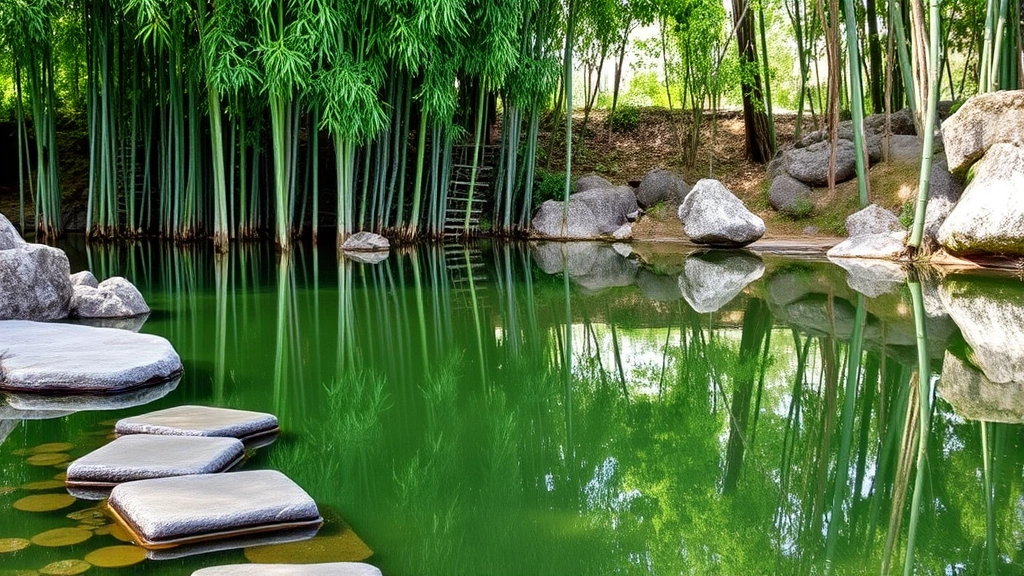
Still water in ponds or basins creates mirror-like surfaces that reflect sky, plants, and structures, effectively doubling the visual impact of your garden. These features should be positioned where they’re visible from primary viewing areas, such as windows, seating zones, or pathways. The shape matters too—irregular, asymmetrical edges feel more natural than geometric forms.
Moving water through streams, fountains, or cascades adds dynamic energy and auditory interest. The sound of water creates a meditative atmosphere while masking unwanted urban noise. In Beijing gardens, water features typically flow from higher to lower elevations, creating a sense of natural progression through the landscape.
When incorporating water features, consider maintenance requirements and climate factors. If you’re in a cold climate, ensure features can handle freezing temperatures or plan for seasonal drainage. For smaller spaces, container water features provide the visual and auditory benefits without requiring extensive construction.
Koi ponds and fish tanks add living elements and movement to water features. Fish create dynamic visual interest as they navigate the water, and their presence encourages visitors to pause and observe. However, maintaining healthy aquatic ecosystems requires proper filtration, aeration, and regular care.
Rock Formations and Stone Elements
Rocks hold profound significance in Beijing garden design, representing mountains, permanence, and the earth’s solid foundation. Rather than functioning as mere decorative elements, carefully positioned stones create visual anchors, define spaces, and establish the garden’s fundamental character.
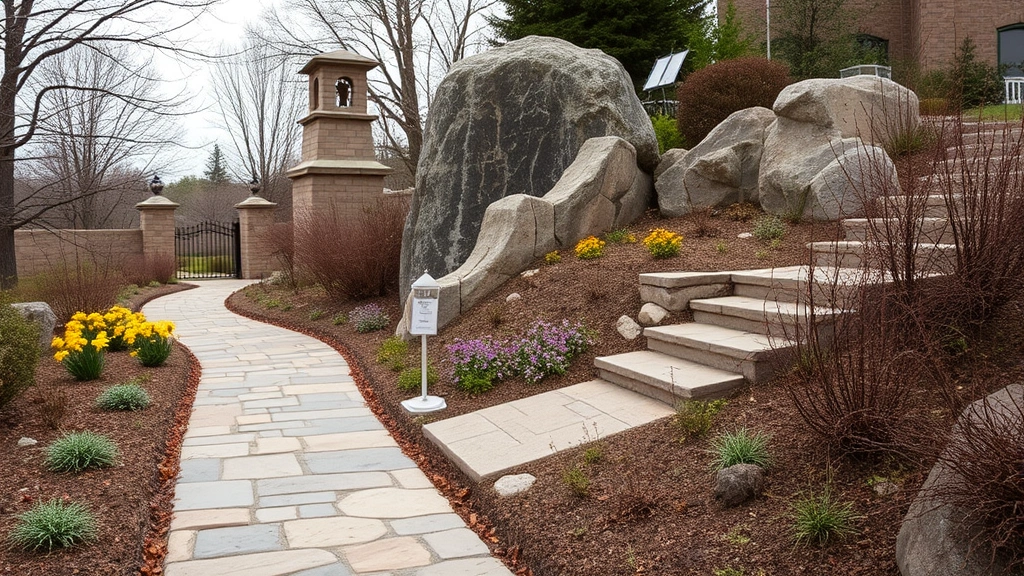
Scholar’s rocks (gongshi) are prized for their unusual shapes, weathered surfaces, and interesting holes or cavities. These distinctive formations serve as focal points and conversation pieces. When selecting rocks for your garden, look for pieces with character—weathered surfaces, interesting textures, and unusual proportions create more visual interest than uniform, smooth stones.
Stone pathways and stepping stones guide movement through the garden while creating visual lines that organize space. Rather than straight paths, Beijing gardens typically feature winding routes that encourage slow, contemplative walking. The spacing between stepping stones should accommodate a natural walking stride, creating a comfortable rhythm.
Gravel and pebbles serve multiple functions—they provide visual texture, allow water drainage, suppress weeds, and create the distinctive sound of footsteps. Raking gravel into patterns, as seen in Zen gardens influenced by Beijing principles, adds meditative visual interest. Light-colored gravel also reflects sunlight, brightening shaded areas.
Stone benches, tables, and sculptural elements provide gathering spots and artistic focal points. These pieces should feel integrated into the landscape rather than placed awkwardly. Position seating where it captures attractive views, receives appropriate sun or shade, and provides shelter from wind.
When sourcing stones, consider local geology. Using native stone creates visual harmony with the surrounding landscape and typically costs less than importing exotic materials. Work with landscape suppliers who can help you select appropriately sized pieces for your space.
Plant Selection and Arrangement
Plants in Beijing gardens aren’t chosen randomly—each selection serves aesthetic, symbolic, and practical purposes. The traditional preference emphasizes foliage over flowers, valuing plants for their form, texture, and seasonal interest throughout the year.
Bamboo appears prominently in Beijing gardens for its elegant upright form, rustling leaves, and symbolic meaning. Even in colder climates, cold-hardy bamboo varieties thrive, providing year-round structure and movement. Bamboo screens create privacy while allowing filtered views and light penetration.
Deciduous trees like crabapples, flowering cherries, and magnolias provide seasonal interest with blooms in spring and attractive branching patterns in winter. Their high canopies create shade while allowing sightlines underneath, maintaining the sense of space. When selecting trees, consider their mature size and growth habits to ensure they won’t overwhelm your garden.
Evergreen shrubs such as boxwood, privet, and holly provide year-round structure and can be pruned into architectural forms. These plants create visual continuity across seasons and serve as backdrops for more showy seasonal bloomers.
Flowering plants should be strategically placed to create seasonal focal points rather than scattered throughout. Grouping plants with similar bloom times creates more dramatic impact than spacing them individually. Consider incorporating flower garden principles to maximize color impact during peak seasons.
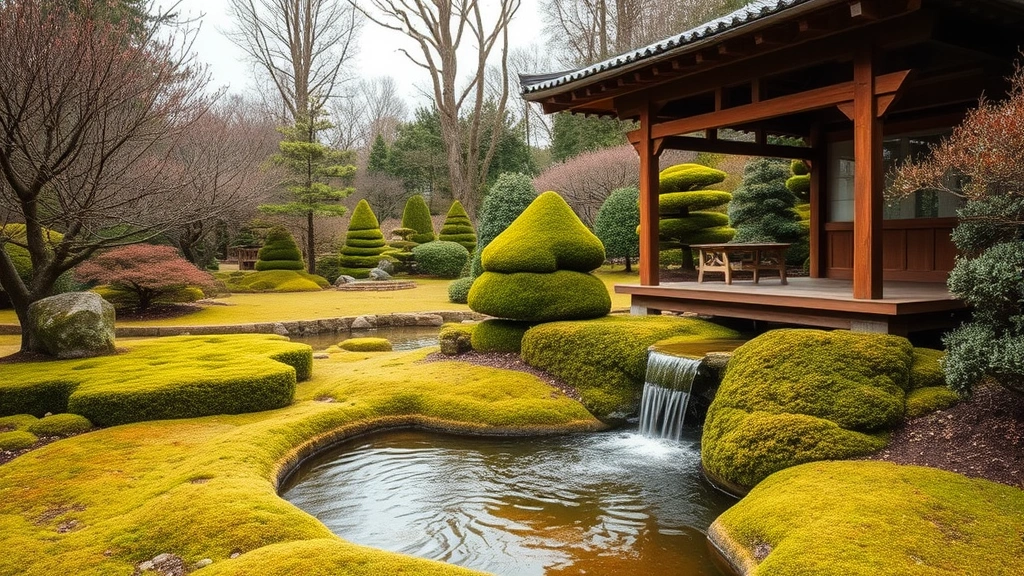
Groundcovers and moss soften hardscape edges and create the impression of age and natural establishment. Moss particularly appeals to Beijing garden aesthetics, thriving in shaded, moist areas and suggesting a garden that has matured over time. Japanese forest grass, liriope, and creeping thyme work well in various climates.
When arranging plants, follow the principle of layering heights—tall plants in back, medium in middle, and low plants in front creates depth and visual interest. Vary plant forms too: combine upright, rounded, weeping, and spreading forms to avoid monotony. Group plants in odd numbers (three, five, seven) rather than even quantities for a more natural appearance.
Architectural Elements and Structures
Buildings and structures in Beijing gardens serve as frames for views, provide shelter, and create gathering spaces. These elements should feel purposeful and integrated rather than imposed upon the landscape.
Pavilions and gazebos offer viewing platforms and gathering spaces. These structures should be positioned to capture attractive vistas—traditionally facing water features or framed by plantings. Open-sided designs maintain visual connections throughout the garden while providing weather protection. When building or selecting a pavilion, ensure it’s appropriately scaled to your space; an oversized structure will dominate and overwhelm a small garden.
Walls and screens define space, create privacy, and frame views. Rather than solid barriers, lattice screens and partially open designs maintain visual connections while suggesting separation. Walls can be constructed from stone, brick, or wood, and living walls covered with climbing vines add softness and integrate the structure into the landscape.
Bridges, even small ones, serve symbolic and practical purposes. They represent transitions between different areas and create distinctive focal points. A simple arched bridge over a stream or pond becomes a meditation point and gathering place. For smaller spaces, stepping stone bridges provide similar benefits without requiring extensive construction.
Corridors and covered walkways create protected passage through the garden while framing views. These transitional spaces can be partially open or fully enclosed with lattice, creating varied light and shadow patterns. The rhythm of posts, beams, and roof lines guides movement and organizes space.
Gates and entrances mark transitions and control sightlines. Rather than obvious entry points, Beijing gardens often feature hidden or partially concealed gates that create anticipation and surprise. An attractive gate draws visitors forward while suggesting that something worth discovering lies beyond.
When incorporating architectural elements, prioritize quality materials and craftsmanship. Well-constructed pieces age gracefully and integrate beautifully into the landscape, while poorly made structures look temporary and diminish the overall design. Consider hiring experienced builders familiar with these design traditions.
Creating Harmony in Small Spaces
Many modern gardeners work with limited space—urban balconies, small yards, or apartment courtyards. Beijing garden principles prove particularly valuable in these situations, offering proven techniques for making small areas feel expansive and complete.
Vertical gardening maximizes limited ground area. Climbing vines on walls, hanging planters, and tiered plantings draw eyes upward, creating a sense of height. Wall-mounted water features and trellises add interest without consuming floor space. Even on a small balcony, you can create a multi-dimensional garden experience through thoughtful vertical design.
Mirrors and reflective surfaces create the illusion of expanded space. Strategically positioned mirrors bounce light around and suggest additional garden areas beyond what actually exists. Reflective water surfaces serve the same purpose while providing the meditative quality water brings to gardens.
Color and light manipulation affects perceived space. Lighter colors appear to recede, making spaces feel larger, while darker tones advance. Strategic lighting extends usable garden hours and highlights architectural features and plantings. Uplighting trees creates dramatic shadow patterns, while path lighting guides movement and provides safety.
Focal points and framing organize space and guide attention. A striking plant, sculpture, or architectural element draws the eye and anchors the composition. Frame focal points with plantings or architectural elements to emphasize their importance. This technique works equally well in large estates and small courtyards.
For container gardening in limited spaces, growing vegetables in pots and herbs in containers combines functionality with beauty. Tiered container arrangements create visual interest while maximizing productivity. Even easy to grow vegetables for beginners can thrive in container gardens when provided with proper soil, drainage, and sunlight.
Seasonal Considerations for Beijing Climate
Beijing experiences distinct seasons with cold, dry winters and hot, humid summers. Understanding the climate’s characteristics helps you select appropriate plants and plan garden features that function well year-round.
Winter hardiness is essential. Select plants rated for zones appropriate to your location. Cold-hardy bamboo varieties, evergreen shrubs, and deciduous trees with attractive branching patterns maintain garden interest during dormant seasons. Winter-blooming plants like wintersweet and winter jasmine provide welcome color when little else is growing.
Summer heat management becomes critical. Provide shade through trees, pergolas, and structures where people gather. Deciduous trees offer summer cooling while allowing winter sun penetration. Grouping plants to create microclimates—shaded areas for heat-sensitive species, sunny spots for sun-lovers—ensures healthy growth across seasons.
Water management shifts seasonally. Summer requires more frequent watering due to heat and evaporation, while winter precipitation may provide sufficient moisture. Ensure proper drainage in all seasons to prevent waterlogging and root rot. Mulching conserves summer moisture and protects roots in winter.
Spring renewal brings growth and blooming. Plan for early bulbs, flowering trees, and emerging perennials to provide seasonal interest. Prune winter-damaged branches and refresh mulch as growth accelerates.
Fall transitions offer opportunities for color through foliage changes. Select trees and shrubs with attractive autumn coloring. This season also provides ideal conditions for planting—cool temperatures and adequate moisture support root establishment.
Practical Implementation Guide
Step 1: Assess Your Space
Begin by understanding your site’s characteristics—sun exposure throughout the day, existing vegetation, soil conditions, and drainage patterns. Map these features to inform plant placement and feature positioning. Identify views worth framing and areas that need screening or emphasis.
Step 2: Define Your Purpose
Determine how you’ll use the garden. Will it be primarily a viewing space, a gathering area, a food production zone, or a combination? Beijing garden principles accommodate all these functions, but clarity about priorities guides design decisions.
Step 3: Sketch a Preliminary Design
Create a rough layout showing major elements—water features, pathways, seating areas, plantings, and structures. Use pencil sketches or digital tools; the goal is exploring relationships between elements, not producing final renderings. Experiment with different arrangements before committing to construction.
Step 4: Source Materials and Plants
Research local suppliers for stone, plants, and construction materials. Using regional materials reduces costs and creates visual harmony with the landscape. Build relationships with nurseries and landscape suppliers who understand your climate and can recommend appropriate selections.
Step 5: Implement Gradually
Rather than completing the entire garden at once, implement projects in phases. This approach allows you to adjust designs based on how elements function in practice, spread costs over time, and ensure quality craftsmanship. Start with foundational elements—water features, major plantings, and primary structures—then add refinements.
Step 6: Maintain and Adjust
Gardens evolve over time as plants mature and grow. Plan for regular maintenance—pruning, weeding, seasonal cleanup—that keeps the garden functioning as intended. Don’t hesitate to remove plantings that underperform or relocate elements that don’t work as anticipated. The best gardens develop through ongoing refinement.
Step 7: Study Inspirational Examples
Visit established gardens that incorporate Beijing design principles. Many botanical gardens and Asian art museums feature these gardens or have excellent documentation. Studying how principles manifest in mature gardens provides invaluable inspiration and practical insights.
FAQ
Can I create a Beijing-style garden in a cold climate?
Absolutely. While traditional Beijing gardens feature specific plants suited to that region, the design principles translate universally. Select cold-hardy alternatives—hardy bamboo varieties, native deciduous trees, and evergreens appropriate to your zone. The fundamental concepts of balance, water integration, rock placement, and spatial organization work regardless of climate.
How much space do I need for a proper Beijing garden?
Beijing garden principles scale beautifully to any size. Even a small balcony can embody the philosophy through container plantings, a small water feature, and carefully selected focal points. The key is intentional design and thoughtful spatial organization rather than absolute square footage.
What’s the best time to start a Beijing garden?
Spring and fall offer ideal conditions for planting and construction—temperatures are moderate, moisture is typically adequate, and plants establish well. However, you can implement projects year-round. Winter is excellent for structural work and planning, while summer suits maintenance tasks.
Do I need professional help to design a Beijing garden?
Many gardeners successfully create Beijing-inspired landscapes independently by studying design principles and visiting existing gardens. However, landscape architects familiar with these traditions can provide valuable expertise, especially for complex projects involving water features or extensive construction.
How do I maintain a Beijing garden?
Maintenance depends on your garden’s complexity. Basic tasks include seasonal pruning, weeding, mulch refreshing, and water feature cleaning. Structural elements like walls and pavilions require periodic inspection and maintenance. Regular attention keeps the garden healthy and beautiful without requiring excessive time investment.
Where can I learn more about Beijing garden design?
Excellent resources include botanical garden collections that feature Asian gardens, books on Chinese garden design philosophy, and university extension services that offer landscape design courses. Organizations like American Horticultural Society provide resources and programs. The USDA offers plant hardiness zone information essential for selecting appropriate species.