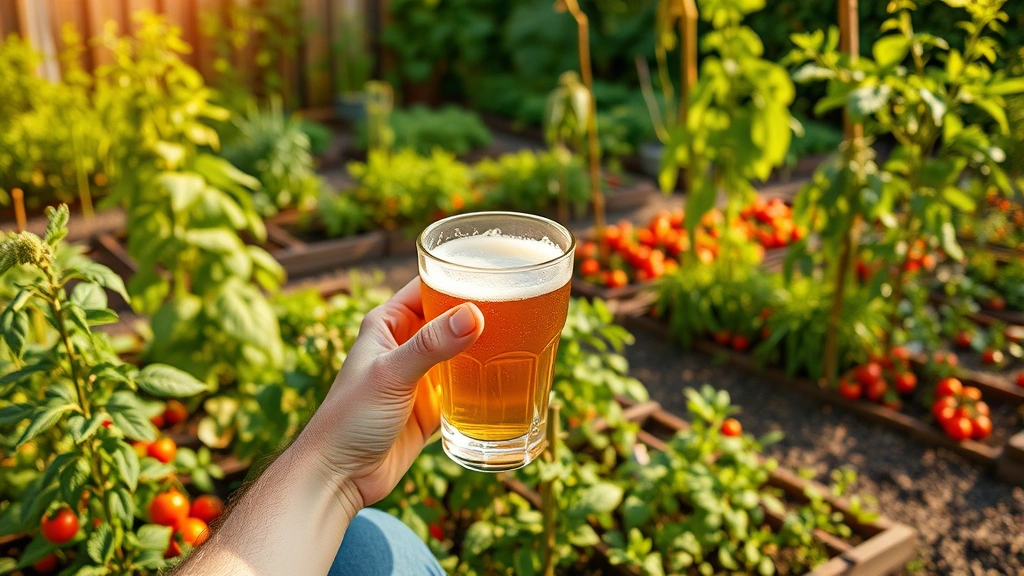
Best Beers for the Garden? Brewer’s Picks for Outdoor Enjoyment
There’s something uniquely satisfying about enjoying a cold beer while tending to your garden or relaxing in your outdoor space. Whether you’re taking a break from planting easy vegetables for beginners or admiring your native plants, selecting the right beer can enhance your garden experience. This guide explores the best beer styles and selections that complement garden environments, from refreshing wheat beers to crisp lagers that pair perfectly with outdoor gardening pursuits.
As gardeners spend increasing amounts of time in their outdoor spaces, many are discovering that certain beer styles naturally complement the gardening lifestyle. The ritual of working in soil, nurturing plants, and eventually harvesting the fruits of your labor deserves a proper beverage pairing. We’ll explore brewing traditions, regional selections, and what makes certain beers ideal for garden enjoyment throughout different seasons.
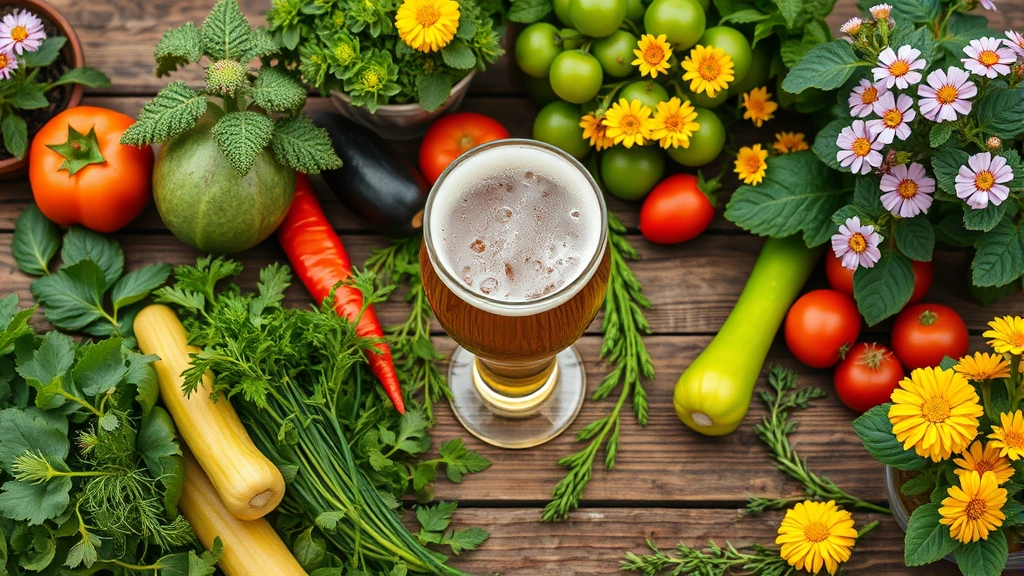
Why Beer and Gardening Go Together
The connection between beer and gardening runs deeper than casual preference. Historically, brewers and farmers have maintained close relationships, with hops being one of agriculture’s most celebrated crops. Many craft breweries source ingredients from regional farms, creating a direct link between brewing and agricultural communities. When you enjoy a beer in your garden, you’re participating in a tradition that honors both craftsmanship and cultivation.
Gardening is physically demanding work that often spans several hours. Taking strategic breaks with a refreshing beverage helps you maintain hydration awareness and provides moments to reflect on your progress. The ritual of settling into a garden chair with a cold beer creates a natural pause point—ideal for assessing plant growth, planning next season’s layout, or simply enjoying the fruits of your labor.
Temperature regulation matters too. Working in warm weather while tending to container gardens or maintaining landscape beds generates body heat. A properly chilled beer provides genuine refreshment, making the garden experience more enjoyable and encouraging you to spend extended time in your outdoor space.

Light and Crisp Lagers for Spring
Spring brings renewed energy to gardens and gardeners alike. As temperatures warm and plants emerge from dormancy, light lagers offer the perfect companion beverage. These beers typically feature clean, straightforward flavor profiles with minimal bitterness—ideal when your palate hasn’t yet adjusted to warmer weather.
German-style pilsners represent an excellent choice for spring gardening. Their crisp, slightly sweet character and moderate alcohol content (around 4.5-5%) provide refreshment without heaviness. Czech pilsners offer even more delicate profiles, with herbal hop notes that complement the fresh green scents of emerging foliage and new growth.
Pale lagers and blonde ales work wonderfully during spring’s unpredictable weather. When you’re making a rain garden or preparing beds for the season, these beers won’t weigh you down if you need to return to active work. Their lower alcohol content and refreshing carbonation make them ideal for longer gardening sessions during mild spring days.
Consider seeking out local breweries that specialize in traditional lager styles. Many craft breweries have embraced lager production, offering seasonal spring releases that showcase regional water profiles and local ingredients. These beers often tell stories about their brewing communities and can deepen your appreciation for local agriculture.
Wheat Beers Perfect for Summer Gardens
Summer heat demands beers with specific characteristics: higher carbonation for refreshment, lower alcohol content for sustained enjoyment, and flavor profiles that don’t clash with outdoor aromas. Wheat beers excel in these categories, making them summer garden favorites.
German hefeweizens offer cloudy, full-bodied experiences with subtle banana and clove notes from their yeast. These beers pair beautifully with the sensory experience of summer gardening—the earthy smell of mulch, the sweetness of ripening fruit, and the herbaceous notes from thriving plants. Hefeweizens’ natural haze actually provides visual interest that complements garden aesthetics.
Belgian witbiers present another excellent option, often featuring coriander and orange peel additions that create bright, refreshing profiles. Their spiced character doesn’t compete with garden scents but rather adds another layer to your outdoor experience. Witbiers typically hover around 5% alcohol, making them sustainable choices for extended gardening sessions.
American wheat ales offer a domestic alternative, often brewed with local grains and featuring cleaner yeast profiles than their European counterparts. Many craft breweries create summer-specific wheat beers that showcase seasonal ingredients and limited-time releases. Supporting these breweries creates community connections similar to those you build through native plant gardening initiatives.
The key to summer beer enjoyment is proper temperature control. Invest in quality insulated coolers or garden beverage stations that keep your selections at optimal drinking temperature (typically 45-55°F for wheat beers). This ensures maximum refreshment and flavor expression throughout your gardening day.
Hoppy IPAs for Active Gardeners
India Pale Ales have become synonymous with craft beer culture, and their bold character appeals to gardeners seeking more assertive flavor experiences. The aromatic qualities of hops—piney, citrus, floral—can actually complement garden environments in unexpected ways.
West Coast-style IPAs feature prominent pine and grapefruit notes from traditional hops like Cascade and Centennial. These beers work particularly well when you’re engaged in active work—harvesting vegetables, pruning shrubs, or constructing new garden features. The bold bitterness provides palate stimulation that refreshes between work intervals.
New England IPAs have gained tremendous popularity for their hazy appearance, juicy flavor profiles, and lower bitterness levels compared to West Coast versions. These beers showcase tropical and stone fruit notes that pair surprisingly well with garden settings, especially when you’re enjoying the fruits of your harvest.
Single-hop IPAs merit special attention from gardening enthusiasts. These beers isolate individual hop varieties, allowing you to explore the full spectrum of flavors that hops—themselves agricultural products—can provide. Many breweries create educational materials about their hop sources, connecting you to the farms and farmers growing these essential ingredients.
Alcohol content in IPAs typically ranges from 6-8%, making them suitable for shorter, more intense gardening sessions rather than all-day efforts. Their bold profiles also make them excellent choices for evening relaxation after completing major garden projects.
Seasonal Ales for Fall Harvesting
Autumn transforms gardens and demands different beverage selections. As temperatures cool and harvests peak, seasonal ales capture the essence of fall while supporting the final push of the gardening season.
Amber ales offer warm, caramel-forward profiles with moderate hop character that doesn’t overwhelm. These beers feel substantial in your hand and provide genuine warming as temperatures drop. Their 5-6% alcohol content provides slightly more body than spring selections, matching the season’s heavier agricultural work.
Pumpkin ales, when crafted well, celebrate autumn’s iconic harvest crop. Quality versions feature subtle spice notes—cinnamon, nutmeg, clove—that evoke the season without overwhelming your palate or garden experience. Look for breweries that use actual pumpkin puree rather than relying solely on spice additions, creating more authentic seasonal expressions.
Brown ales present another excellent fall option, with nutty, chocolate-tinged flavors that complement harvest activities. English brown ales offer traditional character, while American brown ales often incorporate additional hops for complexity. Both styles work wonderfully during crisp fall evenings when you’re harvesting the last vegetables or preparing beds for winter dormancy.
Oktoberfest-style lagers, despite their traditional timing, often extend into fall months through seasonal releases. These beers celebrate harvest traditions with their malty sweetness and moderate strength (around 5.5-6%), making them perfect for celebrating successful gardening seasons.
Darker Brews for Winter Garden Planning
Winter gardening looks different than other seasons, but opportunities for enjoyment remain. As you plan next year’s layout, maintain winter structures, or manage cold-season crops, darker beers provide warming companionship.
Stouts and porters offer rich, complex profiles with coffee, chocolate, and roasted grain notes. These beers feel substantial and warming, perfect for sipping while reviewing garden journals or sketching plans for spring expansion. Their 6-8% alcohol content provides genuine warmth without excessive intoxication.
Imperial stouts represent the ultimate winter indulgence, with intense flavors and higher alcohol content (8-12%) that demand slower, more contemplative enjoyment. These beers pair perfectly with winter garden reflection—reviewing what succeeded, analyzing what needs adjustment, and dreaming about next season’s possibilities.
Scottish ales offer another winter option, with sweet, malty profiles that feel comforting during cold months. Their lower alcohol content (4-6%) makes them suitable for extended evening enjoyment on the porch or in a garden shelter while planning next season’s vegetable selections.
Barleywines, despite their name, are beers with exceptional complexity and alcohol content (8-15%). These are sipping beers for special occasions—perhaps celebrating a particularly successful growing season or marking milestones in your gardening journey.
Local Craft Breweries and Garden Communities
Supporting local craft breweries creates natural community connections similar to those found in gardening groups. Many breweries actively engage with agricultural communities, sourcing ingredients from regional farms and supporting food-focused initiatives.
Seek out breweries that feature local ingredients in their seasonal offerings. Some craft breweries partner with farmers to grow experimental hop varieties or incorporate locally-grown fruits into limited releases. These collaborations celebrate the agricultural heritage that connects brewing and gardening communities.
Many craft breweries host events that appeal to gardening enthusiasts—farm tours, harvest celebrations, and educational sessions about ingredient sourcing. Attending these events deepens your understanding of where your beer comes from, much like knowing the origins of seeds you plant in your garden.
Consider exploring breweries near botanical gardens or horticultural centers. Several regions feature breweries adjacent to or partnered with major gardening institutions, creating natural gathering points for beer and plant enthusiasts. These locations often offer unique perspectives on the agricultural connections between brewing and gardening.
Homebrewing communities frequently overlap with gardening groups. If you’re interested in growing hops—a rewarding perennial that produces annual harvests—connecting with local homebrewers provides invaluable knowledge about cultivation, harvesting, and processing. This creates a complete cycle from garden to glass.
Responsible Enjoyment While Gardening
While beer and gardening complement each other, responsible consumption remains essential. Never drink and operate powered garden tools like mowers, tillers, or chainsaws. Alcohol impairs judgment and coordination, creating serious safety risks with dangerous equipment.
Stay hydrated with water as your primary beverage during gardening. Beer should represent a supplementary refreshment during breaks, not your primary fluid intake. Dehydration combined with alcohol consumption accelerates fatigue and reduces your ability to work safely.
Be mindful of alcohol content when gardening in warm weather. Lower alcohol beers (under 5%) are preferable during active work sessions. Reserve higher-alcohol selections for evening relaxation after your gardening tasks conclude.
Consider your physical condition and gardening intensity when consuming alcohol. Strenuous activities like digging, hauling materials, or climbing ladders demand full coordination and focus. Save beer enjoyment for lighter tasks or post-work relaxation.
If you’re hosting garden gatherings or garden parties, provide non-alcoholic alternatives and ensure guests have safe transportation options. Creating inclusive garden events means accommodating various preferences and situations.
FAQ
What’s the best beer to drink while actively gardening?
Light lagers, wheat beers, and pale ales (4-5% alcohol) work best during active gardening. Their lower alcohol content, crisp profiles, and refreshing carbonation provide genuine hydration perception without heaviness. Save higher-alcohol selections for evening relaxation after your work concludes.
Can I grow hops in my garden for homebrewing?
Yes! Hops are perennial plants that produce annual harvests in most climates. They require significant vertical space (trellising 15-20 feet), full sun, and well-draining soil. Connect with local homebrewing clubs or university extension services for variety recommendations suited to your region.
Do certain beer styles pair better with specific garden settings?
Absolutely. Formal gardens pair well with refined, delicate beers like pilsners. Wildflower gardens and native plant spaces complement hoppy ales. Vegetable gardens work wonderfully with wheat beers and seasonal selections. Your beer choice can enhance your garden’s aesthetic and your overall outdoor experience.
How should I store beer in a garden setting?
Use insulated coolers with ice or frozen gel packs to maintain optimal temperature (45-55°F for most styles). Position coolers in shaded areas away from direct sunlight. For longer gatherings, consider investing in a garden beverage station with proper cooling and shade protection.
Are there beers specifically brewed with garden ingredients?
Yes! Many craft breweries create seasonal releases featuring garden herbs, fruits, and vegetables. Herbal ales incorporate lavender, rosemary, and sage. Fruit beers showcase berries and stone fruits. Some breweries partner directly with farmers for ingredient sourcing, creating unique collaborations celebrating agricultural communities.
What external resources help connect beer and gardening interests?
The Brewers Association provides resources about craft beer and agricultural connections. The Hop Growers of America offers information about growing hops domestically. University extension services like Oregon State Extension provide regional growing guides. The American Association of Small Research Gardens connects gardening communities.


