
Explore Balboa Park Gardens: Expert Tour Guide to San Diego’s Botanical Treasure
Balboa Park in San Diego stands as one of California’s most magnificent botanical destinations, spanning 1,200 acres of curated landscapes, specialty gardens, and native plant collections. Whether you’re a seasoned gardener seeking inspiration or a casual visitor looking to escape into nature, this comprehensive guide will help you navigate the park’s diverse horticultural zones and discover the plants, design principles, and cultivation techniques that make Balboa Park a living classroom for garden enthusiasts.
The park’s evolution from scrubland to botanical showpiece demonstrates the transformative power of thoughtful garden design and plant curation. Home to 15 distinct gardens, each featuring different climate zones and plant communities, Balboa Park offers an unparalleled opportunity to study how professional gardeners create thriving ecosystems. This expert tour will walk you through the must-see gardens, highlight signature plants, and share practical lessons you can apply to your own landscape.
Balboa Park Overview and Garden Highlights
Balboa Park serves as a living encyclopedia of plant diversity and landscape design. Located in central San Diego, the park benefits from a Mediterranean climate with mild winters and dry summers, making it an ideal location for experimenting with plants from similar climates worldwide. The park’s 15 specialty gardens showcase everything from California native plants to tropical specimens, each demonstrating specific horticultural principles and design philosophies.
The park’s garden collection includes the Japanese Friendship Garden, Desert Garden, Palm Canyon, Rose Garden, Desert Garden, Botanical Building, Mediterranean Garden, and many others. Each garden occupies a distinct ecological niche within the park and features plants specifically selected for their adaptation to local conditions. Understanding how Balboa Park’s professional gardeners select, plant, and maintain these collections provides invaluable insights for home gardeners looking to create diverse, thriving landscapes.
A successful visit to Balboa Park requires understanding the park’s layout and prioritizing which gardens best match your interests and available time. Most visitors spend 2-4 hours exploring key gardens, though dedicated plant enthusiasts often spend entire days studying the collections. The park’s elevation changes, winding paths, and strategic plantings create natural waypoints that guide visitors through different horticultural zones.
Japanese Friendship Garden
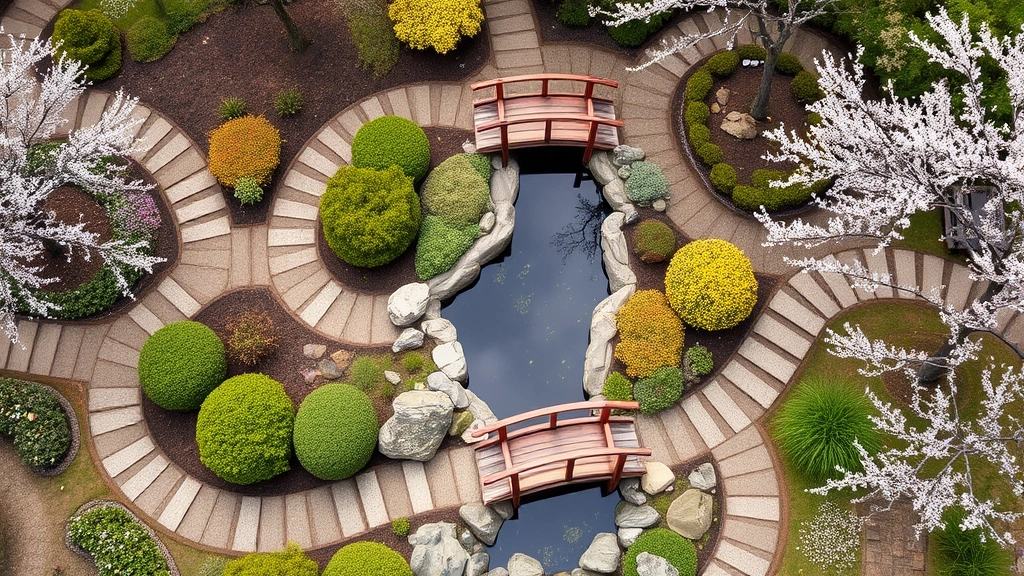
The Japanese Friendship Garden represents one of the park’s most refined horticultural achievements, featuring authentic Japanese garden design principles combined with carefully curated plantings. This 6.5-acre garden demonstrates how to create meditative spaces through strategic plant placement, water features, and hardscape design. The garden’s design emphasizes balance, asymmetry, and the relationship between human-made structures and natural elements—principles directly applicable to residential garden design.
Within the Japanese garden, you’ll discover specimen plantings of Japanese maple, bamboo varieties, flowering cherry trees, and stone lanterns positioned to frame views and create focal points. The garden’s seasonal transformation showcases how deciduous and flowering plants provide year-round visual interest. Spring brings cherry blossoms and emerging foliage; summer offers lush green canopies; autumn displays vibrant maple colors; and winter reveals the garden’s underlying structure and form.
The water features—including streams, ponds, and waterfalls—demonstrate how water movement, sound, and reflection enhance garden atmosphere. Professional gardeners at Balboa Park carefully manage water features to support aquatic plants like water lilies and lotus while maintaining water quality. For home gardeners interested in creating rain gardens or water features, the Japanese Friendship Garden provides excellent examples of how to integrate water into landscape design sustainably.
Desert Garden and Xeriscaping Lessons
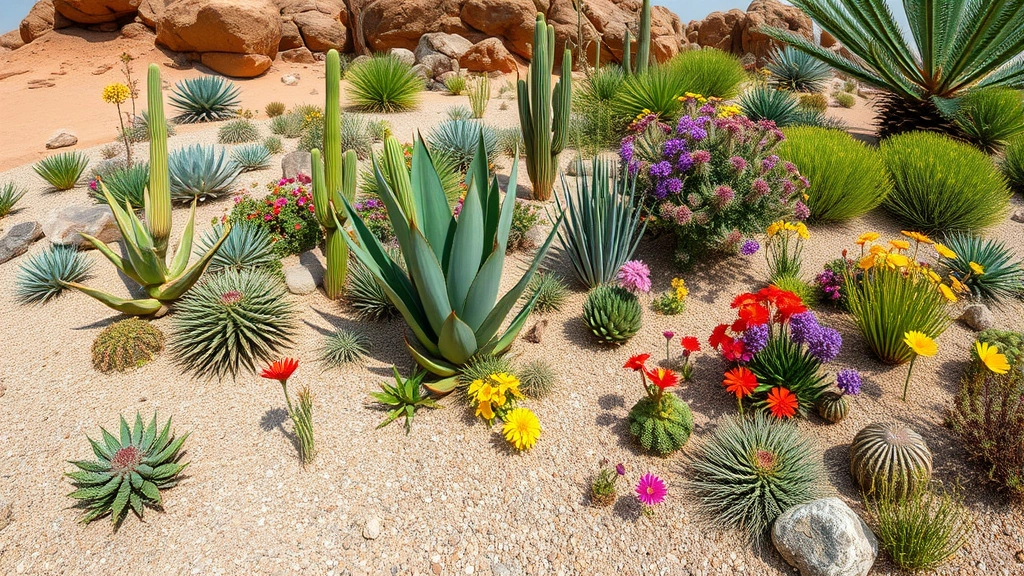
The Desert Garden showcases one of the most practical and increasingly relevant gardening approaches: xeriscaping. This 3.5-acre garden features over 6,000 drought-tolerant plants, including agave, aloe, desert marigold, penstemon, and various succulents adapted to arid conditions. In an era of water scarcity and climate uncertainty, studying how professional gardeners create beautiful, thriving landscapes with minimal water proves invaluable for sustainable home gardening.
The Desert Garden demonstrates that water-wise gardening doesn’t mean sacrificing beauty or plant diversity. Through thoughtful plant selection, proper soil preparation, and strategic spacing, gardeners create visually interesting landscapes that thrive with minimal supplemental irrigation. The garden’s design incorporates rocks, gravel, and hardscape elements that reduce water needs while providing aesthetic interest and supporting soil temperature regulation.
Key xeriscaping principles evident in the Desert Garden include: grouping plants by water needs, using mulch to retain soil moisture, improving soil with organic matter before planting drought-tolerant species, and designing slopes for water runoff management. The garden’s plant palette emphasizes species with silvery or gray foliage, which reflects heat and reduces water loss through transpiration. Many of these plants bloom spectacularly during spring and early summer, proving that arid gardens offer exceptional seasonal color.
Home gardeners can apply Desert Garden lessons by selecting native and adapted plants for their region, preparing garden soil with adequate drainage and organic matter, and establishing efficient irrigation systems. The garden also demonstrates companion planting strategies, where plants with similar water needs grow together, reducing management complexity and water waste.
Botanical Building and Lily Pond
The Botanical Building, constructed for the 1915 Panama-California Exposition, houses thousands of tropical and tender plants in a climate-controlled environment. This conservatory provides year-round habitat for plants that wouldn’t survive outdoors in San Diego, including orchids, ferns, begonias, and tropical fruit trees. The building’s design—with its iconic lily pond reflecting the structure—demonstrates how water features enhance architectural spaces while supporting aquatic plant communities.
The lily pond surrounding the Botanical Building showcases water gardening principles, featuring hardy and tropical water lilies, lotus plants, and aquatic vegetation. Professional gardeners manage water depth, clarity, and temperature to support aquatic plant growth while maintaining aesthetic appeal. The pond’s design includes marginal planting zones where water-loving plants like rushes and pickerel rush thrive in shallow water, creating habitat for aquatic wildlife while adding textural variety.
Interior plantings within the Botanical Building demonstrate humidity management, light optimization for tropical plants, and the importance of proper air circulation in enclosed growing spaces. Visitors can observe how professional gardeners maintain consistent temperatures and moisture levels to support sensitive tropical species. These lessons translate to home gardeners growing houseplants, where understanding light requirements, humidity needs, and air circulation proves essential for success.
Palm Canyon and Shade Gardening
Palm Canyon represents a distinct ecosystem within Balboa Park, featuring native California fan palms, coast live oaks, and shade-tolerant understory plants. This narrow canyon demonstrates how to create thriving gardens in challenging shade conditions through plant selection and site preparation. The canyon’s microclimate—cooler and more humid than surrounding areas—supports plants that wouldn’t thrive in full sun elsewhere in the park.
Shade gardening, as demonstrated in Palm Canyon, requires understanding light levels, selecting appropriate plants, and managing moisture in areas where reduced evaporation can lead to fungal issues. The canyon features ferns, sedges, shade-tolerant wildflowers, and shrubs that create layered plantings from forest floor to canopy. This vertical structure—often called a “woodland edge”—maximizes plant diversity while creating visually interesting gardens that change with the seasons.
Professional gardeners at Balboa Park manage Palm Canyon’s native plant community to prevent invasive species while supporting biodiversity. Home gardeners can apply these principles by creating shade gardens that feature native plants adapted to local conditions, using organic mulch to regulate soil temperature and moisture, and designing layered plantings that provide visual interest year-round.
Rose Garden and Seasonal Planning
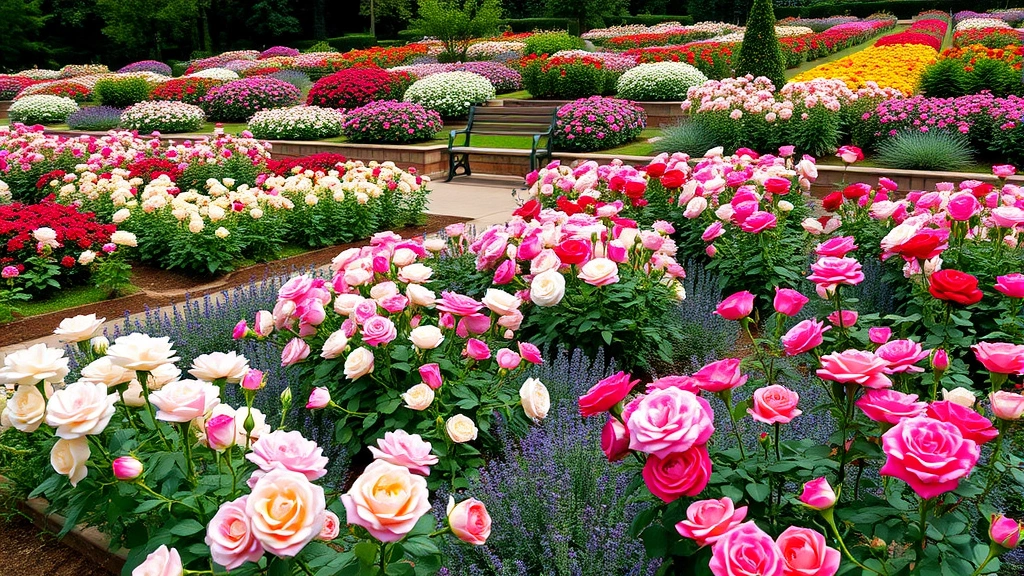
The Rose Garden showcases one of gardening’s most beloved plant groups, featuring over 1,500 rose varieties arranged in themed beds and borders. This garden demonstrates the importance of seasonal planning, as roses require specific pruning, fertilization, and disease management throughout the year. The garden’s design illustrates how professional gardeners use color theory, plant height variation, and repetition to create cohesive, visually compelling landscapes.
Visiting the Rose Garden across different seasons reveals how garden design changes throughout the year. Spring brings vigorous growth and peak bloom; summer requires consistent deadheading and pest management; autumn offers a secondary bloom period; and winter involves dormancy and pruning. Understanding these seasonal cycles helps home gardeners plan maintenance schedules and select complementary plants that provide interest when roses aren’t blooming.
The Rose Garden incorporates companion plantings—lavender, catmint, and other perennials—that bloom before and after roses, extending the garden’s visual appeal. These companion plants also support pollinator populations and can help mask rose foliage when plants decline in late summer. The garden demonstrates that successful rose cultivation requires attention to soil preparation, proper spacing for air circulation, regular fertilization, and integrated pest management.
Mediterranean and Coastal Gardens
Balboa Park’s Mediterranean Garden features plants from Mediterranean climate zones worldwide—California, Australia, South Africa, and the Mediterranean basin. These plants share similar adaptations: small, waxy leaves; deep root systems; and tolerance for summer drought. The garden demonstrates how plants from disparate geographic origins can thrive together when they share similar climate requirements and growing conditions.
The Coastal Garden showcases plants adapted to salt spray, sandy soils, and strong winds characteristic of oceanside environments. This garden features beach sunflower, silver beachweed, and other salt-tolerant species that create colorful, low-maintenance landscapes. Home gardeners living near coasts or in windy locations can learn valuable plant selection and hardscape design lessons from observing how professional gardeners create beautiful coastal gardens.
Both gardens demonstrate the importance of understanding your local climate and selecting plants adapted to those specific conditions. Rather than fighting your environment with intensive irrigation and soil amendments, working with climate-appropriate plants—as Balboa Park demonstrates—creates sustainable, beautiful gardens that require minimal ongoing management. This approach aligns with native plant gardening and ecological landscaping principles increasingly recommended by horticultural experts.
Practical Gardening Lessons from Balboa Park
Visiting Balboa Park provides numerous practical lessons applicable to residential gardening. First, observe how professional gardeners use color, texture, and form to create visual interest. Notice how foliage colors—silver, bronze, purple, and variegated—provide structure and interest beyond flowering periods. Pay attention to how plant heights, leaf sizes, and growth habits create layered plantings with depth and dimension.
Second, study how professional gardeners manage plant health through site selection, soil preparation, and appropriate spacing. Plants receiving adequate light, air circulation, and drainage require less intensive pest and disease management. When starting a flower garden, prioritize these fundamentals before selecting specific plant varieties.
Third, observe how professional gardeners create focal points and guide visitor movement through gardens. Strategic plantings frame views, create gathering spaces, and encourage exploration. Consider how you might apply these principles to your landscape by adding garden benches in strategic locations or creating focal points with specimen plants or water features.
Fourth, notice how professional gardeners use hardscape materials—stone, gravel, mulch, and pathways—to complement plantings and provide structure. Hardscape reduces maintenance needs while creating visual interest and defining garden spaces. Quality hardscape materials, properly installed and maintained, enhance rather than compete with plant displays.
Fifth, observe seasonal changes in the various gardens and plan your own garden’s seasonal interest. Rather than expecting peak color year-round, design gardens with different plants providing interest during different seasons. This approach creates naturally varied landscapes that feel fresh and engaging throughout the year, reducing the need for constant replanting.
Sixth, study how professional gardeners integrate water features sustainably. Whether through rain gardens, ponds, or fountains, water adds visual interest, supports wildlife, and provides sound and movement. Proper irrigation infrastructure and water management practices ensure these features enhance rather than strain water resources.
Finally, observe how Balboa Park’s gardens support local wildlife—butterflies, bees, birds, and beneficial insects. Native plants and well-designed habitat features attract wildlife while reducing pest problems. Creating gardens that support local ecosystems proves more sustainable and rewarding than attempting to maintain artificial, isolated plant collections.
When planning your garden visit, consider hiring a professional guide or downloading the park’s detailed garden map. Many gardens include interpretive signage explaining plant selection rationales and cultivation requirements. Take photographs of plant combinations, hardscape designs, and overall garden layouts that inspire you. These visual references prove invaluable when planning your own landscapes.
FAQ
When is the best time to visit Balboa Park gardens?
Spring (March-May) offers peak blooms across most gardens, while autumn (September-November) provides cooler temperatures and colorful foliage. Summer visits require early morning exploration to avoid heat, while winter offers mild weather and smaller crowds. Each season reveals different garden aspects, so visiting multiple times throughout the year provides comprehensive understanding of seasonal plant performance.
How much time should I spend at Balboa Park?
A brief overview requires 2-3 hours covering major gardens. Dedicated plant study requires 4-6 hours or multiple visits. Photographers and serious gardeners often spend entire days studying specific gardens. Plan your visit based on interests, fitness level, and available time. The park’s 1,200 acres accommodate various exploration depths.
Are Balboa Park gardens suitable for families with children?
Yes, the park’s diverse gardens, museums, and recreational areas appeal to various ages. The Japanese Friendship Garden and Botanical Building particularly engage children. Walking distances vary; choose gardens matching your family’s fitness level and interests. Bring water, sun protection, and plan rest periods.
Can I take cuttings or seeds from Balboa Park gardens?
No, park regulations prohibit collecting plants, seeds, or cuttings. However, plant identification information helps you source similar specimens from local nurseries. Many specialty plants featured in Balboa Park are available through California native plant nurseries and specialty growers.
How do professional gardeners maintain Balboa Park’s collections?
A dedicated team of horticulturists manages soil preparation, plant selection, pruning, fertilization, pest management, and irrigation. Regular monitoring ensures plant health and garden aesthetics. This professional management demonstrates the commitment required for well-maintained gardens, whether institutional or residential.
What plants can I grow at home inspired by Balboa Park?
Plant selection depends on your local climate zone and growing conditions. Desert-adapted plants work well in arid regions; shade-tolerant species suit woodland settings; Mediterranean plants thrive in Mediterranean climates. Consult local nurseries and native plant societies for region-specific recommendations. Many Balboa Park plants are available through specialty growers serving Southern California.