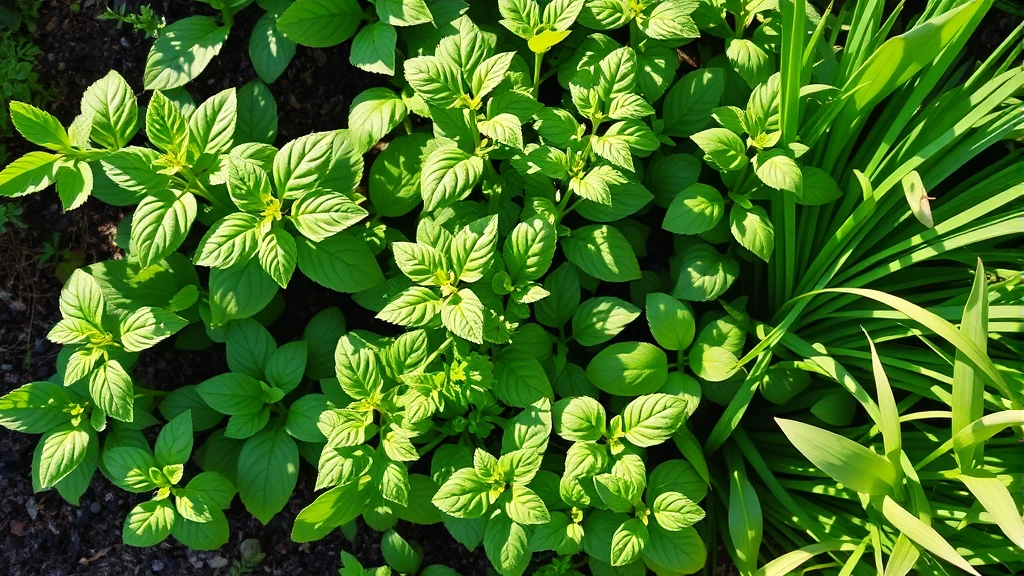
Asian Garden Menu Ideas: Culinary Expert Shares Essential Herbs and Vegetables
Creating an Asian garden menu requires understanding the unique flavors, textures, and growing requirements of traditional Asian herbs and vegetables. Whether you’re planning to grow ingredients for authentic stir-fries, soups, or salads, cultivating an Asian culinary garden transforms both your landscape and your kitchen. This comprehensive guide explores the best plants to grow, seasonal timing, and practical tips for establishing a productive Asian garden that supplies fresh ingredients year-round.
An Asian garden menu begins with selecting the right vegetables and herbs that thrive in your climate zone. From Thai basil to bok choy, from ginger to lemongrass, each plant offers distinct flavor profiles and nutritional benefits. Understanding which crops pair well together and how to succession plant ensures continuous harvests throughout growing seasons. Many Asian vegetables grow quickly, mature within weeks, and produce abundantly when given proper care and attention.

Essential Asian Herbs for Your Menu
Thai basil stands as the cornerstone of Southeast Asian cuisine and grows vigorously in warm conditions. Unlike sweet basil, Thai basil features a distinctive anise-like flavor with subtle licorice notes, making it essential for pad Thai, curries, and stir-fried dishes. Plant Thai basil after the last frost in full sun, spacing plants 12 inches apart. Pinch off flower buds regularly to encourage leaf production and extend the harvest season.
Cilantro (coriander leaves) offers a polarizing flavor profile that’s essential in Vietnamese, Thai, and Indian cuisines. This cool-season herb bolts quickly in summer heat, so plant it in spring and fall for best results. Direct sow seeds every two weeks for continuous harvests. Cilantro prefers partial shade in warmer climates and well-draining soil rich in organic matter.
Mint varieties, particularly spearmint and peppermint, thrive in Asian gardens and appear in Vietnamese mint salads, Thai beverages, and Chinese medicinal preparations. Mint spreads aggressively through underground runners, so construct a raised garden bed or contain mint in large pots to prevent it from overwhelming neighboring plants. Mint tolerates partial shade and actually prefers it in hot climates, producing tender leaves with superior flavor.
Lemongrass delivers the citrusy backbone of Thai and Vietnamese cooking. This tropical perennial grows as an annual in cooler zones. Plant lemongrass in spring after frost danger passes, spacing plants 18-24 inches apart in full sun. Lemongrass requires consistent moisture and well-draining soil. Harvest outer stalks from the base once plants reach 12 inches tall, allowing the center to continue growing.
Chinese chives (garlic chives) provide a mild garlic flavor and grow prolifically from seed or division. These hardy perennials tolerate partial shade and produce abundant harvests with minimal care. Unlike regular chives, Chinese chives develop flat leaves and delicate white flowers that are also edible. Divide established clumps every two years to maintain vigor.

Top Asian Vegetables to Cultivate
Bok choy represents one of the easiest Asian vegetables to grow, maturing in just 45-60 days from seed. This cool-season crop thrives in spring and fall, preferring temperatures between 50-70°F. Plant bok choy in rich, well-draining soil with consistent moisture. Space plants 8-10 inches apart and harvest outer leaves once they reach 4 inches long, or cut entire heads at soil level. Succession plant every two weeks for continuous supply throughout the season.
Ginger requires patience but rewards gardeners with aromatic rhizomes for culinary and medicinal use. Plant ginger rhizomes in spring after soil warms to 65°F, spacing them 8-10 inches apart in loose, well-draining soil rich in compost. Ginger prefers partial shade and consistent moisture without waterlogging. Harvest after 8-10 months when foliage yellows and dies back. Use proper garden tools to carefully dig rhizomes without damaging them.
Daikon radish grows rapidly, maturing in 50-70 days, and produces crisp, peppery roots essential for Asian salads and pickles. These long, white radishes prefer cool weather and deep, loose soil to develop properly. Space plants 4-6 inches apart and thin seedlings to prevent crowding. Daikon stores exceptionally well, keeping for months in cool conditions, making it ideal for preserving.
Tatsoi offers mild, slightly sweet flavors and grows quickly in cool seasons. This rosette-shaped green matures in 30-40 days and tolerates light frosts, extending the growing season. Plant tatsoi densely for baby leaf harvests or space plants 6 inches apart for full-size heads. The entire plant, including stems, is edible and tender.
Shiso (perilla) produces aromatic leaves used in Japanese cuisine and grows prolifically as an annual. This heat-loving herb prefers full sun and well-draining soil. Shiso self-seeds readily, so deadhead flowers if you want to prevent volunteer seedlings next season. The purple variety offers stunning ornamental appeal alongside culinary value.
Edamame (soybeans) combine nutrition with authentic Asian garden appeal. These warm-season legumes require full sun and well-draining soil. Plant seeds directly in garden soil after frost danger passes, spacing them 4-6 inches apart. Harvest pods when they feel full but before beans harden completely, typically 90-100 days after planting.
Seasonal Planting Schedule
Spring represents the ideal time for heat-loving Asian plants. After the last frost date, direct sow edamame, plant ginger rhizomes, and transplant Thai basil and lemongrass seedlings. Early spring also suits cilantro planting in cooler regions before summer heat triggers bolting. The advantages of raised bed gardening become evident during spring when you can control soil temperature and moisture more effectively than in-ground plantings.
Summer gardening focuses on maintaining established plants and harvesting regularly. Increase watering frequency for heat-sensitive herbs like cilantro and mint. Mulch around plants to conserve moisture and regulate soil temperature. Begin succession planting cool-season crops like bok choy and tatsoi in late summer for fall harvests. Many gardeners plant cilantro in mid-summer in partial shade to extend the season.
Fall offers optimal conditions for cool-season Asian vegetables. Plant bok choy, tatsoi, daikon radish, and Chinese chives from late summer through early fall. These crops thrive in cooling temperatures and often taste sweeter after light frosts. The extended fall season in many regions allows multiple harvests before winter dormancy. Cilantro planted in fall often produces abundantly without bolting.
Winter management depends on your climate zone. In mild regions, many Asian greens continue producing through winter. Protect plants with row covers or cold frames to extend the season. In cold climates, preserve summer harvests through freezing, drying, or pickling. Plan next season’s garden layout during winter months when you can reflect on what grew well and what needs adjustment.
Companion planting enhances Asian garden productivity. Plant mint near bok choy to repel insects while maintaining adequate spacing to prevent mint from overwhelming neighbors. Lemongrass and Thai basil grow well together, both preferring warmth and full sun. Cilantro companions include vegetables that appreciate afternoon shade in hot climates.
Garden Layout and Design
Designing an efficient Asian garden menu requires thoughtful spatial planning. Group plants by water and sunlight requirements for simplified management. Create a cottage garden style layout with herbs interspersed among vegetables, maximizing space while creating visual appeal. Vertical growing using trellises for climbing beans or staked plants increases productivity in small spaces.
Raised beds offer significant advantages for Asian gardens, particularly for controlling soil quality and temperature. Constructing a raised garden allows customization of soil composition to suit specific plant needs. Ginger and lemongrass appreciate the excellent drainage that raised beds provide. Most Asian vegetables prefer rich, organic soil, making raised beds ideal for amending with compost and aged manure.
Container gardening suits many Asian herbs perfectly, particularly mint which should be contained to prevent aggressive spreading. Large pots accommodate ginger, lemongrass, and shiso while allowing flexibility to move plants to optimal light conditions. Containers also facilitate growing tender perennials indoors during winter in cold climates. Use quality potting soil and ensure drainage holes prevent waterlogging.
Sunlight requirements vary among Asian garden plants. Thai basil, lemongrass, and edamame demand full sun for optimal growth and flavor development. Bok choy, tatsoi, and cilantro tolerate partial shade, particularly beneficial in hot climates where afternoon shade prevents bolting. Mint and Chinese chives thrive in partial shade, making them excellent for understorey positions. Map your garden’s sun exposure throughout the day to position plants appropriately.
Water infrastructure planning prevents common issues. Install soaker hoses or drip irrigation for consistent moisture delivery without wetting foliage, reducing disease risk. Asian vegetables generally prefer consistent moisture without waterlogging. Mulching around plants conserves water, regulates soil temperature, and suppresses weeds. Organic mulches like straw or shredded leaves gradually break down, improving soil structure.
Pest Management and Care
Common pests affecting Asian gardens include aphids, spider mites, and whiteflies. Regular inspection catches infestations early when control measures prove most effective. Garden spiders and other beneficial insects provide natural pest control, so avoid broad-spectrum pesticides that harm these allies. Neem oil and insecticidal soaps offer organic control options for pest outbreaks.
Disease prevention focuses on cultural practices rather than chemical treatments. Ensure adequate air circulation around plants by proper spacing and pruning. Water at soil level rather than overhead to prevent fungal diseases. Remove infected leaves promptly and dispose of them away from the garden. Rotate crops annually to prevent soil-borne disease buildup.
Nutrient management sustains productivity throughout the growing season. Asian vegetables respond well to regular applications of balanced fertilizer or compost tea. Nitrogen-rich amendments support leaf production in herbs and greens. Phosphorus promotes root development in radishes and ginger. Potassium enhances overall plant vigor and disease resistance. Side-dress plants with compost every 4-6 weeks during active growth.
Harvesting techniques influence plant longevity and productivity. Pinch herbs like Thai basil and mint regularly to encourage bushier growth and delay flowering. Harvest bok choy and tatsoi outer leaves selectively, allowing centers to continue growing. Cut lemongrass stalks from the base rather than tearing them. Regular harvesting stimulates new growth and extends the productive season considerably.
Preservation methods extend your Asian garden menu beyond the growing season. Freeze Thai basil and cilantro in oil for winter cooking. Dry lemongrass, shiso, and mint for teas and culinary use. Pickle daikon radish and bok choy for long-term storage. Ferment ginger for medicinal preparations. These preservation techniques ensure year-round access to homegrown Asian ingredients.
FAQ
What is the best time to plant an Asian garden?
Spring after the last frost suits heat-loving herbs like Thai basil and lemongrass. Fall provides ideal conditions for cool-season vegetables like bok choy and tatsoi. Cilantro grows best in spring and fall when temperatures remain moderate. Ginger plants in spring after soil warms to 65°F. Succession planting every 2-3 weeks ensures continuous harvests.
Can I grow Asian vegetables in containers?
Yes, most Asian vegetables thrive in containers with proper drainage and quality potting soil. Bok choy, tatsoi, cilantro, and mint grow excellently in pots. Larger containers accommodate ginger, lemongrass, and Thai basil. Containers offer flexibility to move plants to optimal light conditions and facilitate indoor growing in cold climates during winter months.
How much sunlight do Asian herbs need?
Thai basil, lemongrass, and edamame require full sun (6-8 hours daily) for optimal growth and flavor. Bok choy and tatsoi tolerate partial shade, especially in hot climates. Cilantro prefers afternoon shade in summer. Mint and Chinese chives thrive in partial shade and actually prefer it in hot regions. Observe your garden’s light patterns to position plants appropriately.
What soil preparation benefits Asian gardens most?
Rich, well-draining soil amended with 2-3 inches of compost creates ideal conditions. Asian vegetables prefer slightly acidic to neutral pH (6.0-7.0). Add aged manure or compost to improve soil structure and nutrient content. For container growing, use quality potting soil mixed with additional compost. Mulching with organic materials gradually improves soil as they decompose.
How often should I water Asian garden plants?
Most Asian vegetables prefer consistently moist soil without waterlogging. Water deeply 1-2 times weekly depending on rainfall and temperature. Container plants may need daily watering in hot weather. Use soaker hoses or drip irrigation to deliver water directly to soil, reducing disease risk. Mulching helps retain moisture and reduces watering frequency significantly.
Can I grow ginger in cold climates?
Yes, grow ginger in containers and bring indoors before frost. Plant rhizomes in spring and harvest after 8-10 months when foliage yellows. In cold climates, store harvested ginger in a cool, dry location for winter use. Alternatively, leave a portion of rhizomes in the ground, mulch heavily, and hope for winter survival, though this proves less reliable than container cultivation.
What herbs pair well in an Asian garden menu?
Thai basil, cilantro, and mint create a complete herb foundation for most Asian cuisines. Add lemongrass and shiso for Vietnamese and Japanese dishes. Chinese chives enhance stir-fries and soups. These herbs grow well together when properly spaced and managed. Mint requires containment to prevent overgrowth, while other herbs can intermingle freely.


