
Designing an Asian Garden? Pro Landscaper Tips
Creating an authentic Asian garden transforms your outdoor space into a serene sanctuary that reflects centuries of horticultural philosophy and design principles. Whether you’re drawn to the minimalist aesthetics of Japanese gardens, the vibrant energy of Chinese landscapes, or the tropical abundance of Southeast Asian designs, understanding the foundational elements will help you craft a cohesive outdoor retreat. Professional landscapers know that successful Asian garden design goes far beyond selecting a few plants—it requires thoughtful consideration of balance, water features, hardscaping, and plant selection that honors traditional principles while adapting to your climate and maintenance capabilities.
This comprehensive guide reveals the professional strategies that transform ordinary yards into stunning Asian garden spaces. From selecting appropriate plants and creating focal points to incorporating water elements and understanding seasonal changes, you’ll discover practical techniques that experienced landscapers use to design gardens that are both beautiful and sustainable. Whether you’re a beginner exploring your first Asian garden project or an experienced gardener refining your landscape, these pro tips will elevate your design from ordinary to extraordinary.
Core Principles of Asian Garden Design
Professional landscapers understand that Asian garden design rests on philosophical foundations that differ significantly from Western landscape traditions. The concept of ma (negative space) in Japanese design teaches that empty space is as important as planted areas—this principle prevents overcrowding and creates visual breathing room. Similarly, the Chinese philosophy of balance between yin and yang translates into design through contrasts: soft foliage against hard stone, vertical elements balanced by horizontal planes, and movement through stillness.
The principle of asymmetrical balance is crucial in Asian garden design. Rather than mirror-image symmetry, pro landscapers create visual equilibrium through careful placement of elements with different visual weights. A tall specimen tree on one side might be balanced by a cluster of lower plants and a stone lantern on the other. This approach creates dynamic interest while maintaining harmony.
Understanding the concept of borrowed scenery (shakkei) allows you to incorporate views beyond your garden boundaries. If your property overlooks hills, trees, or distant mountains, frame these views strategically through plantings and hardscaping. This technique makes even small gardens feel expansive and connected to their surroundings.
Before beginning any Asian garden project, invest time in preparing garden soil properly. Professional landscapers assess soil composition, drainage, and pH levels to ensure plants thrive. Many traditional Asian garden plants prefer slightly acidic soil with excellent drainage, so amendments may be necessary before planting begins.
Water Features and Their Strategic Placement
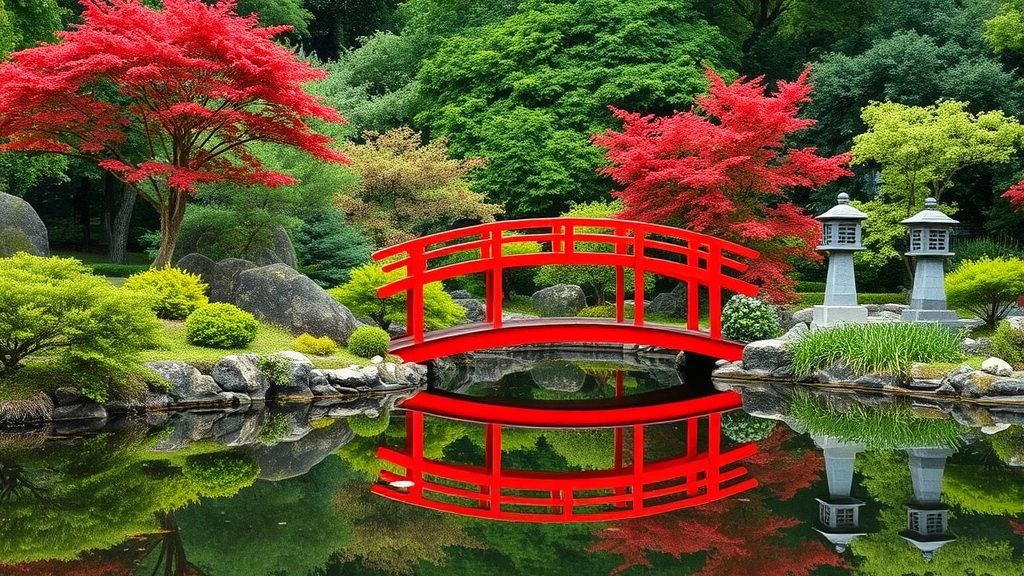
Water is the lifeblood of authentic Asian garden design, serving both aesthetic and philosophical purposes. Professionals know that water represents life, renewal, and the flow of energy through the landscape. Whether it’s a formal pond, a gentle stream, or a simple water basin, water features create focal points and engage multiple senses.
Koi ponds are iconic in Japanese Asian garden design, but they require significant planning and maintenance. Before installing a pond, consider its size—professional landscapers recommend minimum dimensions of 3 feet deep and 60 square feet of surface area for a healthy ecosystem. The depth prevents complete freezing in winter and provides adequate space for fish to thrive. Position your pond where it’s visible from main viewing points, preferably where you can sit and observe the fish and water movement.
Recirculating streams and waterfalls create soothing soundscapes and visual movement. These features work particularly well in gardens where you want to draw visitors along a path, creating a journey through the space. Professional installation ensures proper water circulation, preventing stagnation while maintaining efficiency. Many modern Asian garden designs incorporate subtle water features like rain chains or shishi odoshi (bamboo water features) that provide auditory interest without requiring extensive water systems.
Water basins (tsukubai) serve as traditional focal points in Japanese gardens. These small basins, traditionally used for hand-washing before tea ceremonies, can be incorporated into modern gardens as meditation points or accent features. Position them along pathways where visitors naturally pause, creating moments of quiet reflection.
Plant Selection for Your Asian Garden
Selecting appropriate plants is fundamental to creating an authentic and sustainable Asian garden. Professional landscapers emphasize choosing plants adapted to your climate zone rather than forcing tropical species into temperate regions. While you can create Southeast Asian aesthetics in cooler climates, success requires plant choices that will thrive long-term.
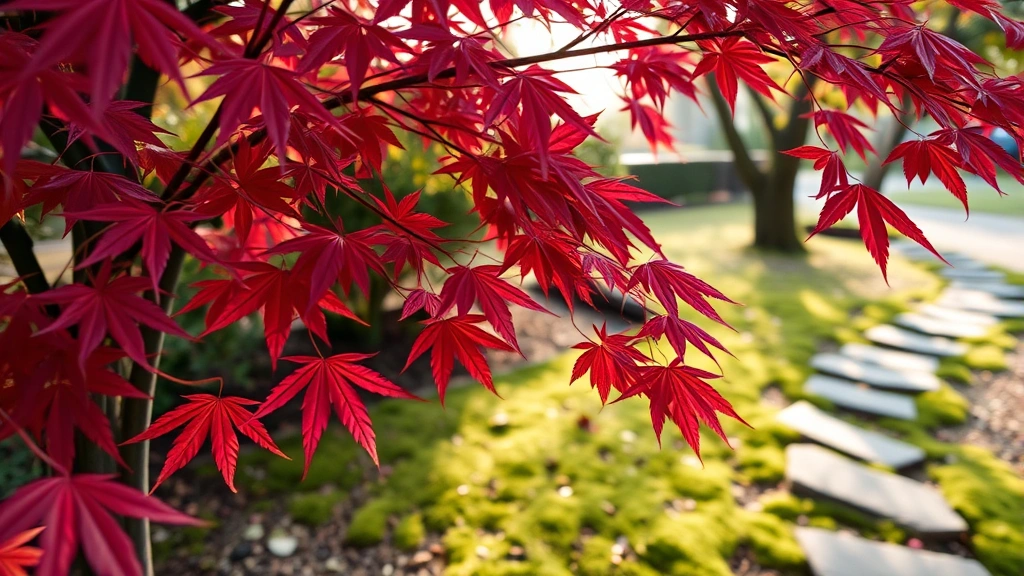
Japanese maples are cornerstone plants in many Asian garden designs. These deciduous trees offer year-round interest with spring foliage, summer shade, brilliant fall colors, and sculptural winter branches. Choose varieties suited to your hardiness zone—some cultivars tolerate USDA zones 5-8, while others need warmer climates. Their shallow root systems make them excellent for containers, allowing flexibility in garden design.
Bamboo adds vertical structure and movement to Asian garden spaces, but professionals caution about running bamboo varieties that spread aggressively. Use raised bed structures or containers to contain bamboo, or select clumping varieties like Fargesia that grow more compactly. Bamboo’s rustling foliage provides sensory engagement, and its vertical lines create strong visual statements.
Ornamental grasses contribute movement and texture. Miscanthus varieties offer height and graceful motion, while lower-growing sedges provide ground-level interest. These plants are low-maintenance once established and provide seasonal color changes that enhance Asian garden aesthetics throughout the year.
Flowering plants should be selected strategically to provide seasonal color without overwhelming the design. Cherry blossoms, magnolias, and flowering plums are traditional choices that bloom at specific times, creating moments of intense beauty rather than constant flower displays. Understated flowering plants like hydrangeas, azaleas, and hostas complement foliage plants while maintaining the refined aesthetic typical of Asian garden design.
Consider evergreen plants like Japanese holly, boxwood, and Japanese pittosporum to maintain structure year-round. These plants provide the backbone of your design, ensuring visual interest even when deciduous plants are dormant. Professional landscapers use evergreens to create layers and define spaces within the garden.
Creating Balance Through Hardscaping
Hardscaping elements—stone, gravel, wood, and constructed features—are as important as plants in professional Asian garden design. Stone represents permanence and strength, grounding the design and creating visual weight that balances plant material.
Pathways guide movement through your Asian garden, and their design significantly impacts the visitor experience. Stepping stones (called nodan in Japanese gardens) create a winding journey that encourages slow exploration. Rather than straight paths, professionals design curved routes that create anticipation and reveal different garden views progressively. Stone selection matters—local stone often looks more natural than imported varieties, and weathered stone appears more established than new material.
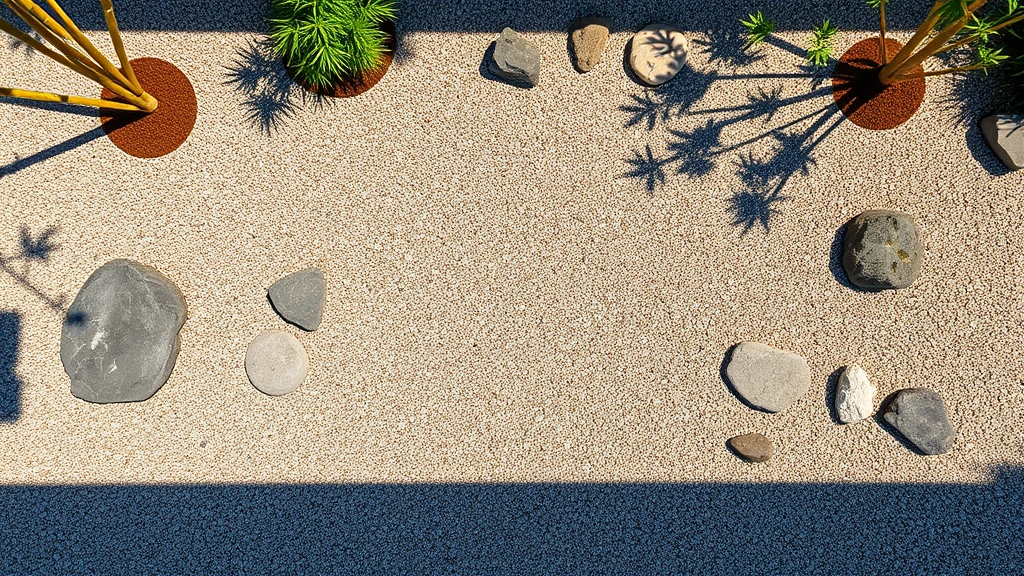
Gravel serves multiple functions in Asian garden design. Raked gravel represents water in dry landscape gardens, and its textural contrast against foliage and stone creates visual interest. Professional landscapers choose gravel sizes carefully—larger pea gravel is easier to maintain than fine gravel, which compacts and requires frequent raking. Edging materials like metal or wood keep gravel contained and create clean transitions between different garden areas.
Stone lanterns (ishidoro) serve as focal points and lighting elements in Japanese gardens. Position them at path intersections, near water features, or at garden entrances where they naturally draw attention. Lantern selection should reflect your garden’s overall aesthetic—tall toro lanterns suit larger spaces, while smaller yukimi lanterns work well in intimate areas.
Bridges, whether functional or purely aesthetic, create strong visual focal points. A simple arched bridge over a pond or stream becomes a destination point, encouraging visitors to pause and enjoy the view. Professional installation ensures safety and longevity, with materials selected to weather gracefully over time.
Fencing and screens define garden boundaries while creating privacy and wind protection. Traditional Japanese fence styles like bamboo screens or wooden lattice work beautifully in Asian garden designs. These elements frame views, direct movement, and establish the garden’s visual perimeter while maintaining the connection to surrounding landscape.
Seasonal Considerations and Maintenance
Successful Asian garden design accounts for seasonal changes and the maintenance requirements they create. Professional landscapers design gardens that evolve through the year, offering different visual interest in each season rather than relying on continuous flower displays.
Spring brings renewal through cherry blossoms, emerging foliage, and fresh growth. Plan spring-interest plants strategically so they’re visible from primary viewing areas. Early bulbs like Japanese anemones and hellebores provide color before larger plants leaf out.
Summer in an Asian garden emphasizes lush green foliage, water features, and the interplay of light and shadow. Deciduous trees provide cooling shade, while water features become more prominent as visual and auditory focal points. This season allows visitors to fully appreciate the garden’s structure and plant textures.
Fall is particularly important in Japanese Asian garden design, with maple trees providing spectacular color. Plan viewing areas where fall foliage is backlit by afternoon sun for maximum visual impact. The transition from green to gold and red mirrors natural cycles and creates poignant seasonal beauty.
Winter reveals the garden’s structural elements—bare branches, evergreen foliage patterns, and hardscaping become prominent. Snow on stone lanterns and frost on ornamental grasses add ethereal beauty. Design your Asian garden so it remains visually interesting even when plants are dormant.
Maintenance requirements vary significantly based on plant selection and garden complexity. Professional landscapers recommend starting with foundational gardening knowledge before tackling ambitious designs. Japanese maples need minimal pruning beyond removing dead wood, while bamboo requires annual culm removal. Moss gardens demand specific moisture and light conditions. Understanding these requirements prevents disappointment and ensures your Asian garden remains beautiful with appropriate care.
Water feature maintenance is essential for health and aesthetics. Ponds require regular cleaning, water quality monitoring, and seasonal adjustments. Streams need occasional debris removal and water circulation checks. Incorporating these tasks into your regular maintenance schedule keeps water features functioning properly and prevents problems that compromise their visual impact.
Regional Asian Garden Styles
Different Asian garden traditions offer distinct aesthetic and practical approaches. Understanding these styles helps you choose a direction that resonates with your preferences and climate.
Japanese gardens emphasize simplicity, asymmetry, and natural beauty. Karesansui (dry landscape gardens) use stone and raked gravel to represent water and mountains, creating abstract landscapes that encourage meditation. Chaniwa (tea gardens) are designed for the tea ceremony experience, with stepping stones, lanterns, and water basins creating a contemplative journey. Stroll gardens (kaiyu-shiki) are larger landscapes designed for walking, with views constantly changing as you move through the space.
Chinese gardens celebrate the relationship between humans and nature through larger-scale landscapes. These gardens often include pavilions, bridges, and winding paths that reveal carefully composed views. Water features are prominent, representing life and prosperity. Plants are selected for symbolic meanings—peonies represent wealth, bamboo represents integrity, and plum blossoms symbolize resilience.
Southeast Asian gardens emphasize tropical plants, water features, and sensory experiences. These designs work well in warm climates and incorporate fragrant plants, bold foliage colors, and lush textures. Water features might include fountains or small pools rather than formal ponds. This style celebrates abundance and vibrant plant material rather than minimalist aesthetics.
For those interested in gardening with native plants, consider adapting Asian design principles using regionally appropriate species. This approach creates authentic aesthetics while supporting local ecosystems and requiring less water and maintenance than non-native plants.
Professional landscapers often blend elements from different traditions to create personalized Asian garden designs that honor traditional principles while reflecting individual taste and climate realities. You might combine Japanese design philosophy with Chinese symbolic elements and plants native to your region, creating a unique space that feels both authentic and locally appropriate.
FAQ
What’s the best climate for an Asian garden?
Different Asian garden styles suit different climates. Japanese gardens work beautifully in temperate zones (USDA zones 5-9), while Southeast Asian styles require warmer climates (zones 9-11). Choose a style and adapt plant selections to your hardiness zone rather than trying to force unsuitable plants into your garden.
How much space do I need for an Asian garden?
Asian gardens work at any scale, from small courtyard gardens to expansive landscapes. The key is proportional design—a tea garden might be just 500 square feet, while a stroll garden benefits from 2,000+ square feet. Professional landscapers design appropriately scaled features for your space, ensuring nothing feels cramped or oversized.
Can I create an Asian garden in a small urban space?
Absolutely. Container gardens, vertical plantings, and strategic use of hardscaping allow beautiful Asian garden designs even in small spaces. A single Japanese maple in a container with moss and stone can create authentic Asian aesthetics on a balcony or patio.
How do I maintain a water feature in my Asian garden?
Regular maintenance includes monitoring water quality, removing debris, checking circulation systems, and seasonal adjustments. For ponds, consider installing a filtration system to reduce maintenance. Professional installation ensures proper water circulation and drainage, preventing common problems.
What plants are easiest for beginners?
Start with hardy, low-maintenance plants like Japanese maples, bamboo (in containers), ornamental grasses, hostas, and evergreen shrubs. These plants are forgiving of minor mistakes and establish quickly. As your confidence grows, experiment with more demanding plants like moss gardens or specialized water plants.
Should I hire a professional landscaper for my Asian garden?
For complex water features, extensive hardscaping, or if you’re unfamiliar with plant propagation and garden design, professional guidance is valuable. However, simple Asian garden designs are achievable for dedicated DIY gardeners. Consider consulting a professional for design planning even if you handle installation yourself.