Top Small Evergreen Plants: Gardener’s Picks for Year-Round Beauty
Small evergreen plants are the backbone of any well-designed garden, providing structure, color, and interest throughout the year when most other plants fade into dormancy. Whether you’re looking to create a low-maintenance landscape, fill gaps in your borders, or establish a foundation planting that requires minimal pruning, small evergreen garden plants offer endless possibilities for creative gardeners. These hardy specimens maintain their foliage in winter, creating visual continuity and protecting your garden from looking barren during the colder months.
The beauty of incorporating small evergreens into your garden design lies in their versatility and reliability. Unlike deciduous plants that require seasonal cleanup and leave bare branches behind, evergreens work quietly in the background, supporting the garden’s structure year-round. From dwarf conifers to compact broadleaf varieties, the selection of small evergreen options available to modern gardeners has never been more impressive. In this comprehensive guide, we’ll explore the top performers that deserve a place in your garden, along with practical advice on selection, planting, and care.
Why Choose Small Evergreens for Your Garden
Small evergreen plants deliver multiple benefits that make them invaluable additions to any landscape. First and foremost, they provide consistent visual appeal throughout all four seasons, ensuring your garden never looks neglected or bare. This year-round presence is particularly valuable in regions with cold winters where deciduous plants leave large gaps in the landscape.
Beyond aesthetics, small evergreens offer practical advantages that serious gardeners appreciate. They typically require less maintenance than their deciduous counterparts, eliminating the need for spring cleanup of fallen leaves. Most varieties are naturally pest-resistant and disease-tolerant, reducing your reliance on chemical treatments. Many small evergreens also attract beneficial wildlife, including birds and pollinators, making them ecological assets to your outdoor space. Additionally, when you prepare garden soil for a thriving garden, evergreens establish quickly and develop strong root systems that help prevent erosion.
The versatility of small evergreens cannot be overstated. They work beautifully in container gardens, rock gardens, foundation plantings, and mixed borders. Many varieties tolerate challenging growing conditions including poor soil, shade, and exposure to wind—situations where other plants might struggle. Their compact size means they fit seamlessly into smaller properties and urban gardens where space is at a premium.
Best Dwarf Conifers for Compact Spaces
Dwarf conifers represent some of the most visually striking small evergreen plants available to gardeners. These miniature versions of full-sized pines, spruces, firs, and junipers offer remarkable variety in color, texture, and form, allowing you to create sophisticated compositions with just a few well-chosen specimens.
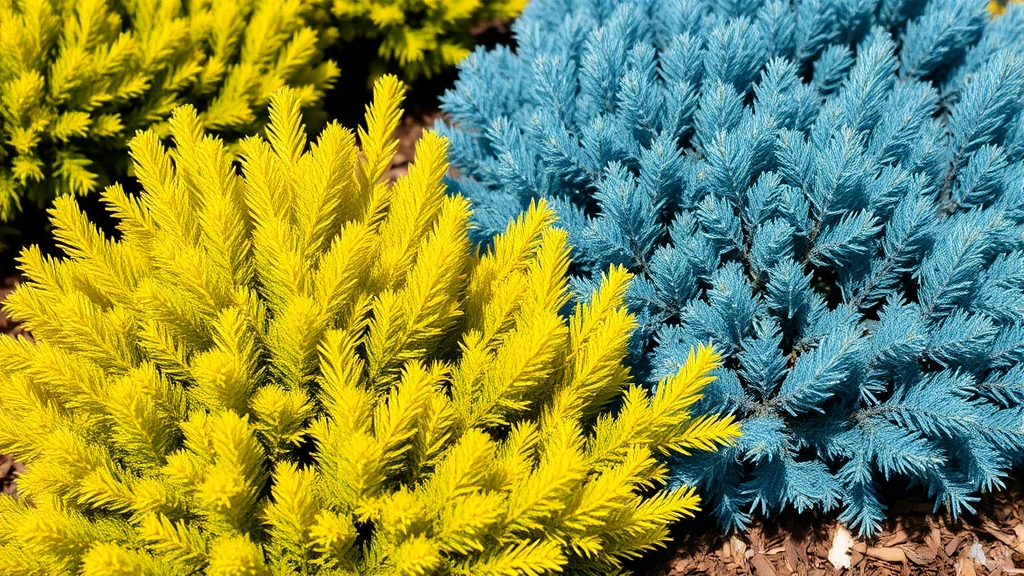
Hinoki Cypress varieties are absolute stars in the dwarf conifer category. ‘Boulevard’ produces feathery, silvery-blue foliage on a compact form that rarely exceeds four feet tall. ‘Crippsii’ offers golden-yellow coloring that brightens shady corners throughout the year. These Japanese natives adapt well to most climates and prefer consistently moist but well-draining soil.
Dwarf Alberta Spruce (Picea glauca ‘Conica’) is perhaps the most recognized small evergreen, with its perfect pyramidal shape and fine texture. Standing just thirteen feet tall at maturity, it’s ideal for foundation plantings and container growing. However, this species prefers cooler climates and may struggle in hot, dry regions.
Japanese Garden Juniper (Juniperus procumbens ‘Nana’) cascades beautifully over containers and raised beds, creating elegant focal points. Its fine, feathery foliage and spreading habit make it perfect for creating movement in garden designs. Unlike many conifers, this juniper tolerates poor soil and dry conditions exceptionally well.
Emerald Green Arborvitae (Thuja occidentalis ‘Emerald Green’) grows into a narrow, columnar form perfect for creating vertical accents. Reaching eight to fifteen feet tall but only two to three feet wide, it’s ideal for tight spaces and creates natural screening without requiring extensive pruning. This North American native is remarkably cold-hardy and adaptable to various soil types.
Dwarf Mugo Pine (Pinus mugo var. pumila) is an absolute workhorse for challenging locations. This ultra-hardy conifer tolerates poor soil, wind exposure, and challenging alpine conditions that would defeat lesser plants. Its dark green needles and dense growth habit make it invaluable in rock gardens and exposed landscapes.
Broadleaf Evergreens: Elegant and Practical
While conifers steal much of the spotlight, broadleaf evergreens deserve equal consideration for their sophisticated foliage and often fragrant flowers. These plants bring textural diversity and unexpected color variations to garden compositions.
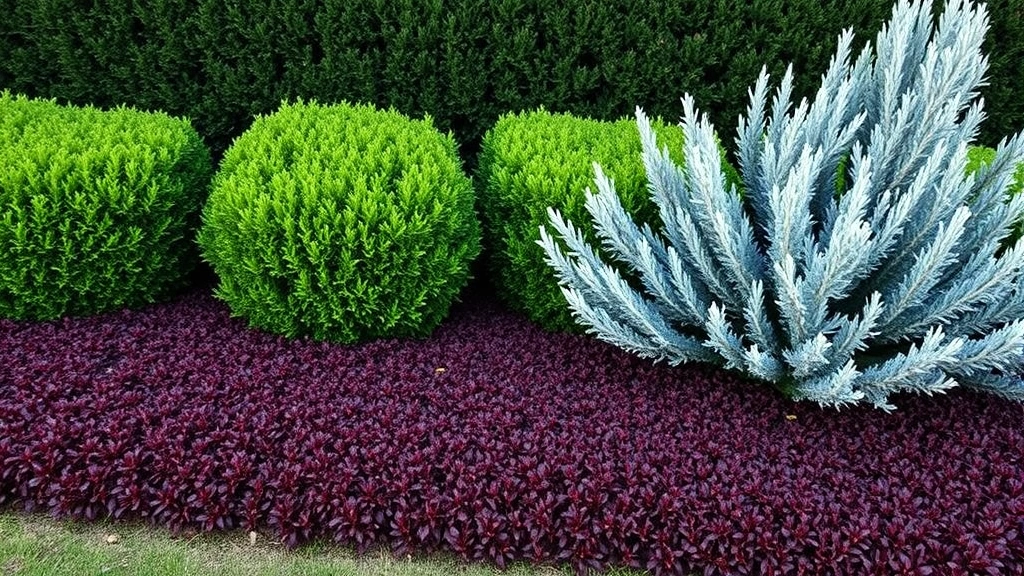
Boxwood (Buxus species) remains the gold standard for formal hedging and topiary work. Varieties like ‘Green Velvet’ and ‘Dwarf English’ grow slowly with dense, fine-textured foliage that responds beautifully to pruning. Boxwoods work equally well in traditional and contemporary landscapes, offering timeless elegance. However, they’re susceptible to boxwood blight in warm, humid climates, so choose resistant varieties in problematic regions.
Euonymus offers remarkable variety in foliage color and growth habit. ‘Emerald Gaiety’ displays bright green leaves with white margins, creating cheerful contrast in shady locations. ‘Emerald Green’ grows tall and narrow, perfect for screening. These tough plants tolerate poor soil and urban pollution better than most ornamentals.
Osmanthus (Osmanthus heterophyllus) combines handsome holly-like foliage with intensely fragrant small flowers that perfume the garden from late summer through fall. This Japanese native grows slowly into a dense, rounded shrub rarely exceeding ten feet tall. ‘Variegatus’ features striking yellow-edged leaves that brighten shade.
Japanese Holly (Ilex crenata) offers fine-textured foliage similar to boxwood but with greater cold tolerance and disease resistance. ‘Compacta’ and ‘Green Hedge’ are excellent compact varieties. These hollies naturally resist pests and diseases that plague other evergreens, making them low-maintenance additions to any garden.
Pittosporum species bring exotic appeal to temperate gardens. Their glossy, often variegated foliage and attractive branching structure create year-round interest. ‘Variegatum’ displays cream-edged leaves on a compact form. In colder regions, grow pittosporum in containers that can be moved to protected locations during winter.
Groundcover Evergreens for Garden Beds
Sometimes the most transformative small evergreen plants are those that spread horizontally, creating living carpets that suppress weeds while providing texture and color to garden beds. These low-growing evergreens reduce maintenance requirements while increasing visual interest at ground level.
Creeping Thyme (Thymus praecox) grows only two to six inches tall while spreading into dense mats of tiny, fragrant leaves. Varieties like ‘Coccineus’ display red flowers in summer, while ‘Elfin’ produces pale pink blooms. These Mediterranean natives thrive in full sun and well-draining soil, making them perfect for rock gardens and pathways. They’re also excellent for herb garden applications where you can harvest foliage for culinary use.
Sedum species offer remarkable diversity in color, texture, and growth habit. ‘Dragon’s Blood’ produces deep red foliage in cool weather, while ‘Autumn Joy’ transitions from green to burgundy as temperatures drop. Most sedums thrive in poor soil and full sun, making them ideal for challenging locations. Their fleshy leaves store water, allowing them to survive extended drought periods.
Ajuga reptans (‘Carpet Bugle’) spreads aggressively in moist shade, creating dark green groundcover studded with purple flower spikes in spring. ‘Atropurpurea’ displays bronze-purple foliage year-round. While aggressive, ajuga’s resilience makes it valuable in difficult shade situations where other plants fail.
Vinca minor (‘Periwinkle’) thrives in shade where sun-loving plants struggle. Its glossy green foliage and delicate purple-blue flowers create charming combinations with spring bulbs. This persistent evergreen eventually forms dense mats that effectively suppress weeds without requiring maintenance.
Helleborus (Christmas Rose) brings unexpected elegance to winter gardens with nodding flowers in shades of white, pink, purple, and green. The handsome, deeply divided foliage remains attractive throughout the year. These shade-loving evergreens bloom when little else flowers, providing crucial winter interest. Many hellebores self-seed, establishing colonies that expand naturally over time.

Seasonal Care and Maintenance Tips
While small evergreens require less maintenance than many plants, understanding their seasonal needs ensures they thrive for decades. Proper care begins at planting time with site selection and soil preparation.
Planting and Establishment
Plant small evergreens in spring or early fall when soil temperatures remain moderate and moisture is naturally abundant. Dig planting holes no deeper than the root ball but two to three times wider, allowing roots to spread laterally. This wider hole encourages faster establishment than deep, narrow planting. Backfill with native soil amended with compost; avoid heavy amendments that create boggy conditions most evergreens dislike.
Water thoroughly after planting, then maintain consistent moisture during the first growing season. This is critical—newly planted evergreens have limited root systems and cannot access deep soil moisture. Water during dry periods, providing one to two inches weekly through rainfall or irrigation.
Spring Care
As new growth emerges in spring, apply one to two inches of mulch around the base, keeping it several inches away from the stem to prevent rot. This mulch moderates soil temperature, conserves moisture, and suppresses competing weeds. Prune winter-damaged branches back to healthy tissue once new growth appears.
Spring is also ideal for fertilizing, though many established evergreens need no supplemental feeding if they’re growing in reasonably fertile soil. If growth appears slow or foliage color is dull, apply a balanced, slow-release fertilizer formulated for evergreens according to package directions.
Summer Maintenance
Monitor soil moisture during hot, dry periods. Even drought-tolerant evergreens benefit from occasional deep watering during extended dry spells. Most small evergreens tolerate pruning in summer, though spring remains the preferred season for major reshaping.
Watch for pest problems including spider mites, which thrive in hot, dry conditions. Strong water spray from the hose often controls these pests without chemicals. Inspect foliage regularly for signs of disease, removing affected branches immediately.
Fall and Winter Care
In late fall, apply an evergreen-specific fertilizer lower in nitrogen to harden off growth before winter. This encourages root development rather than tender new foliage vulnerable to frost damage. Stop fertilizing by late summer in cold climates to avoid stimulating late growth.
Before the first hard freeze, water evergreens thoroughly. Many winter damage problems result from desiccation—frozen ground prevents root water uptake while cold winter wind evaporates moisture from foliage faster than roots can replace it. This is particularly problematic for newly planted specimens with limited root systems.
Protect tender evergreens from harsh winter conditions with burlap wrapping if necessary, particularly those exposed to strong winds or in locations with extreme temperature fluctuations. Remove winter protection once new growth begins in spring.
Designing with Small Evergreens
The real magic of small evergreens emerges when you use them strategically in garden design, creating compositions that work beautifully across all seasons. Understanding design principles helps you make selections that enhance your overall landscape.
Creating Year-Round Interest
Combine small evergreens with deciduous shrubs and perennials to extend seasonal interest. Use dark green conifers as backdrops for colorful deciduous plants, then let the evergreens provide structure and color when deciduous plants fade. This layered approach creates sophisticated, dynamic landscapes that evolve through the seasons.
Include evergreens with varied foliage colors to maintain interest during winter months. Golden varieties like ‘Crippsii’ Hinoki Cypress brighten dark corners, while blue-toned junipers create cool contrast. Red-tinged varieties like ‘Emerald Green’ Arborvitae add warmth to winter scenes.
Foundation Plantings
Traditional foundation plantings rely heavily on small evergreens to anchor homes visually while creating transitions between building and landscape. Choose varieties that mature to appropriate heights without requiring constant pruning. Avoid planting directly against house foundations where reflected heat stresses plants; instead, position them slightly away from the structure.
Container Gardening
Small evergreens excel in containers, providing year-round structure to patios and entryways. Choose varieties with compact, naturally attractive forms that don’t require constant pruning. Combine upright forms like ‘Emerald Green’ Arborvitae with trailing varieties like Japanese Garden Juniper for sophisticated container compositions.
Containers require more frequent watering and feeding than in-ground plants since roots have limited access to soil moisture and nutrients. Water whenever the top inch of soil feels dry, and apply diluted liquid fertilizer every two weeks during the growing season.
Rock and Alpine Gardens
Dwarf conifers are absolute stars in rock gardens, where their naturally compact forms and tolerance for poor soil make them ideal. Combine them with alpine perennials and groundcovers for authentic alpine scenes. The combination of fine-textured conifers with bold-leaved plants like sedums creates compelling textural contrasts.
When designing rock gardens, consider the mature size of each plant to avoid overcrowding. Space plants appropriately to allow air circulation, which reduces disease problems in humid climates. Use rocks of varying sizes and colors to complement your plant selections, creating cohesive compositions.
Screening and Privacy
Columnar evergreens like ‘Emerald Green’ Arborvitae create effective privacy screens in narrow spaces. Plant them in staggered rows rather than straight lines for more natural appearance. Space plants based on their mature width, usually three to four feet apart for medium-sized varieties. This spacing allows air circulation while creating dense screening once plants mature.
For mixed screening that’s more visually interesting, combine conifers with broadleaf evergreens and deciduous shrubs. This approach provides year-round screening while incorporating seasonal color changes and varied textures.
FAQ
What are the easiest small evergreen plants for beginners?
Boxwood, Japanese Holly, and Dwarf Mugo Pine are exceptionally forgiving plants that tolerate a wide range of conditions. These varieties rarely require pruning, resist most pests and diseases, and adapt well to various soil types. Start with these if you’re new to growing evergreens.
Can small evergreens grow in shade?
Yes, many varieties thrive in shade. Boxwood, Japanese Holly, Osmanthus, and Euonymus perform beautifully in partial to full shade. Avoid planting sun-loving junipers and most conifers in shade, as they become thin and weak.
How often should I prune small evergreens?
Most small evergreens require minimal pruning. Remove dead or damaged branches anytime, but save major pruning for spring before new growth emerges. Light shaping can occur in summer. Avoid heavy pruning that removes large sections of branches, as many evergreens don’t regenerate from old wood.
What’s the best time to plant small evergreens?
Spring and early fall are ideal planting seasons when soil is moist and temperatures moderate. Avoid planting in summer heat or late fall in cold climates. Container-grown evergreens can technically be planted anytime the ground isn’t frozen, but spring and fall establishment is most reliable.
How do I prevent winter damage to evergreens?
Water thoroughly in late fall before the ground freezes. Apply mulch to insulate roots. Protect tender species from harsh wind and sun with burlap wrapping if necessary. Avoid fertilizing after late summer, as tender new growth is vulnerable to frost damage.
Are small evergreens suitable for containers?
Absolutely. Many small evergreens thrive in containers, including most dwarf conifers and broadleaf varieties. Choose containers with drainage holes and use quality potting soil. Container plants require more frequent watering and fertilizing than in-ground specimens.


