Create a Sichuan Garden? Expert Advice Inside
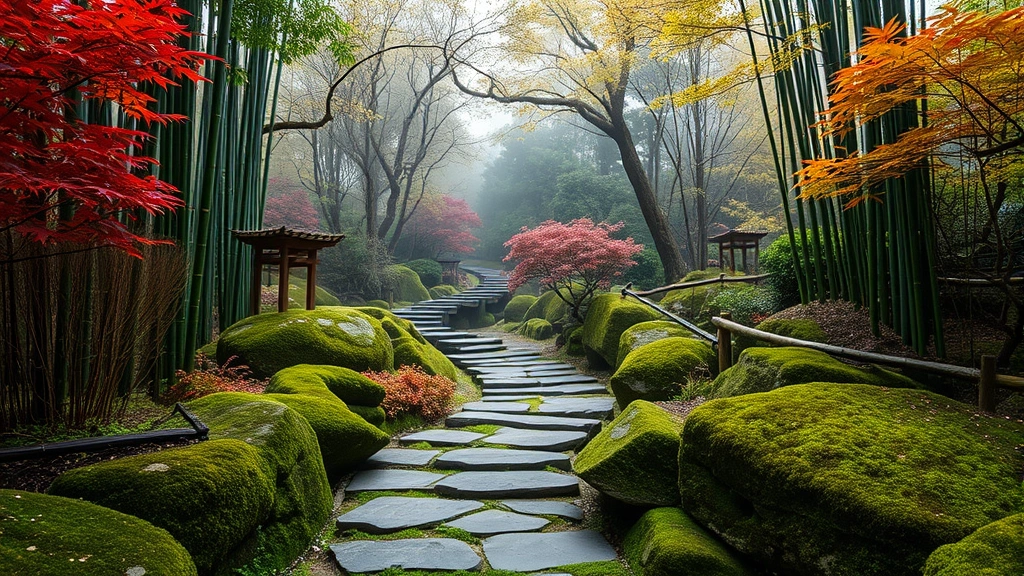
A Sichuan garden represents one of the most sophisticated and philosophically rich gardening traditions in the world. Originating from the Sichuan province in southwestern China, these gardens embody centuries of horticultural wisdom, blending aesthetic principles with practical plant cultivation. Whether you’re an experienced gardener or just beginning your gardening journey, creating a Sichuan garden offers a unique opportunity to explore traditional design principles while growing distinctive plants that thrive in similar climates.
The beauty of a Sichuan garden lies in its harmonious balance between form and function. These gardens showcase carefully selected plants, water features, and architectural elements that create spaces for contemplation and connection with nature. The style emphasizes natural beauty enhanced through thoughtful design rather than ornate decoration, making it accessible for gardeners of all skill levels who are willing to invest time in understanding the fundamental principles.
Understanding Sichuan Garden Philosophy
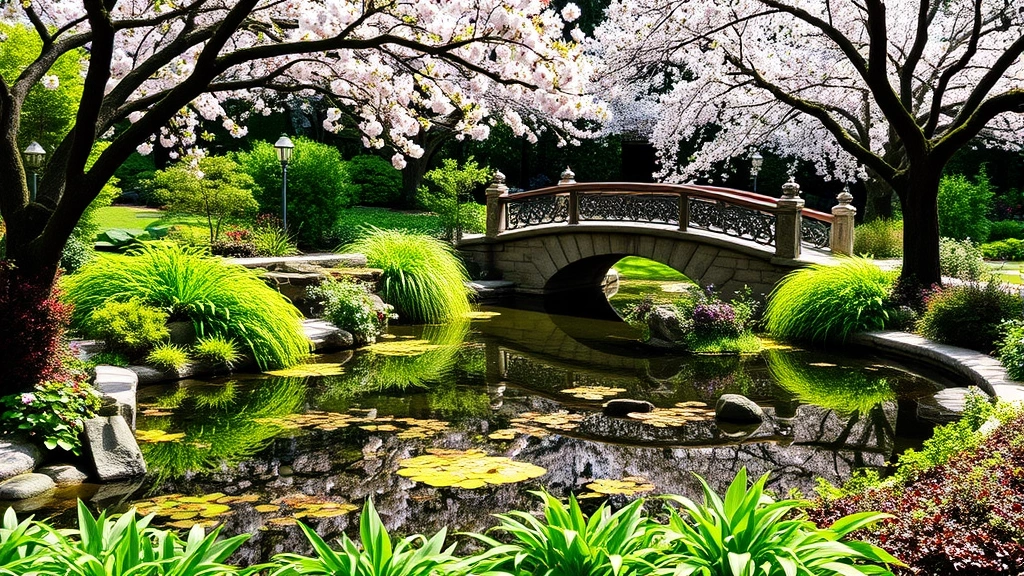
Sichuan gardens reflect deep philosophical roots in Chinese aesthetics and environmental harmony. Unlike Western gardens that often emphasize symmetry and geometric precision, Sichuan gardens celebrate asymmetry and the natural flow of landscape elements. The philosophy centers on creating microcosms of nature—compressed landscapes that invite visitors to explore and discover new perspectives at every turn.
The concept of “borrowed scenery” plays a crucial role in Sichuan garden design. This technique incorporates distant views and surrounding landscapes into the garden composition, making the space feel larger and more connected to its environment. When starting your green journey, understanding this principle helps you plan your garden layout more effectively.
Key philosophical principles include balance (yin and yang), the five elements (wood, fire, earth, metal, and water), and the importance of empty space. Empty space, or “void,” is not considered wasted area but rather an essential design component that provides rest for the eye and allows the mind to appreciate what is present. This approach dramatically differs from Western gardening traditions that tend to fill every available space with plants.
The appreciation for seasonal change is another fundamental aspect. Rather than trying to maintain constant blooming or color, Sichuan gardens celebrate each season’s unique character. Spring blossoms, summer lushness, autumn colors, and winter’s stark beauty are all valued equally, encouraging gardeners to plan for interest throughout the year.
Essential Plants for Your Sichuan Garden
Selecting appropriate plants is fundamental to achieving an authentic Sichuan garden aesthetic. The region’s climate supports a diverse range of plants, from delicate flowering specimens to hardy structural elements. Many plants traditionally used in Sichuan gardens thrive in temperate zones, making them viable options for gardeners in various regions.
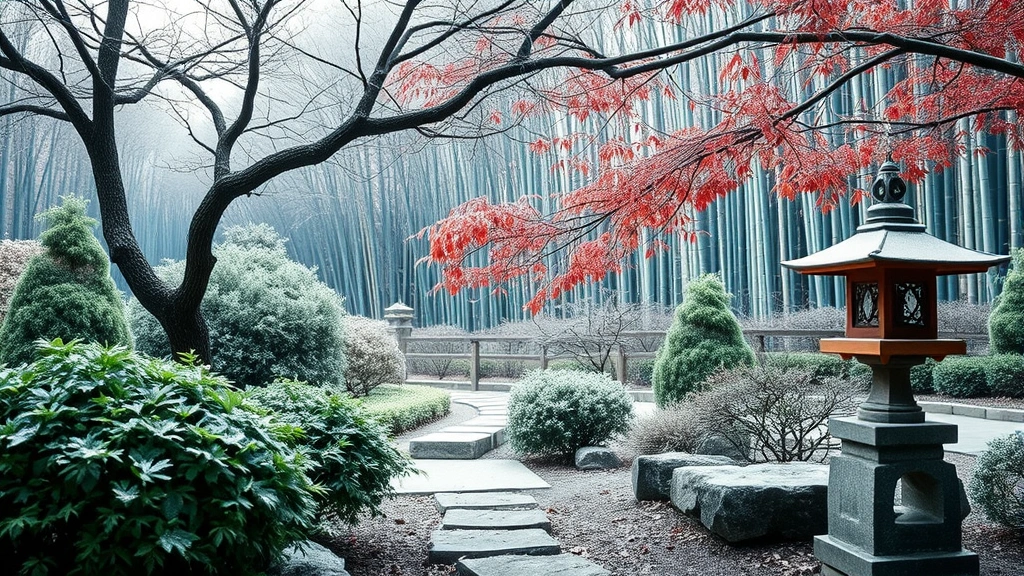
Bamboo varieties are quintessential to Sichuan gardens. These plants provide vertical interest, movement with wind, and a distinctly Asian aesthetic. Phyllostachys aurea (golden bamboo) and Phyllostachys nigra (black bamboo) are popular choices that adapt well to most climates. Bamboo also serves functional purposes, traditionally used for screening and creating enclosed garden rooms.
Flowering trees and shrubs add seasonal beauty and structure. Prunus species (cherry and plum trees), particularly the ornamental varieties, provide stunning spring blooms. Camellias offer winter and early spring flowers in various colors, while magnolias deliver dramatic early-season interest. When planning your raised garden bed areas, consider incorporating smaller flowering shrubs like azaleas and rhododendrons.
Herbaceous plants and groundcovers add texture and color at lower levels. Hostas work well in shaded areas, while various ferns create delicate foliage contrasts. Consider incorporating traditional Asian herb garden plants such as Japanese sansho pepper, which has culinary and ornamental value.
Stone-loving plants like sempervivums and sedums provide year-round interest and complement rocky landscape features. These hardy succulents require minimal maintenance and look striking when planted between stones or in raised bed arrangements.
Evergreen species maintain structure during winter months. Ilex (holly), Euonymus, and various conifer varieties provide consistent form and color. Japanese maples, though deciduous, offer exceptional autumn color and delicate branching structure that becomes sculptural in winter.
Water Features and Stone Elements
Water is considered the lifeblood of any Sichuan garden, representing life, movement, and spiritual significance. Water features can range from small recirculating fountains and streams to larger ponds. The sound and visual presence of water creates a sensory-rich environment that enhances meditation and contemplation.
When incorporating water features, consider your garden’s size and your maintenance capacity. A small garden hose system can efficiently water plants while maintaining water features. Ponds should be designed with adequate depth to support aquatic plants and potentially fish, which help maintain ecological balance. Even a shallow water basin or birdbath provides water’s benefits in a compact space.
Stone selection is equally important as water in Sichuan garden design. Rocks represent permanence, stability, and the earth element. Larger dramatic stones serve as focal points and sculptural elements, while smaller stones create paths, borders, and foundation layers. Local stone varieties are preferable, as they harmonize with your region’s natural landscape.
Weathered and aged stones are more valued than new ones, as they suggest history and natural processes. Limestone, granite, and slate are traditional choices, but any locally available stone that resonates with your aesthetic works well. Arrange stones asymmetrically and at varying heights to create visual interest and encourage exploration.
Stone lanterns, bridges, and stepping stones serve both practical and aesthetic functions. These elements guide movement through the garden while providing focal points. A simple stone bridge over a water feature becomes a destination that encourages visitors to pause and contemplate the surrounding landscape.
Layout and Spatial Design
Effective spatial design in a Sichuan garden creates multiple distinct areas within a unified composition. Even small gardens benefit from zoning that creates the illusion of expansiveness. Use plants, water features, and stone elements to define separate spaces while maintaining visual connection.
Pathways are essential design elements that dictate movement and discovery. Rather than straight, direct routes, Sichuan garden paths wind and curve, revealing new vistas around each turn. Stepping stones create intimate passages through planted areas, while wider paths accommodate contemplative strolling. The path material itself—gravel, stone, or packed earth—contributes to the overall aesthetic.
Consider incorporating a garden bench or viewing platform as a destination point. These spots should offer pleasant views and access to shade. Traditional design often includes enclosed pavilions or open-sided structures where visitors can sit and observe the garden from a specific vantage point.
Vertical elements create depth and interest. Tall bamboo, climbing vines, and trees establish height variation that makes gardens feel larger. Layered planting—with groundcovers, shrubs, understory trees, and tall trees—creates forest-like density and visual complexity. This approach also improves microclimates and plant health by creating varied light and moisture conditions.
Screening and privacy are important considerations. Fences, walls, and dense plantings separate your Sichuan garden from surrounding areas, creating a distinct sanctuary. Traditional bamboo or wooden screens provide authentic aesthetics while allowing light and air circulation.
The principle of proportion ensures that design elements relate harmoniously. A small water feature suits a compact garden, while a larger pond anchors an expansive space. Similarly, plant sizes should vary to create visual rhythm and prevent monotony.
Creating Year-Round Interest
An exceptional Sichuan garden provides beauty and interest throughout all seasons. This requires thoughtful plant selection and an appreciation for each season’s unique characteristics.
Spring brings flowering trees and shrubs. Cherry blossoms, magnolias, camellias, and azaleas provide color and fragrance. Emerging bamboo shoots and fresh foliage on deciduous trees create dynamic growth that visitors can observe over weeks. Spring bulbs like tulips and daffodils add unexpected color in traditional garden settings.
Summer emphasizes lush green foliage and the cooling presence of water. Flowering perennials and herbs reach their peak, while hostas and ferns provide textural interest in shaded areas. The garden becomes a refuge from heat, with water features and dense plantings creating cooler microclimates.
Autumn transforms the garden with color changes. Japanese maples display brilliant reds and oranges, while other deciduous trees shift through yellows and browns. Ornamental grasses add movement and golden tones. This season rewards patience, as the gradual color progression provides weeks of changing beauty.
Winter reveals the garden’s structural elements. Bare tree branches become sculptural, bamboo stands out dramatically, and evergreen plants maintain visual interest. Frost and snow add temporary beauty, while winter-flowering plants like witch hazel and winter jasmine provide unexpected blooms. Dried seed heads and persistent fruit add textural interest.
Climate Considerations and Adaptation
Sichuan province experiences a subtropical climate with warm, humid summers and mild winters. However, you can successfully create a Sichuan garden in many climate zones by selecting plants adapted to your local conditions while maintaining design principles.
In cooler climates, focus on cold-hardy bamboo varieties like Phyllostachys bissetii and choose evergreen plants that tolerate freezing temperatures. Japanese maples, ornamental cherries, and many deciduous shrubs thrive in temperate zones. Consult USDA plant hardiness zones to determine which plants suit your area.
In warmer climates, you have access to a wider range of tropical and subtropical plants. Camellias, azaleas, and flowering trees flourish, while bamboo grows vigorously. Focus on moisture management and provide shade for plants that prefer filtered light.
In drier climates, modify your approach by incorporating drought-tolerant plants that provide similar aesthetics. Ornamental grasses, succulents, and native plants can create a Sichuan-inspired garden while respecting water limitations. Smaller water features or dry stream beds can replace traditional ponds.
Microclimates within your garden affect plant selection significantly. Shaded areas support different species than sunny spots. North-facing walls provide cooler conditions, while south-facing areas offer warmth and intense light. Understanding your specific growing conditions allows you to choose plants that will thrive with minimal intervention.
Maintenance and Seasonal Care
Maintaining a Sichuan garden requires understanding each plant’s specific needs and seasonal rhythms. While the design emphasizes natural beauty, thoughtful maintenance enhances the garden’s health and aesthetics.
Pruning is an essential maintenance practice. Unlike formal gardens requiring rigid shaping, Sichuan gardens benefit from selective pruning that enhances natural form. Remove dead wood, thin dense growth to improve air circulation, and shape plants subtly to guide their development. Bamboo requires regular thinning to maintain elegance and prevent overcrowding.
Watering needs vary by plant type and season. Newly planted specimens require consistent moisture until established. During growing seasons, most plants need regular watering, particularly in hot, dry periods. Reduce watering in winter when plants are dormant. Water features require regular refilling to compensate for evaporation.
Mulching conserves moisture and suppresses weeds while improving soil health. Apply 2-3 inches of organic mulch around plants, keeping it away from tree trunks. As mulch decomposes, it enriches soil, reducing the need for supplemental fertilization.
Fertilizing should be minimal and targeted. Established plants in healthy soil often need little supplemental nutrition. Apply slow-release fertilizers in spring, or use compost as a natural nutrient source. Avoid over-fertilizing, which promotes excessive growth and reduces plant vigor.
Seasonal tasks include spring cleanup of winter debris, summer weed management, autumn leaf collection (which can be composted or used as mulch), and winter damage assessment. Regular monitoring for pests and diseases allows early intervention before problems become serious.
Water feature maintenance requires cleaning pumps and filters, managing algae growth, and ensuring proper water circulation. In cold climates, drain water features before freezing temperatures arrive to prevent damage.
FAQ
What is the minimum space required for a Sichuan garden?
A Sichuan garden can be created in spaces as small as 100-200 square feet. The key is thoughtful design that creates distinct zones and uses vertical elements effectively. Even a balcony or small patio can incorporate essential elements like a water feature, carefully chosen plants, and seating areas.
Can I create a Sichuan garden in a cold climate?
Yes, absolutely. Select cold-hardy plants like Japanese maples, ornamental cherries, and cold-tolerant bamboo varieties. Evergreen plants like hollies and conifers maintain winter interest. The design principles remain the same; only plant selection changes to match your climate zone.
How long does it take to establish a Sichuan garden?
Initial planting takes weeks to months, but a mature garden takes 3-5 years to develop its full character. Plants need time to establish roots and reach substantial size. The gradual development process allows you to observe the space and make adjustments as needed.
Do I need special soil for a Sichuan garden?
Most plants thrive in well-draining soil rich in organic matter. Amend your existing soil with compost before planting. Different plants have varying preferences—acid-loving plants like azaleas and camellias need acidic soil, while others are more adaptable. Conduct a soil test to determine your baseline conditions.
What’s the best way to incorporate traditional elements authentically?
Study traditional Sichuan garden design principles and visit examples if possible. Consult resources from American Horticultural Society and Asian Art Museum for authentic design inspiration. Focus on philosophical principles rather than exact replication, adapting traditional ideas to your specific space and climate.
Should I use native plants in my Sichuan garden?
While traditional Sichuan plants are ideal, incorporating native plants adapted to your region improves environmental sustainability and garden health. Many native plants provide similar aesthetic qualities to traditional species. The goal is creating a beautiful, functional space that suits your environment.
How do I maintain water features in winter?
In freezing climates, drain water features before temperatures drop consistently below freezing. This prevents ice damage to pumps and structures. In milder climates, water features can remain active year-round with occasional maintenance and algae management.


