Can Raccoons Help Your Garden? Expert Insight
Raccoons have a complicated relationship with gardeners. While these intelligent, dexterous mammals are often vilified as garden pests, the reality is far more nuanced. Understanding raccoon behavior and their ecological role can help you determine whether these creatures are truly detrimental to your gardening efforts or if they might offer unexpected benefits. This comprehensive guide explores the science behind raccoon-garden interactions and provides expert strategies for coexistence.
Many gardeners immediately assume raccoons are enemies to be eliminated. However, raccoons are opportunistic omnivores with diverse diets that extend well beyond raiding vegetable patches. Their nocturnal foraging habits, natural pest control abilities, and soil disturbance patterns actually provide measurable benefits to garden ecosystems when properly managed. The key lies in understanding what attracts them, how to protect vulnerable plants, and how to harness their natural behaviors for garden advantage.

Understanding Raccoon Behavior and Diet
Raccoons (Procyon lotor) are highly intelligent mammals with an impressive sense of touch and problem-solving abilities. Their front paws contain sensitive nerve endings that allow them to manipulate objects with remarkable precision, which is why they’re so effective at opening containers, latches, and even doors. Understanding their dietary preferences is essential for determining whether they’ll be beneficial or problematic in your garden.
The average raccoon diet consists of approximately 40% plant material and 60% animal matter, though this ratio varies significantly by season and location. In spring and summer, they consume more insects, grubs, earthworms, and small vertebrates. During fall and early winter, they shift toward fruits, nuts, and vegetables as they prepare for their dormant period. This seasonal variation means raccoons can provide excellent natural pest management during the growing season when grub and insect populations are highest.
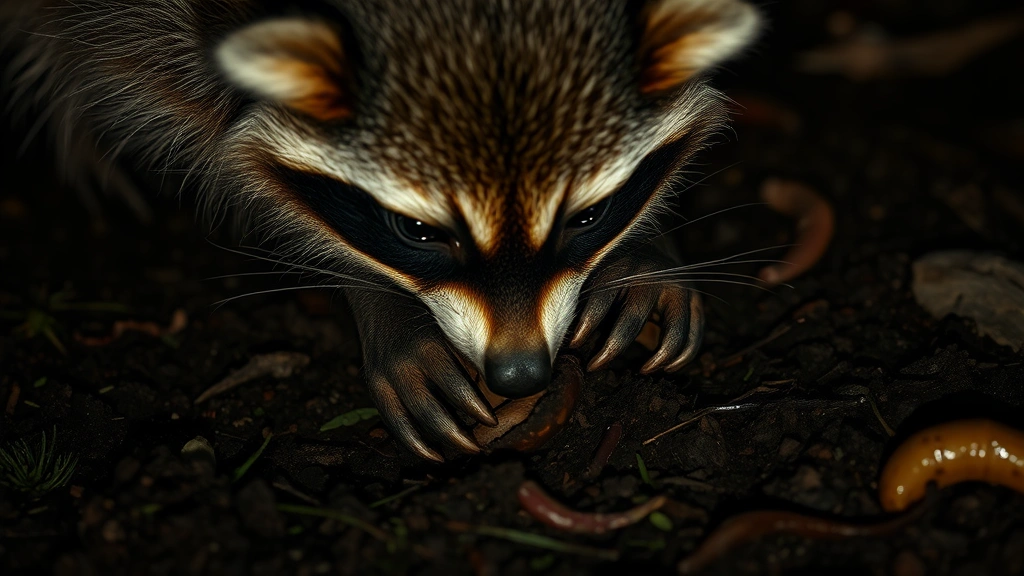
Raccoons are particularly attracted to gardens containing corn, melons, squash, and other soft fruits. However, they’re equally interested in the invertebrate life within your garden beds. A single raccoon can consume hundreds of grubs, beetles, and earthworms in a single night of foraging. When you consider that grubs cause significant damage to lawns and garden plants, raccoon predation on these pests represents a genuine ecological service.
Their nocturnal nature means most of their beneficial pest-control work happens while you sleep. Unlike diurnal predators, raccoons work through the night, systematically hunting soil-dwelling insects that would otherwise damage your plants. This timing actually minimizes disturbance to your daily gardening activities and allows you to observe the benefits without constant interference.
Natural Pest Control Benefits
One of the most significant yet underappreciated benefits raccoons provide is their role as natural pest controllers. Raccoons actively hunt and consume numerous garden pests that would otherwise require chemical intervention or intensive management.
Grub Control: Raccoons are voracious grub hunters. Japanese beetles, June bugs, and other beetle larvae are prime targets for raccoon foraging. A single raccoon can consume thousands of grubs throughout the growing season, reducing pest populations more effectively than many chemical treatments. This is particularly valuable if you’re working toward organic gardening practices.
Earthworm Population Management: While earthworms are beneficial, excessive populations can sometimes indicate problems. Raccoons help maintain balanced earthworm populations while aerating soil through their foraging activities. Their digging creates small holes that improve soil drainage and air penetration, similar to the benefits of raised bed gardening systems.
Insect Pest Reduction: Raccoons consume grasshoppers, crickets, beetles, and numerous other insects that damage garden plants. They’ll flip over logs and debris to access insects hiding underneath, essentially conducting thorough pest inspections of your garden area.
Rodent Control: Raccoons occasionally hunt mice and rats, providing supplementary rodent management. While they’re not primary rodent hunters like owls or snakes, they do contribute to overall pest pressure on rodent populations.
To maximize these benefits while minimizing crop damage, consider designating specific areas of your garden as raccoon foraging zones. These areas, planted with less valuable crops or left somewhat wild, can attract raccoons and concentrate their beneficial pest-control activities away from your primary vegetable beds.
Managing Garden Damage
Despite their benefits, raccoons do cause real damage to gardens. Their digging for grubs can uproot seedlings, and their appetite for ripe vegetables can devastate crops. Managing this damage requires understanding their motivations and implementing targeted prevention strategies.
The most common damage patterns include:
- Soil Disturbance: Raccoons dig shallow holes (typically 3-5 inches deep) while searching for grubs and earthworms. This can damage lawn areas and disturb newly planted seeds or transplants.
- Crop Raiding: Corn, melons, squash, berries, and other fruits are prime targets. Raccoons will sample multiple fruits looking for the ripest specimens, destroying more than they consume.
- Container Destruction: Raccoons can open garbage cans, compost bins, and garden storage containers, scattering contents and creating unsightly messes.
- Plant Damage: While primarily interested in pests and fruits, raccoons will occasionally damage ornamental plants while foraging.
The key to management is removing attractants before raccoons develop habitual patterns. Secure garbage cans with locking lids or store them in enclosed structures. Use ammonia-soaked rags or capsaicin-based repellents near vulnerable crops—raccoons dislike strong odors and spicy sensations. Apply these deterrents before damage occurs, as breaking established feeding habits is significantly more difficult than preventing them initially.
Physical barriers provide the most reliable protection. Install electric fencing around vegetable gardens, set to 4,000-5,000 volts. Raccoons learn quickly that these barriers are unpleasant and typically avoid them after one or two contact experiences. For beginner gardeners, electric fencing might seem intimidating, but modern systems are user-friendly and highly effective.
Alternatively, hardware cloth barriers (½-inch mesh) buried 6-12 inches deep and extending 3-4 feet above ground can exclude raccoons from specific beds. This approach works particularly well for smaller garden areas or valuable crop sections.
Creating Raccoon-Friendly Zones
Rather than viewing raccoons as enemies to be eliminated, consider creating designated zones where they can forage freely. This approach channels their beneficial pest-control activities into specific areas while protecting your main garden.
Establish a wildlife foraging area separate from your primary vegetable beds. This zone should contain:
- Native plants and trees that produce natural foods raccoons prefer
- Areas with undisturbed soil where grubs and earthworms thrive
- Water sources such as shallow basins or small ponds
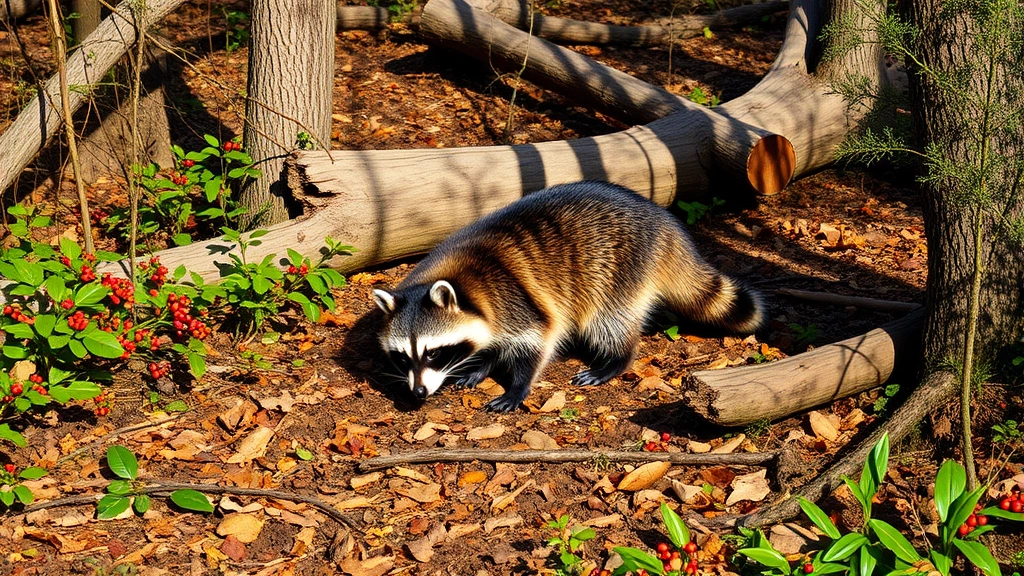
- Fallen logs and leaf litter where invertebrates congregate
- Fruit-bearing shrubs like elderberry, mulberry, or wild grape
This approach provides raccoons with abundant natural food sources, reducing their motivation to raid vegetable gardens. When raccoons have access to preferred natural foods, they’re less likely to damage cultivated crops. Additionally, these zones support broader ecosystem health by providing habitat for various wildlife species.
For those interested in comprehensive garden planning, strategic garden design can incorporate wildlife zones seamlessly into your overall landscape. The key is spatial separation—ensure these zones are at least 30-50 feet from your primary vegetable garden to minimize spillover feeding.
Protecting Vulnerable Plants
Certain garden plants require extra protection due to their appeal to raccoons. Implementing targeted defenses allows you to grow these crops while maintaining beneficial raccoon populations elsewhere on your property.
Corn Protection: Sweet corn is a raccoon favorite, particularly during the milky stage. Install electric fencing around corn patches at least one week before corn reaches full height. Apply hot pepper spray to corn silk and cobs as an additional deterrent. Some gardeners successfully use motion-activated sprinklers, which startle raccoons without causing harm.
Melon and Squash Management: These crops are vulnerable from flowering through ripening. Use netting or row covers during early growth stages, removing them only when flowers open for pollination. Harvest melons promptly when ripe rather than leaving them in the field to overripen.
Fruit Tree Protection: Young fruit trees need protection until they reach sufficient size and height. Use tree guards and install electric fencing around valuable fruit trees. For specialized gardening projects like bonsai cultivation, protective structures can be scaled appropriately to smaller specimens.
Berry Patch Security: Raspberry, blackberry, and blueberry patches require vigilant protection during fruiting season. Install tall netting supported by sturdy frames, ensuring no gaps where raccoons can squeeze through. Electric fencing around berry patches is highly effective, as raccoons quickly learn to avoid these barriers.
Seasonal Considerations
Raccoon activity patterns vary significantly throughout the year, and understanding these seasonal changes helps you implement timely management strategies.
Spring (March-May): Raccoons emerge from winter dormancy with strong appetites. This is an excellent time to implement deterrents before they establish feeding patterns. Spring is also when soil is most vulnerable to disturbance from grub-hunting raccoons. Apply grub control treatments early to reduce the invertebrate attractants that draw raccoons to your garden beds.
Summer (June-August): Peak raccoon activity coincides with peak garden productivity. Ripening vegetables and fruits attract raccoons most intensely during this period. Maintain consistent deterrent applications and monitor vulnerable crops closely. This is when electric fencing proves most valuable, as raccoons are actively foraging throughout the night.
Fall (September-November): Raccoons shift into hyperphagia mode, dramatically increasing food consumption to build fat reserves for winter. This period sees the most intense crop raiding as raccoons attempt to maximize caloric intake. Increase protective measures and ensure all deterrents are functioning optimally. Consider harvesting crops earlier than usual to reduce time they’re exposed to raccoon predation.
Winter (December-February): Raccoons enter a dormant state, though they don’t truly hibernate. Activity decreases significantly, and raccoons rely on cached foods and occasional foraging during mild periods. Winter garden damage is minimal, and you can focus on planning next season’s strategies and installing permanent protective structures.
Understanding these patterns allows you to concentrate management efforts during high-risk periods rather than maintaining constant vigilance year-round. This seasonal approach is more sustainable and less stressful for both you and the raccoon population.
For those growing cool-season crops like peas, timing can actually work in your favor. Spring and fall pea crops mature during periods when raccoons are transitioning between activity levels, making damage less severe than summer vegetable crops.
FAQ
Do raccoons actually improve garden soil?
Yes, raccoon foraging activity provides soil aeration benefits similar to tilling. Their digging creates small holes that improve drainage and air penetration. However, this benefit is typically outweighed by damage to plants and seedlings. To maximize soil benefits while minimizing damage, designate specific areas for raccoon foraging.
Can I use lethal control as a solution?
While lethal control is legal in many areas, it’s often ineffective long-term. Removing raccoons typically results in immigration of new individuals from surrounding populations within weeks. Non-lethal exclusion and deterrence strategies provide more sustainable, permanent solutions. Additionally, many jurisdictions require humane treatment of wildlife.
What’s the best type of fencing for raccoon exclusion?
Electric fencing remains the most effective option, as raccoons quickly learn to avoid it. Hardware cloth barriers work well but require proper installation (½-inch mesh, buried 6-12 inches deep). Combination systems using both electric and physical barriers provide maximum effectiveness.
Will removing food sources eliminate raccoons from my property?
Partially. Removing garbage, securing compost, and protecting crops will reduce raccoon visitation but won’t eliminate them entirely, as they find numerous natural food sources. The goal should be coexistence management rather than complete elimination.
Are raccoons dangerous to humans?
Raccoons generally avoid humans and attacks are extremely rare. However, they can carry rabies and other diseases. Never attempt to hand-feed or closely approach wild raccoons. If a raccoon seems unusually aggressive or lethargic, contact wildlife authorities immediately.
Can I use indoor gardening methods to protect crops from raccoons?
Yes, growing vegetables indoors or in enclosed structures eliminates raccoon access entirely. This approach works well for herbs and leafy greens but isn’t practical for all crops. For plants requiring outdoor growing, combine indoor techniques with outdoor protective measures.


