How to Create a Paradise Garden: Expert Tips for Your Dream Outdoor Oasis
Transforming your outdoor space into a paradise garden is one of the most rewarding projects a homeowner can undertake. A true paradise garden combines lush vegetation, thoughtful design, and functional spaces that invite relaxation and connection with nature. Whether you’re starting from scratch or revitalizing an existing landscape, creating your dream garden requires strategic planning, knowledge of plants suited to your climate, and an understanding of design principles that make spaces feel both beautiful and welcoming.
The concept of a paradise garden extends beyond simple aesthetics. It encompasses creating an environment where you can escape the stresses of daily life, grow your own food and herbs, attract beneficial wildlife, and establish a sustainable ecosystem right in your backyard. This comprehensive guide will walk you through expert strategies for designing and implementing a paradise garden that reflects your personal vision while thriving in your specific growing conditions.
Planning Your Paradise Garden Layout
The foundation of any successful paradise garden begins with thoughtful planning and design. Before planting a single seed, spend time observing your space throughout different times of day and seasons. Understanding how sunlight moves across your yard, identifying areas of shade and full sun exposure, and noting existing trees or structures will inform every decision you make moving forward.
Start by creating a rough sketch of your yard, marking cardinal directions and noting areas that receive varying amounts of sunlight. Most flowering plants and vegetables require at least six hours of direct sunlight daily, while shade-loving plants can thrive in areas receiving dappled or filtered light. Consider creating different zones within your garden—perhaps a seating area, a vegetable production zone, and a ornamental display area. This zoning approach helps organize your space functionally while creating visual interest.
When designing your layout, think about traffic flow and sightlines. You want pathways that encourage exploration while protecting your planted areas from foot traffic. The rule of thirds, borrowed from photography, works beautifully in garden design: divide your space into three vertical and three horizontal sections, placing focal points along these intersecting lines rather than dead center. This creates more dynamic and visually interesting compositions.
Before you begin extensive plantings, consider your climate zone and the specific microclimates within your yard. A south-facing wall might be significantly warmer than an open northern exposure, allowing you to grow plants outside their typical hardiness range. Similarly, low-lying areas may collect cold air and frost, while elevated spots drain water more quickly. Understanding these nuances helps you place plants where they’ll thrive rather than struggle.
Selecting Plants for Year-Round Beauty
The heart of any paradise garden lies in its plant selection. Rather than choosing plants solely based on appearance, successful gardeners select specimens that are well-suited to their region’s climate, soil conditions, and rainfall patterns. This approach reduces maintenance needs while ensuring your garden looks vibrant throughout the year.
Begin by researching native and adapted plants for your region. Native plants have evolved to thrive in your local climate and soil, requiring less water, fertilizer, and pest management than non-native species. They also support local wildlife, butterflies, and pollinators that are essential for a healthy ecosystem. Organizations like the Native Plant Society provide region-specific recommendations.
When selecting plants, think in layers. A mature paradise garden includes canopy trees, understory trees or large shrubs, medium shrubs, small shrubs, herbaceous perennials, groundcovers, and vines. This layered approach creates depth, provides habitat for wildlife, and ensures your garden has visual interest at every level. Trees provide shade and structure, shrubs create privacy and seasonal interest, and perennials offer color and texture throughout growing seasons.
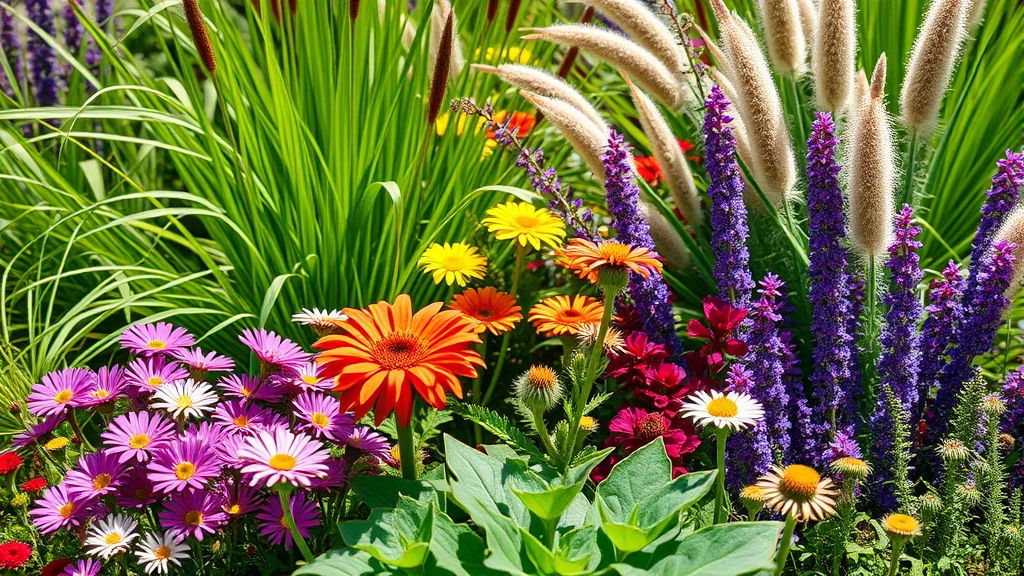
Incorporate plants with extended bloom times and varied foliage colors to maintain visual interest year-round. Choose spring bloomers like flowering cherries and magnolias, summer performers such as coneflowers and black-eyed Susans, fall bloomers including asters and sedum, and winter interest plants like evergreens, colorful bark trees, and ornamental grasses. This succession of blooms ensures something is always happening in your paradise garden.
Don’t overlook the importance of fragrant plants. Gardenias, jasmine, lavender, roses, and lilacs add an olfactory dimension to your paradise garden. Position fragrant plants near seating areas and along pathways where you’ll regularly encounter their scents. Consider also creating an herb garden with aromatic plants like mint, rosemary, and basil that serve both culinary and aesthetic purposes.
Understanding plant characteristics helps you create harmonious combinations. Group plants with similar water and sunlight requirements together for easier management. Consider mature sizes rather than current nursery sizes—a small plant today becomes a large specimen tomorrow, potentially overwhelming surrounding plants if spacing isn’t planned appropriately. When in doubt, err on the side of spacing plants further apart; you can fill gaps with annuals or groundcovers during the first few years.
Creating Focal Points and Structures
Every paradise garden benefits from well-placed focal points that draw the eye and create visual anchors throughout the landscape. Focal points provide destinations for the viewer’s gaze and help create a sense of purposefulness in your garden design.
A specimen tree or large shrub with distinctive form, color, or texture serves as an excellent focal point. Japanese maples, weeping willows, or ornamental crabapples create visual interest and draw attention to specific areas. Statuary, water features, or artistic elements can also function as focal points. When selecting decorative elements, ensure they reflect your personal style while complementing your overall garden aesthetic.
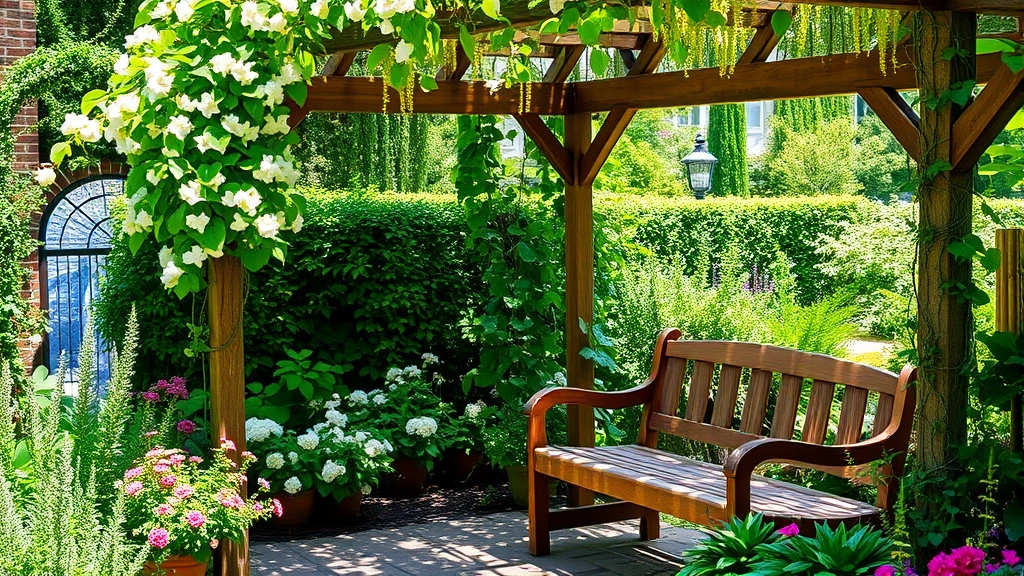
Structural elements like a garden arch or pergola provide both function and visual interest. These structures create defined spaces, support climbing plants, and offer shade for seating areas. An arch positioned at the entrance to your garden creates a threshold that psychologically separates your garden paradise from the outside world. Pergolas work beautifully over patios or pathways, providing dappled shade while framing views.
Consider incorporating seating areas strategically throughout your paradise garden. A bench positioned to overlook a focal point, nestled in a fragrant corner, or situated to capture the best sunset views encourages you to spend more time enjoying your creation. Seating areas also help define different garden rooms and create destinations for garden exploration.
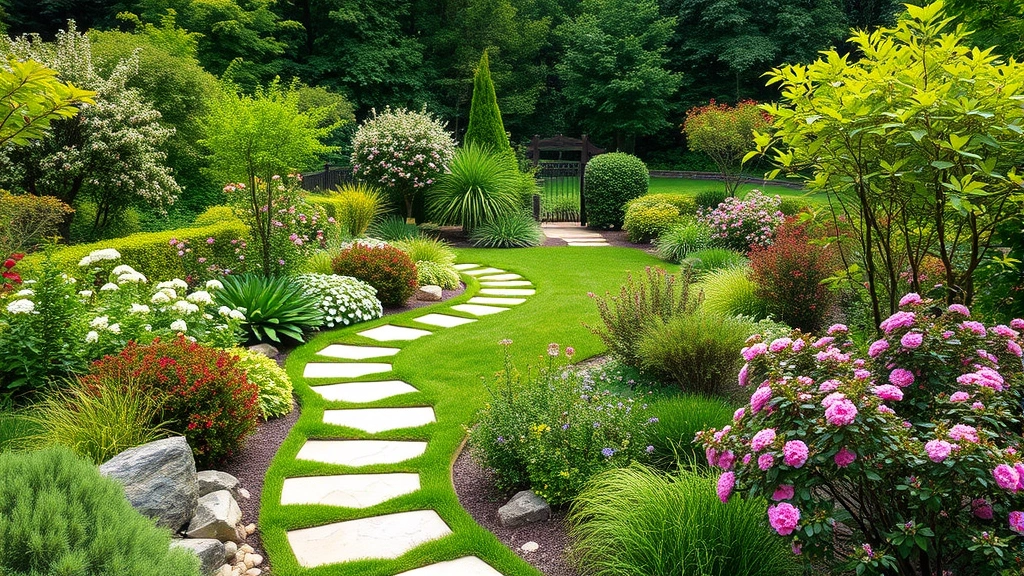
Pathways themselves can be focal points. A winding gravel path lined with fragrant plants, a stepping-stone trail through a shade garden, or a formal brick walkway all create visual interest while serving the practical function of moving through the space. Pathways also protect plants from foot traffic and help organize the garden into distinct areas.
Water Features and Hardscaping
Water features add movement, sound, and visual interest to paradise gardens. Even a small fountain or birdbath attracts wildlife while creating a soothing auditory experience. Larger features like ponds or streams create habitat for aquatic plants and animals while transforming your garden into a true oasis.
When incorporating water features, consider scale and proportion. A massive fountain in a tiny yard feels overwhelming, while a delicate birdbath might disappear in a large landscape. Position water features where you’ll hear and see them regularly—near seating areas or visible from windows—to maximize their sensory impact.
Hardscaping elements—patios, decks, retaining walls, and raised beds—provide structure and functionality to your paradise garden. Quality hardscaping materials weather beautifully and complement your plantings. Natural stone, quality brick, or composite materials create lasting impressions while providing practical spaces for entertaining and relaxing.
The proportion of hardscape to planting affects your garden’s overall feel. A garden dominated by hardscape feels urban and formal, while one heavy on plants feels wild and natural. Most successful paradise gardens balance the two, using hardscape to define spaces and create functionality while allowing plants to provide the beauty and life force.
Consider raised bed gardening options for growing vegetables and herbs. Raised beds offer improved drainage, easier maintenance, and better pest management while adding visual interest to your landscape. They’re also accessible to gardeners with mobility concerns, making paradise gardening inclusive for everyone.
Incorporating Edible Elements
A true paradise garden often includes spaces dedicated to food production. Blending edible plants with ornamental ones creates a garden that’s both beautiful and productive. Vegetable gardens needn’t look utilitarian—carefully designed beds with attractive plants can be stunning focal points.
When integrating edible elements, consider aesthetic qualities alongside productivity. Colorful chard, purple-podded beans, flowering herbs, and berry-producing shrubs add visual interest while providing food. An herb garden featuring culinary and medicinal plants creates a functional paradise space. Herbs like rosemary, thyme, and lavender serve multiple purposes: they’re beautiful, aromatic, useful in the kitchen, and attractive to pollinators.
Fruit trees and berry-producing shrubs integrate seamlessly into landscape design while providing harvests. Blueberry bushes offer spring flowers, summer fruit, and gorgeous fall color. Apple and pear trees provide structure and seasonal interest. Thornless raspberries and blackberries can be trained on structures, creating both beauty and productivity.
Consider the practical aspects of food gardening in your paradise space. Vegetable gardens require regular watering, weeding, and maintenance. Position them where you’ll see them regularly—this visibility encourages you to tend them consistently. Ensure adequate sunlight; most vegetables require at least six to eight hours of direct sun daily. A garden positioned near a water source reduces the labor of hand watering during dry periods.
Understanding how to propagate plants helps you expand your edible garden affordably. Many herbs propagate easily from cuttings, allowing you to expand your plantings without purchasing new specimens. Seed saving from productive plants creates a sustainable cycle where your garden produces not just food but also the seeds for next year’s harvests.
Sustainable Garden Practices
Creating a true paradise garden means building an ecosystem that sustains itself with minimal external inputs. Sustainable practices benefit the environment while reducing your workload and expenses over time.
Begin with soil health, the foundation of everything that grows. Test your soil to understand its composition, pH, and nutrient content. Most plants thrive in soil rich with organic matter. Adding compost, aged manure, or leaf mulch improves soil structure, water retention, and nutrient availability. Building soil fertility naturally through composting reduces reliance on synthetic fertilizers while creating a closed-loop system where garden waste becomes garden amendment.
Water management is crucial in sustainable gardening. Install drip irrigation or soaker hoses that deliver water directly to plant roots, reducing evaporation and runoff. Group plants with similar water needs together—xeriscaping principles suggest designing areas with drought-tolerant plants that require minimal supplemental watering once established. Mulching conserves soil moisture while moderating soil temperature and suppressing weeds.
Integrated pest management (IPM) controls garden problems while minimizing chemical use. This approach combines cultural practices (proper spacing, sanitation), biological controls (beneficial insects, predators), and targeted interventions only when necessary. Attracting native pollinators and beneficial insects through diverse plantings creates a balanced ecosystem where pests are naturally controlled.
Avoid synthetic pesticides and herbicides that harm beneficial organisms and pollute groundwater. Instead, encourage natural predators like ladybugs, lacewings, and parasitic wasps by providing diverse plantings and water sources. Hand-picking larger pests, using row covers on young plants, and removing diseased plant material manually often suffice for most garden problems.
Consider gardening tips for beginners focused on sustainable approaches. Starting with native plants, building healthy soil, and establishing water-wise practices from the beginning creates a paradise garden that thrives with minimal intervention. The Oregon State University Extension Service provides excellent resources on sustainable landscape practices.
Maintenance and Seasonal Care
Even paradise gardens require seasonal attention and maintenance. However, thoughtful design and plant selection minimize the effort required to keep your space looking beautiful.
Spring brings renewal and growth. As temperatures warm, prune back dead wood from winter, divide overcrowded perennials, and apply fresh mulch to planting beds. Spring is the ideal time for planting most trees, shrubs, and perennials, giving them time to establish before summer heat arrives. Begin regular weeding before weeds become established—it’s far easier to remove small weeds than mature ones.
Summer requires consistent watering, especially during establishment periods. Check soil moisture regularly; most plants prefer consistently moist but not waterlogged soil. Deadhead spent flowers to encourage continued blooming and redirect plant energy into flower production rather than seed development. Watch for pests and diseases, addressing problems early before they become severe.
Fall is an excellent time for planting in many regions, as cooler temperatures and typically adequate moisture help plants establish root systems. Collect fallen leaves to create leaf mold or add to compost piles. Cut back perennials after frost, but leave ornamental grasses standing through winter for visual interest and wildlife habitat. Plant spring-flowering bulbs in autumn for stunning displays the following spring.
Winter maintenance depends on your climate. In cold regions, protect tender plants with mulch or burlap wrapping. Winter is an excellent time for planning next year’s improvements and evaluating what worked well and what needs adjustment. Review photographs taken throughout the growing season to identify gaps in color, timing, or visual interest. This reflection period allows you to refine your paradise garden continuously.
Regular deadheading, pinching back leggy growth, and removing diseased foliage keep plants looking their best. However, leave some seed heads standing for wildlife food and winter interest. Fallen leaves and plant debris provide habitat for beneficial insects, so avoid obsessive autumn cleanup; instead, create designated areas where natural debris accumulates.
FAQ
What’s the best time to start creating a paradise garden?
The best time is whenever you’re ready to begin. Spring and fall offer ideal planting conditions in most regions, but thoughtful design and planning can happen anytime. Start with observation and planning, then implement gradually as time and budget allow. A paradise garden develops over seasons and years rather than overnight.
How much space do I need for a paradise garden?
Paradise gardens exist at every scale, from small balcony containers to sprawling estates. Even a modest backyard can become a paradise with thoughtful design, appropriate plant selection, and strategic use of vertical space. Focus on quality over quantity—a small well-designed garden outshines a large neglected space.
Can I create a paradise garden in a small yard?
Absolutely. Small spaces benefit from careful plant selection, vertical gardening, container plantings, and strategic focal points. Layered planting, climbing plants on structures, and multifunctional elements maximize visual impact and usability in limited space. A small paradise garden often feels more intimate and special than larger alternatives.
How do I choose plants for my specific climate?
Research your USDA hardiness zone and local plant societies. Consult your local cooperative extension office for climate-specific recommendations. Visit established gardens in your region to see what thrives. The USDA Plant Hardiness Zone Map provides a starting point for understanding what plants tolerate your winter temperatures.
What’s the most important element of a paradise garden?
Healthy soil is foundational to everything else. Without quality soil, plants struggle regardless of other efforts. Invest in soil testing, amending, and ongoing organic matter addition. A paradise garden is built from the ground up—literally.
How can I attract wildlife to my paradise garden?
Provide diverse plantings that offer food sources throughout the year, water features for drinking and bathing, and shelter through trees, shrubs, and natural debris. Avoid pesticides and herbicides that harm beneficial organisms. Native plants support local wildlife most effectively. A thriving ecosystem with diverse insects, birds, and other creatures indicates a healthy, balanced paradise garden.
Is it expensive to create a paradise garden?
Paradise gardens can be created at any budget level. Start small, prioritize quality soil and plant health over quantity, and let your garden develop gradually. Propagating plants, starting from seeds, and trading plants with other gardeners reduces costs. Many beautiful, thriving gardens develop over years with modest annual investments.


