Jerusalem Garden Design: Expert Tips Inside
Creating a Jerusalem garden brings the timeless charm and practical elegance of Middle Eastern gardening traditions into your own landscape. Whether you’re inspired by the terraced gardens of the Judean hills or the lush courtyards found throughout Jerusalem’s historic neighborhoods, this design approach combines water conservation, ornamental beauty, and functional growing spaces. A Jerusalem garden reflects centuries of horticultural wisdom adapted to semi-arid climates, making it an excellent choice for gardeners seeking both aesthetic appeal and sustainability.
The essence of Jerusalem garden design lies in its balance between form and function. These gardens traditionally maximize limited water resources while creating cool, inviting spaces that serve as outdoor rooms. With careful planning and knowledge of appropriate plants and hardscaping techniques, you can recreate this distinctive style in virtually any climate zone. This guide will walk you through the fundamental principles, plant selections, and design strategies that make Jerusalem gardens so special.

Understanding Jerusalem Garden Principles
Jerusalem gardens operate on core design principles developed over millennia in the Mediterranean and Middle Eastern regions. The foundation of these gardens is efficiency combined with beauty—every element serves a purpose while contributing to the overall aesthetic. Unlike ornamental gardens that prioritize appearance alone, Jerusalem gardens integrate productive spaces with decorative elements seamlessly.
One fundamental principle is the concept of enclosed spaces. Historically, gardens in Jerusalem were often enclosed by walls or dense plantings to create private retreats from the bustling city streets and to protect plants from harsh winds and intense sun. This enclosed approach also helps retain moisture and creates microclimates that benefit sensitive plants. Consider how you might incorporate this principle through strategic use of walls, hedges, or pergolas that define garden rooms.
Another essential principle is vertical gardening. With limited ground space in many urban and semi-arid environments, Jerusalem gardens maximize growing potential by utilizing walls and structures. Climbing plants, espaliers, and wall-mounted containers transform vertical surfaces into productive green spaces. This technique also provides shade and cooling effects that lower ambient temperatures within the garden.
The concept of water management permeates every aspect of Jerusalem garden design. Rather than relying on abundant rainfall, these gardens employ terracing, mulching, and strategic plant placement to conserve every drop. You’ll notice water features—fountains, pools, or channels—serve both practical and aesthetic purposes, creating humidity while providing visual and auditory interest.
Water Conservation and Irrigation
Water scarcity shaped Jerusalem gardening practices for centuries, resulting in sophisticated conservation techniques that remain relevant today. Understanding these methods helps you create a sustainable garden that thrives even during dry periods. Drip irrigation systems deliver water directly to plant roots, minimizing evaporation and runoff. This targeted approach uses 30-50% less water than traditional overhead sprinklers while promoting healthier plant growth.
Implement mulching strategies as your first line of defense against water loss. A 3-4 inch layer of organic mulch (wood chips, straw, or shredded leaves) maintains soil moisture, regulates temperature, and suppresses weeds. In Jerusalem gardens, mulch also reflects the traditional practice of creating protective ground covers that shield soil from intense sun exposure. Replace mulch annually as it breaks down and enriches your soil.
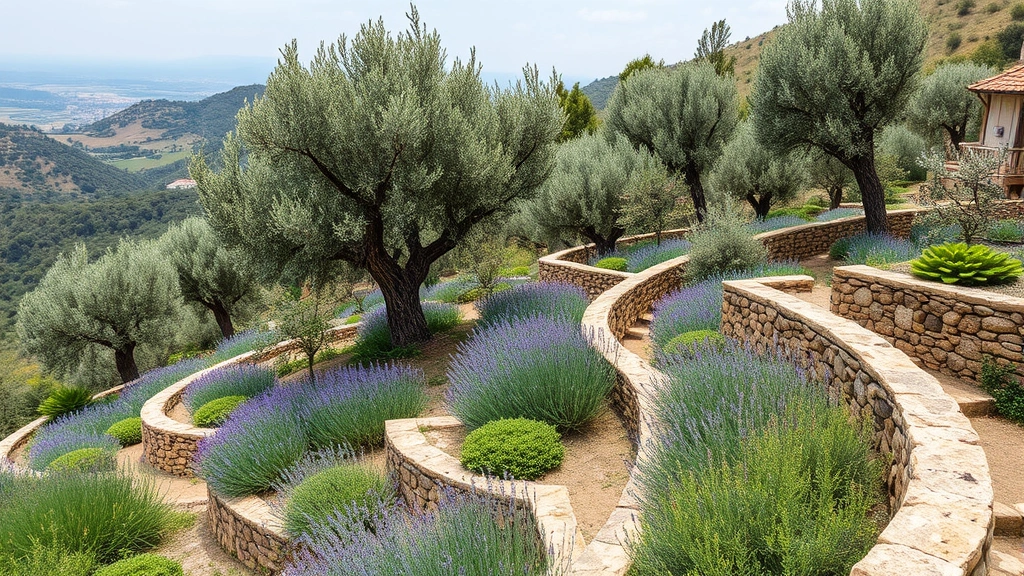
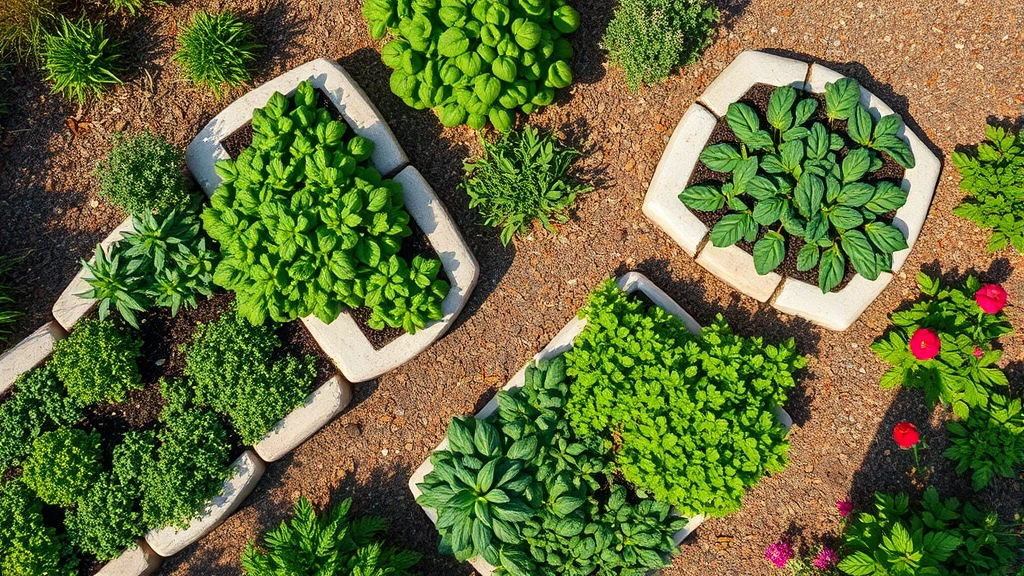
Terracing represents another water-conservation cornerstone. By creating level planting areas on sloped terrain, terraces slow water runoff and allow moisture to penetrate deeply into the soil. Even on flat ground, subtle grading and sunken planting beds capture and retain water. Consider building raised garden beds with slight depressions to catch and hold moisture during irrigation.
Rainwater harvesting complements drip irrigation beautifully. Install rain barrels or cisterns to collect roof runoff during rainy seasons, storing water for dry periods. Many Jerusalem gardens traditionally featured cisterns and reservoirs that captured seasonal rainfall for use throughout the year. Modern versions might include underground storage tanks or decorative rain barrel systems that serve as garden features.
Selecting drought-tolerant plants represents the most effective long-term water conservation strategy. Mediterranean and Middle Eastern native plants evolved to thrive with minimal supplemental water once established. This approach reduces your irrigation needs while creating an authentic Jerusalem garden aesthetic. Pair this with starting your flower garden using water-wise selections from the beginning.
Hardscaping and Layout Design
Hardscaping elements form the skeleton of any Jerusalem garden, providing structure, circulation, and visual organization. Stone pathways are quintessential to this style—using locally sourced stone or aged materials creates authentic character. Arrange stones in traditional patterns such as herringbone or irregular flagstone layouts that guide visitors through different garden zones while maintaining the rustic aesthetic.
Incorporate terracotta or stone features that echo Jerusalem’s architectural heritage. Large clay pots, urns, and vessels serve practical purposes while adding sculptural interest. These containers provide flexibility, allowing you to move plants seasonally and create focal points in garden rooms. Group odd numbers of pots (3, 5, or 7) in varying heights for visual impact.
Walls and vertical structures define space and provide essential support for climbing plants. Consider building dry stone walls using traditional stacking techniques, which create rustic charm while providing habitat for beneficial insects and small creatures. If building isn’t feasible, install wooden trellises or arbors that offer climbing support for vines while creating filtered shade. These structures can frame views, divide garden areas, and support productive vines like grapes or climbing beans.
Water features anchor Jerusalem garden design both functionally and emotionally. A central fountain or small pool creates cooling effects while providing visual interest and gentle water sounds that mask urban noise. Even a small recirculating fountain in a courtyard setting creates the ambiance of traditional Jerusalem gardens. Position water features where they’re visible from main seating areas to maximize their impact.
Seating areas should feel integrated into the garden rather than added as afterthoughts. Create shaded gathering spaces using pergolas, tree canopies, or fabric shade structures. Stone benches, built-in seating along walls, or simple wooden chairs positioned to view focal points encourage you and guests to linger and enjoy the space. The best Jerusalem gardens function as outdoor rooms for living, not just viewing.
Plant Selection for Your Space
Choosing appropriate plants makes or breaks a Jerusalem garden design. Mediterranean natives form the backbone of authentic selections—plants that evolved in similar climates with hot, dry summers and mild, wet winters. Olive trees, cypress, and carob provide structure and year-round interest. If your climate differs significantly from Mediterranean conditions, select regional equivalents that tolerate your specific conditions while maintaining the desired aesthetic.
Aromatic herbs thrive in Jerusalem gardens and serve multiple purposes. Plant rosemary, lavender, oregano, and thyme in sunny locations where their fragrant foliage releases scent when brushed. These herbs attract pollinators, provide culinary harvests, and require minimal water once established. An indoor herb garden extends your harvest indoors during winter months. Group herbs together in well-draining soil amended with sand or gravel to prevent waterlogging.
Flowering plants should emphasize warm tones and seasonal interest. Pomegranates, flowering almonds, and caper plants provide spring color and summer interest while connecting to Jerusalem’s botanical heritage. Incorporate geraniums, marigolds, and cosmos for cottage-style charm that complements traditional design. Plant bulbs like alliums and tulips in fall for spring color that brings gardens to life after winter dormancy.
Consider productive plantings that yield edible harvests alongside ornamental value. Fruit trees—particularly figs, pomegranates, and citrus—anchor gardens while providing shade and food. Grapevines trained over pergolas create living shade structures while producing fruit. Growing easy vegetables for beginners in dedicated beds or containers ensures fresh produce while maintaining the garden’s functional heritage.
Evergreen foliage plants provide year-round structure and screening. Box, holly, and privet create dense hedges that define spaces and provide privacy. Variegated or silvery-leaved plants like dusty miller and artemisia brighten shaded areas while tolerating dry conditions. These foliage selections create visual interest even when flowering plants are dormant.
Native groundcovers and small shrubs fill spaces between larger plantings while reducing maintenance needs. Creeping thyme, sedums, and dwarf santolina spread across ground areas, suppress weeds, and require minimal water once established. These plants also soften hardscape edges, creating transitions between paved areas and planting beds that feel natural rather than harsh.
Creating Focal Points and Features
Every well-designed Jerusalem garden benefits from strategic focal points that draw the eye and create visual interest. A focal point might be a specimen tree, water feature, sculpture, or architectural element positioned where it’s visible from main viewing areas. This could be an ancient olive tree, a sculptural urn, or a decorative gate that frames views beyond the garden.
Consider creating garden rooms that echo traditional Jerusalem courtyard designs. Divide your space into distinct areas using walls, hedges, or pergolas—a sunny seating area, a productive vegetable zone, a shaded rest spot. Each room should feel purposeful and connected to adjacent spaces while maintaining some visual separation. This approach maximizes the sense of space while creating intimate gathering areas.
Implement layering techniques that add depth and complexity to planting designs. Tall trees form a canopy layer, mid-sized shrubs create an understory, and groundcovers fill lower spaces. This vertical organization mimics natural forest structure while maximizing growing space and creating shelter for beneficial insects and wildlife.
Incorporate fragrance strategically by positioning scented plants along pathways and near seating areas. Lavender-lined borders, jasmine-covered pergolas, and rose gardens create sensory experiences that engage visitors beyond visual interest alone. Night-blooming plants like moonflowers and evening primrose extend garden enjoyment into cooler evening hours when you’re most likely to spend time outdoors.
Create seasonal interest through thoughtful plant selection and garden maintenance. Spring bulbs emerge after winter dormancy, summer vegetables and herbs reach peak productivity, autumn brings fruit harvests and foliage color changes, and winter evergreens and structural elements maintain visual interest. A well-designed Jerusalem garden reveals new details and seasonal pleasures throughout the year.
Seasonal Maintenance and Care
Maintaining a Jerusalem garden follows seasonal rhythms that reflect the region’s climate patterns. Spring brings peak growth and the ideal time for major garden work. Prune winter-damaged growth, refresh mulch layers, and divide perennials that have outgrown their spaces. Plant warm-season vegetables and herbs once frost danger passes. Increase irrigation gradually as temperatures rise and plants enter active growth phases.
Summer maintenance focuses on water management and pest monitoring. Check drip irrigation systems regularly to ensure they’re delivering water efficiently. Water deeply but less frequently to encourage deep root growth that supports drought tolerance. Monitor for pests and diseases that thrive in warm weather, addressing problems early before they spread. Provide shade cloth over tender plants during extreme heat waves.
Autumn represents harvest time for many crops. Collect seeds from mature plants for next year’s garden, preserve herbs for winter use, and harvest mature vegetables before frost. Plant cool-season crops like lettuce, spinach, and root vegetables that thrive in shortening days and cooler temperatures. Reduce irrigation gradually as plant growth slows and prepare beds for winter dormancy.
Winter maintenance focuses on protection and planning. Mulch tender plants before hard freezes arrive, protect young trees from wind damage, and prune dormant plants during their rest period. This is an excellent time to plan next season’s garden layout, order seeds and plants, and complete any hardscape projects while weather permits outdoor work.
Regular soil testing and amendment maintains garden health year-round. Test soil every 2-3 years to monitor pH, nutrient levels, and organic matter content. Most Mediterranean plants prefer slightly alkaline soil, so adjust amendments accordingly. Incorporate compost annually to replenish organic matter and support beneficial soil microorganisms that enhance plant health and resilience.
Develop a pest and disease management strategy that emphasizes prevention over treatment. Healthy plants in appropriate growing conditions resist pests and diseases more effectively than stressed plants. Encourage beneficial insects by planting diverse species that attract pollinators and predatory insects. Remove diseased plant material promptly, and quarantine new plants before integrating them into your garden.
Connect with local resources for region-specific guidance. Consult your local American Horticultural Society chapter or university extension service for climate-specific recommendations. Many regions offer master gardener programs that provide free personalized guidance.
FAQ
What climate zones work best for Jerusalem gardens?
Jerusalem gardens thrive in USDA zones 8-11 where Mediterranean conditions prevail. However, you can adapt the design principles to cooler climates by selecting cold-hardy alternatives that share the aesthetic qualities of traditional plants. Consult your USDA Plant Hardiness Zone map and select plants rated for your specific zone.
How much space do I need for a Jerusalem garden?
Jerusalem gardens work in spaces of any size, from small urban courtyards to sprawling suburban landscapes. Even a modest 100-square-foot space can accommodate a complete Jerusalem garden with proper vertical gardening, container plantings, and thoughtful design. The key is maximizing your available space through layering and strategic plant selection rather than requiring a minimum square footage.
Can I incorporate a cottage garden style into Jerusalem design?
Absolutely! A cottage garden style blends beautifully with Jerusalem design principles. Both emphasize mixed plantings, productive spaces, and romantic aesthetics. Combine the water-conservation focus of Jerusalem gardens with the abundant flowering plants and charming disorder of cottage style for a unique hybrid approach.
What’s the best time to start a Jerusalem garden?
Spring represents the ideal starting time in most climates, allowing plants to establish root systems before summer heat arrives. However, fall planting works well in mild climates with cool, wet winters. The key is giving plants time to develop strong roots before facing environmental stress. Avoid planting during extreme heat or cold when plants struggle to establish.
How do I adapt Jerusalem gardens for small spaces?
Vertical gardening, container plantings, and fairy garden techniques maximize small spaces effectively. Train vines on walls and trellises, use tiered planters, and select compact plant varieties bred for container growing. Create the illusion of depth through careful color selection and layering, making small spaces feel larger and more complex than their actual dimensions.
Which plants attract pollinators in Jerusalem gardens?
Lavender, rosemary, borage, and flowering herbs attract bees and butterflies essential for fruit and vegetable production. Include flowering shrubs like butterfly bush and native wildflowers that bloom at different times throughout the season. Avoid pesticides that harm beneficial insects, instead encouraging natural pest control through habitat creation.
How often should I water a Jerusalem garden?
Frequency depends on your climate, soil composition, and plant selection. Generally, deeply water established plantings once weekly during growing season, adjusting based on rainfall and temperature. Use soaker hoses or drip irrigation to deliver water directly to roots where it’s needed most. Check soil moisture 3-4 inches deep—water when it feels dry at that depth.


