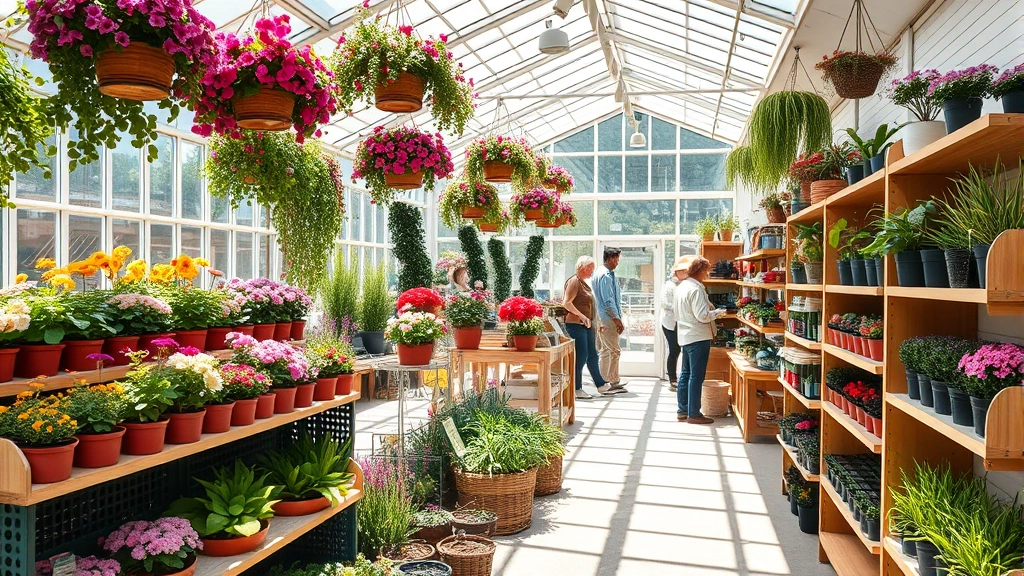
Starting a garden shop is an exciting venture that combines entrepreneurial spirit with a passion for plants and outdoor spaces. Whether you’re dreaming of opening a brick-and-mortar retail location or launching an online plant business, understanding the foundational steps is crucial to success. A thriving garden shop serves as a community hub where gardeners—from complete beginners to seasoned horticulturists—can find quality plants, supplies, and expert advice to bring their gardening visions to life.
The garden retail industry continues to grow as more people discover the therapeutic benefits of gardening and sustainable living. To grow a garden shop successfully, you’ll need to combine business acumen with genuine horticultural knowledge. This comprehensive guide will walk you through every essential step, from market research and business planning to inventory management and customer engagement strategies that will set your shop apart in a competitive marketplace.

Market Research and Business Planning
Before investing capital into your garden shop venture, conduct thorough market research to understand your local demand and competition. Visit existing garden centers and nurseries in your area, noting their product selection, pricing strategies, customer service approaches, and facility layouts. Talk to potential customers about what they wish they could find in a local shop. Are there underserved niches, such as rare heirloom varieties or native plants for your region?
Your business plan should include detailed financial projections, startup costs, operating expenses, and revenue forecasts for at least three years. Calculate how much inventory you’ll need to maintain, considering seasonal fluctuations in demand. Spring and summer typically drive higher sales, so plan your cash flow accordingly. Include a marketing budget that allocates resources to both digital and traditional advertising channels.
Identify your target customer base. Are you focusing on casual home gardeners, professional landscapers, or both? Will you emphasize ornamental plants, edibles, or a balanced mix? Understanding whether customers want to start a flower garden versus grow vegetables will shape your entire product strategy and store layout.

Understanding Your Local Growing Conditions
Your shop’s success depends on offering plants that thrive in your specific climate and soil conditions. Research your USDA hardiness zone, average rainfall, first and last frost dates, and typical summer temperatures. This knowledge allows you to stock inventory that your customers can actually grow successfully, building trust and repeat business.
Partner with local university extension services to access research-backed information about regional gardening challenges. Many extension programs offer free resources and can connect you with master gardener networks. These relationships enhance your credibility and provide valuable educational content for customer workshops.
Consider the microclimates within your service area. Customers in shaded neighborhoods may need different plant recommendations than those with full-sun properties. Stock varieties suitable for common local conditions, and educate your staff to ask customers about their specific growing situations before making recommendations. This expertise differentiates your shop from big-box retailers.
Legal Structure and Licensing Requirements
Choose an appropriate business structure—sole proprietorship, LLC, S-corp, or C-corp—based on your financial situation and liability concerns. Consult with an accountant and attorney to understand tax implications and asset protection for each option. Most garden shops operate as LLCs or small corporations.
Obtain all necessary licenses and permits: business license, sales tax permit, employer identification number (EIN), and any local garden center or nursery permits. If you’re selling plants that require phytosanitary certificates or operating a greenhouse, additional regulations may apply. Contact your state’s Department of Agriculture for specific requirements.
Secure appropriate insurance coverage, including general liability, product liability, and workers’ compensation if you have employees. Liability insurance protects your business if a customer is injured or a plant causes property damage. Product liability is particularly important in the horticultural industry.
Sourcing Quality Plants and Inventory
Establish relationships with reputable wholesale nurseries and growers. Attend trade shows like the annual American Horticultural Society events to network with suppliers and discover new plant varieties. Buy from growers who maintain healthy stock, practice integrated pest management, and can provide documentation of plant origins and care requirements.
Develop a diverse product mix that supports different gardening interests. Stock supplies for those wanting to grow an herb garden, materials for customers building DIY raised garden beds, and varieties for growing peas and other vegetables. Include seeds, seedlings, mature plants, gardening tools, soil amendments, fertilizers, pest management products, and decorative planters.
Implement an inventory management system that tracks plant health, turnover rates, and seasonal demand patterns. Plants are perishable goods—overstock leads to waste and dead plants on shelves, which damages your reputation. Understock means lost sales. Balance is essential. Use point-of-sale software that integrates with inventory tracking to monitor what’s selling and when to reorder.
Create care instruction sheets for plants you sell, helping customers understand watering needs, light requirements, and optimal growing conditions. This reduces returns and customer frustration while establishing your shop as a knowledge resource.
Creating an Inviting Physical Space
Design your shop layout to encourage browsing and discovery. Organize plants by category: perennials, annuals, shrubs, trees, houseplants, and specialty plants. Create themed sections that inspire customers—perhaps a section dedicated to cottage garden plants or native species. Ensure adequate lighting, especially for indoor plant displays, as poor lighting makes plants appear unhealthy.
Invest in proper watering infrastructure. Plants need consistent moisture, and hand-watering daily is labor-intensive. Consider overhead irrigation systems or soaker hoses that maintain plant health while reducing staff time. Display plants at varying heights using tiered shelving and stands to create visual interest and maximize space efficiency.
Designate a customer service area where staff can answer questions, provide planting advice, and complete transactions. Include a small library of gardening books and reference materials. Many customers appreciate having reliable resources to consult. Create comfortable spaces where customers can sit and envision their purchases in their own gardens.
Maintain immaculate facilities. Dead leaves, weeds in containers, and debris suggest poor plant quality and care. Regular maintenance of the shop interior and exterior, including power washing hard surfaces and removing spent plants, demonstrates professionalism and attention to detail.
Building Your Online Presence
In today’s retail environment, an online presence is essential even for brick-and-mortar shops. Create a professional website showcasing your inventory, services, and expertise. Include plant care guides, seasonal recommendations, and staff bios to establish credibility. Many customers research online before visiting, so ensure your website is mobile-friendly and provides clear location, hours, and contact information.
Develop content that drives organic search traffic. Write blog posts about seasonal planting, pest management, and local gardening challenges. Share your expertise about flower arranging tips and design inspiration to position your shop as a knowledge hub. This content not only attracts customers but also provides value that builds loyalty.
Leverage social media platforms—Instagram, Facebook, and Pinterest are particularly effective for garden businesses. Share photos of new arrivals, customer gardens, seasonal displays, and behind-the-scenes content. Use hashtags strategically to reach local gardeners. Engage with followers by responding to comments and questions promptly.
Consider offering online ordering with in-store pickup or local delivery for established customers. While shipping plants is challenging due to their fragility, offering convenient pickup options captures sales from busy customers who prefer shopping online. Clearly communicate shipping or delivery limitations for perishable plant products.
Staffing and Training Your Team
Hire passionate gardeners or people willing to develop genuine horticultural knowledge. Product knowledge is your competitive advantage over online retailers and big-box stores. Invest in ongoing training for staff, covering plant identification, care requirements, common pests and diseases, and customer service excellence.
Develop detailed care guides and reference materials for your team to use when assisting customers. Regular staff meetings should include time for discussing new inventory, seasonal challenges, and customer questions. Encourage your team to spend time in local gardens and attend workshops to deepen their knowledge.
Create a commission or incentive structure that rewards knowledgeable customer service and accurate recommendations. Staff who help customers choose appropriate plants and supplies reduce returns and build customer loyalty. Recognize and celebrate your team members’ contributions to creating a welcoming, educational environment.
Schedule staffing to ensure adequate coverage during peak seasons and times. Weekends and spring/summer months require more hands on deck. During slower winter periods, use staff time for training, inventory organization, and facility maintenance.
Marketing and Community Engagement
Build community relationships that establish your shop as a trusted local resource. Host workshops on topics like starting a vegetable garden, composting, native plant landscaping, and seasonal planting. Partner with local schools, community centers, and botanical gardens to expand your reach and credibility.
Develop a loyalty program that rewards repeat customers with discounts, exclusive events, or early access to seasonal inventory. Email marketing allows you to announce new arrivals, share seasonal tips, and promote sales directly to interested customers. Build your email list by offering a small discount for newsletter signup.
Sponsor local gardening events, plant sales, and community beautification projects. Visible community involvement builds brand recognition and goodwill. Consider becoming a member of your regional horticultural society to network with other professionals and access industry resources.
Encourage customer reviews on Google, Yelp, and Facebook. Positive reviews build credibility and influence purchasing decisions. Respond to all reviews professionally, addressing any concerns and thanking customers for their feedback. Negative reviews offer opportunities to improve and demonstrate your commitment to customer satisfaction.
FAQ
What is the average startup cost for a garden shop?
Startup costs vary significantly based on location, size, and whether you’re opening a physical location or online business. A small retail shop typically requires $50,000 to $150,000 in initial investment, including inventory, equipment, fixtures, licensing, and working capital. Online garden shops may require $10,000 to $30,000. Factors affecting costs include rent, renovation needs, initial inventory purchases, and technology infrastructure.
How do I keep plants healthy in my shop?
Maintain consistent watering schedules, provide appropriate light levels, monitor humidity, and inspect plants regularly for pests and diseases. Install proper irrigation systems to ensure plants receive adequate water without oversaturation. Group plants with similar water and light needs together. Remove dead leaves and spent flowers regularly. Maintain temperature control and ensure adequate air circulation throughout your shop.
What plants sell best in garden shops?
Seasonal variations significantly impact sales. In spring, annuals, vegetable seedlings, and perennials dominate. Summer brings demand for shade plants, hanging baskets, and tropical specimens. Fall features mums, ornamental grasses, and plants for winter interest. Year-round sellers include popular houseplants, herbs, and native plants. Track your local sales data to determine which varieties perform best in your specific market.
Should I sell online or focus on a physical location?
The most successful modern garden shops operate both physical and online channels. A physical location builds community relationships and allows customers to inspect plants before purchasing. Online presence extends your reach beyond your geographic area and accommodates customers who prefer shopping remotely. Start with whichever aligns with your resources and expertise, then expand as your business grows.
How do I differentiate my garden shop from competitors?
Focus on areas where you can excel: exceptional customer service and horticultural expertise, unique inventory selections, educational workshops, community involvement, or specialization in specific plant types. Develop a distinct brand identity that reflects your shop’s personality and values. Build relationships with customers by remembering their preferences and providing personalized recommendations.


