Golden Garden Ideas: Expert Tips for a Lush Yard
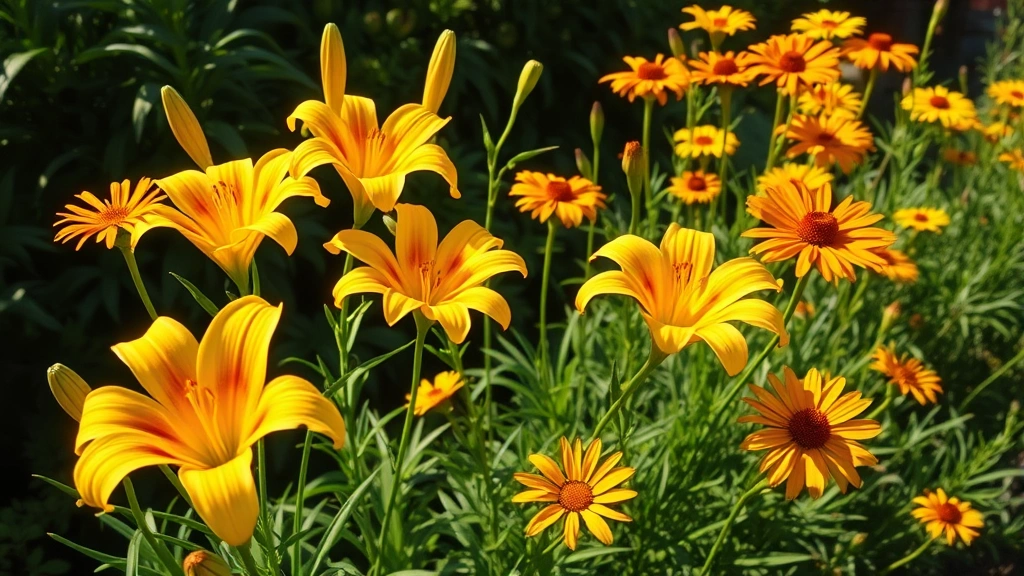
Creating a golden garden isn’t just about planting yellow flowers—it’s about designing a cohesive outdoor space that radiates warmth, vitality, and natural beauty throughout the seasons. A golden garden theme celebrates the richness of amber, citrine, and sunlit tones that evoke feelings of joy and abundance. Whether you’re working with a small urban balcony or sprawling suburban landscape, golden garden ideas can transform your outdoor space into a sanctuary of light and color.
The beauty of embracing a golden palette lies in its versatility. These warm hues complement nearly every garden style, from cottage gardens bursting with romantic charm to modern minimalist designs with clean lines. Golden gardens also attract pollinators and beneficial insects while creating visual interest across multiple seasons. In this comprehensive guide, we’ll explore practical strategies to build your own golden oasis, from soil preparation to plant selection and seasonal maintenance.
Understanding Golden Garden Design Principles
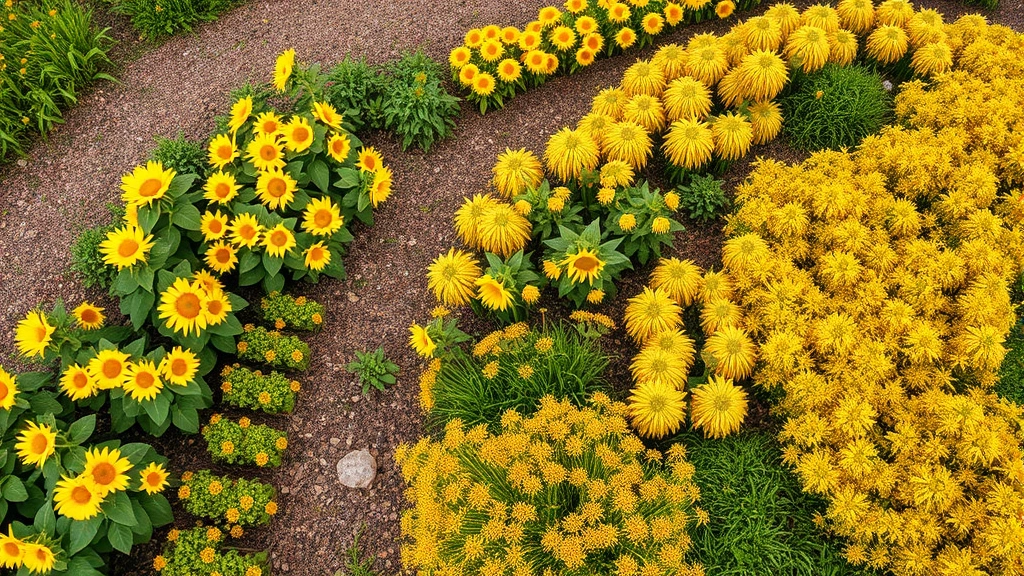
A successful golden garden begins with understanding color theory and how golden tones interact with your existing landscape. The golden palette includes soft buttery yellows, rich amber shades, warm bronze tones, and luminous cream colors. These hues work together to create depth and visual flow throughout your garden space.
When designing your golden garden, consider the principle of color harmony. Complementary colors—like purple and blue—naturally enhance golden tones, making yellows appear more vibrant and saturated. You can strategically place purple-flowering plants alongside golden blooms to create stunning visual contrasts. Additionally, varying the intensity of golden shades prevents monotony; combine pale champagne tones with deep mustard yellows for sophisticated dimension.
The golden garden concept also incorporates foliage as much as flowers. Many plants feature golden or chartreuse leaves that provide year-round color interest. Unlike flowers that bloom seasonally, golden-toned foliage plants deliver consistent visual impact. Consider incorporating native plants with golden foliage to create an ecologically responsible landscape while maintaining your color theme.
Lighting plays a crucial role in golden garden aesthetics. Golden colors naturally interact beautifully with both morning and evening light, becoming luminous during golden hour (sunrise and sunset). Position your garden where it receives adequate sunlight to showcase these warm tones at their best. Even partially shaded gardens can feature golden flowers and foliage; they’ll simply appear more muted and sophisticated.
Selecting the Right Plants for Golden Color
Building a golden garden starts with choosing plants that deliver the color palette you envision. The selection spans annuals, perennials, shrubs, and trees, offering options for every climate zone and growing condition.
Golden Flowering Perennials
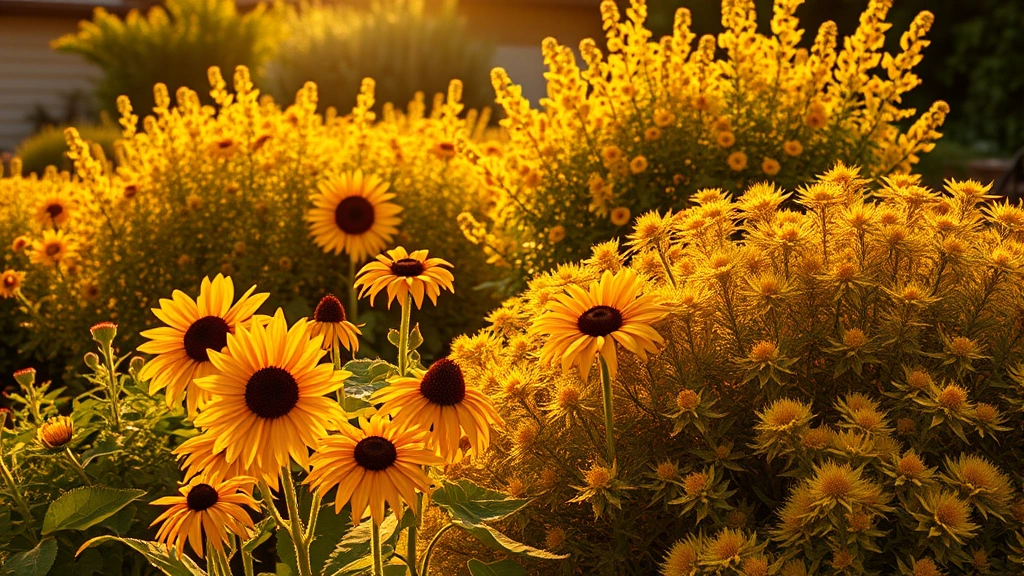
Perennials form the backbone of a sustainable golden garden. Daylilies come in hundreds of golden varieties, from pale butter-yellow to deep apricot tones. Coreopsis (tickseed) produces cheerful golden blooms that attract pollinators throughout summer. Black-eyed Susans deliver bold golden-yellow petals with dark centers, creating striking visual contrast. Rudbeckia ‘Goldsturm’ is particularly vigorous, producing masses of flowers from mid-summer through fall.
Yarrow offers feathery foliage with flat-topped golden flower clusters. Goldenrod, despite its reputation, is a valuable late-season bloomer with fine golden plumes—and it doesn’t actually cause allergies. Heliopsis (false sunflower) produces large golden blooms on sturdy stems perfect for cutting. These perennials establish quickly and improve with age, making them excellent investments for long-term garden success.
Golden Annual Flowers
Annuals provide flexibility and vibrant color during their growing season. Sunflowers are the quintessential golden garden plant, ranging from dwarf varieties under 2 feet to giant cultivars exceeding 8 feet. Calendula (pot marigold) produces warm orange-yellow blooms with edible petals. Nasturtiums offer both golden flowers and decorative foliage, plus they’re edible and attract beneficial insects.
Zinnias in golden shades deliver abundant blooms perfect for cutting. Marigolds provide cheerful golden tones and help repel garden pests naturally. Snapdragons in golden varieties add vertical interest and old-fashioned charm. Golden ageratum and golden sage complete the annual palette with subtle warm tones.
Golden Foliage Plants
For year-round golden garden impact, foliage plants are invaluable. Japanese Forest Grass ‘Aureola’ features bright golden-yellow striped leaves that brighten shady areas. Hostas in golden varieties like ‘Sum and Substance’ provide large architectural leaves. Coleus cultivars offer endless golden variations with velvety textures. Heuchera ‘Caramel’ transitions from golden-bronze in spring to deeper caramel tones in cooler months.
Golden privet, golden euonymus, and golden duranta create living screens and hedging with warm tones. Goldenchain tree produces cascading golden flowers in spring. These plants provide structure and interest even after flowering seasons end, creating a cohesive golden garden framework.
Soil Preparation and Foundation
Even the most carefully selected plants struggle in poor soil. Before planting your golden garden, invest time in preparing your garden soil for a thriving garden. Most golden-garden plants prefer well-draining soil rich in organic matter.
Test your soil pH and nutrient levels using a soil testing kit from your local cooperative extension service. Most golden flowering plants thrive in slightly acidic to neutral soil (pH 6.0-7.0). Incorporate 2-3 inches of aged compost or well-rotted manure into the top 8-12 inches of soil. This improves drainage in clay soils, increases water retention in sandy soils, and provides slow-release nutrients.
For heavy clay soils, consider raised bed gardening advantages that allow you to fill beds with ideal soil composition. Raised beds warm up faster in spring, offer better drainage, and reduce soil compaction. A mixture of equal parts compost, peat moss or coco coir, and perlite creates excellent raised bed soil for golden garden plants.
Mulching is critical for soil health and moisture retention. Apply 2-3 inches of organic mulch (shredded bark, wood chips, or straw) around plants, keeping mulch 2-3 inches away from plant stems to prevent rot. As mulch decomposes, it continuously improves soil structure and fertility.
Layout and Spacing Strategies
Thoughtful garden layout transforms individual plants into a cohesive golden garden. Begin by sketching your space on paper, noting existing structures, trees, and sunny/shady areas. This planning stage prevents costly mistakes and ensures balanced plant distribution.
Use the rule of thirds for visual appeal: divide your garden into three zones and concentrate plantings accordingly. This creates depth and prevents a chaotic appearance. Layer plants by height, placing taller specimens (sunflowers, tall daylilies) toward the back and shorter plants forward. This tiered approach ensures all plants receive adequate light and creates visual interest from every angle.
Consider plant propagation techniques to stretch your budget. Many golden garden perennials divide easily in spring or fall, allowing you to multiply your plants. Golden perennials like daylilies, yarrow, and rudbeckia propagate readily, creating fuller gardens over time.
Space plants according to mature size, not nursery pot size. Overcrowding leads to disease, pest problems, and poor air circulation. Refer to plant tags and growing guides for specific spacing recommendations. Generally, small perennials space 12-18 inches apart, medium perennials 18-24 inches, and large perennials 24-36 inches. Leaving appropriate space initially feels sparse but results in a mature, full garden within 2-3 years.
Create repetition by grouping plants in odd numbers (3, 5, 7). This mathematical principle creates visual harmony and guides the eye through your golden garden. Repeat key plants throughout the landscape for cohesion and stronger color impact.
Seasonal Golden Garden Maintenance
Maintaining a golden garden requires seasonal awareness and consistent care. Spring is prime planting season; after last frost, transplant golden annuals, divide perennials, and refresh mulch. Prune any winter-damaged branches and feed established perennials with balanced fertilizer.
Summer brings peak blooming season. Deadhead spent flowers regularly to encourage continuous blooming and prevent self-seeding (unless you want volunteers). Water deeply during dry spells, providing 1-2 inches weekly through rain or irrigation. Monitor for pests and diseases, addressing issues early before they spread. Stake tall golden flowers like sunflowers and tall daylilies to prevent wind damage.
Fall transitions the golden garden beautifully. Many golden foliage plants deepen in tone as temperatures cool. Plant spring-blooming bulbs (golden crocuses, daffodils, tulips) in September-October for early season color. Cut back perennials after first frost, leaving ornamental grasses standing for winter interest and wildlife shelter. Apply final mulch layer before winter.
Winter offers opportunity for garden planning and soil amendment. Add compost or aged manure to beds where it can break down over winter months. In mild climates, golden evergreen foliage plants shine during gray winter months, providing essential color and structure.
Lighting and Accent Features
Beyond plants, lighting and hardscape elements amplify your golden garden’s impact. Strategic outdoor lighting illuminates golden flowers and foliage during evening hours, creating magical ambiance. Warm-colored LED lights (2700K color temperature) complement golden plants beautifully without the harsh quality of bright white lights.
Accent features add personality and functionality. Incorporate golden-toned containers planted with seasonal flowers. Golden gravel or mulch pathways guide visitors through your garden while maintaining the color theme. Water features like fountains or bird baths with golden finishes reflect light and create focal points.
Arbors and trellises draped with golden-flowering vines (golden clematis, golden hops) create vertical interest and shaded seating areas. Benches positioned to showcase your best golden plantings become natural gathering spots. Garden art—sculptures, obelisks, or vintage finds with golden tones—adds character and draws the eye.
Consider adding a golden garden sign or small plaque identifying featured plants. This educational element enhances visitor appreciation while serving as an attractive accent. Weathered wood structures stained warm golden tones integrate beautifully with plantings.
FAQ
What’s the best time to plant a golden garden?
Spring (after last frost) is ideal for planting golden annuals and tender perennials. Fall (6-8 weeks before first frost) works well for hardy perennials and spring-blooming bulbs. In mild climates, planting occurs year-round, though spring and fall offer optimal growing conditions.
How much sunlight do golden garden plants need?
Most golden flowering plants require 6-8 hours of direct sunlight daily for best blooming. Some golden foliage plants tolerate partial shade (3-6 hours). Check individual plant requirements, as shade tolerance varies significantly.
Can I create a golden garden in containers?
Absolutely! Container gardening offers flexibility for renters and small spaces. Combine golden annuals, trailing ivy, and ornamental grasses in large containers. Use quality potting soil, ensure drainage holes, and water regularly since containers dry quickly.
How do I attract pollinators to my golden garden?
Golden flowers naturally attract bees, butterflies, and hummingbirds. Eliminate pesticides, provide water sources, plant native species, and include herbs like golden sage. Leave some areas unmulched for ground-nesting bees.
What’s the difference between golden and yellow flowers?
Golden flowers contain more red undertones, creating warm, rich appearance. True yellow flowers are brighter and cooler-toned. For a cohesive golden garden, choose flowers leaning toward golden rather than pure yellow.
How do I maintain golden foliage color year-round?
Golden foliage plants maintain color best with adequate sunlight and proper nutrition. Apply balanced fertilizer in spring. Some plants deepen or lighten seasonally—this is normal. Choose varieties suited to your climate for consistent color performance.
Can I combine golden gardens with other color schemes?
Yes! Golden pairs beautifully with purple, blue, green, and white. Create sophisticated combinations by adding complementary colors strategically. Check the Asian garden design guide for inspiration on color harmony in diverse garden styles.


