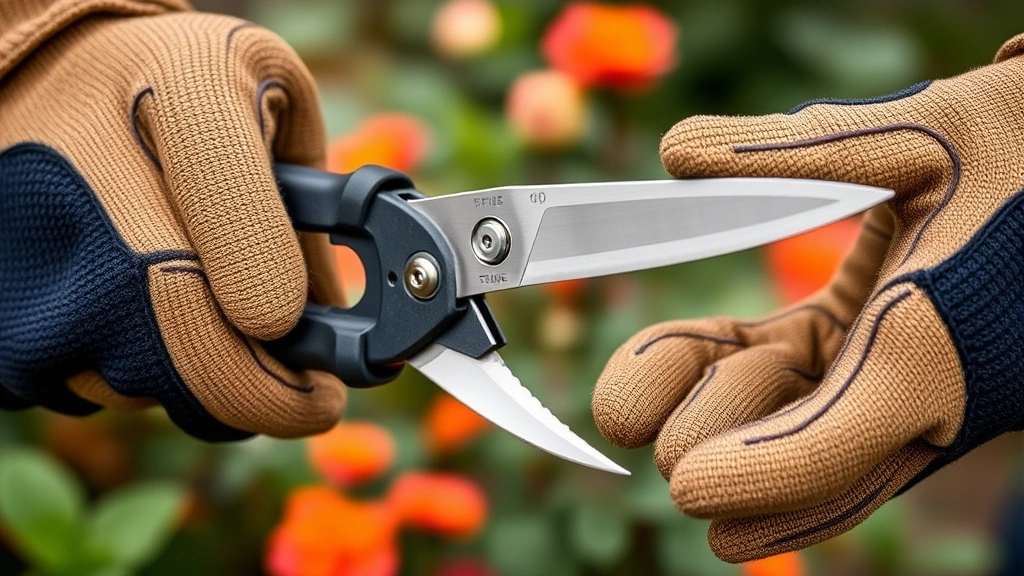
Selecting the right garden shears can transform your gardening experience from frustrating to effortless. Whether you’re maintaining a small herb garden, pruning flowering shrubs, or tackling dense hedges, the quality of your cutting tool directly impacts both your results and your hands. Many gardeners overlook this fundamental investment, yet the difference between mediocre shears and professional-grade tools becomes immediately apparent during the first serious pruning session.
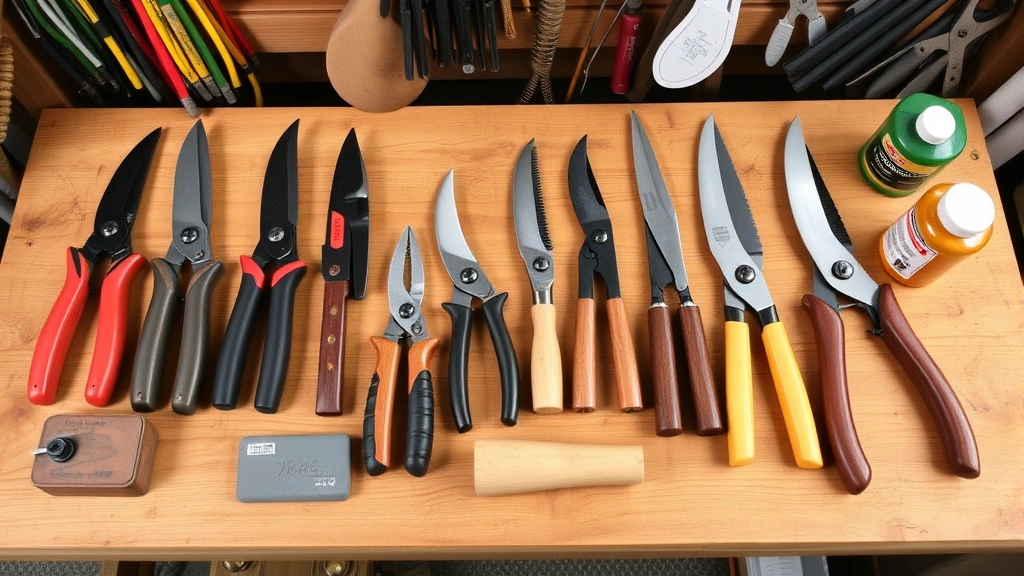
The market overflows with options—bypass shears, anvil shears, hedge shears, lopping shears—each designed for specific tasks. Understanding what separates exceptional shears from the rest requires knowledge about blade materials, ergonomic design, cutting mechanisms, and maintenance requirements. This comprehensive guide draws from years of hands-on gardening experience to help you navigate these choices and invest wisely in tools that will serve your garden for decades.
Understanding Garden Shear Types
Before purchasing garden shears, you must understand the primary categories and their intended uses. Each type has distinct advantages, and choosing incorrectly means struggling with inappropriate tools for your specific gardening tasks.
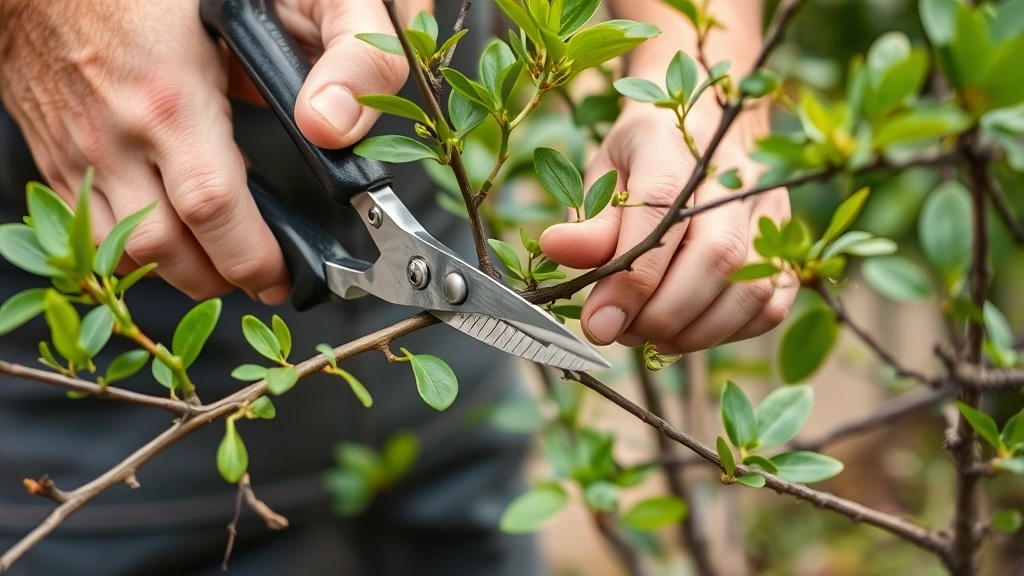
Bypass shears operate like scissors, with one curved blade passing by a stationary blade. They excel at precision cutting and produce clean cuts on living stems and branches. These are ideal for deadheading flowers, harvesting herbs from your indoor herb garden, and pruning tender growth. Professional gardeners overwhelmingly prefer bypass shears for most daily tasks because the clean cut minimizes plant damage and disease entry points.
Anvil shears feature a sharp blade that cuts against a flat anvil surface. They’re better suited for dead wood and tougher materials that bypass shears might struggle with. However, they can crush living tissue, so use them primarily for removing dead branches or woody stems. If you’re working on growing mint in pots or other delicate herbs, bypass shears are your better choice.
Hedge shears have two long, flat blades and long handles for reaching and cutting through dense foliage. These are essential if you maintain hedges or have significant shrub work. They require more strength and control than hand pruners but cover larger areas efficiently.
Lopping shears bridge the gap between hand shears and saws, with longer handles and more cutting power. They’re perfect for branches between three-quarter and two inches in diameter. Many gardeners find these invaluable for cottage garden maintenance and general shrub management.
Pruning saws handle branches thicker than two inches. While technically different from shears, they’re essential for serious gardeners. The combination of quality shears and a good saw covers virtually all pruning needs.
Blade Materials and Quality Indicators
The blade material directly determines shear longevity, cutting performance, and maintenance requirements. Understanding these differences helps justify the investment in premium tools.
Stainless steel blades resist rust and corrosion, making them excellent for wet climates or gardeners who don’t maintain their tools religently. However, stainless steel is generally softer than carbon steel, so it requires more frequent sharpening. It’s ideal if you live in humid environments or coastal areas.
Carbon steel blades hold an edge significantly longer and cut more efficiently than stainless steel. They require more maintenance—regular cleaning and occasional oiling—but reward diligent gardeners with superior performance. Most professional-grade shears use carbon steel because the cutting quality justifies the maintenance commitment.
Coated blades combine benefits of both materials. A non-stick coating reduces sap buildup and corrosion while maintaining the edge-holding properties of carbon steel. These represent excellent middle-ground options for most gardeners.
Quality indicators extend beyond blade material. Look for shears with:
- Precision-ground blades that meet evenly across their entire length
- Minimal blade play when handles are fully closed—professional shears have virtually no wobble
- Smooth handle operation with no grinding or sticking sensation
- Replaceable parts including blades and springs, extending tool lifespan
- Manufacturer warranty indicating confidence in construction quality
Run your fingers (carefully) along the blade edge. Quality shears feel sharp and uniform; poor shears have inconsistent edges or dull spots. This simple test reveals manufacturing precision better than any specification sheet.
Ergonomics and Comfort Features
Ergonomic design becomes crucial during extended pruning sessions. Poor ergonomics lead to hand fatigue, blisters, and potential repetitive strain injuries. Experienced gardeners recognize that comfort directly impacts work quality and enjoyment.
Handle material significantly affects comfort. Rubber or elastomer grips provide superior comfort and control compared to bare metal or plastic. They reduce vibration transmission and prevent slipping when hands are wet or dirty. Quality grips should feel soft without being spongy—they compress slightly under pressure but maintain structure.
Handle size and shape matter tremendously. Oversized handles strain smaller hands, while tiny handles lack control and comfort for larger hands. Test shears in person whenever possible, or buy from retailers with generous return policies. Some manufacturers offer multiple handle sizes for the same shear model.
Weight distribution affects fatigue during long sessions. Well-designed shears balance weight toward the pivot point rather than the handles. This reduces the effort required to operate the tool repeatedly. Lighter isn’t always better—some weight is necessary for cutting power and control.
Blade-to-handle ratio influences cutting efficiency. Longer handles provide mechanical advantage for tougher cuts, but they’re harder to control for precision work. Shorter handles offer better control but require more hand strength. Most general-purpose bypass shears range from seven to nine inches total length—a good compromise for most gardeners.
Thumb lock and safety features prevent accidental cuts and make storage safer. A locking mechanism that securely holds closed blades is essential, especially if you have children or pets around your raised bed gardening setup.
Top Gardener-Recommended Picks
After consulting with master gardeners and experienced horticulturists, several shear models consistently receive praise for reliability, performance, and value. These recommendations span different price points and use cases.
Premium Professional Grade: Felco Model 2 shears represent the gold standard for many serious gardeners. Swiss-manufactured with carbon steel blades and replaceable parts, they deliver exceptional cutting performance. The ergonomic design reduces hand fatigue, and the comprehensive warranty demonstrates manufacturer confidence. While expensive, many gardeners report using the same pair for 20+ years with proper maintenance. These excel for detailed work on ornamental plants and when propagating plants where clean cuts are critical.
Mid-Range Excellent Value: Bahco PXM-M2 shears offer outstanding performance at a fraction of premium prices. Swedish engineering and high-quality materials provide professional-level cutting with excellent ergonomics. Many professional gardeners use these as their daily-use shears, reserving premium models for delicate work. The replaceable blade system extends tool life significantly.
Budget-Friendly Solid Choice: Fiskars PowerGear2 shears deliver surprising quality at accessible prices. The gear-driven cutting mechanism requires less hand strength while maintaining clean cuts. The non-stick blade coating reduces sap buildup. These represent excellent entry-level options for beginning gardeners or those starting a gardening journey.
Specialty Consideration: ARS HP-VS8Z pruning shears excel for smaller-handed gardeners and detailed work. The lightweight design and compact size make them perfect for intricate pruning tasks and harvesting herbs. Japanese manufacturing ensures precision blade work.
Hedge Shear Option: Corona HT 3060 hedge shears provide reliable performance for maintaining hedges and larger shrubs. The non-stick coating prevents sap buildup, and the straight blades cut cleanly. The wavy blade design reduces slippage on branches.
Maintenance and Longevity
Even exceptional shears deteriorate without proper maintenance. Developing a simple care routine extends tool life dramatically and maintains cutting performance.
Daily cleaning prevents sap buildup and corrosion. After each use, wipe blades with a clean cloth, removing plant residue. For sticky buildup, use warm soapy water and a soft brush. Dry thoroughly before storing. This five-minute task prevents rust and maintains blade cleanliness.
Regular sharpening maintains cutting performance. As blades dull, cutting requires more force, increasing hand strain and potentially damaging plants through crushing cuts. Most gardeners sharpen shears every two to three months during active growing season. Use a sharpening stone or whetstones specifically designed for pruning shears—maintaining the original blade angle is critical.
Blade lubrication keeps moving parts operating smoothly. Apply a light machine oil to pivot points and blade surfaces monthly. Wipe away excess to prevent attracting dust. Never use heavy grease, which accumulates debris and impedes smooth operation.
Storage considerations protect both the tool and users. Store shears in a dry location, preferably with the blade lock engaged. Consider hanging shears on a pegboard rather than tossing them in a drawer where they can damage other tools or cause injuries. Some gardeners apply a light oil coat before long storage periods.
Seasonal maintenance before winter storage extends lifespan. Clean thoroughly, sharpen if needed, apply protective oil, and store in a temperature-controlled location. Spring brings an opportunity to inspect for any damage and perform maintenance before the growing season begins.
Budget Considerations
Shear pricing ranges from budget-friendly options under $20 to premium professional models exceeding $100. Understanding value requires looking beyond initial cost to total cost of ownership.
Initial investment vs. longevity: A $15 shear might last one season before requiring replacement, while a $70 professional-grade shear lasts decades. The annual cost dramatically favors quality tools. Calculate expected lifespan when comparing options.
Replacement parts availability: Premium shears often have replaceable blades and springs, extending tool life indefinitely. Budget shears typically require complete replacement. Availability of parts varies significantly between brands.
Warranty coverage: Reputable manufacturers back quality shears with meaningful warranties. A lifetime warranty indicates confidence in construction. Budget models often have limited or no warranty coverage.
Starter investment: New gardeners might purchase mid-range options initially, upgrading to premium tools as gardening experience and commitment grow. This approach prevents overinvestment before understanding personal preferences and usage patterns.
Specialized needs: Different gardening focuses require different tools. A gardener maintaining an indoor herb collection needs different shears than someone managing a large landscape. Match investment to actual needs rather than purchasing premium everything.
FAQ
What’s the difference between bypass and anvil shears?
Bypass shears use two curved blades that pass each other like scissors, producing clean cuts ideal for living plants. Anvil shears have a sharp blade cutting against a flat surface, better for dead wood. Bypass shears are preferred for general gardening because they minimize plant damage.
How often should I sharpen my garden shears?
During the active growing season, most gardeners sharpen shears every two to three months with regular use. Light users might sharpen annually. You’ll notice when sharpening is needed—cutting becomes difficult and requires excessive force, or cuts appear crushed rather than clean.
Can I use the same shears for all cutting tasks?
While a quality bypass shear handles most general pruning, different tasks benefit from specialized tools. Hedge shears work better for large-scale cutting, while lopping shears handle thicker branches more effectively. A basic toolkit includes hand shears, lopping shears, and a pruning saw.
What’s the best way to prevent rust?
For carbon steel shears, regular cleaning and drying immediately after use prevents rust. Store in a dry location, and apply light oil periodically. Stainless steel resists rust naturally but requires more frequent sharpening. Climate conditions influence rust risk—coastal or very humid areas require more diligent maintenance.
Are expensive shears always better?
Higher price generally correlates with better materials, construction, and longevity, but diminishing returns exist. Mid-range quality shears often provide excellent value, while ultra-premium options offer marginal improvements that don’t justify cost for casual gardeners. Match investment to usage intensity and expectations.
How do I know if shears fit my hand properly?
Test shears in person when possible. Your hand should grip comfortably without strain, and fingers should reach the handles’ end without excessive reach. The shear should open and close smoothly without requiring awkward wrist angles. Proper fit reduces fatigue during extended use.
What’s the average lifespan of quality shears?
Professional-grade shears with proper maintenance last 15-30+ years. Some gardeners report using the same pair for decades. Mid-range quality shears typically last 5-10 years. Budget shears often require replacement within 1-2 years. Maintenance dramatically influences actual lifespan.


