Garden City Weather: Local Expert Insights
Understanding your local weather patterns is fundamental to successful gardening. Whether you’re planning your first vegetable patch or maintaining an established landscape, knowing what Garden City’s climate offers helps you make informed decisions about plant selection, timing, and care strategies. Garden City weather varies significantly throughout the year, presenting unique opportunities and challenges for gardeners at every skill level.
Local weather conditions directly influence soil temperature, moisture retention, frost dates, and growing season length. By studying historical climate data and consulting with regional experts, you can align your gardening activities with natural seasonal rhythms. This guide explores Garden City’s weather patterns, seasonal considerations, and practical strategies to help your garden thrive year-round.
Understanding Garden City’s Climate Profile
Garden City experiences a temperate climate with distinct seasonal variations that shape gardening practices throughout the year. The region typically receives moderate precipitation distributed across all seasons, though patterns can vary year to year. Understanding these baseline conditions helps you prepare appropriately and select plants suited to local conditions.
Most of Garden City falls within USDA hardiness zones that support a diverse range of perennials, shrubs, and vegetables. Average annual temperatures range from winter lows around 25-35°F to summer highs of 75-85°F, creating a growing season of approximately 150-180 days depending on specific microclimate conditions. Humidity levels tend to be moderate, which can be advantageous for many plants but requires attention to disease prevention during wet periods.
Microclimates within Garden City significantly affect plant success. South-facing slopes warm earlier in spring and stay warmer longer into fall. Low-lying areas may experience frost pockets where cold air settles, extending frost danger into late spring. Understanding your specific garden’s microclimate—considering factors like tree shade, building reflections, and wind exposure—allows you to push the boundaries of what grows well in your location.
Consulting USDA plant hardiness resources provides detailed zone information for your precise location. Local extension services and master gardener programs offer region-specific guidance based on decades of local observation and research.
Spring Weather Patterns and Planting Timing
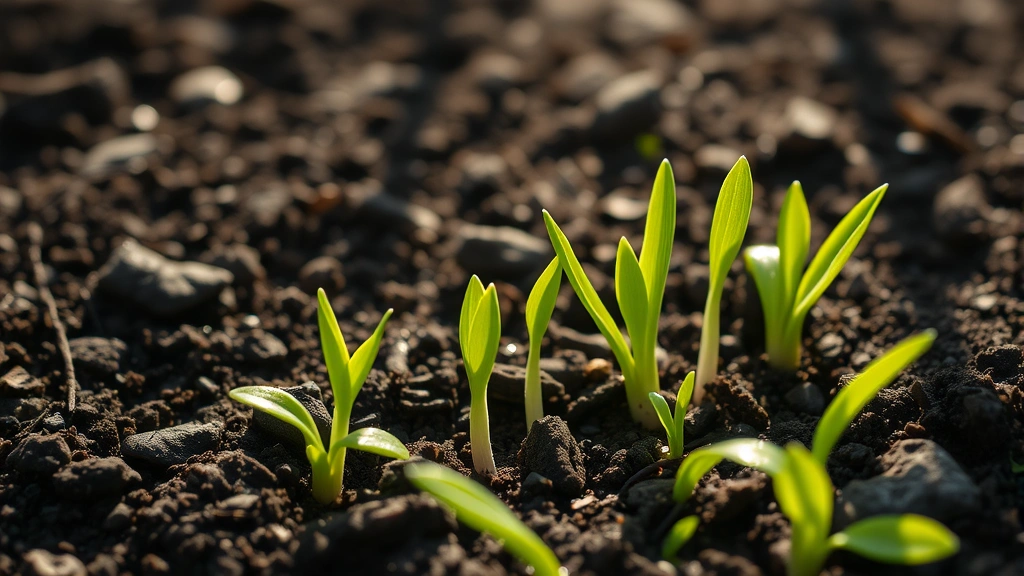
Spring in Garden City brings increasing temperatures, longer daylight hours, and renewed soil activity. However, spring weather remains unpredictable, with occasional late frosts threatening tender seedlings and newly planted perennials. Timing your planting activities to align with local spring weather patterns maximizes success rates and reduces plant losses.
The last frost date typically occurs in mid-to-late spring, marking the threshold when it becomes safer to plant frost-sensitive annuals and vegetables outdoors. Before this date, cool-season crops like lettuce, peas, and spinach can tolerate light frosts and should be planted early to take advantage of spring moisture and cooler temperatures. When you grow peas in your garden, early spring planting ensures they mature before heat stress arrives.
Spring soil preparation is critical for summer success. As soil temperatures rise above 50°F, beneficial microbial activity increases, making it ideal time to amend beds with compost and organic matter. This preparation improves water retention during dry periods and enhances nutrient availability for growing plants. Raised bed gardening offers advantages in spring by warming faster than in-ground beds, allowing earlier planting.
Watch spring weather forecasts closely, especially during the transition period between frost risk and warm weather. A sudden cold snap can damage tender growth on established plants and kill young seedlings. Consider using row covers, cloches, or frost cloth to protect vulnerable plants if unexpected cold returns after initial warm spells.
Summer Heat Management Strategies
Summer weather in Garden City brings heat, longer days, and typically lower rainfall. These conditions stress many plants, particularly those preferring cool growing conditions. Successful summer gardening requires proactive management of water, shade, and plant selection to maintain garden vitality through the hottest months.
Watering becomes critical during summer months when evaporation rates peak and rainfall often decreases. Deep, infrequent watering encourages strong root development compared to frequent shallow watering. Early morning watering before temperatures rise maximizes water retention and reduces disease pressure from evening moisture on foliage. Mulching around plants conserves soil moisture, moderates soil temperature, and suppresses weeds competing for water resources.
Heat-tolerant plants thrive during Garden City summers when properly selected. Consider growing mint in pots in partially shaded locations, as this herb appreciates afternoon shade during intense heat. Herbs in the herb garden like rosemary, thyme, and oregano flourish in summer heat with minimal supplemental water once established.
Shade cloth becomes invaluable for protecting sensitive plants like lettuce, spinach, and many herbs from intense afternoon sun. Strategically placed shade structures reduce temperatures by 5-10°F while maintaining adequate light for photosynthesis. Succession planting of cool-season crops in shaded beds extends their season through partial summer, providing fresh vegetables when direct-sun beds produce little.
Pest and disease pressure often peaks during warm, humid conditions. Regular monitoring for common garden pests allows early intervention before populations explode. Many beneficial insects become active in summer heat, helping control pest populations naturally when garden diversity is maintained.
Fall Preparation and Seasonal Transitions
Fall weather transitions gradually from summer heat toward cool conditions, creating an extended growing season for cool-season crops. This season offers some of the most favorable gardening conditions of the year—moderate temperatures, decreasing pest pressure, and often increased rainfall create ideal conditions for growth and establishment.
As temperatures cool in early fall, soil remains warm enough for seed germination while air temperatures favor leafy growth over bolting. This is prime time for planting cool-season vegetables that mature as temperatures continue dropping. Many gardeners find fall gardens more productive than spring gardens because plants mature during favorable conditions rather than racing against heat.
Fall is also the season for major garden preparations and improvements. Planting spring-flowering bulbs, dividing perennials, and establishing new shrubs and trees all benefit from fall’s favorable conditions. Root development continues even as above-ground growth slows, giving plants strong root systems before winter dormancy.
Clean-up activities become important as plants begin senescence. Removing fallen leaves prevents disease overwintering in debris, though leaving some leaves as wildlife habitat and mulch provides ecological benefits. Cut back dead perennial foliage once plants fully dormant to tidy appearance while protecting tender growth points from frost heaving and excessive moisture.
Winter Protection and Planning
Winter weather in Garden City requires strategic plant protection and planning for the following growing season. While winter temperatures rarely reach extreme lows, sudden temperature swings, ice events, and heavy snow can damage plants lacking adequate protection.
Mulching around perennials, shrubs, and trees provides insulation protecting root systems from temperature extremes. Apply 2-4 inches of organic mulch around plants in early winter, but avoid piling mulch against tree and shrub trunks where it can promote rot and create habitat for rodent damage. Mulch moderates soil temperature, reducing frost heaving that can damage shallow-rooted perennials.
Tender perennials and marginally hardy plants benefit from extra protection during winter. Heavy mulch, burlap wrapping, or cold frames can mean the difference between plant survival and loss. Container plants are particularly vulnerable to winter conditions since roots cannot access ground warmth. Move tender containers to protected locations, group them together for insulation, or bury pots partially in soil for additional protection.
Winter is ideal for indoor planning and design work. Review garden journal notes from the past year, plan crop rotations, sketch new bed layouts, and order seeds and plants for spring. This planning period ensures you’re prepared to act quickly when spring arrives and planting windows open.
Check stored tools, sharpen pruning equipment, and maintain garden infrastructure. Winter is also ideal for pruning dormant trees and shrubs, removing dead wood and improving structure before spring growth begins. Proper winter maintenance prevents spring emergencies and keeps your garden running smoothly.
Frost Dates and Growing Season
Frost dates are critical reference points for successful gardening in Garden City. The last spring frost date indicates when frost-sensitive plants can safely move outdoors, while the first fall frost date marks the end of the growing season for tender annuals and vegetables. Understanding these dates and planning around them maximizes productivity.
The average last spring frost date in Garden City typically falls in mid-to-late spring, though variation of 1-2 weeks occurs annually. Frost date data comes from historical weather records spanning 30+ years, providing reliable averages while acknowledging year-to-year variation. Conservative gardeners often wait 1-2 weeks past the average date to ensure safety, while experienced gardeners may push earlier in favorable years.
Conversely, the first fall frost date arrives in mid-to-late fall, providing 150-180 days between frost dates for warm-season crop production. Counting backward from the first fall frost date helps time plantings of vegetables with known days-to-maturity, ensuring harvest before frost damage occurs.
Microclimates create local variation in frost dates within Garden City. South-facing slopes experience later spring frosts and earlier fall frost dates compared to open areas. Low-lying areas prone to frost pockets may experience frost weeks after surrounding areas, while hilltops may avoid frost longer. Observing your specific garden’s frost patterns over several years refines your personal frost date knowledge.
Soil and Moisture Considerations
Garden City soil characteristics and moisture availability fundamentally influence plant health and productivity. Understanding your soil type, drainage patterns, and seasonal moisture variations allows you to optimize growing conditions through targeted amendments and management strategies.
Soil texture varies across Garden City, with some areas featuring clay-heavy soils that retain moisture but drain slowly, while others have sandy soils with excellent drainage but limited moisture retention. Perform a simple soil texture test by moistening soil and attempting to form a ball—clay soils form tight balls, sandy soils fall apart, and loamy soils form slightly cohesive balls. Most plants prefer loamy soil balancing drainage with moisture retention.
Amending soil with organic matter improves both clay and sandy soils. Compost incorporation increases water-holding capacity in sandy soils while improving drainage in clay soils. Regular organic matter additions build soil structure, support beneficial microbial communities, and enhance nutrient cycling. Aim to add 1-2 inches of compost annually to garden beds through mulching and soil amendments.
Seasonal moisture patterns influence watering schedules and plant selection. Spring and fall typically provide adequate rainfall, reducing supplemental watering needs. Summer often brings dry periods requiring irrigation, while winter precipitation varies. Installing rain gauges helps track rainfall, informing irrigation decisions. Most plants need approximately 1 inch of water weekly during active growth, adjustable based on rainfall, soil type, and plant requirements.
Drainage assessment prevents waterlogging and root rot during wet periods. Dig a hole, fill with water, and observe drainage rate. Water draining in 2-4 hours indicates good drainage, while slower drainage suggests need for raised beds, amended planting holes, or drainage improvements. Advantages of raised bed gardening include improved drainage and soil warming, particularly beneficial in areas with poor native drainage.
Soil testing through local extension services provides detailed information about pH, nutrient levels, and organic matter content. This data guides fertilization decisions and soil amendment strategies, ensuring plants receive adequate nutrition without excessive inputs. Testing every 3-5 years tracks soil condition changes and informs management adjustments.
FAQ
What is the average last frost date for Garden City?
The average last frost date typically occurs in mid-to-late spring, though exact dates vary slightly year to year. Contact your local extension service or master gardener program for precise dates specific to your location within Garden City.
How much water do gardens need during Garden City summers?
Most plants require approximately 1 inch of water weekly during active growth, adjusted for rainfall, soil type, and specific plant needs. Water deeply and infrequently to encourage strong root development. Morning watering before temperatures peak maximizes water retention and reduces disease pressure.
Which plants thrive in Garden City’s climate?
Cool-season crops like lettuce, peas, and spinach excel in spring and fall. Summer heat-tolerant plants include herbs like rosemary, thyme, and oregano, plus vegetables like peppers and eggplant. Many perennials, shrubs, and trees suited to USDA hardiness zones for Garden City thrive year-round with appropriate care.
When should I plant spring-flowering bulbs in Garden City?
Plant spring-flowering bulbs in fall after soil temperatures drop below 60°F, typically in late fall. This timing allows root development before winter dormancy, ensuring strong spring blooms. Bulbs need cold periods to break dormancy and flower reliably in spring.
How can I protect tender plants during Garden City winters?
Apply 2-4 inches of mulch around plants for insulation. Wrap tender shrubs with burlap, move container plants to protected locations, and provide cold frames for extra protection. Understanding your specific microclimate helps identify naturally protected areas where tender plants survive mild winters.
What soil amendments improve Garden City gardens?
Organic matter incorporation—particularly compost—improves most soils. Add 1-2 inches annually through mulching and soil amendments. Conduct soil testing through local extension services to identify specific nutrient deficiencies or pH adjustments needed for optimal plant growth.
How do microclimates affect gardening in Garden City?
Microclimates create significant variation within Garden City. South-facing slopes warm earlier and stay warmer longer. Low-lying areas experience frost pockets. Buildings, trees, and water features create localized temperature and moisture variations. Observing your specific garden’s conditions refines planting decisions and timing.


