Garden Arch Ideas: Designer-Approved Inspirations for Your Outdoor Space
A garden arch serves as more than functional garden infrastructure—it’s a statement piece that defines your outdoor aesthetic while providing structural support for climbing plants. Whether you envision a romantic rose-covered entryway or a modern minimalist frame, the right arch transforms your garden into an intentional, designed landscape. Professional landscape designers consistently recommend arches as versatile elements that add vertical interest, create natural pathways, and establish focal points throughout garden spaces.
The beauty of garden arches lies in their adaptability. From traditional wooden structures to contemporary metal designs, arches accommodate various garden styles, plant preferences, and climate conditions. This comprehensive guide explores designer-approved arch styles, material selections, plant pairings, and installation strategies to help you choose and implement the perfect arch for your garden vision.
Understanding Garden Arch Styles
Garden arches come in distinct styles that reflect different design philosophies and aesthetic preferences. The traditional arbor arch features a peaked roof design, offering classic charm and ample surface area for climbing vines. This style works exceptionally well in cottage gardens and traditional landscapes where nostalgia and romance are design priorities. The peaked structure also provides superior water drainage during heavy rainfall, protecting the plants beneath from excessive moisture accumulation.
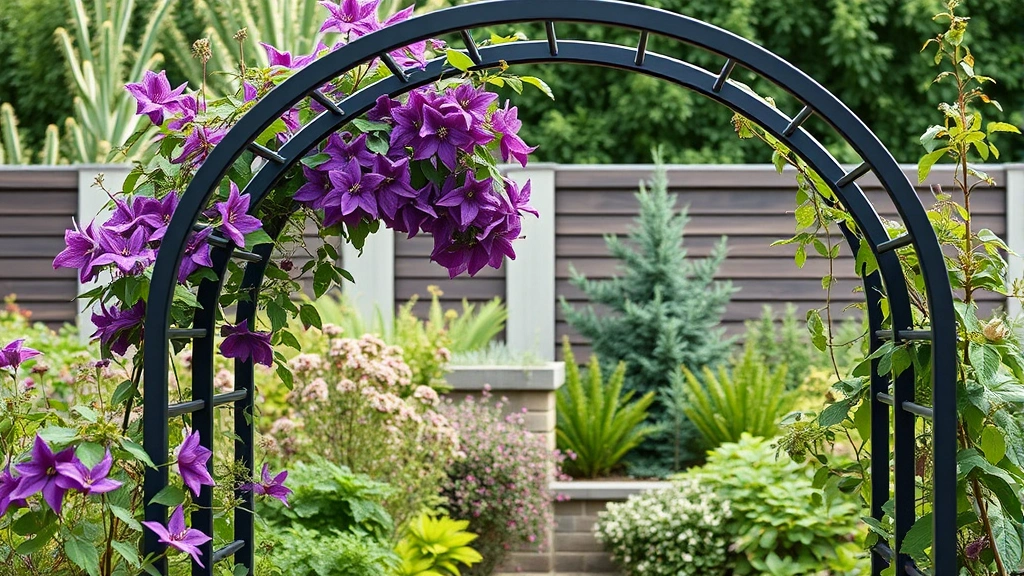
The modern minimalist arch appeals to contemporary garden designers seeking clean lines and understated elegance. These arches typically feature simple geometric shapes—often rectangular or gently curved—constructed from sleek materials like powder-coated steel or aluminum. Minimalist arches create visual interest through form rather than ornamentation, making them ideal for small gardens or spaces with existing architectural features.
Gothic or Victorian arches incorporate ornate detailing, decorative finials, and elaborate scrollwork. These statement pieces work best in formal gardens or larger properties where their grandeur can be properly showcased. Victorian arches often feature pointed tops and intricate metalwork that evokes historical garden design traditions.
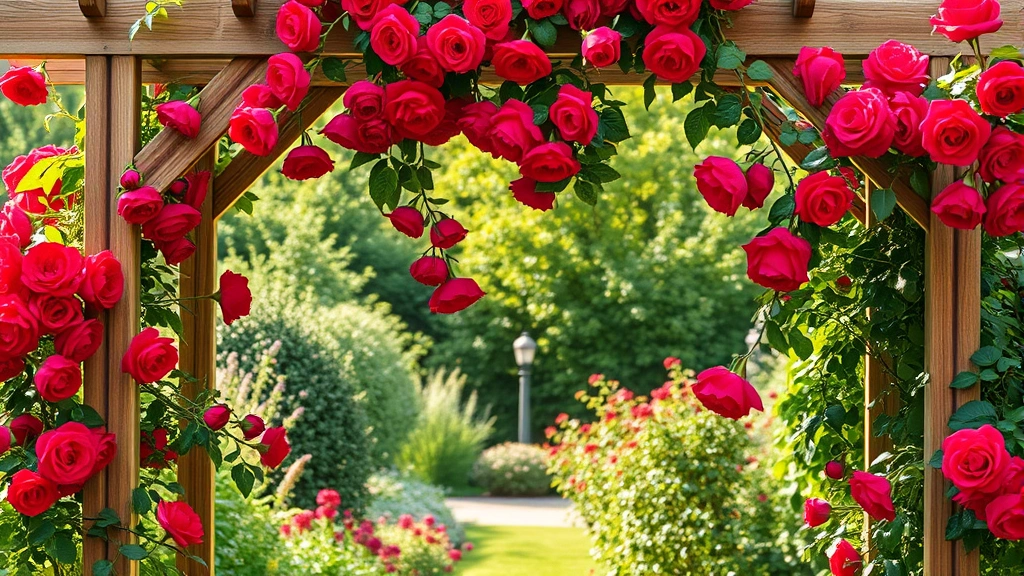
The rose arch specifically caters to rose enthusiasts, with designs optimized for training climbing roses along the structure. These arches typically feature sturdy construction, wide spacing between supports for easy plant access, and surfaces that encourage abundant flowering.
Japanese-inspired moon gate arches provide circular frames that create contemplative focal points. These circular designs originate from traditional Chinese and Japanese garden philosophy, symbolizing completeness and harmony. Moon gates work beautifully in zen gardens or as transitional elements between distinct garden zones.
Rustic twig or branch arches embrace natural materials and organic aesthetics. Constructed from saplings, branches, or driftwood, these arches suit woodland gardens, naturalistic landscapes, and cottage settings. While charming, twig arches typically have shorter lifespans than treated wood or metal alternatives.
Material Selections for Durability
Selecting appropriate materials directly impacts your arch’s longevity, maintenance requirements, and visual impact. Pressure-treated wood remains the most popular choice for residential garden arches due to affordability, workability, and aesthetic warmth. Modern pressure-treated lumber resists rot and insect damage for 15-20 years with minimal maintenance. Cedar and redwood naturally resist decay, offering superior durability and rich coloring, though at higher initial cost. These woods age beautifully, developing silvery patinas over time.
Metal arches provide unmatched durability and clean aesthetic lines. Steel arches offer strength and can support heavy climbing plants, though they require rust prevention through painting or powder coating. Galvanized steel resists rust naturally, requiring minimal maintenance while maintaining industrial appeal. Aluminum arches weigh significantly less than steel while resisting corrosion entirely, making them ideal for coastal gardens or humid climates. However, aluminum cannot support the heaviest mature vines without structural reinforcement.
Wrought iron arches provide unparalleled elegance and strength, supporting massive mature plants while developing distinguished patinas. Wrought iron demands regular maintenance to prevent rust but rewards careful stewardship with timeless beauty.
Composite materials combining wood fibers with plastic polymers offer low-maintenance alternatives. These materials resist rot, insects, and weathering while mimicking natural wood appearance. However, composites may sag under heavy plant weight and lack the authentic aesthetic some gardeners prefer.
Consider your climate when selecting materials. Coastal regions benefit from aluminum or galvanized steel resisting salt spray. Cold climates demand materials that withstand freeze-thaw cycles without cracking. Hot, dry regions suit virtually any material, though metal conducts excessive heat.
Best Climbing Plants for Garden Arches
The climbing plants you select fundamentally transform your arch’s visual impact and maintenance requirements. Clematis vines rank among the most popular arch plants, offering abundant flowers in purple, pink, white, or red. Different clematis varieties bloom at different times, allowing extended flowering seasons. Clematis prefers cool roots and sunny foliage, thriving when lower stems receive shade from adjacent plants.
Climbing roses represent the quintessential arch plant, providing fragrance, color, and romantic appeal. Choose repeat-blooming varieties rather than once-blooming cultivars for extended seasonal interest. Popular climbing roses include ‘Zephirine Drouhin’ (fragrant cerise), ‘Constance’ (coral-pink), and ‘Iceberg Climbing’ (pristine white).
Honeysuckle vines offer fragrant flowers, rapid growth, and wildlife appeal. However, some honeysuckle species become invasive in certain regions—verify your local regulations before planting. Lonicera ‘Belgica’ and ‘Serotina’ provide gorgeous red and cream flowers without invasive tendencies.
Jasmine varieties deliver intoxicating fragrance and delicate flowers. Star jasmine (Trachelospermum jasminoides) thrives in warm climates with evergreen foliage. True jasmine (Jasminum officinale) offers white flowers and deciduous growth, performing well in temperate zones.
For shade conditions, ivy varieties provide reliable coverage and year-round foliage interest. English ivy, Persian ivy, and climbing hydrangea all tolerate partial shade while creating lush green walls.
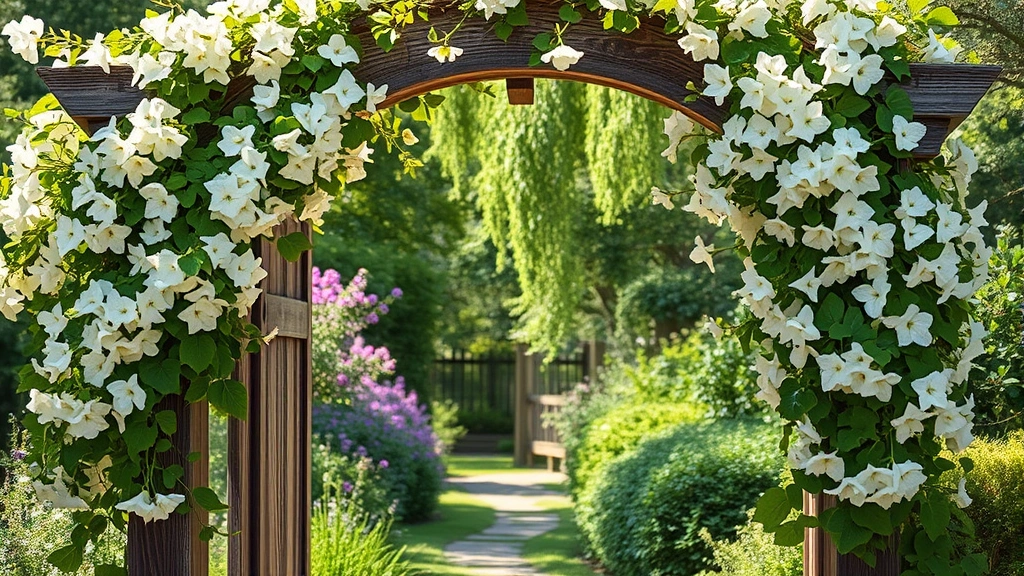
Wisteria creates dramatic cascades of fragrant flowers in purple, pink, or white. Wisteria demands sturdy arch construction, regular pruning, and patience—these vigorous vines may take 2-3 years to flower from planting. Once established, wisteria provides spectacular seasonal displays.
Annual climbers like morning glory, sweet pea, and scarlet runner bean offer quick results for temporary arches or seasonal variety. These fast-growing plants reach full coverage within months, perfect for gardens desiring annual color changes.
When selecting plants for your arch, consider bloom time, mature vigor, fragrance preferences, and hardiness zone compatibility. Combining plants with staggered bloom times extends seasonal interest from spring through fall.
Design Principles and Placement
Strategic arch placement creates visual flow and defines garden spaces intentionally. Professional designers recommend positioning arches as focal points at garden entrances, creating welcoming passages between distinct areas. An arch framing a pathway draws visitors forward, establishing clear sightlines and encouraging exploration.
Consider your arch’s relationship to existing garden structures and features. Arches work beautifully alongside raised garden beds, creating vertical contrast with horizontal planting surfaces. Positioning an arch near garden statues creates layered focal points and visual interest.
Scale and proportion significantly impact design success. An oversized arch in a small garden overwhelms the space, while a diminutive arch in expansive gardens disappears visually. General design guidance suggests arch height should relate to surrounding structures—typically 7-8 feet for standard residential gardens. Arch width should align with pathway width, creating natural proportions.
Sun exposure determines both plant selection and aesthetic impact. Arches in full sun (6+ hours direct light) support the broadest plant range, particularly flowering climbers like clematis and roses. Partial shade arches (3-6 hours light) suit climbing hydrangea, ivy, and shade-tolerant clematis varieties. Deep shade situations demand evergreen foliage plants or shade-accepting annuals.
Color coordination enhances overall garden design cohesion. Consider existing landscape colors when selecting arch materials and climbing plants. A dark metal arch creates striking contrast against light-colored buildings, while natural wood blends harmoniously with green foliage. Climbing plant flower colors should complement surrounding garden palettes rather than clash with established color schemes.
Incorporate your arch into broader garden design schemes, ensuring it reinforces your overall aesthetic vision rather than appearing as isolated decoration. Arches work most effectively when they serve functional purposes—framing views, creating passages, or supporting specific plants—rather than existing purely as ornamental elements.
DIY vs. Pre-Built Arches
Deciding between building a custom arch and purchasing pre-constructed options depends on budget, skill level, and design preferences. DIY arch construction appeals to gardeners seeking customization, cost savings, and creative satisfaction. Building your own arch allows precise sizing for specific locations, material selection matching your preferences, and design modifications reflecting your vision.
DIY projects require basic carpentry skills, appropriate tools, and patience. Constructing a wooden arch typically involves selecting lumber dimensions, cutting components, assembling frames, and applying protective finishes. Metal arch construction demands welding equipment and metalworking expertise—potentially requiring professional fabrication services. Detailed plans and instructional resources from extension services and woodworking organizations help ensure structural integrity.
Many gardeners successfully complete DIY arches using straightforward designs and readily available materials. Pressure-treated 2×4 lumber, galvanized bolts, and exterior wood stain create durable, attractive structures. The satisfaction of supporting climbing plants on a structure you built yourself enhances the gardening experience.
Pre-built arches offer convenience, guaranteed structural integrity, and immediate installation. Commercial manufacturers provide diverse styles, materials, and price points accommodating various budgets and preferences. Pre-built arches arrive ready for installation, eliminating construction time and skill requirements.
Quality varies significantly among pre-built options. Budget arches constructed from thin materials may wobble under wind loads or heavy plant weight. Premium arches from established manufacturers feature robust construction, weather-resistant finishes, and extended warranties. Reading customer reviews and examining construction details helps identify quality products.
Consider that raised bed gardening often benefits from coordinating arch structures, making pre-built options convenient for creating cohesive garden systems. Similarly, combining pre-built arches with custom planting designs provides balanced results.
Seasonal Maintenance Considerations
Proper arch maintenance ensures longevity and sustained beauty throughout seasons. Spring maintenance includes inspecting for winter damage, cleaning debris, and applying fresh finishes if needed. Prune climbing plants before growth resumes, removing dead wood and training new growth along arch supports.
Summer care focuses on supporting vigorous plant growth through regular training, tying new shoots to arch structures, and monitoring for pest infestations. Water regularly during dry periods, particularly for newly established plants. Deadhead spent flowers to encourage continued blooming throughout the season.
Fall preparation involves assessing plant health, applying final fertilizer applications, and removing diseased or damaged foliage. Reduce watering as growth slows. Clean fallen leaves and debris from arch structures, preventing moisture accumulation that promotes rot or rust.
Winter protection varies by climate and plant selection. In cold regions, some deciduous climbers require wrapping or insulation protecting tender growth. Inspect wood structures for ice damage and ensure adequate drainage preventing water accumulation and freeze-thaw damage.
Annual maintenance includes wood finishing for natural wood arches—typically every 2-3 years depending on climate and wood type. Pressure-treated wood requires less frequent finishing than cedar or redwood. Metal arches benefit from periodic inspection and touch-up painting preventing rust development.
Prune climbing plants annually, removing tangled growth and maintaining desired forms. Most climbers benefit from late winter or early spring pruning, though timing varies by species. Consult clematis society resources for specific pruning guidelines for your plant varieties.
Monitor structural integrity annually, tightening bolts, repairing loose connections, and addressing rot or corrosion promptly. Early intervention prevents minor issues from becoming major structural problems requiring expensive repairs or replacement.
FAQ
How tall should a garden arch be?
Standard garden arch height ranges from 7-9 feet, providing adequate clearance for most adults while supporting vigorous climbing plants. Measure your specific location and consider surrounding structures when determining appropriate height. Wider pathways and larger gardens accommodate taller arches, while compact spaces suit 6-7 foot structures.
What’s the best time to plant climbing vines on a new arch?
Plant climbing vines in spring or early fall when temperatures moderate and plants establish root systems before stress periods. Spring planting provides the longest growing season for establishment before winter. Fall planting works well in mild climates where plants develop roots during cool, moist seasons.
Can I move a garden arch after installation?
Moving established arches proves difficult, particularly when mature climbing plants cover structures. Plan arch placement carefully before installation. If relocation becomes necessary, remove climbing plants first, then carefully extract or disassemble the arch structure. Replant climbers after arch installation in new locations.
How do I support heavy climbing plants like wisteria?
Wisteria and other vigorous growers require robust arch construction using substantial materials—minimum 2×6 lumber for wood arches or heavy-gauge steel for metal structures. Install sturdy support posts set deeply in concrete footings. Ensure adequate bolting and bracing distributing plant weight evenly across the structure.
What climbing plants work for shady garden arches?
Climbing hydrangea, ivy varieties, clematis ‘Henryi’, and shade-tolerant honeysuckle species thrive in partial to full shade. Foliage-focused plants like English ivy provide year-round interest without requiring abundant light. Avoid sun-demanding roses and most clematis varieties in deep shade situations.
How do I prevent climbing plants from overtaking my arch?
Regular pruning maintains plant form and prevents excessive overgrowth. Train new growth along arch supports rather than allowing random spreading. Remove shoots extending beyond desired boundaries immediately. Annual pruning removes tangled or dead wood, maintaining healthy plant structure and attractive arch appearance.


