Lin’s Garden Success: Pro Tips for a Lush Oasis
Creating a thriving garden requires more than just planting seeds and hoping for the best. Lin’s approach to gardening combines practical knowledge, seasonal awareness, and a genuine passion for cultivating plants that flourish year-round. Whether you’re starting from scratch or looking to elevate an existing garden, the strategies outlined in this guide will help you transform your outdoor space into a lush, productive oasis that brings joy and abundance.
The foundation of successful gardening lies in understanding your local climate, soil composition, and the specific needs of your plants. Lin’s garden demonstrates that with proper planning, consistent care, and a willingness to learn from both successes and setbacks, anyone can achieve remarkable results. This comprehensive guide shares proven techniques that will help you establish a garden that not only survives but thrives throughout the seasons.
Building the Perfect Soil Foundation
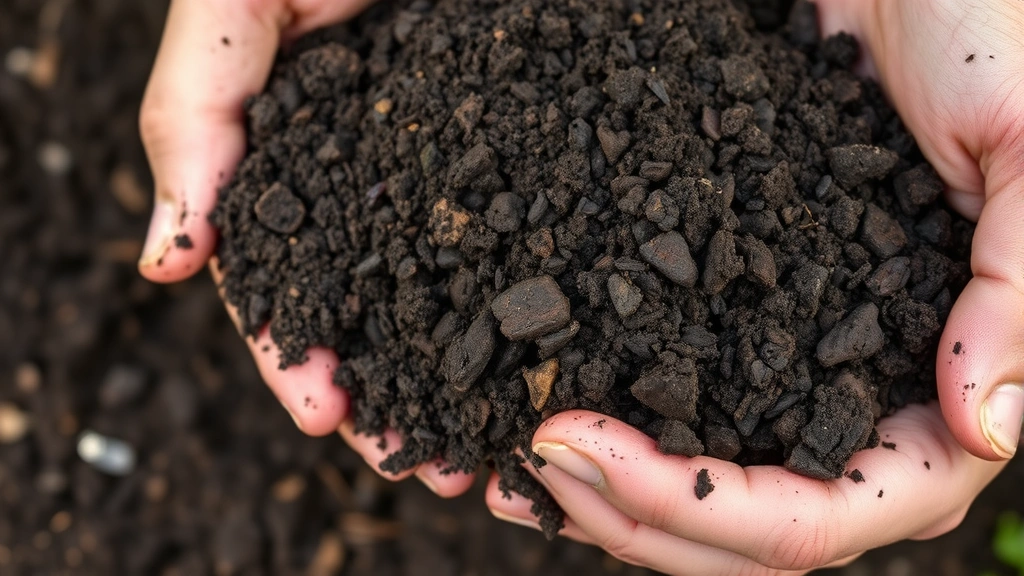
The secret to Lin’s garden success starts beneath the surface. Healthy soil is the cornerstone of any thriving garden, providing essential nutrients, proper drainage, and a welcoming environment for root development. Before planting anything, take time to understand your soil’s composition, pH level, and nutrient content through a simple soil test available from most cooperative extension services.
Lin recommends amending your soil generously with organic matter. Compost, aged manure, and decomposed leaves work wonders in improving soil structure and fertility. Mix these amendments into the top 8-12 inches of your garden bed, working them in thoroughly. This creates a rich, crumbly texture that allows water to penetrate while maintaining adequate drainage. The organic matter also feeds beneficial microorganisms that help plants access nutrients more efficiently.
For raised bed gardens, Lin creates a custom soil blend combining equal parts compost, peat moss or coconut coir, and perlite or coarse sand. This mixture provides excellent drainage while retaining moisture and nutrients. Container gardeners should use quality potting soil rather than garden soil, as garden soil compacts in containers and prevents proper drainage.
Consider testing your soil pH, as this affects nutrient availability. Most vegetables prefer slightly acidic soil with a pH between 6.0 and 7.0. If your soil is too alkaline or acidic, amendments like sulfur or lime can adjust the pH over time. This foundational work pays dividends throughout the growing season.
Choosing the Right Plants for Your Space
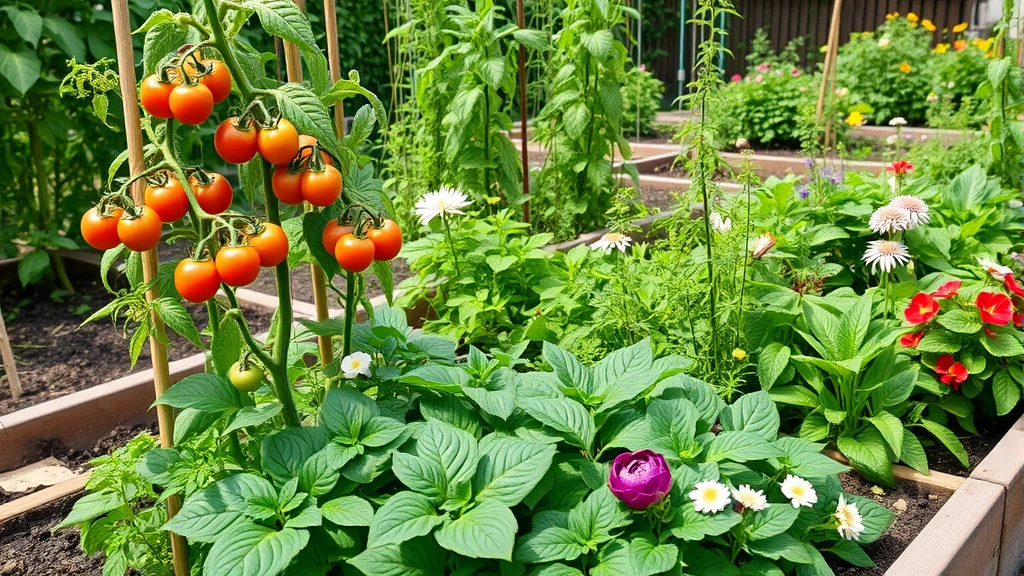
Successful gardening begins with selecting plants suited to your climate zone, sunlight availability, and soil conditions. Lin’s approach emphasizes working with nature rather than against it. Before purchasing plants, map your garden’s sun exposure throughout the day, noting areas that receive full sun (6+ hours), partial shade (3-6 hours), and full shade (less than 3 hours).
For beginners, Lin suggests starting with gardening tips for beginners to launch your green journey and focusing on reliable producers like tomatoes, lettuce, herbs, and zucchini. These plants are forgiving and provide quick gratification as you develop your skills. As your confidence grows, experiment with more challenging varieties.
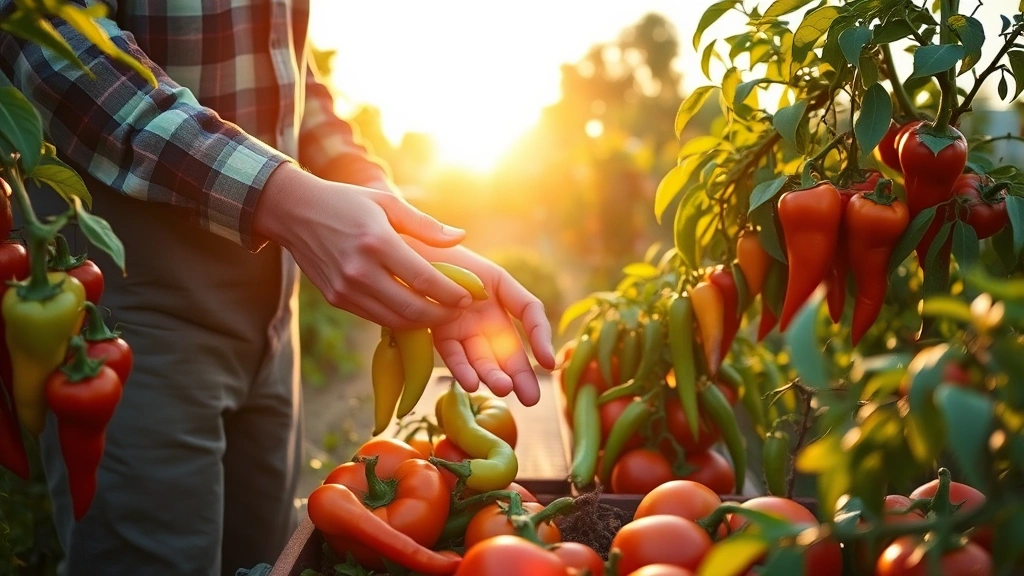
Consider incorporating both cool-season and warm-season crops to extend your harvest. growing peas in your garden works beautifully in spring and fall, while beans, squash, and peppers thrive in summer heat. Lin also recommends succession planting—sowing seeds every two weeks rather than all at once—to ensure continuous harvests rather than overwhelming gluts.
Don’t overlook container gardening. Lin utilizes pots throughout the garden for flexibility and accessibility. growing cucumbers in pots is particularly effective for small spaces and allows you to move plants to optimal light conditions. Perennials and shrubs provide structure and long-term value, while annuals and vegetables add seasonal color and productivity.
Watering and Nutrient Management
Proper watering is critical yet often misunderstood. Lin practices deep, infrequent watering rather than daily shallow sprinkling. Deep watering encourages root systems to develop downward, creating more resilient plants that better withstand drought stress. Water early in the morning to minimize disease pressure and allow foliage to dry quickly.
The frequency of watering depends on several factors: soil type, weather conditions, plant type, and season. Sandy soils need more frequent watering than clay soils. During hot, dry spells, most plants need watering once or twice daily. Use the finger test: push your finger into the soil near the plant’s base. If soil is dry at one inch depth, it’s time to water. Aim to keep soil consistently moist but not waterlogged.
Mulching reduces watering needs significantly. Lin applies 2-3 inches of organic mulch around plants, keeping it a few inches away from plant stems to prevent rot. Mulch maintains soil moisture, regulates temperature, suppresses weeds, and gradually decomposes to add organic matter to the soil.
Nutrient management involves understanding the nitrogen-phosphorus-potassium (NPK) trio. Nitrogen promotes leafy green growth, phosphorus supports root development and flowering, while potassium strengthens plant structure and disease resistance. Compost provides balanced nutrients, but specific plants benefit from targeted feeding. Tomatoes need extra potassium and phosphorus for fruiting, while leafy greens prefer nitrogen-rich fertilizers.
Lin favors organic fertilizers over synthetic options. Fish emulsion, bone meal, blood meal, and seaweed extract provide nutrients while improving soil biology. Apply fertilizers according to package directions, typically every 2-4 weeks during the growing season. Foliar feeding—spraying diluted fertilizer on leaves—provides quick nutrient boosts when plants show deficiency symptoms.
Seasonal Care and Maintenance
Spring is when gardens truly come alive. As soil warms and last frost dates pass, it’s time to plant warm-season crops. Lin starts seeds indoors 6-8 weeks before the last spring frost, giving seedlings a head start. Harden off seedlings by gradually exposing them to outdoor conditions before transplanting. Begin fertilizing as plants emerge from dormancy, and watch for pest populations that explode as temperatures rise.
Summer brings abundance but also challenges. Heat stress, increased pest pressure, and water demands peak during this season. Lin uses shade cloth to protect sensitive plants during extreme heat waves. Deadheading spent flowers encourages continued blooming, while pinching back leggy plants promotes bushier growth. Consistent watering becomes essential, and regular harvesting keeps plants productive. This is also an excellent time to start fall crops in areas with long growing seasons.
Fall offers a second planting season in most climates. As temperatures cool, plant cool-season crops like lettuce, broccoli, and spinach. These plants mature quickly before winter arrives. Fall is also ideal for planting perennials, shrubs, and trees, as cooler temperatures and fall rains promote root establishment. Continue harvesting summer crops until frost arrives.
Winter is a time for rest and planning. In mild climates, cool-season crops continue producing. Everywhere, winter is perfect for garden maintenance: cleaning tools, repairing structures, amending beds with compost, and planning next year’s layout. Review what worked and what didn’t, adjusting your approach accordingly.
Managing Pests and Diseases Naturally
Rather than reaching for chemical pesticides, Lin employs integrated pest management (IPM) strategies that work with natural systems. The first line of defense is prevention: healthy plants resist pests and diseases better than stressed plants. Proper spacing ensures air circulation, reducing fungal diseases. Removing affected plant material quickly prevents disease spread.
Encourage beneficial insects like ladybugs, lacewings, and parasitic wasps that prey on garden pests. Plant flowers like yarrow, fennel, and marigolds to attract these helpers. Companion planting—growing certain plants together for mutual benefit—also helps. Marigolds deter some insects, basil repels flies, and nasturtiums attract aphids away from vegetables.
Hand-picking larger pests like hornworms and beetles is surprisingly effective. Early morning is the best time, as insects are sluggish. For aphids and spider mites, strong water spray from the hose dislodges them. Neem oil and insecticidal soap provide organic control for persistent infestations, though they should be used as a last resort.
Disease management focuses on prevention. Water at soil level rather than overhead to keep foliage dry. Space plants properly for air circulation. Remove diseased leaves immediately. Sterilize tools between plants to prevent spreading pathogens. If powdery mildew appears, baking soda spray (one tablespoon per gallon of water) provides effective control.
Design Elements for Garden Success
Beyond plants themselves, thoughtful garden design contributes to success and enjoyment. Lin organizes the garden by considering plant heights, bloom times, and growth habits. Taller plants go on the north side of the bed to avoid shading shorter plants. Grouping plants by water and nutrient needs simplifies maintenance.
Pathways and access points are crucial. Lin ensures easy access to all plants for harvesting, weeding, and maintenance. Raised beds and containers bring plants closer to eye level, reducing bending and improving visibility for pest monitoring. garden decor elements like trellises, arbors, and stakes serve both functional and aesthetic purposes.
Consider incorporating bonsai trees or other artistic elements if you enjoy horticultural artistry. For those interested in extending garden enjoyment beyond the plot, flower arranging tips help showcase your harvest beautifully indoors.
Vertical growing maximizes space and improves air circulation. Trellises for beans, peas, cucumbers, and squash allow harvesting at comfortable heights while producing more in less space. Wall-mounted containers and hanging baskets add growing area without requiring ground space. This vertical approach is especially valuable for small gardens or balconies.
Water features, seating areas, and shade structures make gardens inviting spaces for relaxation. A simple bench encourages you to spend time observing your garden, which helps with pest and disease monitoring while allowing you to enjoy the fruits of your labor.
Frequently Asked Questions
How often should I fertilize my garden?
Most gardens benefit from fertilizing every 2-4 weeks during the growing season. Container plants and heavy feeders like tomatoes may need more frequent applications. Always follow package directions and avoid over-fertilizing, which can burn plants and create nutrient imbalances. Organic fertilizers release nutrients more slowly than synthetics, providing steadier nutrition over time.
What’s the best way to start a garden if I’ve never gardened before?
Begin small with a few reliable plants in a manageable space. Focus on soil preparation and consistent watering before worrying about perfect techniques. Start seeds indoors under grow lights, or purchase healthy transplants from nurseries. Join your local master gardener program for personalized guidance and community support. Most importantly, embrace mistakes as learning opportunities.
Can I garden in containers if I don’t have yard space?
Absolutely! Container gardening produces abundant harvests in limited spaces. Use quality potting soil, ensure containers have drainage holes, and select plants suited to container growth. Herbs, lettuce, peppers, and determinate tomatoes thrive in pots. Water more frequently than ground gardens, as containers dry quickly. Larger containers (5+ gallons) provide more stable growing conditions than small pots.
How do I know if my plants need water?
The finger test is most reliable: insert your finger one inch into soil near the plant. If it feels dry, water thoroughly. Different plants have different moisture preferences—succulents prefer drier conditions, while vegetables typically prefer consistently moist soil. Weather, season, and soil type all affect watering frequency. Mulching helps maintain consistent moisture levels.
What’s the difference between full sun and partial shade plants?
Full sun plants need 6+ hours of direct sunlight daily. Partial shade plants thrive with 3-6 hours of sun, ideally including morning light. Full shade plants need less than 3 hours of direct sun. Morning sun is gentler than afternoon sun, which is especially intense in hot climates. Observe your garden’s light patterns before choosing plants to avoid common placement mistakes.
How can I improve poor soil?
Add organic matter generously—compost, aged manure, leaf mold, or peat moss all improve soil structure and fertility. Work amendments into the top 8-12 inches of soil. Mulching with organic materials adds matter gradually as it decomposes. For severe deficiencies, conduct a soil test through your local USDA extension office to identify specific needs. Soil improvement is ongoing; add compost annually for continuous enhancement.
When should I plant different vegetables?
Timing depends on your climate zone and specific crops. Cool-season crops (lettuce, peas, broccoli) tolerate light frost and prefer temperatures below 75°F, so plant in early spring and late summer. Warm-season crops (tomatoes, peppers, squash) need soil temperatures above 60°F and prefer temperatures above 70°F. Check your local frost dates and growing season length, available from your cooperative extension service, to determine optimal planting times.
What are companion plants and how do I use them?
Companion planting pairs plants that benefit each other through pest deterrence, nutrient sharing, or structural support. Classic combinations include tomatoes with basil (improves flavor and repels pests), beans with corn (beans fix nitrogen, corn provides structure), and lettuce with carrots (different root depths prevent competition). Experiment with combinations and observe results in your specific garden.


