Jail Fence in Garden? Security Expert Insights for Garden Protection
When gardeners mention “jail fence,” they’re typically referring to sturdy, secure fencing solutions that protect vegetable gardens, fruit trees, and ornamental plants from unwanted intruders—whether animal or human. Understanding how to implement effective garden fencing goes beyond aesthetics; it’s about creating a secure growing environment where your plants thrive without constant threats. This comprehensive guide explores the various fencing options available, security considerations, and practical installation methods that transform your garden into a protected sanctuary for cultivation.
Garden security through proper fencing is increasingly important as urban and suburban gardening gains popularity. Whether you’re growing valuable produce, rare plant specimens, or simply want to keep wildlife at bay, selecting the right fence type makes a significant difference. We’ll explore everything from traditional chain-link solutions to modern security fencing, helping you make informed decisions about protecting your garden investment.
Understanding Garden Fence Types
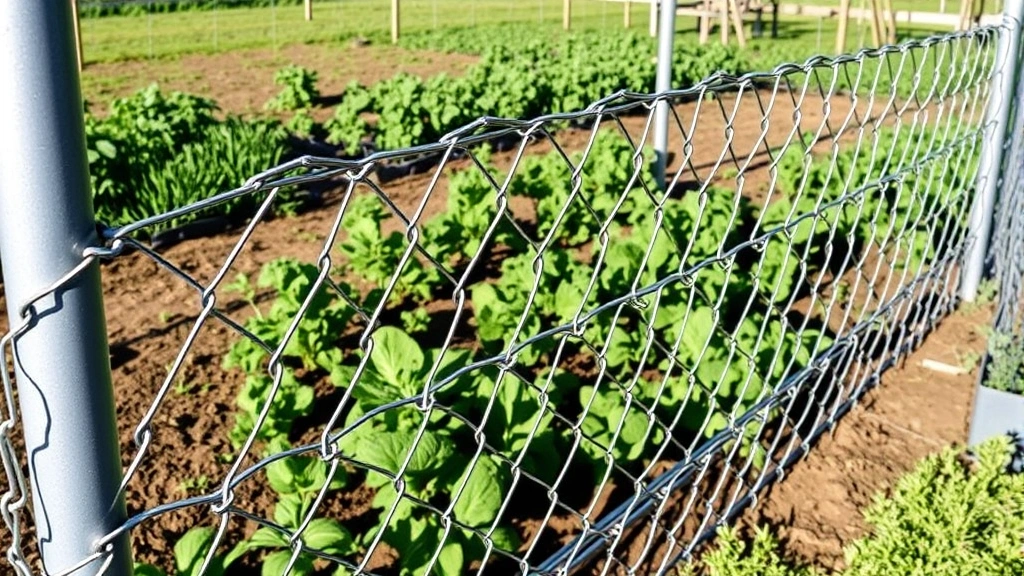
Garden fencing comes in numerous varieties, each serving different purposes and aesthetic preferences. Chain-link fencing remains one of the most popular choices for vegetable gardens and produce areas because it provides excellent visibility, durability, and reasonable cost-effectiveness. The open weave design allows you to monitor plant growth while keeping deer, rabbits, and other wildlife at a distance. Most effective chain-link garden fences stand between four and six feet tall, with buried sections preventing burrowing animals from undermining your defenses.
Welded wire fencing offers superior security compared to chain-link alternatives. This material features smaller mesh openings, typically one-quarter to one-half inch, which prevents smaller rodents and pest animals from accessing your garden beds. Welded wire proves particularly valuable when growing pumpkin plants and other valuable crops that attract wildlife. The material resists cutting better than standard chain-link and maintains structural integrity longer in harsh weather conditions.
Wooden privacy fences provide both security and aesthetic appeal, creating a complete barrier that prevents external visibility into your growing area. While requiring more maintenance than metal alternatives, wooden fences can be customized to complement your landscape design. When gardening with native plants, a wooden fence backdrop creates an attractive frame for your planting scheme. Cedar and pressure-treated pine offer superior rot resistance, extending the fence lifespan to fifteen to twenty years with proper maintenance.
Electric fencing represents the ultimate deterrent for serious garden protection. Though initially seeming extreme, electric fencing proves highly effective against determined animals like deer and bears. The psychological barrier created by a single shock teaches wildlife to avoid your garden entirely. Modern battery-powered systems require minimal installation and can be moved seasonally, making them ideal for temporary protection during peak growing seasons.
Composite fencing materials combine wood fibers with plastic polymers, creating products that resist rot, insects, and UV damage without regular painting or staining. These materials maintain appearance for twenty-five to thirty years, though they cost more initially than traditional wood or metal options. For gardeners seeking low-maintenance security solutions, composite materials represent an excellent long-term investment.
Security Considerations for Garden Perimeters
Effective garden security extends beyond simply installing any fence. Height requirements vary depending on your primary concern. Deer typically require six-foot fencing to prevent jumping over, while rabbits and groundhogs need only three to four feet with proper buried sections. Small rodents like voles and mice may require fencing with mesh openings no larger than one-quarter inch to prevent entry.
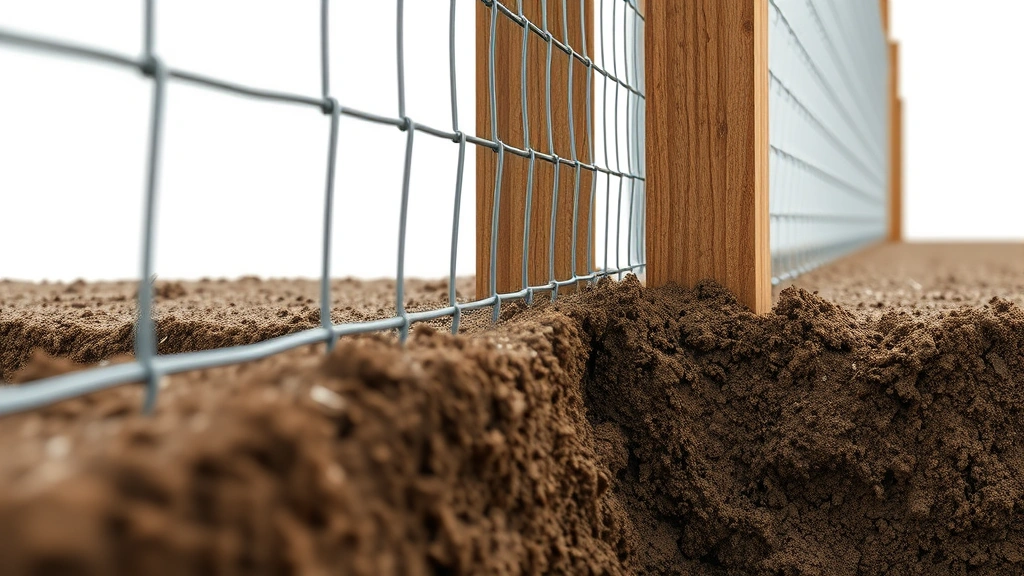
The buried portion of your fence proves critical for preventing burrowing animals from accessing your garden. Extending fencing eighteen inches below ground level, bent outward at a ninety-degree angle, creates an effective underground barrier. This technique proves particularly valuable when protecting raised bed gardens, which are especially vulnerable to tunneling wildlife. For serious security needs, some gardeners extend buried barriers to twenty-four inches, particularly in areas with persistent groundhog or mole problems.
Gate security represents a critical weak point in any garden fence system. Self-closing, self-latching gates with robust hinges prevent accidental openings. Installing gates with small gaps prevents curious animals from pushing them open. Consider adding secondary latches or padlocks if your garden contains high-value plants or if you’re concerned about human trespass. Proper gate installation should include ground clearance of no more than one inch to prevent small animals from squeezing underneath.
Strategic fence placement enhances security effectiveness. Install fencing at least ten feet from dense brush or tree branches where animals might use as jumping platforms. Clear vegetation from the fence perimeter to eliminate hiding spots and make surveillance easier. For serious security concerns, installing motion-activated lighting or surveillance cameras near fence lines provides additional deterrent value.
Fence condition maintenance directly impacts security effectiveness. Regular inspections reveal holes, gaps, or damaged sections that compromise protection. Animals quickly learn to exploit weaknesses, making proactive repair essential. Check for bent or lifted sections where animals might squeeze through, and ensure gates close properly without gaps.
Installation Best Practices
Proper fence installation requires careful planning and execution. Begin by marking your perimeter accurately using string lines and stakes. This step prevents costly mistakes and ensures your fence follows intended property lines. Contact local utility companies before digging to locate underground pipes, cables, and conduits that might interfere with post installation.
Post installation forms the foundation of fence security. Space posts no more than six feet apart, with corner and gate posts set deeper than standard sections. Dig post holes to a depth of thirty percent of the total post length, minimum two feet for most garden fences. Set posts in concrete for maximum stability, allowing the concrete to cure fully—typically forty-eight hours—before attaching fencing materials.
When installing mesh or wire materials, maintain consistent tension to prevent sagging that compromises security. Use proper fasteners appropriate to your chosen material—galvanized staples for wooden posts, tension bands for metal posts. Work methodically across the fence line, checking alignment and tension frequently. Poorly installed mesh develops weak points where animals can push through or create openings.
Buried sections require extra attention during installation. After setting posts, install wire or mesh below ground level before backfilling. Ensure the buried portion bends outward at ground level, creating a barrier that prevents animals from digging underneath. Compact soil carefully during backfilling to prevent settling that creates gaps.
For wooden fence installation, select weather-resistant wood and allow proper spacing between boards. Some gardeners prefer picket-style fencing with narrow gaps that still prevent animal passage while maintaining aesthetic appeal. Install boards securely with corrosion-resistant fasteners, and plan for seasonal wood movement by using flexible fastening methods.
Combining Fencing with Plant Protection
Garden fencing works most effectively when combined with complementary plant protection strategies. Netting and row covers provide secondary protection for vulnerable plants, particularly during establishment phases. Birds and insects can still access plants even within fenced areas, making overhead protection valuable for newly propagated plants and young seedlings.
Companion planting complements fence-based security by using naturally repellent plants. Marigolds, nasturtiums, and chives discourage certain insects and pests. Planting these around your garden perimeter creates additional layers of protection. Aromatic herbs like mint and lavender provide both culinary benefits and pest deterrent properties.
Exclusion methods work alongside fencing for comprehensive protection. Tree guards protect young fruit tree trunks from deer rubbing and rodent damage. Specialized netting protects berry bushes and fruit crops from birds and larger animals. These temporary measures complement permanent fence installations, creating redundant protection systems.
Consider indoor cultivation options for your most valuable plants. An indoor herb garden provides year-round harvests while eliminating outdoor security concerns entirely. Combining indoor growing with outdoor fence-protected beds creates diverse cultivation strategies that maximize productivity and security.
Fence-integrated trellising adds functional growing space while enhancing security. Climbing vegetables and fruits use fence structures for support, maximizing garden productivity. This approach proves particularly valuable in space-limited gardens where vertical growing increases yields significantly. Trellised plants also create additional visual barriers that enhance privacy and security.
Maintenance and Longevity
Garden fence longevity depends heavily on consistent maintenance practices. Seasonal inspections identify deterioration early, preventing small issues from becoming major security problems. Check for rust on metal components, rot on wooden elements, and structural damage from weather or animal activity. Spring and fall represent ideal inspection times, allowing you to address issues before they worsen.
Rust prevention extends metal fence lifespan significantly. Galvanized or vinyl-coated materials resist rust better than bare steel. If rust appears despite preventive measures, address it promptly with wire brushing and rust-inhibiting paint. Proper drainage around fence posts prevents water accumulation that accelerates corrosion.
Wooden fence maintenance includes regular inspection for rot, insect damage, and weathering. Apply protective stains or sealants every two to three years to maintain water resistance. Replace compromised boards promptly to prevent structural failure. Monitor posts for decay, particularly at soil level where moisture concentration is highest.
Vegetation management around fences prevents damage and maintains effectiveness. Keep plants trimmed back from fence lines to improve visibility and reduce moisture that promotes rot. Remove climbing vines that create weight stress on fence structures. Prevent soil from building up against fence bases, which accelerates deterioration and creates animal access points.
Hardware maintenance prevents gate and latch failures. Lubricate hinges and latching mechanisms annually to maintain smooth operation. Replace bent or corroded fasteners promptly. Check that self-closing gates function properly, making adjustments as needed to ensure reliable closure.
Legal and Regulatory Aspects
Before installing garden fencing, research local zoning regulations and homeowners association rules. Many jurisdictions restrict fence height, materials, and placement within front yards or setback areas. Building permits may be required for fences exceeding certain heights or in specific locations. Checking requirements before construction prevents costly removal or modifications.
Property line verification prevents neighbor disputes and legal complications. Professional land surveys establish exact boundaries, ensuring your fence doesn’t encroach on neighboring properties. Many disputes arise from assumptions about property lines, making professional verification a worthwhile investment for larger installations.
Liability considerations affect fence design and maintenance. Ensuring gates remain secure and fences don’t create hazardous conditions protects you legally. Properly maintained fences that don’t obstruct visibility or create dangerous conditions reduce liability exposure. Consider your specific situation, particularly if you have neighbors with young children or pets.
Neighbor notification builds goodwill even when not legally required. Discussing fence plans with adjacent property owners prevents misunderstandings and often leads to cooperative solutions. Neighbors may have valuable insights about wildlife issues or drainage patterns affecting your area.
Selecting Materials Based on Garden Type
Different garden types benefit from specific fencing approaches. Vegetable gardens typically require four to six-foot fencing with buried sections to exclude wildlife while maintaining reasonable maintenance demands. Chain-link or welded wire provides excellent visibility and durability for this application. Ornamental gardens benefit from aesthetically pleasing options like wooden privacy fencing or composite materials that complement landscape design.
Fruit tree orchards require particularly robust protection, as wildlife prioritizes fruit crops. Six-foot fencing with electric supplementation provides comprehensive protection. Consider specialty garden designs that incorporate protective structures as design elements rather than utilitarian afterthoughts.
Specialty crop gardens containing high-value or rare plants may justify premium fencing solutions. Electric fencing, surveillance systems, and locked gates provide protection matching the investment value. These gardens often benefit from combination approaches using multiple protection layers.
Cost Considerations and Budget Planning
Material costs vary significantly based on chosen fencing type. Chain-link typically ranges from eight to fifteen dollars per linear foot installed, while wooden fencing costs fifteen to thirty dollars per foot. Composite materials and specialty solutions cost significantly more, ranging from thirty to fifty dollars per linear foot or higher. Calculate your total garden perimeter accurately to establish realistic budgets.
Installation labor represents substantial costs for most fencing projects. Professional installation typically costs two to three dollars per linear foot on top of material expenses. DIY installation saves labor costs but requires time, proper tools, and physical effort. Consider your skill level and available time before deciding between professional and self-installation approaches.
Long-term value assessment should guide material selection. While premium materials cost more initially, superior durability and lower maintenance requirements often provide better long-term value. Calculate total cost of ownership over the fence’s expected lifespan, including maintenance, repairs, and eventual replacement.
Advanced Security Features
Motion-activated systems provide psychological deterrents for wildlife and human intruders. Lights and sound devices startle animals, encouraging them to seek food elsewhere. These systems prove particularly valuable in areas experiencing persistent wildlife pressure or theft concerns. Solar-powered options eliminate electrical installation requirements.
Surveillance capabilities add another security layer for valuable gardens. Trail cameras and security systems document wildlife activity and deter human trespass. Modern systems offer remote monitoring through smartphone applications, allowing real-time oversight of your garden area. Video evidence proves valuable if theft or damage occurs.
Fencing integration with home systems creates comprehensive property security. Connecting garden fencing to broader home security systems provides unified monitoring and control. Smart gates with remote access and notification systems offer convenience and enhanced security for larger properties.
Seasonal Considerations
Winter preparation protects fencing from snow load and ice damage. Remove snow accumulation from fence tops and inspect for frost heave that lifts posts. Ensure proper drainage around posts prevents water accumulation that freezes and causes structural damage. Wooden fences benefit from additional inspection before winter to address deterioration that accelerated moisture damage.
Summer maintenance addresses heat-related expansion and wood drying. Inspect for warping or splitting in wooden fences, and adjust fasteners that loosen from wood movement. Monitor metal fences for expansion-related stress on welds or fasteners. Vegetation management proves particularly important during summer growth periods.
Spring wildlife pressure peaks as animals emerge from winter seeking food. Inspect fences thoroughly before spring planting, addressing any winter damage. Ensure gates function properly and all barriers are secure before installing vulnerable plants. This timing allows you to address issues before wildlife discovers your garden.

FAQ
What height fence prevents deer from jumping into gardens?
Most deer cannot clear fences higher than six feet, making this the standard recommendation for deer-prone areas. Some particularly athletic deer may clear six-foot barriers, particularly if they’re motivated by food. Eight-foot fencing guarantees deer exclusion but may violate local zoning regulations. Angled fencing extending outward at the top increases effective height without requiring excessive vertical space.
How deep should fence posts be buried for garden security?
Posts should be buried to approximately thirty percent of their total length, with a minimum of two feet for most garden applications. Larger posts or those in windy areas benefit from deeper burial. Setting posts in concrete provides superior stability compared to soil alone, extending fence lifespan and maintaining security effectiveness.
Can electric fencing damage plants or harm beneficial insects?
Modern electric fencing systems are designed for animal deterrence and pose minimal risk to plants or beneficial insects when properly installed. The electrical current is contained within the wire, not radiating into the surrounding area. Beneficial insects moving freely through gardens remain unaffected. However, ensure electric fencing doesn’t contact plants directly, which could cause damage at contact points.
What materials best withstand harsh weather conditions?
Galvanized steel, vinyl-coated chain-link, and composite materials offer superior weather resistance compared to untreated options. Pressure-treated wood resists rot but requires periodic maintenance. Stainless steel provides ultimate durability but at premium cost. Your climate should guide material selection, with harsh conditions justifying premium materials that reduce long-term maintenance requirements.
How often should garden fencing be inspected for damage?
Seasonal inspections (spring and fall) catch most issues before they compromise security. After severe weather events, inspect fencing for damage that requires immediate attention. Monthly visual checks during growing season identify emerging problems early. High-traffic areas or those experiencing wildlife pressure benefit from more frequent inspections.
Can fencing be installed on sloped terrain?
Yes, but sloped installation requires careful planning. Stepped fencing adjusts height at intervals following terrain contours, or raked fencing angles to follow slope continuously. Both approaches require more complex installation than level terrain but maintain security effectiveness. Professional installers experienced with sloped installations ensure proper execution.
What permits are typically required for garden fencing?
Permit requirements vary by jurisdiction but often apply to fences exceeding four feet in height or occupying front setback areas. Contact your local building department before construction to determine specific requirements. Some jurisdictions require surveys to verify property lines before permitting fences. Obtaining proper permits prevents costly removal requirements and ensures compliance with regulations.


