What to Wear for a Garden Party? Style Expert Tips
A garden party is one of the most delightful social occasions, combining elegant entertaining with the natural beauty of outdoor spaces. Whether you’re hosting an intimate gathering among your native plants or attending an upscale event, knowing what to wear can make the difference between feeling comfortable and feeling out of place. Garden parties require a unique approach to fashion that balances sophistication with practicality, considering both the aesthetic of the outdoor setting and the unpredictable nature of nature itself.
The key to dressing appropriately for a garden party lies in understanding the event’s formality level, the season, and the specific garden environment where it will take place. From casual afternoon tea among flowering borders to elegant evening soirées under string lights, garden party attire spans a wide spectrum of styles. This guide will help you navigate the nuances of garden party fashion, ensuring you look polished while remaining comfortable and appropriately dressed for the occasion.
Understanding Garden Party Dress Codes
Garden parties can range from casual to black-tie formal, and the invitation typically indicates the expected dress code. Casual garden parties call for relaxed, comfortable clothing that still maintains a polished appearance. Think sundresses, lightweight pants, and breathable fabrics that allow you to move freely while enjoying refreshments and conversation. Semi-formal garden parties require more structured pieces such as cocktail dresses, dressy separates, or tailored jumpsuits paired with elegant accessories. Formal garden events demand evening wear comparable to traditional black-tie affairs, though with garden-appropriate modifications.
The beauty of garden party fashion is that it allows for more creativity and personality than traditional indoor formal wear. The natural setting provides a backdrop that can accommodate bolder colors, floral patterns, and flowing fabrics that might seem out of place in a ballroom. When selecting your outfit, consider the garden’s character—a cottage garden setting allows for different styling choices than a modern landscape garden or a botanical garden venue.
Understanding the garden décor and theme can also guide your clothing choices. If the garden features vibrant blooming flowers, you might choose more neutral tones to avoid clashing. Conversely, if the garden is predominantly green with minimal flower color, wearing a colorful dress becomes a wonderful complement to the space.
Spring Garden Party Attire
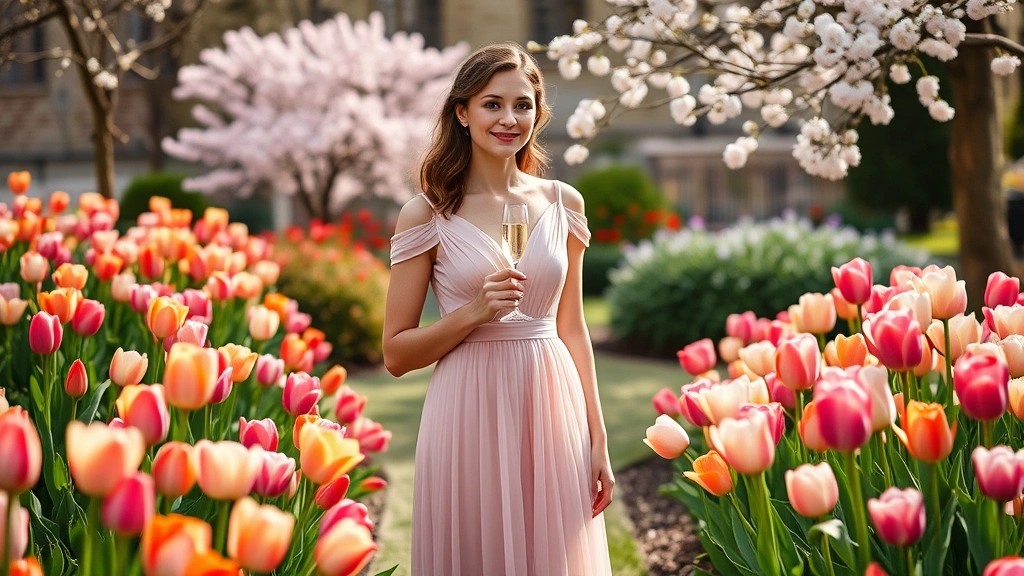
Spring garden parties capture the essence of renewal and fresh beginnings, making this the ideal season for light, airy fabrics and pastel color palettes. Pastels and soft hues naturally complement spring gardens bursting with tulips, daffodils, and cherry blossoms. Consider wearing dresses in soft pink, lavender, pale yellow, or mint green. These colors harmonize beautifully with the season’s botanical palette while maintaining an elegant appearance.
Fabrics should prioritize breathability and movement. Lightweight cotton, linen blends, chiffon, and silk are excellent choices for spring garden parties. A knee-length dress with delicate patterns works wonderfully for casual to semi-formal events, while a flowing maxi dress with a fitted bodice suits more formal occasions. Layering becomes important in spring, as temperatures can fluctuate throughout the day and evening. A lightweight cardigan, silk shawl, or tailored blazer provides warmth without adding bulk.
Floral patterns deserve special consideration during spring. While it might seem obvious to wear florals in a flower-filled garden, the key is choosing patterns that complement rather than compete with the surrounding blooms. Smaller, more delicate prints generally work better than large, bold patterns. Alternatively, solid colors create a sophisticated look that allows the garden’s natural flowers to take center stage.
Summer Garden Party Fashion
Summer garden parties demand attention to both style and practicality, as heat and humidity become significant factors. Breathable fabrics are non-negotiable during summer garden events. Look for natural fibers like cotton, linen, and lightweight silk that allow air circulation and help regulate body temperature. Linen, while prone to wrinkling, offers unparalleled breathability and has become increasingly fashionable for garden parties.
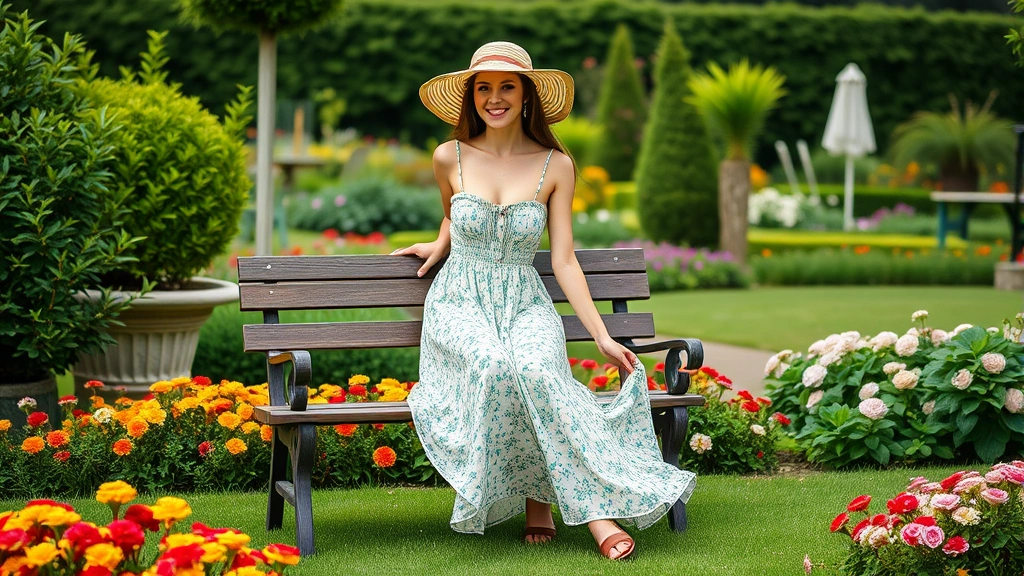
Summer garden party dresses can be more daring in color and style. Jewel tones like emerald, sapphire, and coral create stunning contrasts against green garden backdrops. Sleeveless options, spaghetti straps, and off-shoulder designs keep you cool while maintaining elegance. Midi and maxi length dresses are particularly flattering and practical for summer garden settings, as they provide coverage while remaining light and breezy.
When hosting or attending summer garden parties, consider that you’ll be exposed to direct sunlight. Protective elements become both stylish and practical. A wide-brimmed hat protects your face and adds a sophisticated touch to your ensemble. Long, lightweight layers over a sleeveless dress create a chic look while providing sun protection. If you’re starting your garden journey and planning to host parties, understanding how shade structures affect both your garden’s microclimate and your guests’ comfort is valuable knowledge.
Printed sundresses, striped linen separates, and lightweight palazzo pants paired with fitted tops offer versatility for various summer garden party styles. The key is choosing pieces that look intentional and put-together rather than casual beachwear.
Fall Garden Celebrations
Autumn garden parties celebrate the season’s rich color palette and slightly cooler temperatures. Warm earth tones—burgundy, burnt orange, golden yellow, deep brown, and forest green—beautifully complement fall gardens and the season’s natural aesthetic. These colors evoke the changing foliage and create a harmonious visual experience within the garden setting.
Layering becomes both practical and stylish during fall garden parties. A sleeveless dress paired with a tailored jacket, cardigan, or blazer creates depth and visual interest while accommodating temperature variations. Midi-length dresses with long sleeves offer elegance and warmth without sacrificing style. Fabrics can be slightly heavier than summer options—consider cotton blends, lightweight wool, or structured crepes that provide more substance while remaining breathable.
Textures become more important in fall fashion. Consider incorporating fabrics with subtle texture, such as jacquard weaves or subtle patterns that add visual interest. A dress with interesting texture looks more sophisticated than a simple solid piece, especially when the garden’s natural textures from changing leaves and autumn plantings are limited.
Winter Garden Events
Winter garden parties are increasingly popular, especially during the holiday season when gardens are decorated with lights and festive elements. Dressing for winter garden events requires balancing warmth with elegance, as you’ll be outdoors in cold temperatures but still want to look refined.
Layering is essential for winter garden parties. Start with a beautiful dress as your base—this might be a jewel-toned cocktail dress, a metallic option, or a classic black dress. Layer with a luxurious wrap, shawl, or evening coat in complementary colors. Faux fur stoles or wraps add glamour while providing necessary warmth. Structured jackets in rich fabrics like velvet or wool create polished silhouettes.
Winter garden parties often feature garden décor with evergreens, holiday lights, and seasonal plantings. Jewel tones—emerald, sapphire, amethyst, and ruby—coordinate beautifully with winter garden aesthetics. Metallic accents in gold or silver complement the sparkle of holiday decorations.
Tights and long sleeves become practical necessities rather than style choices. Opaque tights in neutral colors or complementary jewel tones elongate the leg while providing warmth. Long-sleeved dresses, whether fitted or flowing, ensure comfort in cold temperatures. Consider the material of your dress—heavier fabrics like crepe, velvet, or structured cotton blends provide more insulation than lightweight options.
Footwear Considerations
Choosing appropriate footwear for a garden party requires balancing style with practicality. Grass and uneven ground present challenges that typical indoor party shoes may not address. High heels, while elegant, can sink into soft ground or catch on grass, making walking uncomfortable and potentially damaging the garden.
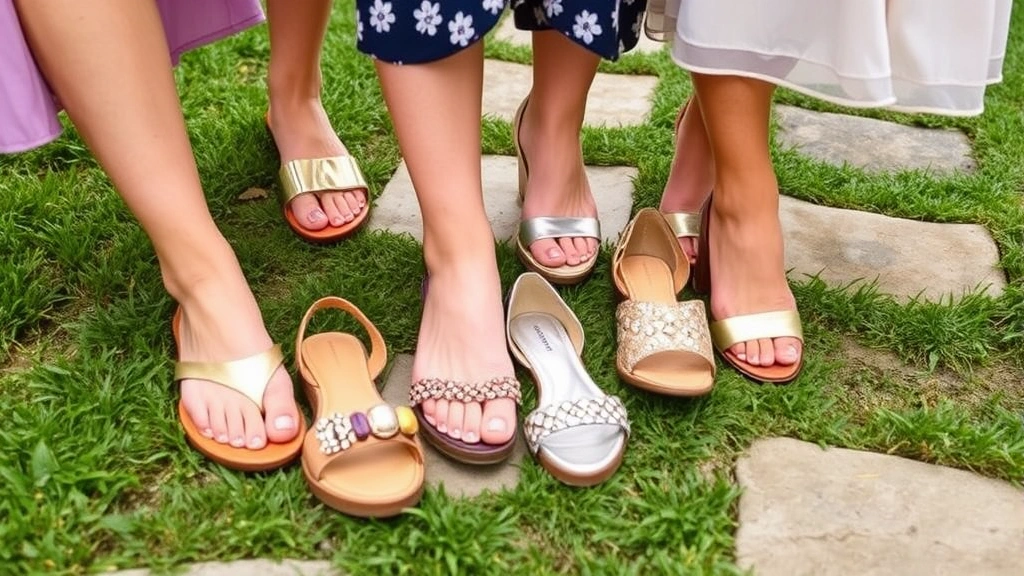
For casual garden parties, elegant flat sandals, dressy flip-flops, or embellished ballet flats offer comfort and style. Strappy sandals in metallic or neutral tones work for semi-formal events. Dressy sneakers or luxury athletic shoes have become increasingly acceptable for garden parties, especially when styled appropriately with elegant clothing.
For more formal garden events, consider heels with wider bases or thicker heels that distribute weight better on grass. Wedge heels provide stability and elegance without the ground-sinking problems of stilettos. Metallic heels in gold or silver complement formal garden party attire beautifully. Embellished flats or ornamental sandals offer formal sophistication with practical stability.
Season-appropriate footwear matters significantly. Summer garden parties call for lighter, breathable shoes, while fall and winter events may require closed-toe options or boots. Waterproof or water-resistant footwear becomes important if there’s any chance of morning dew or recent rain affecting the garden ground.
Accessories and Finishing Touches
Accessories elevate a garden party outfit from simple to sophisticated. Jewelry should be carefully considered in garden settings where you might be exposed to elements. Avoid delicate pieces that might catch on plants or branches. Statement necklaces, chandelier earrings, or bold bracelets add elegance without excessive delicacy. Consider the neckline of your dress when selecting jewelry—a high neckline calls for drop earrings or a bracelet, while a low or off-shoulder neckline pairs beautifully with a statement necklace.
Handbags should be both stylish and practical. Small clutches, structured evening bags, or elegant crossbody bags work well depending on the formality level. Metallic or jewel-toned bags complement most garden party outfits. Avoid overly casual bags like backpacks or athletic-style purses unless the party is extremely informal.
Hats and headpieces add charm and serve practical purposes. Wide-brimmed hats protect from sun while adding sophistication. Fascinators or decorative headpieces suit formal garden events, particularly those with a traditional or elegant theme. Flower crowns work for casual, bohemian-style garden parties but might be too informal for traditional events.
Wraps and shawls provide both warmth and elegance. A silk pashmina, lightweight scarf, or structured wrap coordinates with your outfit while accommodating temperature changes. Choose wraps in complementary colors or patterns that enhance rather than clash with your dress.
When planning container gardens or decorative garden elements for your own garden party, consider how your accessories will interact with these features. A well-coordinated overall aesthetic—from your clothing to your garden’s presentation—creates a cohesive event experience.
Practical Tips for Garden Comfort
Beyond fashion, practical considerations ensure you remain comfortable throughout your garden party. Sun protection is crucial for outdoor events. Sunscreen, a hat, and lightweight layers prevent sunburn and heat exhaustion. Even on cloudy days, UV rays penetrate, making protection essential.
Consider the garden’s amenities and design. If the party involves walking through various garden areas or if the venue features uneven terrain, wear footwear that provides stability and support. Check the weather forecast and plan accordingly—bringing an umbrella or rain jacket for outdoor events demonstrates both style and practicality.
Insect protection becomes important in some seasons and locations. Wearing lighter, solid-colored clothing can help reduce insect attraction compared to dark or heavily patterned garments. Consider the garden’s tools and maintenance schedule—freshly mulched areas or recently watered gardens might affect footwear choices and fabric selections.
Fabric choice impacts both comfort and practicality. Natural fibers breathe better than synthetics, reducing perspiration and discomfort in warm weather. However, some natural fabrics wrinkle easily, which may affect appearance during longer events. Blended fabrics often offer the best combination of breathability, durability, and wrinkle resistance.
Movement and mobility matter in garden settings. Choose dresses and outfits that allow comfortable walking, standing, and sitting. Overly tight or restrictive clothing becomes uncomfortable during extended outdoor socializing. Conversely, excessively loose or baggy garments might catch on plants or appear sloppy in photographs.
Consider the garden’s vegetation and potential hazards. Thorny plants, low-hanging branches, or fragrant flowers might affect your clothing and comfort. Long hair should be styled in ways that keep it away from your face and potential plant contact. Delicate fabrics might snag on rough plant material, so durability becomes a consideration alongside elegance.
FAQ
What’s the difference between garden party attire and cocktail party attire?
Garden party attire typically emphasizes lighter fabrics, brighter colors, and more flowing silhouettes than traditional cocktail wear. The natural setting allows for more casual elements and earth-inspired color palettes. Garden parties also require greater attention to practical concerns like footwear stability on grass and sun protection, whereas cocktail parties occur indoors with these considerations minimized.
Can I wear white to a garden party?
Yes, white is an excellent choice for garden parties and creates a classic, elegant aesthetic. White dresses, particularly in flowing fabrics, complement garden settings beautifully and evoke a timeless garden party aesthetic. However, ensure your white garment is appropriate for the formality level and season. In spring and summer, white is particularly striking, while winter garden parties might call for richer, warmer tones.
Are jeans appropriate for a casual garden party?
Jeans can work for very casual garden parties, particularly when styled with an elegant top and dressy accessories. However, most garden parties call for dressier options like linen pants, tailored trousers, or dresses. If wearing jeans, ensure they’re in good condition without rips or excessive distressing, and pair them with refined pieces that elevate the overall look.
How should I handle my hair and makeup for a garden party?
Hair and makeup should complement your outfit while withstanding outdoor elements. Secure styles like updos or braids prevent hair from blowing in your face or getting caught on plants. Waterproof makeup resists sweat and potential moisture from garden elements. Avoid heavy makeup that might feel uncomfortable in warm, outdoor settings. Natural-looking makeup that enhances your features works best for daytime garden parties, while more dramatic makeup suits evening events.
What if the weather changes unexpectedly during the garden party?
Always have a backup plan for weather changes. Bring a lightweight wrap, shawl, or jacket even if the forecast predicts clear skies. A small umbrella or rain jacket kept discreetly nearby allows you to adapt if unexpected rain occurs. Choosing fabrics and styles that work across temperature ranges provides flexibility. Waterproof footwear becomes valuable insurance against wet grass or unexpected showers.
Should my outfit match the garden’s flowers or theme?
Your outfit should complement rather than exactly match the garden. If the garden features vibrant, multicolored blooms, wearing a solid, neutral color allows the flowers to be the focal point. Conversely, if the garden is primarily green, wearing a colorful dress adds visual interest. Consider the overall aesthetic you want to create—coordinated but not matchy, sophisticated but not overdone.


