Garden House Ideas: Architect’s Design Tips for Your Outdoor Growing Space
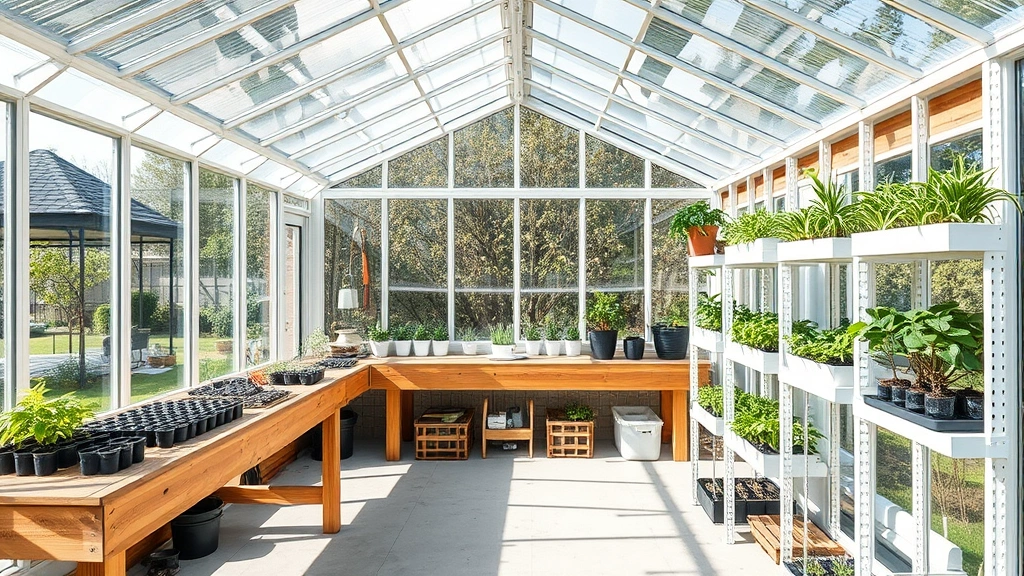
A garden house represents more than just a structure—it’s a purposeful extension of your gardening lifestyle that bridges the gap between indoor comfort and outdoor cultivation. Whether you’re envisioning a charming potting shed, a functional greenhouse, or a sophisticated garden pavilion, thoughtful architectural design can transform your gardening experience while adding significant value to your property. This guide explores essential design principles, practical layouts, and creative ideas to help you build the perfect garden house that serves both aesthetic and functional purposes.
The concept of a garden house has evolved considerably over the past decade, moving beyond simple storage structures to become integrated living and growing spaces. Modern gardeners recognize that a well-designed garden house can serve multiple functions: workspace for gardening tips and plant care, shelter for sensitive plants, relaxation retreat, and display area for your horticultural achievements. The key to success lies in understanding your specific needs and translating them into architectural features that enhance both functionality and visual appeal.
Understanding Garden House Purposes
Before diving into architectural specifics, clarify what your garden house will primarily serve. Some gardeners prioritize it as a workspace for preparing garden soil and potting plants, requiring ample benching and tool storage. Others view it as a growing environment for tender perennials, tropical plants, or year-round vegetable production. A third category seeks a hybrid space—part greenhouse, part retreat, part display garden.
The most successful garden houses accommodate multiple functions through smart design. A central potting bench with storage underneath serves as the workspace hub, while shelving systems provide space for seedlings and plant propagation. Seating areas positioned near windows create contemplative spaces without compromising growing capacity. Understanding your primary and secondary purposes will guide every subsequent design decision, from roof pitch to wall materials.
Consider seasonal usage patterns. Will your garden house operate year-round, requiring robust heating and cooling systems? Or is it primarily a spring-through-fall workspace? This distinction significantly impacts your architectural requirements and budget allocation. Many experienced gardeners find that a three-season garden house with supplemental heating extends functionality considerably while reducing construction costs.
Site Selection and Orientation
The location of your garden house within your property landscape dramatically influences its success. Optimal positioning requires analyzing sun exposure throughout the year, considering how deciduous trees provide summer shade while allowing winter light penetration. South-facing orientations maximize light for light-loving plants, while east-facing exposures provide gentle morning sun without intense afternoon heat stress.
Proximity to water sources and electrical outlets should factor heavily into your site selection. A garden house positioned near an outdoor spigot eliminates the need for extended hose runs, improving watering efficiency and plant health. Easy access to electricity enables misting systems, heating cables, and grow lights. Additionally, position your structure where it’s visible from your main living areas—a well-designed garden house becomes a focal point that enhances your property’s overall aesthetic appeal.
Wind exposure deserves careful consideration, particularly in regions prone to strong gusts. Positioning your garden house where existing structures or tree lines provide windbreaks reduces structural stress and protects delicate plants from damage. Conversely, ensure adequate air circulation to prevent fungal diseases and maintain healthy plant growth. The interplay between protection and ventilation requires thoughtful site analysis before construction begins.
Foundation and Structural Considerations
A proper foundation prevents settling, moisture intrusion, and structural deterioration. For permanent garden houses, concrete footings that extend below the frost line ensure stability through freeze-thaw cycles. Many architects recommend a rubble trench foundation or concrete piers spaced appropriately for your structure’s size and load requirements. Consult local building codes and frost depth specifications—these vary significantly by geographic region.
The choice between concrete slab, raised foundation, or pier-and-beam construction depends on your climate, soil conditions, and intended use. A concrete slab offers ease of cleaning and wheelchair accessibility but can feel cold and may complicate drainage. Raised foundations with crawl spaces improve air circulation beneath the structure, reducing moisture-related issues. Elevated designs also create space for rainwater harvesting systems or equipment storage.
Structural framing options range from traditional wood construction to modern metal frameworks. Wood provides aesthetic warmth and excellent insulation properties, making it popular for residential garden houses. Metal framing offers strength and longevity, particularly valuable in humid climates where wood rot becomes problematic. Many architects recommend pressure-treated lumber for all ground-contact components, regardless of primary framing material, to extend the structure’s lifespan significantly.
Ventilation and Climate Control
Proper ventilation stands as perhaps the most critical design element for any garden house. Excessive humidity promotes fungal diseases, mold, and plant stress. Louver vents positioned high on opposing walls create natural convective air flow, drawing warm air upward and outward while pulling cooler air in from lower openings. Automated vent openers that respond to temperature changes eliminate the need for manual monitoring during variable spring and fall weather.
For year-round operation or climates with extreme temperature fluctuations, consider installing supplemental heating and cooling systems. Radiant floor heating provides gentle warmth without drafts that stress plants. Evaporative coolers (swamp coolers) offer cost-effective temperature reduction in dry climates, while traditional air conditioning becomes necessary in humid regions where evaporative systems prove ineffective. Humidity control through dehumidifiers or increased ventilation protects plants and prevents structural damage.
Many experienced gardeners incorporate shade cloth systems on the exterior or interior of transparent panels, allowing precise light intensity control. Retractable shade systems provide flexibility to adjust light exposure throughout the season. In cooler climates, thermal mass elements like water barrels or stone walls moderate temperature fluctuations, reducing heating requirements while creating microhabitats for specific plant types.
Interior Layout and Storage
Smart interior organization transforms a garden house from chaotic storage area to efficient workspace. A central potting bench positioned to maximize natural light serves as your primary work surface. Ensure adequate space on either side for plant staging and supplies. Height-adjustable benches accommodate different user heights and reduce physical strain during extended potting sessions.
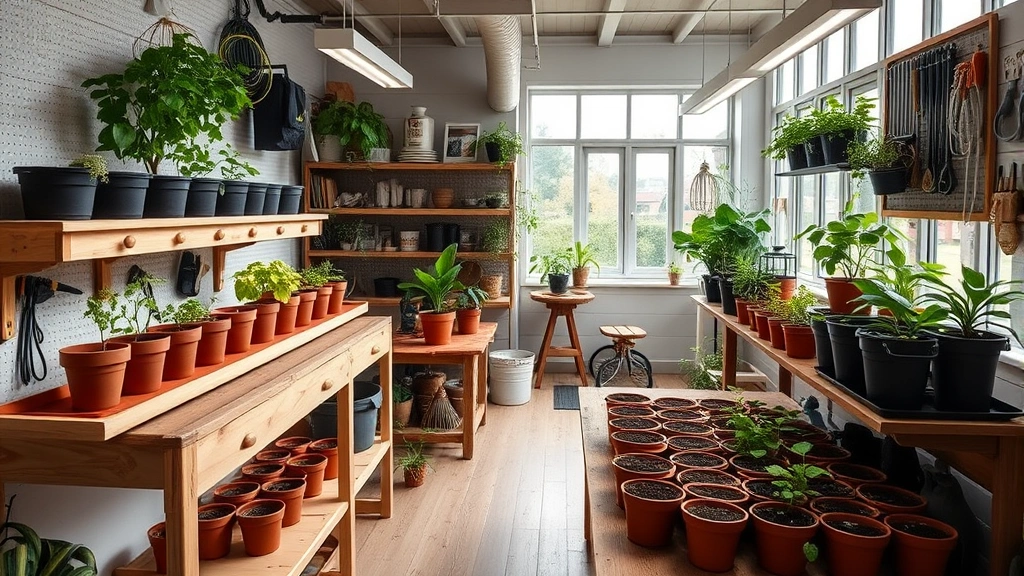
Vertical storage maximizes limited space—wall-mounted shelving, pegboards, and hanging systems keep tools, pots, and supplies organized and accessible. Dedicate specific storage zones for different categories: seed starting supplies, tool storage, fertilizers and amendments, and propagation materials. Clear labeling and consistent organization systems reduce time spent searching for supplies and prevent duplicate purchases.
When planning easy to grow vegetables production areas, consider tiered benching systems that maximize vertical growing space while maintaining accessibility. Cascade designs where benches step progressively higher toward windows ensure all plants receive adequate light. Mobile benching units provide flexibility to reconfigure your space seasonally or accommodate different plant collections.
Materials and Sustainability
Material selection balances durability, aesthetic preferences, and environmental impact. Polycarbonate panels offer superior insulation compared to glass while providing excellent light transmission and impact resistance. They’re lighter weight, reducing structural requirements and construction complexity. Traditional glass provides superior clarity and aesthetic appeal but demands more substantial framing and offers less insulation value.
Roofing materials should reflect your climate and intended use. Metal roofing provides longevity and excellent water shedding, valuable in rainy regions. Asphalt shingles offer affordability and aesthetic variety but require eventual replacement. For structures emphasizing light penetration, transparent or translucent roofing panels create dramatic effects while supporting plant growth in overhead areas.
Sustainable design choices enhance both environmental responsibility and long-term economics. Reclaimed wood siding adds character while reducing environmental impact. Recycled plastic lumber resists rot and requires minimal maintenance, though some gardeners find it aesthetically less appealing. Incorporating garden decor elements from sustainable sources and designing for water catchment systems aligns your garden house with broader environmental stewardship principles.
Windows, Doors, and Light Access
Windows deserve careful consideration as they simultaneously provide light, ventilation, and visual connection to the surrounding landscape. South-facing glazing maximizes winter light penetration while summer overhangs from roof structures shade interior spaces during hot months. Operable windows enable ventilation control without relying solely on powered systems. Position windows strategically to frame attractive views and create visual interest from both inside and outside perspectives.
Door placement affects traffic flow and functionality. A single-door design minimizes heat loss but can feel cramped. Double doors or wide sliding glass doors improve accessibility for moving equipment and plants while creating a more open, inviting aesthetic. Consider thresholds carefully—slightly raised thresholds retain water and debris, while completely flush transitions facilitate equipment movement but require careful weatherproofing.
Light access fundamentally determines your garden house’s plant-growing capacity. Calculate the percentage of transparent versus opaque wall and roof area—generally, 50-70% transparency supports healthy plant growth while maintaining structural integrity and temperature stability. South-facing walls should maximize glazing in cooler climates, while east or north exposure works well in hot regions where afternoon shade prevents plant stress.
Aesthetic Design Elements
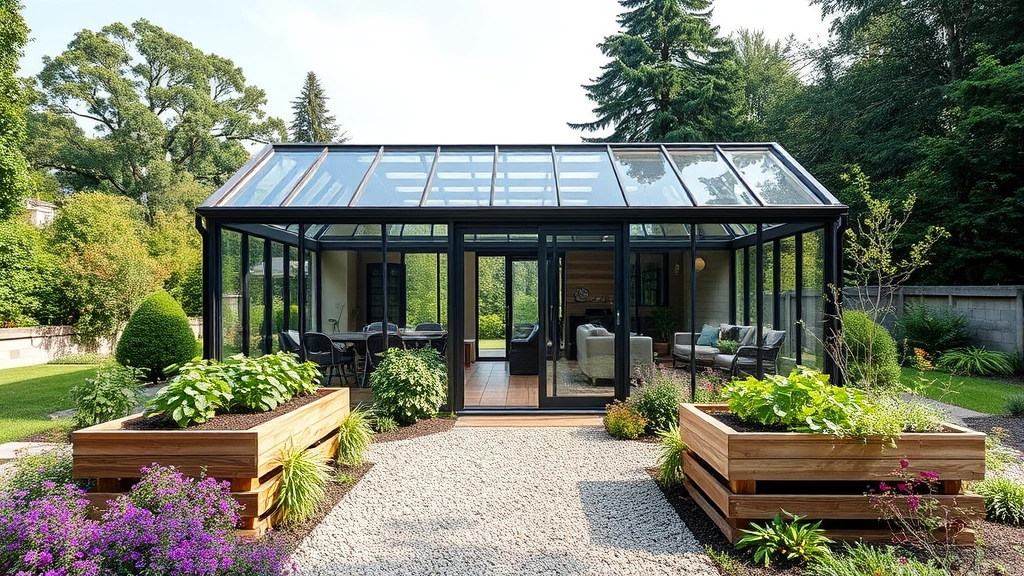
A well-designed garden house serves as a visual focal point that enhances your property’s overall landscape design. Architectural style should complement your home’s aesthetic—a Victorian greenhouse suits period cottages, while modern minimalist designs pair with contemporary residences. Cohesive material choices and color palettes integrate your garden house into the broader landscape composition.
Landscaping around your garden house establishes visual context and functional relationships. Foundation plantings soften architectural lines while creating microclimates. A small herb garden adjacent to the entrance provides convenient access to culinary herbs. Pathways leading to the structure invite exploration and establish clear spatial hierarchy. Consider how your garden house appears from different vantage points throughout your property—views from windows, entryways, and seating areas all contribute to the overall experience.
Interior aesthetics matter equally to exterior appearance. Organized systems, clean surfaces, and thoughtful display of plants create an inspiring workspace that motivates regular engagement with your gardening pursuits. Display shelving showcases specimen plants, propagation projects, and seasonal collections. Adequate lighting—both natural and supplemental—illuminates the space while supporting plant growth. A small seating area with comfortable furnishings transforms your garden house from purely functional workspace into a destination retreat that encourages contemplation and connection with your plants.
Many gardeners enhance their garden house with water features, both for aesthetic appeal and practical benefits. A small fountain or recirculating water system creates ambient sound while providing humidity. Rainwater collection systems serve dual purposes—reducing municipal water consumption while providing free water for irrigation. These elements require thoughtful integration into your overall design but reward users with enhanced functionality and visual interest.
FAQ
What size garden house do I actually need?
Most gardeners find that 8×10 feet provides adequate workspace for potting, storage, and a few growing benches. Larger spaces (12×16 feet or more) accommodate comfortable seating areas and more extensive plant collections. Smaller footprints (6×8 feet) work for focused growing operations but feel cramped for storage. Consider your specific needs and available space before settling on dimensions—oversizing is less problematic than undersizing, as you’ll naturally expand your activities to fill available space.
Do I need building permits for a garden house?
Permit requirements vary dramatically by jurisdiction. Some municipalities exempt structures under 120 square feet, while others require permits regardless of size. Always consult local building departments before beginning construction. Permits ensure your structure meets safety codes, electrical standards, and zoning requirements. They also protect your property’s resale value and insurance coverage. Many architects recommend treating permits as investments in long-term property protection rather than unnecessary bureaucratic hurdles.
What’s the best flooring material for a garden house?
Concrete provides durability and easy cleaning but feels cold and hard on feet during extended standing sessions. Gravel or pea stone offers drainage and cushioning but requires periodic raking. Many gardeners prefer a hybrid approach: concrete for work areas and equipment placement, with rubber mats or pavers in standing zones. For heated garden houses intended as retreat spaces, polished concrete with radiant heating creates comfortable, elegant flooring.
Can I use a garden house for purposes beyond plant growing?
Absolutely. Garden houses function beautifully as art studios, meditation spaces, guest quarters (with appropriate amenities), or hobby workshops. Multifunctional design with movable benches and flexible storage accommodates various activities. However, verify that your intended uses comply with local zoning regulations—some jurisdictions restrict residential outbuildings to specific purposes.
How much does a quality garden house cost?
DIY kit greenhouses range from $500-$2,000 for basic structures. Custom-built garden houses typically cost $5,000-$15,000 depending on size, materials, and amenities. Professional architectural design and construction for premium structures can exceed $25,000. Consider your budget alongside long-term use expectations—a modest structure that gets regular use provides better value than an elaborate space that sits underutilized.
What maintenance does a garden house require?
Regular cleaning of glazing maintains light transmission. Inspect weatherstripping and caulking annually, replacing deteriorated materials to prevent water intrusion. Check for pest entry points, particularly where utilities penetrate walls. In cooler climates, inspect foundations and framing for frost damage. Most garden houses need minimal maintenance if built with quality materials and proper initial construction, though budget annually for minor repairs and updates.
How do I choose between glass and polycarbonate panels?
Glass offers superior aesthetics and light clarity but costs more and requires robust framing. Polycarbonate provides better insulation, improved safety (less breakage), and easier installation but may yellow over time and offers less visual clarity. For permanent structures in cold climates, double-wall polycarbonate balances insulation and light transmission effectively. Glass suits aesthetic-focused designs where long-term clarity matters most.
For more expert guidance on creating your ideal growing space, explore University System of Georgia Extension Services for climate-specific recommendations, or consult International Society of Gardeners for design inspiration. The USDA Plant Hardiness Zone Map helps determine which plants thrive in your region, informing your garden house design requirements. Additionally, American Horticultural Society provides extensive resources on specialized growing environments and plant-specific requirements.
Your garden house investment yields returns far beyond financial metrics. It becomes a personal sanctuary where horticultural dreams manifest into reality, where seasons unfold through plant cycles, and where the meditative practice of gardening deepens your connection to natural processes. Whether you’re starting with gardening tips for beginners or advancing established collections, a thoughtfully designed garden house transforms your outdoor space into an extension of your living environment—a place where growth, both botanical and personal, flourishes abundantly.


