Chen’s Garden Tips: Expert’s Seasonal Guide
Welcome to Chen’s Garden Tips, where decades of horticultural expertise meet practical, actionable advice for gardeners of all skill levels. Whether you’re tending a sprawling backyard oasis or nurturing plants on a compact balcony, this comprehensive seasonal guide will help you maximize your garden’s potential year-round. Chen’s approach emphasizes understanding your local climate, timing your tasks correctly, and working with nature rather than against it.
Gardening is fundamentally a seasonal endeavor. Success comes not from fighting the calendar but from embracing it. Each season presents unique opportunities and challenges, from spring’s explosive growth to winter’s dormancy. This guide walks you through every month, offering Chen’s proven strategies for planting, maintenance, pest management, and harvest optimization. By following these seasonal principles, you’ll develop the intuition that separates casual gardeners from truly successful ones.
Spring: The Season of Beginnings
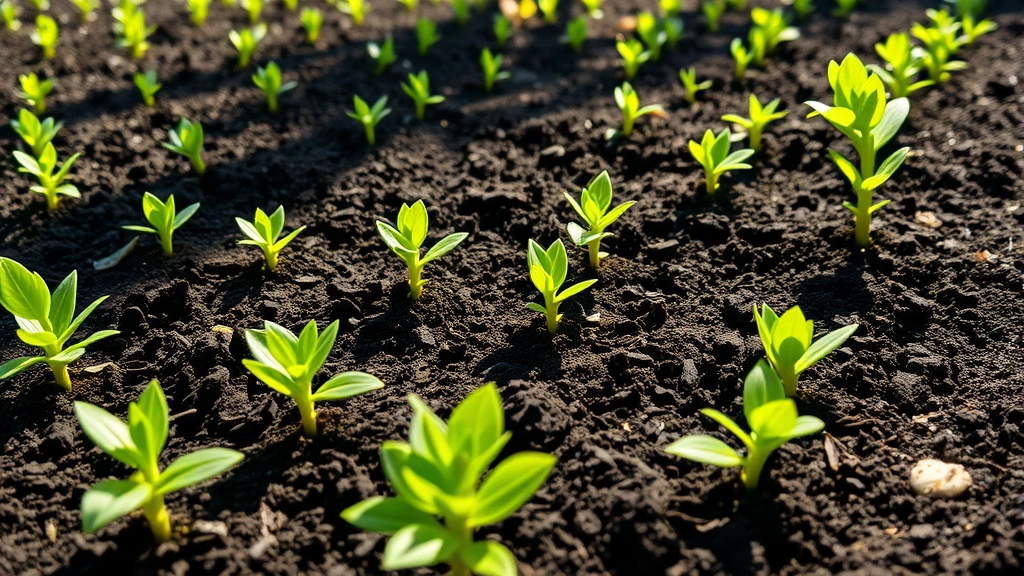
Spring marks the gardener’s new year. As temperatures rise and daylight extends, your garden awakens from winter dormancy. Chen emphasizes that timing is everything in spring—plant too early and frost may damage tender seedlings; plant too late and you’ll miss crucial growing windows.
March and April Tasks: Begin by clearing winter debris and assessing soil condition. Test your soil pH and nutrient levels; spring is the ideal time to amend with compost or aged manure. Start seeds indoors 6-8 weeks before your last frost date. If you’re new to gardening, consider reading our guide on gardening tips for beginners to establish proper foundations.
Prune winter-damaged branches from shrubs and trees before new growth emerges. This prevents disease and directs energy toward healthy growth. For perennials, cut back dead foliage to ground level. Begin fertilizing established trees and shrubs as they break dormancy. Apply a balanced fertilizer or slow-release organic option.
May Planting Strategy: After your last frost date passes, transplant hardened-off seedlings outdoors. Plant cool-season crops like lettuce, peas, and spinach in early May, then switch to warm-season crops like tomatoes, peppers, and basil after soil reaches 60°F. Space plants according to mature size—overcrowding invites disease and reduces yields.
Consider implementing raised bed gardening if you’re dealing with poor native soil or limited space. Raised beds warm faster in spring and provide superior drainage. Mulch around plants with 2-3 inches of organic material to regulate soil temperature and suppress weeds.
Summer: Managing Growth and Heat
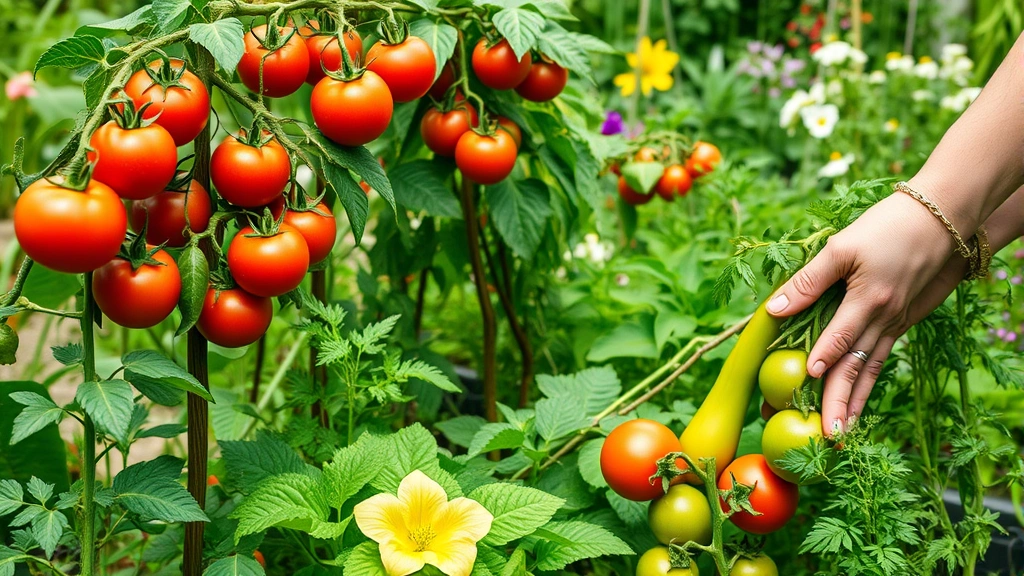
Summer brings vigorous growth but also heat stress and increased pest pressure. Chen’s philosophy centers on consistent watering, strategic feeding, and vigilant monitoring. This season demands attention—plants can deteriorate quickly under stress.
June and July Maintenance: Water deeply and regularly, especially during hot spells. Most vegetables need 1-2 inches weekly; adjust based on rainfall and temperature. Water early morning to reduce disease pressure and allow foliage to dry. Mulch heavily to conserve moisture and keep roots cool. Drip irrigation or soaker hoses deliver water directly to roots, minimizing waste and fungal issues.
Fertilize heavy feeders like tomatoes, squash, and beans every 3-4 weeks. Use balanced fertilizer for foliage plants, higher phosphorus formulas for flowering plants. Monitor for pests daily—catching infestations early prevents widespread damage. Hand-pick larger pests like hornworms and beetles. Use organic options like neem oil or insecticidal soap for smaller pests. Encourage beneficial insects by planting flowers that attract pollinators.
Deadhead spent flowers on perennials and annuals to encourage continued blooming. Prune sprawling plants to maintain shape and improve air circulation. Stake or trellis vining crops to maximize space and improve harvest ease. If you’re interested in expanding your plant collection, explore our comprehensive guide on how to propagate plants.
August Adjustments: As summer peaks, shift focus to succession planting. Plant fall crops like broccoli, cabbage, and kale in mid-to-late August for autumn harvest. These plants need 60-90 days before the first frost. Begin collecting seeds from heirloom varieties for next year. Reduce nitrogen fertilizer to avoid lush growth that’s vulnerable to early frost.
Continue aggressive watering during heat waves. Plants under water stress become susceptible to pests and diseases. Morning watering remains critical. If temperatures exceed 95°F regularly, provide afternoon shade cloth for sensitive plants like lettuce and spinach. Harvest vegetables at peak ripeness—regular harvesting encourages continued production.
Fall: Preparation and Transition
Fall is arguably the most important season for setting up next year’s success. As growth slows, Chen recommends shifting energy toward soil building, perennial establishment, and strategic cleanup.
September and October Strategy: This is prime planting season for trees, shrubs, and perennials in most regions. Cool temperatures and adequate moisture help roots establish before winter. Plant spring-blooming bulbs like tulips and daffodils in October. They need 12-16 weeks of cold exposure to flower properly. If you want to expand your fruit garden, this is an excellent time to plant berry bushes; our guide on growing blueberries in containers offers detailed strategies.
Reduce watering as temperatures cool and growth slows. Most plants need less frequent irrigation in fall. However, newly planted trees and shrubs still need consistent moisture through their first winter. Divide overcrowded perennials and transplant divisions to new locations. Fall is ideal for this task because plants have time to establish before winter.
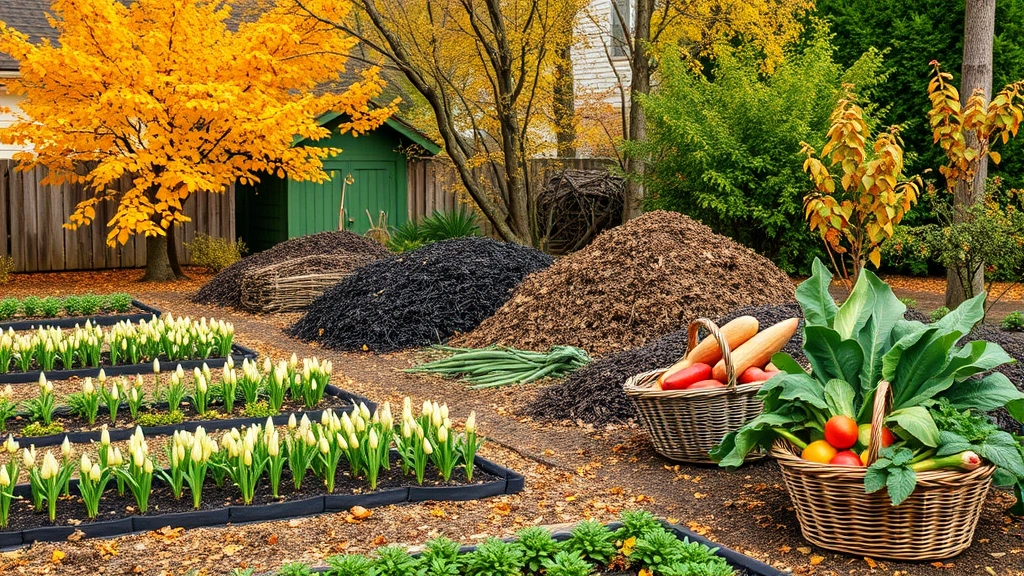
Begin composting fallen leaves rather than discarding them. Shred leaves with a mower to speed decomposition, then layer with grass clippings and kitchen scraps. This creates rich compost for spring planting. Alternatively, leave shredded leaves in beds as mulch—they’ll decompose over winter, improving soil structure.
November Preparations: Stop fertilizing perennials and shrubs to harden growth against frost. Drain and store irrigation hoses. Clean and oil garden tools before storage. Cut back perennials after frost blackens foliage, but leave ornamental grasses standing for winter interest and wildlife habitat. Apply a thick mulch layer around perennials and shrubs—4-6 inches protects roots during freeze-thaw cycles.
Plant garlic in late October or early November. It needs 4-8 weeks of cool weather before winter dormancy. Garlic planted in fall produces larger bulbs than spring-planted stock. Protect tender perennials in cold regions by mounding soil or mulch around the base.
Winter: Planning and Protection
Winter offers respite from active gardening but presents critical protection and planning opportunities. Chen uses this season to reflect, plan, and prepare for spring’s demands.
December and January Focus: Protect evergreens and broad-leafed shrubs from heavy snow and ice damage by wrapping them loosely with burlap. Brush accumulated snow from branches to prevent breakage. Water evergreens during dry spells—they continue transpiring even in winter dormancy. Avoid using salt-based de-icers near plants; they damage roots and soil structure. Use sand or calcium chloride alternatives instead.
This is the perfect time to plan next year’s garden. Review this year’s successes and failures. Which varieties performed well? Where did pests concentrate? Did you have adequate spacing? Use this analysis to redesign beds and select improved varieties. Order seeds and plants early while selections are best. Many specialty nurseries sell out of popular varieties by late winter.
February Preparation: Prune dormant trees and shrubs on dry days. Remove crossing branches, deadwood, and disease-infected material. Make clean cuts just outside the branch collar. Avoid wound dressing—trees compartmentalize wounds naturally. Start seeds indoors for spring transplants, timing it so seedlings are ready when outdoor conditions permit.
Check stored vegetables regularly, removing any showing rot or sprouting. Keep storage areas cool (40-50°F) and humid to prevent shriveling. This is also an excellent time to repair or build garden structures like trellises, raised beds, or planting benches. Having infrastructure ready accelerates spring planting.
Year-Round Essentials
Soil Building Never Stops: Chen emphasizes that soil is the foundation of gardening success. Throughout the year, incorporate organic matter—compost, aged manure, leaf mold, or cover crops. This improves structure, increases nutrient availability, and enhances water retention. Aim to add 1-2 inches of compost annually. Test soil every 2-3 years to monitor pH and nutrient levels.
Pest and Disease Management: Monitor plants regularly for signs of problems. Catch infestations early when control is easiest. Encourage beneficial insects through diverse plantings and habitat creation. Remove diseased foliage promptly to prevent spread. Practice crop rotation—avoid planting the same plant family in the same location for 3-4 years. This breaks pest and disease cycles. Select disease-resistant varieties when available.
Water Management Principles: Proper watering is fundamental year-round. Water deeply and less frequently to encourage deep root growth. Early morning watering minimizes disease pressure. Water at soil level rather than overhead when possible. In hot seasons, mulching conserves moisture and regulates soil temperature. In cold seasons, reduce watering but don’t allow plants to desiccate completely.
Record Keeping: Maintain a garden journal documenting planting dates, varieties, weather conditions, pest problems, and harvest dates. This invaluable resource reveals patterns and informs future decisions. Note which plants thrived and which struggled. Track your first and last frost dates—this information guides planting schedules. Over years, your journal becomes an increasingly accurate guide to your specific microclimate.
FAQ
When should I start my garden if I’m a beginner?
Spring is the most forgiving season for beginners. Start with easy vegetables like tomatoes, zucchini, lettuce, and beans. Our beginner’s gardening guide provides detailed starting instructions. Begin with a small space you can manage easily—success builds confidence and skills.
How do I know my last frost date?
Contact your local cooperative extension service or search online for your zip code. The USDA Plant Hardiness Zone Map provides regional information. Your last frost date typically occurs 2-4 weeks after the average date—frost can arrive unexpectedly. When in doubt, wait an extra week before planting tender annuals.
Can I garden year-round in cold climates?
Absolutely. Cold-hardy vegetables like kale, spinach, carrots, and root crops thrive in fall and early winter. Use cold frames or row covers to extend the season. Plant garlic and spring bulbs in fall. Focus on perennials and shrubs that tolerate your climate zone. Winter offers planning and maintenance opportunities.
What’s the best fertilizer for my garden?
It depends on your soil test results and plant needs. Balanced fertilizers (10-10-10) suit most situations. Vegetables need moderate nitrogen; flowering plants prefer higher phosphorus and potassium. Organic options like compost, aged manure, fish emulsion, and bone meal improve soil while feeding plants. Slow-release fertilizers provide consistent nutrition without leaching.
How often should I water my plants?
Water frequency depends on temperature, humidity, rainfall, soil type, and plant species. Most vegetables need 1-2 inches weekly. Check soil moisture 2-3 inches deep—water when it feels dry. Sandy soils need more frequent watering; clay soils less frequently. Mulching reduces watering frequency by 30-50%. Drip irrigation delivers water efficiently with minimal waste.
What should I do with garden waste?
Compost healthy plant material to create valuable soil amendment. Avoid composting diseased plants or weeds with seeds. Leave shredded leaves in beds as mulch. Woody material can chip for pathways or mulch. Diseased material should be disposed of separately to prevent spreading pathogens. Your garden waste is a resource, not refuse.


