Design a Korean Garden? Expert Insights for Creating Tranquil Outdoor Spaces
A Korean garden represents more than just a collection of plants and hardscape elements—it embodies centuries of philosophical tradition, aesthetic refinement, and spiritual harmony. Unlike Western gardens that often emphasize symmetry and structured design, Korean gardens celebrate asymmetry, balance, and the subtle interplay between natural and constructed elements. Whether you’re working with a sprawling suburban lot or a modest urban patio, the principles of Korean garden design can transform your outdoor space into a serene sanctuary that invites contemplation and connection with nature.
Creating an authentic Korean garden requires understanding its core philosophies and practical applications. This design approach draws inspiration from Taoist and Buddhist principles, emphasizing the harmony between humans and the natural world. The beauty lies not in grandeur but in simplicity, restraint, and the careful placement of every element. If you’re new to gardening, Korean garden design offers an excellent framework for developing your horticultural skills while creating a visually stunning landscape.
Core Principles of Korean Garden Design
The foundation of Korean garden aesthetics rests on several interconnected philosophical principles that have been refined over centuries. Understanding these principles is essential before you begin planning your space. The concept of “Yin and Yang” balance—representing opposing yet complementary forces—guides decisions about plant placement, hardscape elements, and open spaces. A well-designed Korean garden maintains equilibrium between these contrasting elements, creating visual interest without overwhelming the senses.
The principle of “Ma” or negative space is particularly important in Korean design. Rather than filling every corner with plants or decorative elements, Korean gardens intentionally leave open areas that allow the eye to rest and the mind to wander. This restraint creates a sense of spaciousness even in modest-sized gardens. The concept of “Borrowed Scenery” (Shakkei) encourages incorporating distant views and surrounding landscapes into your garden’s visual composition, making your space feel larger and more connected to its environment.
Asymmetry and irregularity form another cornerstone of Korean garden philosophy. While Western gardens often emphasize balanced symmetry, Korean gardens deliberately avoid perfect matching or mirror-image arrangements. A grouping of three rocks, five plants, or seven stepping stones creates more visual interest than even-numbered arrangements. This approach reflects the natural world’s inherent irregularity and creates a more organic, authentic aesthetic.
The concept of “Wabi-Sabi”—finding beauty in imperfection, impermanence, and incompleteness—deeply influences Korean garden design. Rather than seeking pristine perfection, Korean gardens celebrate the weathered patina of stone, the asymmetrical growth of aged trees, and the subtle changes that seasons bring. This philosophy means your garden will actually improve with age as elements weather naturally and plantings mature.
Essential Elements and Components
Every authentic Korean garden incorporates specific elements that work together to create harmony and balance. Understanding how these components function individually and collectively will help you make informed decisions about your design. The five essential elements—stone, water, plants, wood, and metal—each play important roles in the overall composition.
Stone represents permanence, strength, and the earth element. In Korean gardens, carefully selected rocks and boulders are positioned to suggest mountains, create focal points, or establish viewing angles. The placement of stones follows specific aesthetic guidelines: larger stones should face their most attractive side toward primary viewing areas, and groupings should follow the odd-number rule (three, five, or seven stones together create better visual balance than even numbers).
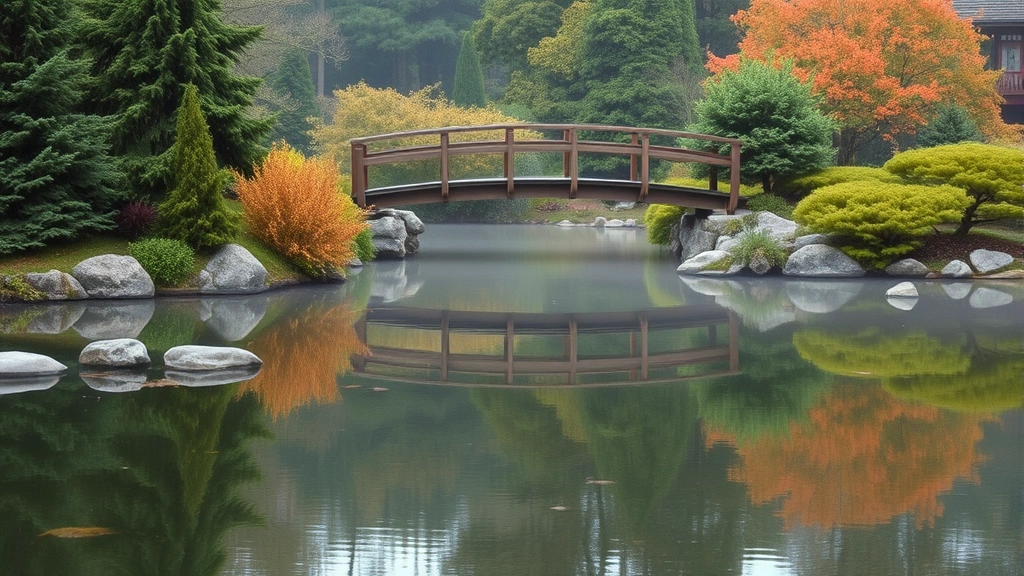
Water elements bring movement, sound, and life to your garden space. Whether you incorporate a full pond, a small stream, a basin, or even a dry water feature using gravel and rocks, water represents purification and renewal in Korean philosophy. The sound of flowing water creates a meditative atmosphere, while still water surfaces reflect the sky and surrounding plantings, adding depth and visual interest.
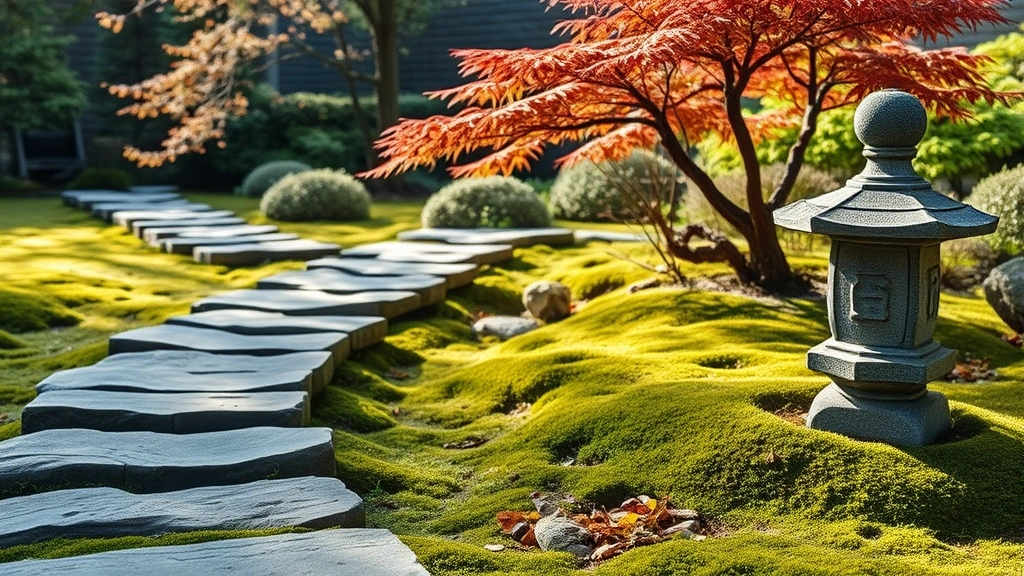
Pathways guide visitors through your garden while creating opportunities for discovery. These shouldn’t be straight or overly obvious routes; instead, they should wind naturally, encouraging slow movement and observation. Stepping stones, gravel paths, and wooden walkways each offer different aesthetic qualities. When preparing your garden soil and pathways, ensure proper drainage to maintain the longevity of stone and wooden elements.
Wooden structures such as pavilions, bridges, and lanterns provide shelter, focal points, and vertical interest. Traditional Korean garden lanterns (called “Deung” or “Jeong”) serve both practical and symbolic purposes, illuminating pathways while creating atmospheric lighting during evening hours. Bridges, whether arching over water features or spanning dry areas, invite contemplation and create natural pause points for viewing the garden from different perspectives.
Plant Selection and Placement
Plant selection in Korean gardens emphasizes quality over quantity. Rather than creating dense plantings, Korean design favors carefully chosen specimens that demonstrate interesting form, texture, or seasonal characteristics. The goal is to appreciate each plant individually while contributing to the overall harmony of the composition. This approach aligns well with principles of sustainable gardening and plant propagation for expanding your garden over time.
Evergreen plants form the backbone of Korean gardens, providing year-round structure and visual continuity. Japanese maples (Acer palmatum), Korean pines, and dwarf conifers offer elegant forms and interesting foliage. Bamboo, particularly clumping varieties, adds vertical interest and creates natural screening. However, bamboo requires careful management to prevent aggressive spreading; contain it in specific areas or use rhizome barriers to control growth.
Flowering plants should be selected for their subtle beauty rather than bold displays. Cherry blossoms, azaleas, camellias, and magnolias provide seasonal interest without overwhelming the composition. These plants are typically positioned where they can be appreciated from primary viewing areas, often near sitting spaces or along pathways. The Japanese iris (Iris laevigata) and other water-loving plants work beautifully near pond edges, while moss and shade-loving groundcovers soften stone edges and create a natural appearance.
Fruit-bearing plants like crabapple and persimmon trees contribute practical beauty to Korean gardens, offering blossoms in spring and colorful fruit in fall. These selections honor the garden’s connection to nature’s cycles and provide visual interest across multiple seasons. Herbaceous perennials should be chosen thoughtfully; rather than creating mixed borders, position individual specimens where their forms and textures can be fully appreciated.
Proper spacing is crucial in Korean garden design. Plants should have room to develop their natural forms without crowding or requiring excessive pruning. This might mean your garden appears somewhat sparse when first planted, but restraint and patience result in a more authentic and beautiful mature garden. Consider the ultimate size of each plant and position it accordingly, allowing adequate space for air circulation and growth.
Water Features and Stone Work
Water features represent one of the most transformative elements you can incorporate into a Korean garden design. The relationship between water and stone creates dynamic visual interest and symbolic meaning. A well-designed water feature shouldn’t appear forced or artificial; instead, it should look as though water naturally occurs in that location, flowing with gravity and settling in low areas.
Ponds form the centerpiece of many traditional Korean gardens, but they needn’t be large. Even a modest water feature—perhaps three to four feet in diameter—can serve as a powerful focal point. The shape should be irregular rather than geometric, with naturalistic edges created using stone, plants, and gravel. A shallow shelf around the perimeter accommodates marginal water plants and creates a transition zone between water and land.
Streams and water channels guide the eye through your garden while creating opportunities for bridge placement and viewing platforms. A stream might originate from a higher area (suggested by stacked stones or a water source), flow past key viewing areas, and settle into a pond or collection basin. The gentle sound of moving water creates a meditative atmosphere and masks urban noise effectively.
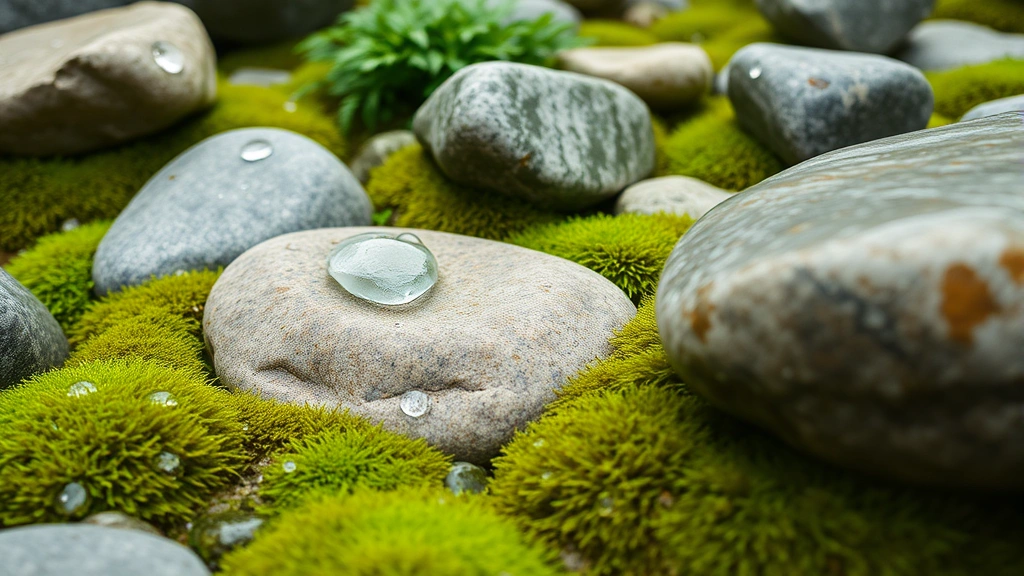
Stone arrangement requires careful consideration and planning. Large boulders should be positioned to appear naturally settled, slightly tilted as though they’ve been in place for centuries. Groupings of three or five stones create more interesting compositions than pairs or even numbers. Stones should vary in size, shape, and color; a mix of rounded and angular forms, light and dark tones, creates visual rhythm. When selecting stones, consider their geological character and how they interact with surrounding elements.
Gravel serves both practical and aesthetic functions in Korean gardens. Raked gravel beds represent water in dry gardens, while gravel pathways provide drainage and define circulation routes. Different gravel types—from fine sand to pea gravel to larger river stones—create varied textures and appearances. Regularly raking gravel patterns maintains their visual impact and provides meditative garden maintenance activity.
Seasonal Considerations and Maintenance
Korean gardens are designed to evolve through the seasons, with each period offering distinct visual interest and opportunities for appreciation. Spring brings cherry blossoms, new foliage, and the sense of renewal. Summer emphasizes lush green tones and the cooling presence of water features. Autumn showcases the color transformation of Japanese maples and other deciduous plants. Winter reveals the structural forms of evergreens, bare branches, and the beauty of frost and snow on stones.
Planning your plant palette with seasonal progression in mind ensures year-round visual interest. Include early spring bloomers like magnolias and hellebores, summer-flowering plants such as hydrangeas and water lilies, autumn color through Japanese maples and ornamental grasses, and winter structure from evergreens and interesting branch forms. This approach creates a garden that rewards regular visitation throughout the year.
Maintenance in Korean gardens emphasizes subtle intervention rather than intensive management. Regular pruning maintains plant forms without creating artificial shapes. Selective pruning of lower branches on trees reveals their trunks and creates viewing corridors. Moss should be encouraged on stone surfaces and in shaded areas, contributing to the garden’s aged character. Proper tools make maintenance work more efficient and enjoyable.
Seasonal cleanup should be approached thoughtfully. While some fallen leaves should be removed from pathways and sitting areas, allowing leaves to accumulate in less visible areas creates natural mulch and habitat for beneficial organisms. Prune spring-flowering plants immediately after blooming, and cut back herbaceous plants in late autumn or early spring depending on your climate. Winter is an excellent time for evaluating your garden’s design and planning enhancements for the following year.
Water feature maintenance ensures proper functioning and aesthetic appeal. Ponds require regular cleaning to prevent excessive algae growth and maintain water clarity. Install appropriate filtration if you plan to include fish. Check water levels regularly, especially during dry periods, and top off as needed. Stone surfaces will naturally develop moss and weathering; this patina is desirable and requires no treatment.
Adapting Korean Design to Your Space
The beauty of Korean garden design lies in its adaptability to various spaces and climates. Whether you’re working with a large suburban property, a small urban patio, or even a balcony, fundamental Korean principles can guide your design decisions. The key is understanding which elements are essential to your vision and which can be adapted or simplified for your specific situation.
For small spaces, focus on a single powerful focal point—perhaps a carefully selected specimen tree, a modest water basin, or an artfully arranged stone grouping. In limited areas, negative space becomes even more important; resist the urge to fill every corner. A small patio might feature a single stepping-stone path, a dwarf maple tree, carefully placed rocks, and perhaps an indoor herb garden connection through the design. Vertical elements like bamboo screens or climbing vines maximize visual interest without consuming floor space.
Climate adaptation ensures your plants thrive while maintaining authentic design principles. If you live in a region without traditional Korean plants, substitute native or adapted species that offer similar forms and characteristics. For example, if Japanese maples struggle in your climate, explore alternative deciduous trees with interesting branching and seasonal color. Native conifers can replace Japanese pines while maintaining the evergreen structure essential to the design.
Hardiness zones determine which plants you can successfully grow. Research your local zone and select specimens accordingly, consulting resources like USDA Plant Hardiness Zone Map for specific recommendations. Connect with local master gardener programs to gain region-specific expertise and community support.
Budget considerations influence design decisions. Rather than attempting to complete your entire garden at once, develop a phased approach. Begin with hardscape elements—stone, pathways, water features—which form the garden’s permanent structure. Add plants gradually, allowing you to observe how they develop and adjust your design as needed. This measured approach also allows for thoughtful plant selection and proper installation.
Incorporating Korean design principles into existing landscapes works well when you approach the process thoughtfully. Perhaps you already have mature trees that can serve as framework elements. Existing lawn areas might transition to gravel gardens or moss lawns. A small water feature could be added to an underutilized corner. Rather than starting from scratch, work with your site’s existing features and gradually introduce Korean design elements that enhance the overall composition.
FAQ
What’s the difference between a Korean garden and a Japanese garden?
While both traditions share some influences and principles, Korean gardens tend to emphasize a more naturalistic, less refined aesthetic compared to Japanese gardens. Korean design celebrates asymmetry and imperfection more overtly, while Japanese gardens often appear more carefully controlled. Korean gardens frequently incorporate more open space and less dense planting. Both traditions value harmony with nature, but Korean gardens often feel more spontaneous and less formally composed.
Do I need a large space to create an authentic Korean garden?
Absolutely not. Korean design principles scale beautifully to small spaces. A modest patio garden with a single specimen tree, carefully placed stones, and perhaps a small water feature can embody authentic Korean aesthetics. The key is thoughtful composition and restraint rather than spatial size. Even a balcony can incorporate Korean design elements through container plantings and simplified arrangements.
How much water does a Korean garden require?
Water needs depend entirely on your design choices. A garden without water features requires only standard irrigation for plants. If you include a pond or stream, you’ll need to maintain proper water levels and quality. Established plantings typically require less supplemental water once their root systems develop, though this varies by climate and plant selection. Design your irrigation system during the planning phase to ensure efficient water use.
Can I incorporate Korean garden design into my existing landscape?
Yes, Korean principles can enhance many existing landscapes. Evaluate your current site—perhaps you have mature trees that can become focal points, or underutilized areas where you can add water features or stone arrangements. Introduce changes gradually, maintaining existing elements that work within your vision while removing or redesigning areas that don’t fit the aesthetic.
What plants work best in my region?
Research your specific hardiness zone and select plants accordingly. While traditional Korean plants may not thrive in all climates, numerous alternatives offer similar forms and characteristics. Consult American Horticultural Society resources for heat zone information and professional garden design societies for regional expertise and inspiration.
How do I maintain moss in my garden?
Moss thrives in shaded, moist areas with acidic soil and good air circulation. Rather than actively cultivating moss, focus on creating conditions where it naturally establishes. Avoid walking on moss areas excessively, maintain appropriate moisture levels, and allow fallen leaves to accumulate in moss zones. Moss requires no fertilizer and minimal maintenance once established.
What’s the best time to start a Korean garden project?
Spring and fall offer ideal planting conditions in most climates, as temperatures are moderate and natural moisture availability is higher. However, you can begin planning and hardscape installation any time. Use winter months for design planning and research, spring for planting, and summer for observation and adjustment. The gardening process is continuous, with each season offering opportunities for refinement and enhancement.


