
Essential Garden Tools: Expert Insights for Every Gardener
Whether you’re a seasoned horticulturist or just beginning your gardening journey, having the right garden tools can make the difference between a thriving landscape and a frustrating experience. The tools you choose directly impact your efficiency, the health of your plants, and your overall enjoyment of gardening. Expert gardeners consistently emphasize that investing in quality tools—rather than accumulating dozens of specialty items—creates a foundation for success across all gardening projects.
The gardening industry offers hundreds of tools, but most successful gardeners work with a focused collection of essentials. These core implements handle the majority of tasks you’ll encounter, from soil preparation and planting to maintenance and harvesting. Understanding which tools deserve space in your shed, how to select quality options, and how to maintain them properly will elevate your gardening practice and reduce unnecessary expenses.
Hand Tools: The Foundation of Every Garden
Hand tools form the backbone of practical gardening work. These implements allow precise control and are essential for tasks requiring finesse and attention to detail. The most fundamental hand tools include trowels, hand forks, and cultivators—each serving distinct purposes in garden management.
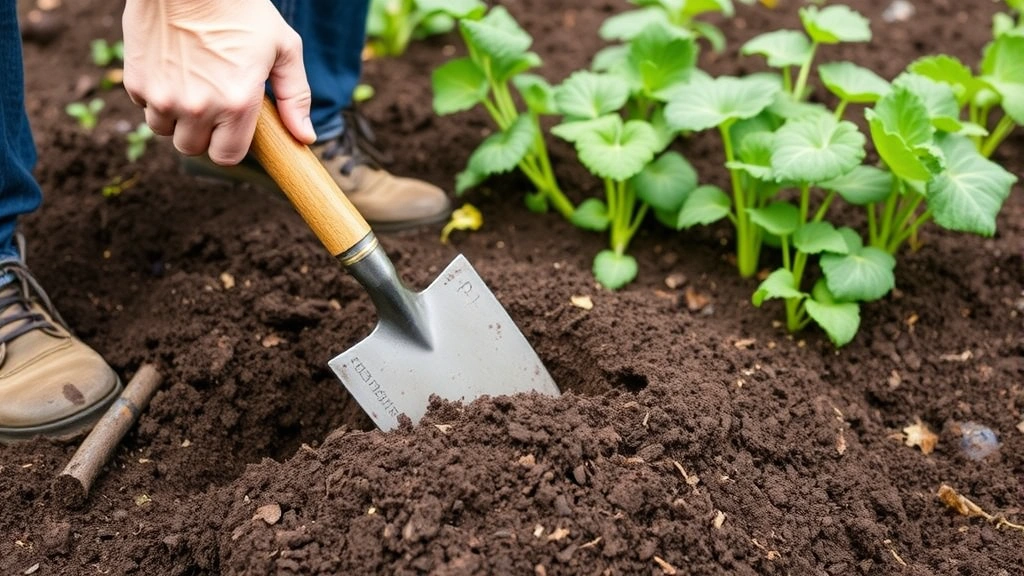
A quality trowel serves multiple functions: digging planting holes, moving soil, scooping amendments, and transplanting seedlings. Expert gardeners recommend choosing a trowel with an ergonomic handle and a reinforced blade that won’t bend under moderate pressure. The blade should be slightly curved for efficient soil movement. When preparing garden soil for a thriving garden, a sturdy trowel becomes invaluable for incorporating compost and amendments into planting beds.
Hand forks excel at breaking up compacted soil, removing weeds with intact root systems, and aerating around established plants. Unlike trowels, hand forks distribute force across multiple tines, reducing strain on your wrist and making them ideal for sustained work in dense soil. Cultivators—tools with three to four curved tines—work similarly but are lighter and better suited for surface-level cultivation and weed removal in established beds.
Pruning knives and hand pruners represent another critical category. Hand pruners (secateurs) cut stems and branches cleanly, preventing disease transmission and plant damage. Bypass pruners—which work like scissors with two overlapping blades—outperform anvil-style pruners for most gardeners. When maintaining how to grow mint in pots and other container plants, hand pruners enable precise shaping and harvesting without damaging tender growth.
[IMAGE_1]
Digging and Soil Preparation Tools
Larger digging tools handle tasks that exceed hand tool capabilities. These implements are essential for the advantages of raised bed gardening, creating new beds, and major soil work.
The spade stands apart as perhaps the most versatile large garden tool. With a flat, rectangular blade and long handle, spades excel at edging beds, turning soil, cutting through root systems, and moving bulk materials. Many experts distinguish between true spades and shovels: spades have flat blades for cutting and turning, while shovels feature slightly curved, pointed blades designed for scooping and moving loose materials. Having both types allows you to tackle any soil-related challenge efficiently.
Garden forks complement spades beautifully. With four sturdy tines, forks penetrate compacted soil more easily than spades, making them superior for aerating, turning compost, and breaking up clay-heavy earth. When working with heavy soil, alternating between a fork and spade—using the fork to break initial compaction, then the spade to turn and move material—dramatically reduces physical strain.
Mattocks and pickaxes become necessary in extremely hard or rocky soil. These heavy tools, featuring a pick on one end and a broad blade on the other, break through obstacles that would defeat standard spades. While not needed in every garden, they’re invaluable when establishing new beds in challenging conditions.
Hoes serve dual purposes: breaking up soil clods and removing weeds. Standard rectangular hoes work best for surface cultivation, while warren (pointed) hoes create furrows for seed planting. Stirrup hoes (also called scuffle or push-pull hoes) glide just below the soil surface, severing weeds without deep digging—perfect for maintenance work once beds are established.
Pruning and Cutting Implements
Proper pruning maintains plant health, encourages productive growth, and prevents disease spread. The right cutting tools make this work safer and more effective.
Bypass hand pruners, as mentioned earlier, represent the foundation of pruning equipment. Quality pruners feature replaceable blades, comfortable handles, and a locking mechanism for safe storage. Loppers extend your reach and cutting capacity, featuring longer handles (typically 18-24 inches) and larger cutting heads that sever branches up to one inch in diameter. Pole saws and pruning saws extend reach even further, allowing you to safely address high branches without ladders.
Hedge shears create clean lines in formal plantings and maintain shrub shape. Unlike pruners that cut individual stems, hedge shears feature long parallel blades that slice through multiple stems simultaneously. Powered hedge trimmers make large projects manageable, though many gardeners prefer hand shears for smaller hedges and for the control they provide.
Pruning saws—featuring curved blades with aggressive teeth—cut through thicker wood that pruners can’t handle. Japanese-style pruning saws, which cut on the pull stroke rather than the push stroke, offer superior control and require less pressure. When maintaining your herb garden, precise cutting tools prevent crushing delicate stems and promote bushier growth.
Knives serve specific purposes: grafting knives for propagation work, pruning knives for detailed cutting, and weeding knives for removing deep-rooted weeds. Keeping these tools sharp—using whetstones or professional sharpening services—ensures clean cuts that heal quickly.
Watering Equipment and Solutions
Proper watering represents one of gardening’s most critical functions. The right equipment delivers water efficiently while minimizing waste.
Watering cans remain invaluable, especially for container plants and seedlings. A quality can features a comfortable handle, a long spout for reaching plants in tight spaces, and a removable rose (shower head) that delivers gentle water streams. Capacity matters: larger cans (5+ gallons) reduce trip frequency for extensive gardens, while smaller cans (1-2 gallons) offer better control for delicate plants.
Garden hoses, while seemingly simple, significantly impact watering efficiency. Soaker hoses—porous tubes that weep water along their entire length—deliver water directly to soil, reducing evaporation and disease pressure on foliage. Drip irrigation systems, with emitters positioned at each plant, offer maximum efficiency and water conservation. When propagating plants, consistent moisture from drip systems promotes successful establishment of new growth.
Sprinklers suit different applications: oscillating sprinklers cover rectangular areas effectively, circular sprinklers work well for rounded beds, and impact sprinklers reach larger spaces with less adjustment. Many gardeners combine multiple watering methods: hand watering for attention-demanding plants, soaker hoses for established beds, and sprinklers for lawns and larger areas.
Rain barrels and collection systems capture free water while reducing municipal demand. A quality barrel includes a spigot for hose connection and a screen to prevent mosquito breeding. Even small-scale collection significantly reduces watering costs over a season.
Specialized Tools for Specific Tasks
Beyond essentials, certain specialized tools address particular gardening challenges. Understanding when to invest in these items helps you work more efficiently.
Weeding tools target specific weed types. Dandelion diggers, featuring a narrow forked tip, extract taprooted weeds with their roots intact. Cape Cod weeders (with a V-shaped cutting edge) slice weeds at the root without extensive digging. Flame weeders use propane to kill weeds without chemicals—excellent for pathways and areas where herbicides aren’t desired.
Soil testing tools help you understand your growing medium. A soil pH meter reveals acidity or alkalinity, essential information when selecting plants or correcting deficiencies. Moisture meters prevent over- and under-watering by showing precise soil water content. Soil augers extract samples from various depths, revealing compaction layers and nutrient distribution.
Dibbers create perfect planting holes for seeds and seedlings. These pointed tools ensure consistent depth, critical for uniform germination. Seed tape and spacing guides help achieve proper plant spacing, reducing thinning work later.
Kneeling benches and garden stools reduce back strain during extended work sessions. Models with handles provide assistance standing, while those with storage underneath organize small tools. For garden decor that’s also functional, attractive benches serve double duty as seating and work platforms.
Harvesting tools include baskets, buckets, and specialized cutters. A good harvest basket prevents bruising delicate produce while keeping hands free. Asparagus knives cut spears at the proper depth, while bean and pea harvesters speed collection of multiple pods.
Choosing Quality and Building Your Collection
Not every gardener needs identical tools—your collection should reflect your specific growing conditions and projects. However, certain quality indicators apply universally.
Material quality directly affects tool longevity. Stainless steel resists rust and requires minimal maintenance, making it ideal for wet climates. Carbon steel tools, while requiring occasional oiling, often feel better balanced and sharper than stainless alternatives. Handles should be sturdy hardwood, fiberglass, or high-quality plastic—never flimsy or splintering materials that cause blisters and fatigue.
Weight and balance matter more than many gardeners realize. A properly balanced tool reduces fatigue and improves control. Heavy tools aren’t automatically superior; excessive weight causes strain during extended use. Visit local garden centers to handle tools before purchasing, assessing comfort for your hand size and strength.
Ergonomic design prevents repetitive strain injuries. Tools with padded grips, slightly offset blades, and weight distribution that minimizes wrist strain protect your body during seasons of intensive work. As you age or develop any mobility concerns, ergonomic features become increasingly important.
Start with essentials: a quality trowel, hand fork, spade, hoe, pruners, and watering can. These six items handle 80% of typical garden work. Add loppers, a garden fork, and a hose once you’ve developed gardening routines and identified gaps in your equipment. Avoid impulse purchases of specialty tools until you’ve confirmed you’ll use them regularly.
Budget considerations: quality tools represent modest investments compared to their longevity. A fifty-dollar spade used for twenty years costs less annually than cheap tools replaced every two years. Purchasing one excellent tool annually builds a superior collection faster than buying numerous mediocre items simultaneously.
Tool Maintenance and Storage
Proper maintenance extends tool life dramatically and ensures optimal performance. Clean tools immediately after use, removing soil and plant debris before they dry and harden. A bucket of water and an old cloth accomplish this quickly.
Sharpen cutting tools regularly—at minimum annually, more frequently with heavy use. Dull pruners crush stems rather than cutting cleanly, promoting disease and poor healing. Whetstones or professional sharpening services keep blades keen. Store cutting tools with blade guards to protect both the tool and your hands.
Oil metal parts lightly before storage to prevent rust. A thin coating of vegetable oil or specialized tool oil works well. Wooden handles benefit from occasional linseed oil treatment, which prevents cracking and splinters. Store tools in a dry location, ideally hung on walls or pegboards rather than thrown in corners where handles break and blades dull.
Inspect tools seasonally for damage. Replace handles that have split or splintered, and repair or replace bent or severely dulled blades. Tools in good condition make work safer and more enjoyable—motivation to maintain them properly.
Organize your tool collection logically. Grouping similar items—all pruning tools together, all digging tools nearby—saves time and prevents frustration. Wall-mounted storage systems maximize space while keeping everything visible and accessible. For container gardeners focusing on growing mint in pots and similar projects, a compact tool kit with essentials may suffice, stored in a small shed or potting bench.
FAQ
What are the absolute must-have garden tools for beginners?
Start with these five essential items: a quality hand trowel, a hand fork or cultivator, a garden spade, bypass hand pruners, and a watering can. These tools address 90% of beginning gardener needs. As you expand your gardening activities, add a hoe, garden fork, and loppers based on specific projects you undertake.
How often should I sharpen my pruning tools?
Sharp pruning tools should be maintained after every 5-10 hours of use, or at minimum before each major pruning season. More frequent sharpening—every few weeks during active growing seasons—ensures clean cuts that promote plant health. Dull pruners cause crushing injuries that invite disease and slow healing.
Should I invest in powered tools or stick with hand tools?
Hand tools offer excellent control, quietness, and low maintenance for most home gardeners. Powered tools become valuable when managing large properties, extensive hedges, or dense brush. For typical residential gardens, quality hand tools prove sufficient and often preferable for precision work. Consider your garden size, physical capability, and budget before investing in powered equipment.
What’s the best way to prevent tool rust?
Clean tools immediately after use, removing all soil and moisture. Store them in a dry location away from direct humidity. Lightly oil metal parts before storage using vegetable oil or specialized tool oil. For long-term storage, hang tools on walls or pegboards rather than leaving them on damp ground. In very humid climates, silica gel packets in storage areas help control moisture.
How much should I spend on quality garden tools?
Quality tools represent long-term investments. A good spade or hoe might cost $40-80, while premium hand pruners range from $30-60. These prices seem high initially but amortize to minimal annual cost over 15-20 years of use. Cheap tools costing $10-15 often fail within 1-3 years, making quality options more economical. Spend moderately on essentials and upgrade gradually as your budget allows.
Can I use the same tools for different gardening styles?
Absolutely. Whether you’re working with raised bed gardening, in-ground beds, or containers, core tools remain consistent. A trowel works equally well in raised beds or ground-level gardens. Hand pruners serve herb gardens, ornamental plantings, and vegetable gardens identically. Your tool collection adapts to different gardening approaches—versatility is a feature, not a limitation.


