Garden of the Gods: Discover its Natural Wonders
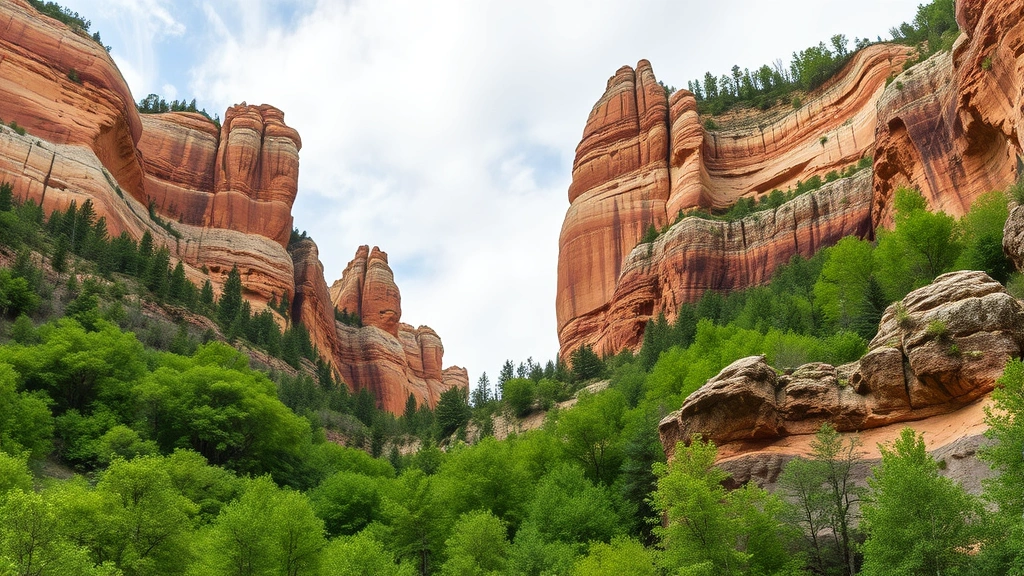
Nestled in the heart of Illinois, Garden of the Gods stands as one of the most spectacular natural attractions in the Midwest. This breathtaking landscape, located in the Shawnee National Forest near Herod, Illinois, showcases dramatic rock formations, towering cliffs, and diverse ecosystems that have captivated visitors for generations. The rugged terrain and unique geological features create an environment unlike anywhere else in the state, offering nature enthusiasts, hikers, and gardeners alike an opportunity to explore the intersection of geology and botany in their natural habitat.
The Garden of the Gods Illinois destination attracts thousands of visitors annually who come to witness its stunning vistas and pristine natural environment. Beyond the scenic beauty, the area reveals fascinating insights into plant adaptation, native species survival, and the ecological principles that gardeners can apply to their own outdoor spaces. Whether you’re planning a visit to this natural wonder or seeking inspiration for creating a naturalistic garden at home, understanding the botanical richness of Garden of the Gods provides valuable lessons in sustainable gardening and landscape design.
Geological Formations and Landscape
The geological story of Garden of the Gods Illinois begins approximately 300 million years ago during the Pennsylvanian period. The dramatic sandstone bluffs and towering rock formations visible today were created through ancient marine deposits and subsequent erosion over millennia. The exposed rock faces reveal layers of geological history, with the distinctive reddish and tan coloring indicating iron oxide content and varying mineral compositions throughout different strata.
These imposing formations, some reaching heights of over 200 feet, create dramatic visual contrasts with the surrounding landscape. The weathered stone surfaces provide unique growing conditions for specialized plant communities adapted to rocky, often nutrient-poor substrates. The cliff faces demonstrate natural processes that modern gardeners can study to understand soil formation, mineral availability, and the importance of how to prepare garden soil for a thriving garden by learning from nature’s methods.
The terrain’s undulating topography creates microclimates with varying sun exposure, moisture retention, and wind patterns. South-facing slopes experience more direct sunlight and heat, while north-facing aspects remain cooler and retain moisture longer. These natural variations mirror the considerations home gardeners must make when starting a flower garden or planning vegetable plots, where understanding microclimates proves essential for success.
Native Plants and Vegetation
The botanical diversity of Garden of the Gods Illinois reflects the transition zone between the eastern deciduous forests and the oak-hickory woodlands characteristic of southern Illinois. This unique positioning creates an exceptional variety of native plant species, many of which demonstrate remarkable adaptations to the challenging rocky terrain.
Dominant tree species include white oak, black oak, hickory, and eastern red cedar, which thrive in the shallow soils overlying sandstone bedrock. These hardy trees have developed deep root systems capable of penetrating rocky substrates to access moisture and minerals. The understory vegetation comprises shade-tolerant shrubs and herbaceous plants that have evolved to flourish in the dappled light beneath the forest canopy.
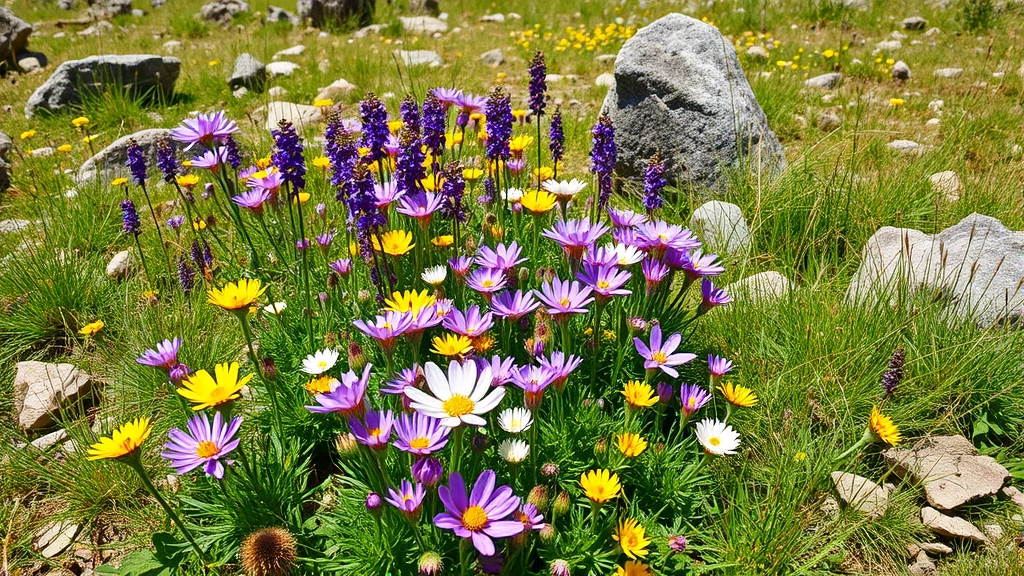
Spring brings an explosion of wildflower blooms, including trilliums, wild geranium, Solomon’s seal, and various species of ferns. Summer showcases black-eyed Susans, bee balm, and native grasses that provide essential habitat and food sources for pollinators and wildlife. These easy to grow vegetables for beginners pale in complexity compared to the sophisticated adaptations of native woodland plants, yet both demonstrate fundamental horticultural principles.
The presence of herb garden worthy species in the wild, including various mint species, wild thyme, and medicinal plants, shows how commercial gardening relates to natural plant communities. Many native plants found at Garden of the Gods have culinary or medicinal applications, connecting food production with ecological stewardship.
Specialized cliff-dwelling plants represent some of the most remarkable botanical specimens in the region. Species such as Ozark chinquapin and various lichen and moss communities occupy micro-niches on vertical rock faces where few other plants could survive. These organisms demonstrate extreme resource efficiency and adaptation to harsh conditions, offering lessons in resilience for gardeners facing challenging growing environments.
Hiking Trails and Access Points
Garden of the Gods Illinois offers several well-maintained trails ranging from easy walks to challenging hikes that provide intimate access to the natural wonders throughout the area. The main trailhead provides parking and basic facilities, with clearly marked paths suitable for visitors of varying fitness levels.
The Observation Trail offers spectacular vistas with minimal elevation gain, making it accessible for families and those seeking leisurely nature walks. This route provides excellent opportunities to observe plant communities at different elevations and study how vegetation changes with topography and exposure.
More challenging trails, such as the Bluff Trail, require scrambling over rocky terrain and navigating steep elevation changes. These demanding routes reward adventurous hikers with panoramic views from atop the highest bluffs, where you can survey the entire landscape and understand the geographical context of the plant communities below.
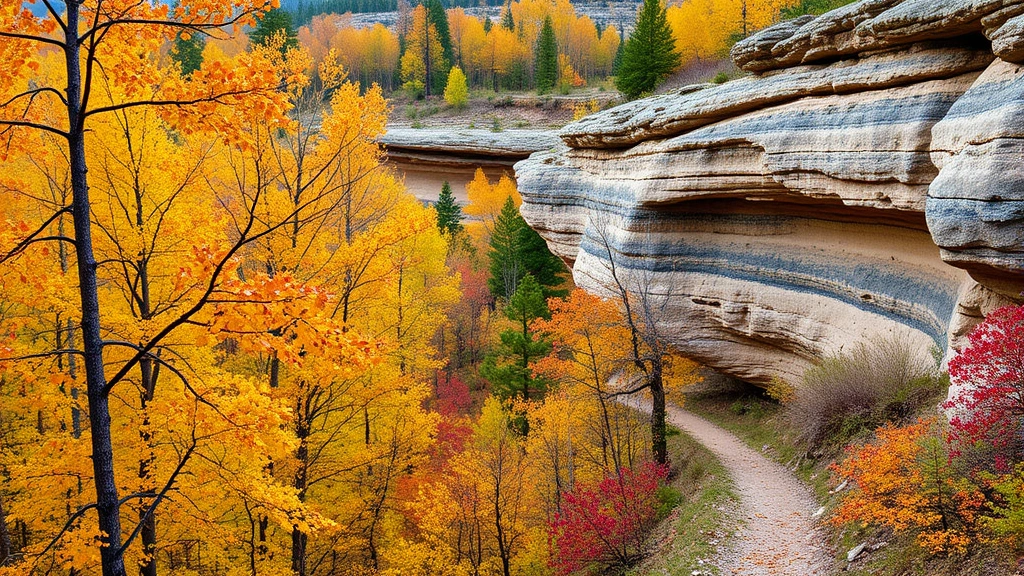
Seasonal trail conditions vary significantly, with winter ice making some routes treacherous while spring flooding can temporarily close lower-elevation paths. Summer offers optimal hiking conditions with full vegetation and comfortable temperatures, while autumn provides stunning foliage displays as deciduous trees transition to dormancy.
Seasonal Changes and Best Times to Visit
Each season reveals different aspects of Garden of the Gods’ natural splendor, with distinct botanical and ecological characteristics that appeal to different visitor interests.
Spring (March-May): This season brings the most dramatic floral displays, with understory wildflowers blooming in succession from early March through late May. Trilliums emerge first, followed by bloodroot, Virginia bluebells, and later-blooming species. The fresh green foliage creates a luminous quality as sunlight filters through newly leafed trees. Spring also marks the return of migratory birds and the onset of active insect pollination.
Summer (June-August): Lush vegetation reaches full maturity, with dense canopy coverage creating cool, shaded conditions on the trails. Wildflowers continue blooming, particularly in sunny clearings and along rocky outcrops. Summer represents peak hiking season with warm temperatures and reliable dry conditions, though afternoon thunderstorms can occur. This season offers excellent opportunities to observe the best garden hose techniques used by park maintenance crews to manage native plantings.
Autumn (September-November): Deciduous trees transition through spectacular color changes as chlorophyll breaks down, revealing brilliant reds, oranges, and yellows. The cooling temperatures trigger seed dispersal and fruit production in many plant species, creating abundant food sources for wildlife preparing for winter. Autumn also brings comfortable hiking conditions and reduced insect activity.
Winter (December-February): Deciduous trees stand bare, revealing the underlying landscape structure and rock formations more clearly. Evergreen species such as eastern red cedar and various ferns provide winter color and habitat for overwintering wildlife. Winter precipitation can create hazardous conditions on exposed trails, but clear days offer spectacular views and unique photographic opportunities.
Ecological Lessons for Home Gardeners
Garden of the Gods Illinois serves as an outdoor classroom for understanding ecological principles applicable to residential gardening and landscape design. The natural plant communities demonstrate sustainable approaches to creating diverse, resilient gardens.
Plant Succession and Competition: Observing how plants occupy different vertical layers—from tall canopy trees through understory shrubs to herbaceous ground covers—illustrates the principle of vertical space utilization. Home gardeners can apply this layering concept by combining trees, shrubs, perennials, and groundcovers to create more productive and visually interesting landscapes.
Native Plant Adaptation: The plants thriving at Garden of the Gods have evolved over thousands of years to thrive in local conditions. Choosing native plants for home gardens dramatically reduces maintenance requirements, water needs, and pesticide applications while supporting local wildlife. This approach aligns with creating garden lettuce and other vegetables in sustainable ways that work with rather than against natural systems.
Soil Development and Nutrient Cycling: The shallow soils overlying sandstone demonstrate how nutrient cycling works in natural systems. Fallen leaves, dead wood, and organic matter decompose slowly in these nutrient-poor environments, creating a complex web of soil organisms and fungal networks that maximize nutrient availability. Home gardeners can enhance their own soil by incorporating organic matter and encouraging beneficial soil organisms through minimal disturbance practices.
Biodiversity and Resilience: The remarkable species diversity at Garden of the Gods creates an ecosystem resistant to pest outbreaks, diseases, and environmental fluctuations. Gardens featuring diverse plantings experience fewer problems with specific pests compared to monocultures, as natural predators maintain population balance. This principle supports the creation of polyculture gardens that produce food while maintaining ecological health.
Wildlife and Biodiversity
Garden of the Gods Illinois harbors exceptional wildlife diversity, with the diverse vegetation providing habitat and food sources for numerous animal species. Understanding these ecological relationships enriches the visitor experience and informs sustainable gardening practices.
Avian Communities: The area supports over 150 bird species, from permanent residents to seasonal migrants. Pileated woodpeckers, scarlet tanagers, wood thrushes, and numerous warbler species utilize the forest habitat. The abundance of native plants producing seeds, berries, and supporting insect populations creates ideal conditions for bird populations. Home gardeners can attract similar bird diversity by planting native species and providing water sources.
Mammalian Fauna: White-tailed deer, gray squirrels, eastern chipmunks, and raccoons represent common mammalian species visible to hikers. Less visible but equally important are smaller mammals including shrews, voles, and mice that form the foundation of the food web. These creatures depend on the complex vegetation structure and abundant arthropod populations supported by native plants.
Insect and Pollinator Populations: The flowering plants throughout Garden of the Gods support diverse pollinator communities including native bees, butterflies, moths, and other insects. These arthropods provide essential ecosystem services while depending on specific native plants for food and habitat. Gardens designed to support pollinator populations benefit from improved fruit and seed set while contributing to broader ecosystem health.
Amphibian and Reptile Communities: Salamanders, frogs, and various reptile species inhabit the moist areas and rocky crevices throughout the landscape. These animals serve as indicators of ecosystem health and control arthropod populations. The presence of both aquatic breeding habitats and terrestrial refugia demonstrates the importance of landscape diversity.
Conservation Efforts and Preservation
Protecting Garden of the Gods Illinois requires ongoing conservation efforts addressing threats from overuse, invasive species, and climate change. Understanding these challenges provides context for appreciating the natural wonders and supporting preservation initiatives.
Invasive Species Management: Non-native plants, particularly autumn olive and multiflora rose, threaten the integrity of native plant communities. Park managers employ manual removal, prescribed burning, and herbicide applications to control invasive populations and restore native vegetation. This ongoing battle parallels home gardeners’ efforts to prevent non-native plants from overwhelming carefully designed landscapes.
Trail Maintenance and Erosion Control: The heavy foot traffic along popular trails causes soil compaction and erosion, particularly on steep slopes. Managers implement trail hardening techniques, install water drainage features, and establish boardwalks in sensitive areas. These efforts balance visitor access with resource protection, demonstrating the importance of sustainable recreation practices.
Prescribed Fire Management: Controlled burns, conducted during specific seasons, reduce fuel loads, control invasive species, and promote the growth of fire-adapted native plants. This management technique mimics historical fire regimes that shaped the landscape for thousands of years. The resulting vegetation diversity benefits wildlife while maintaining ecosystem health.
Research and Monitoring: Ongoing botanical surveys and ecological monitoring programs track vegetation changes, document rare species distributions, and assess management effectiveness. This scientific foundation ensures that conservation decisions remain evidence-based and adaptive to changing conditions.
Visitors can support conservation by staying on marked trails, respecting seasonal closures, removing invasive plants when instructed, and contributing to park management organizations. These actions, combined with individual gardening choices favoring native plants, create a broader movement toward ecological stewardship.
FAQ
What is the best time to visit Garden of the Gods Illinois?
Spring (April-May) offers the most dramatic wildflower displays, while autumn provides spectacular foliage colors and comfortable hiking conditions. Summer delivers lush vegetation but higher heat and humidity. Winter appeals to those seeking solitude and clear landscape views, though icy conditions can make trails hazardous.
Are there entrance fees for Garden of the Gods?
Garden of the Gods is located within Shawnee National Forest and typically requires no entrance fee. However, parking areas may have specific regulations. Check with the U.S. Forest Service Shawnee National Forest website for current information and any seasonal restrictions.
How difficult are the hiking trails?
Trail difficulty ranges from easy walks suitable for families to challenging scrambles requiring rock climbing skills. The Observation Trail offers easy access with minimal elevation gain, while Bluff Trail presents significant challenges. Most visitors can enjoy at least some portions of the park regardless of fitness level.
What plants should I grow at home to recreate Garden of the Gods aesthetics?
Incorporate native species appropriate to your region, including shade-tolerant understory plants, flowering wildflowers, and native grasses. Consult local extension services for species recommendations suited to your specific location and growing conditions. Consider Oregon State University Extension Services native plant recommendations as a starting point for understanding regional species.
Can I collect plants or seeds from Garden of the Gods?
Collecting plants or seeds is generally prohibited to protect native populations. However, many native plants featured at Garden of the Gods are available from native plant nurseries. Supporting these nurseries ensures sustainable plant propagation while protecting wild populations.
Are dogs allowed on the trails?
Check current regulations with the Shawnee National Forest, as pet policies may vary by trail and season. Leashed dogs may be permitted on some trails but not others. Always verify before your visit to ensure compliance with park regulations.
What wildlife might I encounter?
White-tailed deer, squirrels, and various bird species are commonly observed. Encounters with bears, coyotes, or venomous snakes are rare but possible. Maintain distance from wildlife, store food properly, and never feed animals. The Illinois Department of Natural Resources provides wildlife safety guidelines.
How do I connect with other native plant enthusiasts?
Contact the Illinois Native Plant Society or local master gardener programs for educational resources, plant sales, and community engagement opportunities that support both conservation and home gardening success.


