Garden Catering Ideas: Expert Party Planning Tips for Outdoor Entertaining
Hosting a garden party combines the beauty of nature with culinary creativity, offering guests an unforgettable experience that engages all their senses. Garden catering transforms your outdoor space into an elegant dining venue where fresh air, natural surroundings, and delicious food create the perfect atmosphere for celebration. Whether you’re planning an intimate gathering or a large event, understanding how to integrate your garden’s aesthetic with thoughtful catering choices elevates the entire occasion.
The intersection of gardening and entertaining opens remarkable possibilities for hosts willing to think creatively. By incorporating homegrown ingredients, using your garden as a backdrop, and planning menus that celebrate seasonal produce, you create an authentic experience that restaurant catering simply cannot replicate. This guide explores comprehensive strategies for executing garden catering that impresses guests while showcasing your outdoor space.
Planning Your Garden Catering Event
Successful garden catering begins months before your event through strategic planning and preparation. Start by assessing your garden’s capacity, layout, and existing features. Consider shade availability, electrical access, water sources, and weather protection options. A garden that accommodates 50 guests comfortably requires different infrastructure than one hosting 15 people for an intimate lunch.
Evaluate your garden’s aesthetic qualities and design your catering around them. A vegetable garden showcases fresh produce beautifully, while a flower garden provides natural centerpieces and photo opportunities. If your garden lacks maturity, consider planting fast-growing seasonal flowers and herbs in the months preceding your event. This timing ensures visual impact and ingredient availability simultaneously.
Guest count directly influences catering decisions. Small gatherings of 10-20 people allow for more personalized menus and intimate food presentations. Larger events require streamlined service, buffet-style setups, and pre-prepared components. Calculate food quantities generously—outdoor entertaining typically increases guest appetites by 20-30% compared to indoor dining.
Weather contingency planning is essential. Summer garden parties face heat and potential afternoon thunderstorms, while spring and fall events might encounter cool temperatures. Invest in quality tent rentals, outdoor heaters, and weather-appropriate serving solutions. Plan menus featuring foods that taste excellent at various temperatures, accommodating unexpected weather changes.
Budget allocation for garden catering differs from traditional event catering. You’ll invest in rentals, weather protection, and food service equipment, but save money by utilizing homegrown ingredients and your own venue. Allocate 40% to food and beverages, 35% to rentals and setup, and 25% to decorations and contingencies.
Seasonal Menu Ideas for Garden Parties
Spring garden catering celebrates renewal with light, fresh flavors. Feature asparagus, peas, spring greens, and fresh herbs in appetizers and main courses. Strawberry desserts, mint-infused beverages, and spring vegetable tarts showcase the season’s bounty. Spring entertaining typically occurs during unpredictable weather, so prepare hot and cold options. Cream-based soups served in small cups offer elegance while providing warmth.
Summer gardens produce abundant vegetables, fruits, and herbs perfect for catering. Tomatoes, zucchini, cucumbers, berries, and stone fruits dominate summer menus. Prepare colorful salads, grilled vegetable platters, fresh fruit arrangements, and herb-forward dishes. Summer’s heat demands refreshing beverages—infused waters, herbal iced teas, and fruit-based drinks keep guests comfortable. Cold pasta salads, gazpacho, and chilled grain bowls work beautifully for buffet service.
Fall garden catering incorporates squashes, root vegetables, apples, and late-season herbs. Harvest-themed presentations resonate with guests during autumn entertaining. Roasted vegetable medleys, apple-based desserts, and warm spiced beverages create cozy atmospheres despite outdoor settings. Fall entertaining often transitions to cooler temperatures, making warm appetizers and hearty mains appropriate choices.
Winter garden catering requires careful planning since most gardens produce minimally. Rely on preserved items from earlier harvests—jams, pickled vegetables, dried herbs, and frozen berries. Focus on comfort foods that pair with hot beverages. Winter entertaining often celebrates holidays, allowing thematic decorations and traditional flavors to compensate for limited fresh produce.
When developing seasonal menus, incorporate your homegrown ingredients prominently. Guests appreciate knowing their salad greens came from your garden or that the herbs seasoning their main course grew steps away. This farm-to-table approach, even at a residential scale, creates meaningful dining experiences that justify the outdoor setting.
Growing Edible Flowers and Garnishes
Edible flowers transform garden catering from ordinary to extraordinary. These delicate additions provide color, subtle flavors, and conversation starters that elevate presentations. However, not all flowers are edible—only grow and serve flowers specifically grown for consumption, never ornamental varieties treated with pesticides.
Pansies and violas offer mild, slightly sweet flavors and vibrant colors perfect for garnishing plates and floating in beverages. Plant these cool-season flowers in spring or fall for continuous supply. Nasturtiums deliver peppery notes and bright orange, yellow, or red blooms ideal for salads and appetizers. Calendula petals, with subtle citrusy flavors, brighten grain bowls and desserts.
Borage flowers contribute cucumber-like flavors and stunning blue petals beloved by bees. Chive blossoms provide onion-forward taste and delicate purple flowers suitable for finishing dishes. Lavender, when used sparingly, adds floral sophistication to desserts and beverages. Rose petals, from unsprayed plants, offer romantic appeal though their flavor is subtle.
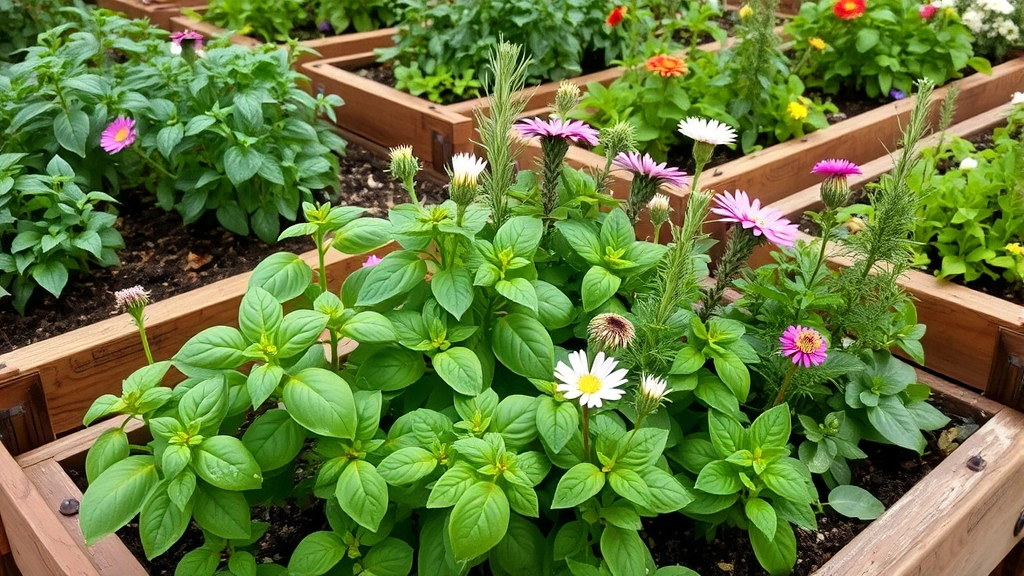
Herb flowers deserve special attention in garden catering. Basil, oregano, thyme, and sage flowers deliver concentrated herb flavors while adding visual interest. These flowers appear naturally as herbs bolt during hot weather, providing free garnishes when you allow culinary herbs to flower. Dill and fennel flowers add delicate, anise-forward notes perfect for seafood presentations.
Start an edible flower section in your garden dedicated to catering garnishes. Plant flowers in succession every two weeks to ensure continuous blooms throughout your event season. Harvest flowers in early morning when they’re fully hydrated, store them in cool water, and use within hours for maximum freshness. Educate guests about edible flowers by including descriptions on menu cards—this transparency builds confidence and appreciation.
Setting Up Your Garden Dining Space
Garden catering requires thoughtful spatial organization balancing aesthetics with functionality. Designate distinct zones: food service area, dining space, beverage station, and lounge seating. This zoning prevents congestion while encouraging guests to circulate and mingle throughout your garden.
Food service areas need protection from sun and weather. Quality tent rentals provide professional appearance while protecting food from insects and temperature fluctuations. Position service areas near water sources and electrical outlets if using warming or cooling equipment. Ensure adequate counter space for food setup—underestimating space creates chaotic service and food safety issues.
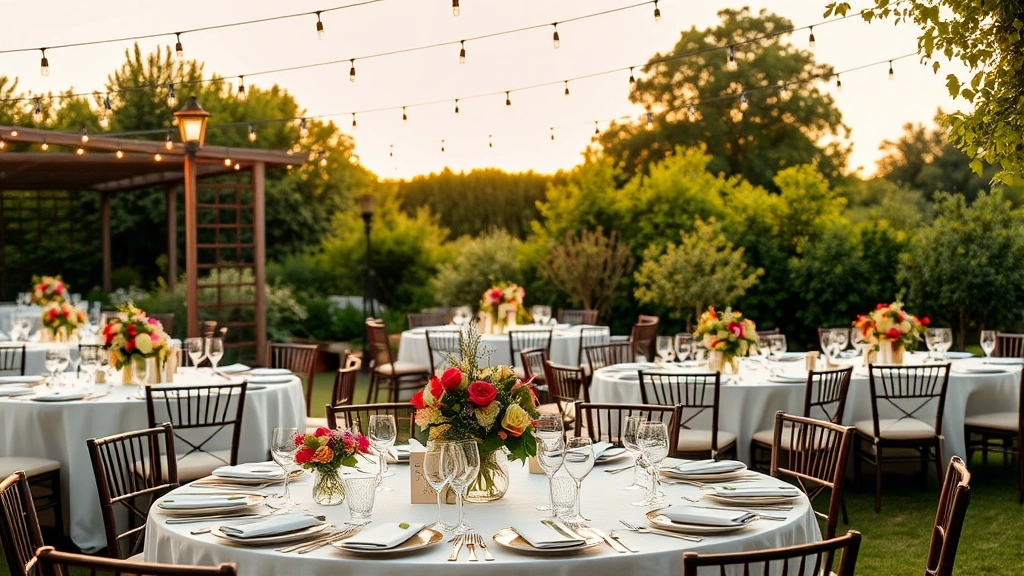
Dining spaces benefit from shade structures, whether permanent pergolas, temporary tents, or strategically placed umbrellas. Arrange tables to facilitate conversation while showcasing garden views. Round tables encourage interaction better than long rectangular arrangements. Table heights vary—standard dining at 30 inches, high-top cocktail tables at 42 inches, and low lounge tables at 15-18 inches create variety and accommodate different guest preferences.
Incorporate garden features into your setup. A garden bench becomes a photo opportunity, flower beds frame dining areas naturally, and water features provide ambient sound masking background noise. Use your garden’s existing hardscaping—patios, pathways, and structures—as infrastructure for catering setup.
Lighting transforms evening garden catering from functional to magical. String lights, lanterns, and subtle uplighting extend entertaining into dusk and evening hours. Plan lighting installation weeks before your event to avoid last-minute complications. Battery-powered options offer flexibility when permanent electrical installation isn’t feasible.
Restroom facilities require consideration for larger events. Portable luxury restrooms, while less charming than indoor facilities, prevent guests from entering your home repeatedly. Position restrooms discreetly using landscaping screens or placing them away from main dining areas.
Fresh Herb Integration in Catering
An established herb garden provides the foundation for exceptional garden catering. Fresh herbs elevate every component—appetizers, mains, sides, desserts, and beverages. Unlike store-bought herbs that deteriorate quickly, homegrown varieties harvested minutes before service deliver maximum flavor and visual appeal.
Basil, in its various cultivars, stars in summer catering. Thai basil suits Asian-inspired dishes, while sweet Genovese basil enhances Italian preparations. Lemon basil adds brightness to desserts and beverages. Mint varieties—spearmint, peppermint, chocolate mint—provide refreshing notes for drinks, desserts, and savory dishes. Cilantro and parsley offer versatile, fresh flavors for virtually any cuisine style.
Rosemary and thyme provide woodsy sophistication, particularly valuable for fall and winter entertaining. These perennial herbs withstand garden conditions year-round, ensuring availability for any season. Oregano and marjoram deliver Mediterranean character perfect for vegetable-focused menus. Chives and garlic chives add onion-forward notes without overpowering delicate dishes.
Develop a harvesting schedule aligned with your menu planning. Begin harvesting herbs the morning of your event, pinching top growth to encourage bushiness. Tender herbs like basil and cilantro wilt quickly, so harvest last and use immediately. Hardier herbs like rosemary and thyme maintain quality longer after cutting.
Fresh herb garnishes require minimal effort but create maximum impact. Whole herb sprigs finish plates beautifully, herb oil drizzles add visual interest and flavor, and herb-infused salts complement various dishes. Herb-flavored butters, prepared days ahead, top grilled vegetables and proteins elegantly.
When growing herbs specifically for catering, plant 50% more than you anticipate needing. This buffer accommodates unexpected growth variations, weather impacts, and the reality that generous herb usage looks more professional than sparse applications. Succession planting ensures continuous supply—sow new basil and cilantro every three weeks during growing season.
Beverage Stations and Garden Refreshments
Beverage service significantly influences guest experience and catering success. Self-service beverage stations encourage mingling while reducing staff requirements. Position stations throughout your garden so guests encounter them naturally during circulation rather than congregating in single locations.
Create themed beverage options reflecting your garden’s produce. Infused water stations featuring cucumber-mint, strawberry-basil, or lemon-lavender combinations offer refreshing non-alcoholic options. Herbal iced tea stations showcase your herb garden—brew chamomile, mint, or fruit-flavored blends ahead, chill thoroughly, and serve over ice with fresh garnishes.
Cocktail options incorporating homegrown ingredients impress guests significantly. Mint mojitos, basil margaritas, and herb-infused vodkas demonstrate creativity. Fresh fruit punches featuring berries from your garden, combined with sparkling water and herb garnishes, provide festive non-alcoholic alternatives. Floral-infused beverages using edible flowers create Instagram-worthy presentations.
Coffee and tea service, particularly important for afternoon and evening events, benefits from quality preparation. Offer both hot and iced options. Consider a small espresso bar for guests desiring specialty coffee drinks. Pair beverages with homemade biscotti, cookies, or petit fours featuring garden ingredients.
Glassware selection influences beverage presentation. Mason jars suit casual garden entertaining, while proper glassware elevates more formal events. Provide glasses in multiple sizes—highballs for cocktails, wine glasses for wine, and smaller glasses for cordials or specialty drinks.
Ice management often gets overlooked in garden catering planning. Outdoor temperatures melt ice quickly, requiring generous quantities. Invest in quality coolers positioned strategically near beverage stations. Pre-chill all beverages before guests arrive, reducing ice consumption and maintaining optimal serving temperatures.
Managing Food Safety Outdoors
Food safety becomes more challenging in outdoor garden catering settings but remains absolutely essential. Temperature control presents the primary concern—perishable foods require constant monitoring to prevent bacterial growth. Invest in quality coolers with reliable ice or ice packs, replacing them every 2-3 hours during warm weather events.
Separate raw and prepared foods strictly. Use dedicated cutting boards, utensils, and serving surfaces for different food categories. Avoid cross-contamination by never placing cooked foods on surfaces that previously held raw ingredients. This practice prevents foodborne illness while demonstrating professional catering practices.
Handwashing stations, though less glamorous than other catering elements, are absolutely necessary. Position stations near food preparation and service areas. Provide soap, clean towels, and hand sanitizer. Encourage guests and staff to wash hands regularly, particularly after restroom use and before eating.
Protect all food from insects and environmental contaminants. Use food covers, screens, and protective domes rather than leaving platters exposed. When serving outdoors, plan shorter service windows—prepare foods closer to serving time rather than hours ahead. This timing reduces temperature fluctuations and pest exposure.
Source homegrown produce safely. Wash all vegetables and fruits thoroughly before preparation. When using edible flowers, ensure they’ve been grown without pesticides or chemical treatments. Maintain detailed records of what you’ve grown and when you harvested items, allowing you to trace any issues if they arise.
Consider hiring professional catering staff for larger events. Their food safety training and experience prevent problems that could compromise guest health. Even for smaller gatherings, educate yourself on proper food handling, storage temperatures, and preparation techniques. The investment in knowledge pays dividends through successful, safe entertaining.
FAQ
What’s the ideal guest count for garden catering?
Garden size and infrastructure determine comfortable capacity. Most residential gardens accommodate 20-50 guests comfortably. Smaller gardens work beautifully for intimate 10-15 person gatherings, while larger estates handle 75-100 guests. Focus on comfort rather than maximum capacity—guests should circulate easily without feeling crowded.
When should I start planning garden catering?
Begin planning 3-4 months ahead for larger events, allowing time for garden preparation, menu development, and vendor coordination. Smaller intimate gatherings need 4-6 weeks of planning. Account for seasonal produce availability when choosing dates—summer entertaining showcases garden abundance better than winter.
How do I keep food cool during outdoor catering?
Use multiple strategies: high-quality coolers with ice, shade structures protecting food, shorter service windows, and pre-chilling all components. Consider renting refrigeration units for events exceeding 4 hours. Position coolers near service areas for easy access without disrupting guest experience.
Can I use pesticide-treated flowers as edible garnishes?
No—only consume flowers specifically grown without pesticides or chemical treatments. Never use florist flowers, ornamental varieties, or plants treated with any pesticides or fertilizers. Grow edible flowers in dedicated garden sections using organic practices to ensure safety.
What’s the minimum herb garden size for catering?
A 4×8 foot herb garden bed provides substantial fresh herb quantities for regular entertaining. Smaller 2×4 foot beds support basic herb needs for intimate gatherings. Container gardens offer flexibility—grow herbs in pots positioned near serving areas for visual appeal and easy harvesting.
How far ahead should I harvest herbs and edible flowers?
Harvest most herbs and flowers within 2-4 hours of service for maximum freshness. Store them in cool water in shaded areas. Hardier herbs like rosemary and thyme tolerate longer storage, while tender basil and cilantro require immediate use after harvesting.