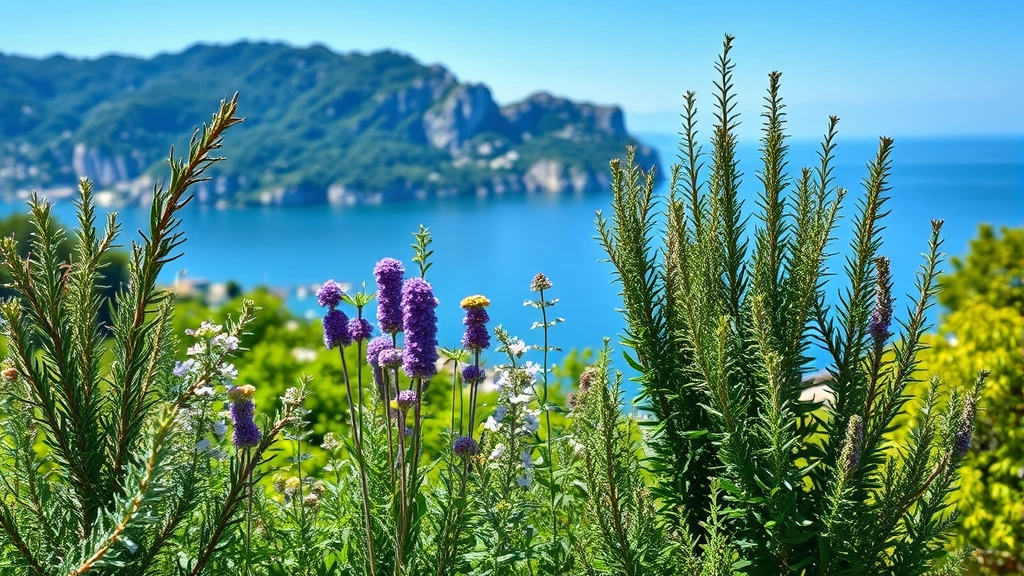
Gardening in Garda: Local Experts Share Tips for the Italian Lakes Region
The Garda region, nestled between Lombardy, Veneto, and Trentino-Alto Adige in northern Italy, offers one of Europe’s most favorable climates for gardening. Lake Garda’s moderating influence creates a unique microclimate that allows gardeners to cultivate a remarkable diversity of plants—from Mediterranean species to Alpine varieties. Whether you’re tending a lakeside villa garden or planning your first vegetable patch near the water’s edge, understanding the region’s specific growing conditions is essential for success.
Local horticulturists and master gardeners around Lake Garda have perfected techniques adapted to this distinctive environment over generations. The lake’s thermal mass maintains milder winters and cooler summers than surrounding areas, extending the growing season and protecting tender plants from extreme temperature fluctuations. This article brings together expert insights from Garda-based gardeners who share proven strategies for maximizing your garden’s potential in this Mediterranean-influenced zone.

Understanding Garda’s Unique Climate and Growing Zone
Lake Garda, Europe’s largest Italian lake, creates a distinctive horticultural zone that differs significantly from surrounding Alpine and continental regions. The massive body of water acts as a thermal regulator, absorbing heat during summer months and releasing it gradually during winter. This phenomenon allows gardeners to grow plants typically associated with warmer Mediterranean zones while maintaining the ability to cultivate cool-season crops that thrive in the region’s mild winters.
The Garda region falls within USDA hardiness zones 8b to 9a, with some protected microclimates reaching zone 9b. This classification means winter temperatures rarely drop below -9°C (15°F), and many areas experience minimum temperatures closer to -6°C (20°F). However, local experts emphasize that these zone classifications don’t tell the complete story. Wind patterns, proximity to the water, elevation, and aspect significantly influence individual garden microclimates.
Local gardeners from towns like Desenzano, Sirmione, and Limone sul Garda consistently report that south-facing slopes near the shoreline experience warmer conditions than properties just a few kilometers inland. The lake’s influence diminishes with distance and elevation, so gardeners at higher altitudes must select more cold-hardy varieties. Understanding your specific microclimate—whether you’re on the sheltered southern shore or the more exposed northern basin—is the first step toward successful gardening in this region.
Precipitation patterns also distinguish the Garda region from other Mediterranean areas. Unlike the dry summers typical of southern Italy, the Garda zone receives modest rainfall throughout the year, with increased precipitation during spring and autumn. This relatively consistent moisture availability, combined with the lake’s moderating effect, creates conditions ideal for a broader plant palette than purely Mediterranean climates allow.
Soil Preparation and Amendments for Lake Garda Gardening
Successful gardening around Lake Garda begins with understanding and amending local soils. The region’s geological history—shaped by glacial activity and mineral-rich Alpine runoff—has created diverse soil types. Lakeside areas often feature limestone-rich soils with pH levels ranging from 7.5 to 8.5, while properties further from the water may have more neutral or slightly acidic soils ranging from pH 6.0 to 7.0.
When preparing garden soil for a thriving garden, local experts recommend conducting a soil test before planting. The USDA Natural Resources Conservation Service and regional Italian agricultural extension services can analyze your soil’s composition, pH, nutrient content, and texture. This information guides your amendment strategy and plant selection.
Garda gardeners frequently encounter alkaline soils, which can cause iron chlorosis in acid-loving plants like hydrangeas and blueberries. To address this challenge, expert gardeners incorporate substantial quantities of organic matter—composted bark, peat alternatives, or well-aged compost—to gradually lower pH and improve soil structure. Many recommend working 5-10 centimeters of organic amendment into the top 30 centimeters of soil before planting acid-loving species.
The lake region’s soils often lack sufficient organic matter in their native state, particularly in areas with intensive agricultural or urban development history. Adding 5-8 centimeters of high-quality compost annually to garden beds improves water retention, enhances nutrient availability, and creates the biologically active soil that supports healthy plant growth. Local gardeners emphasize that this organic matter addition should become a seasonal ritual rather than a one-time effort.
Drainage considerations vary significantly across the Garda region. Properties on slopes generally enjoy excellent drainage, while flatter areas near the water’s edge may experience poor drainage during wet periods. If your garden has drainage challenges, raised bed gardening offers significant advantages by elevating planting areas above problematic soil layers and improving both drainage and root aeration.
Best Plants and Vegetables for the Garda Region
The Garda region’s favorable climate allows cultivation of an impressive range of plants. Mediterranean species like olives, citrus, and bay laurel thrive in protected microclimates, while traditional Alpine and temperate plants flourish in cooler areas. This botanical diversity makes the region exceptionally rewarding for gardeners willing to experiment with varied plant palettes.
Mediterranean and Tender Plants: Olive trees, lemon and orange citrus varieties, pomegranates, and fig trees flourish in Garda’s warmest microclimates, particularly on south-facing slopes near the water. Tender herbs like rosemary, oregano, and thyme grow vigorously, though winter protection may be necessary during occasional severe cold snaps. Bougainvillea, lantana, and other Mediterranean shrubs provide spectacular color in summer while tolerating the region’s conditions admirably.
Herbaceous Plants and Herbs: The herb garden thrives in the Garda region. Beyond Mediterranean herbs, gardeners successfully cultivate mint, basil, parsley, and chives. For those interested in container cultivation, growing mint in pots provides complete growing guidance suitable for Garda’s conditions. Tender perennial herbs benefit from strategic placement in sheltered locations or container growing that allows winter protection.
Vegetables for the Garda Season: The extended growing season permits vegetable cultivation from early spring through late autumn. Cool-season crops like lettuce, spinach, and peas thrive in spring and autumn, while summer heat supports tomatoes, peppers, eggplants, zucchini, and beans. Local gardeners report exceptional success with heirloom tomato varieties, which benefit from the region’s warm but not excessive summer temperatures and consistent moisture availability. Root vegetables including carrots, beets, and potatoes perform well in properly amended soils.
Ornamental Plants: Hydrangeas, camellias, rhododendrons, and other acid-loving plants require pH adjustment but reward this effort with spectacular blooms. Hardy fuchsias, Japanese maples, and ornamental grasses add year-round structure and interest. Many native Alpine and Mediterranean plants adapt beautifully to Garda gardens, including various Lavandula species, Cistus varieties, and Crataegus species that support local wildlife.
Berries and Soft Fruits: Strawberries, raspberries, blackberries, and blueberries (with soil amendment) produce abundantly in the region. Currants and gooseberries thrive in cooler microclimates, while fig and mulberry trees provide substantial harvests in warmer areas. The consistent moisture and moderate temperatures create ideal conditions for these crops.
Water Management and Irrigation Strategies
Despite the lake’s proximity, water management requires careful attention in Garda gardens. While the region receives adequate rainfall annually, distribution remains uneven, with dry periods occurring during summer months when plant water demands peak. Local gardeners emphasize that proximity to the lake doesn’t guarantee water availability for irrigation—most properties require planned water management strategies.
Drip irrigation systems prove exceptionally valuable in the Garda region, delivering water directly to plant roots while minimizing evaporation. Many expert gardeners install permanent or semi-permanent drip systems that can be adjusted seasonally. These systems prove particularly valuable for vegetable gardens, container plantings, and newly established plants that require consistent moisture.
Mulching represents perhaps the most underutilized water conservation strategy among Garda gardeners. Applying 5-8 centimeters of organic mulch around plants significantly reduces water evaporation, moderates soil temperature fluctuations, and gradually improves soil structure as the mulch decomposes. Local experts recommend using composted bark, wood chips, or straw, refreshing the mulch layer annually.
Rainwater harvesting aligns perfectly with the region’s precipitation patterns. Installing rain barrels or cisterns captures spring and autumn rainfall for use during drier periods. Many Garda gardeners combine multiple rain collection systems to maximize water availability without depending entirely on municipal supplies or well water.
Watering timing significantly impacts plant health and water efficiency. Early morning irrigation allows foliage to dry quickly, reducing fungal disease pressure common in the region’s humid conditions. Deep, infrequent watering encourages deep root development and plant resilience better than frequent shallow watering. During the hottest summer weeks, watering every 2-3 days may be necessary for vegetables and tender plants, while established woody plants require less frequent irrigation.
Seasonal Gardening Calendar for Lake Garda
Spring (March-May): As temperatures warm and frost risk diminishes by late April, spring represents the busiest planting season. Tender annuals, warm-season vegetables, and herbs can be safely planted after the last frost date, typically mid-to-late April in most Garda areas. Existing perennials and shrubs respond to fertilization and pruning as growth accelerates. Spring is ideal for propagating plants, including taking cuttings from established herbs and shrubs for propagation. Cool-season crops planted in early spring can be harvested before summer heat arrives.
Summer (June-August): Summer demands consistent watering as plants reach peak growth and heat stress becomes a concern. Mulching becomes critical for moisture retention and soil temperature moderation. Deadheading spent flowers encourages continued blooming in ornamental plants. Vegetable harvesting reaches peak intensity, with daily attention often necessary to pick ripe tomatoes, zucchini, and beans at optimal maturity. This season requires vigilance against pests and diseases, though the region’s generally good air circulation helps prevent many fungal problems.
Autumn (September-November): September through early November offers ideal planting conditions as temperatures moderate and autumn rains increase. Cool-season vegetables including lettuce, spinach, broccoli, and root crops can be planted for autumn and early winter harvest. Ornamental plants benefit from autumn planting, establishing root systems before winter dormancy. Pruning and cleanup of summer-tired plants prepare the garden for winter. Many gardeners sow cover crops in vegetable beds to improve soil structure and fertility before spring planting.
Winter (December-February): While winters remain mild by northern European standards, winter still offers gardening opportunities. Pruning of deciduous trees and shrubs proceeds during dormancy. Tender plants may require frost protection during occasional cold snaps, particularly in January and February. Evergreen herbs and vegetables including winter lettuce, kale, and mâche provide fresh harvests. Planning next season’s garden, ordering seeds, and maintaining tools and infrastructure occupy many gardeners during the quieter winter months.
Container and Raised Bed Gardening Near the Water
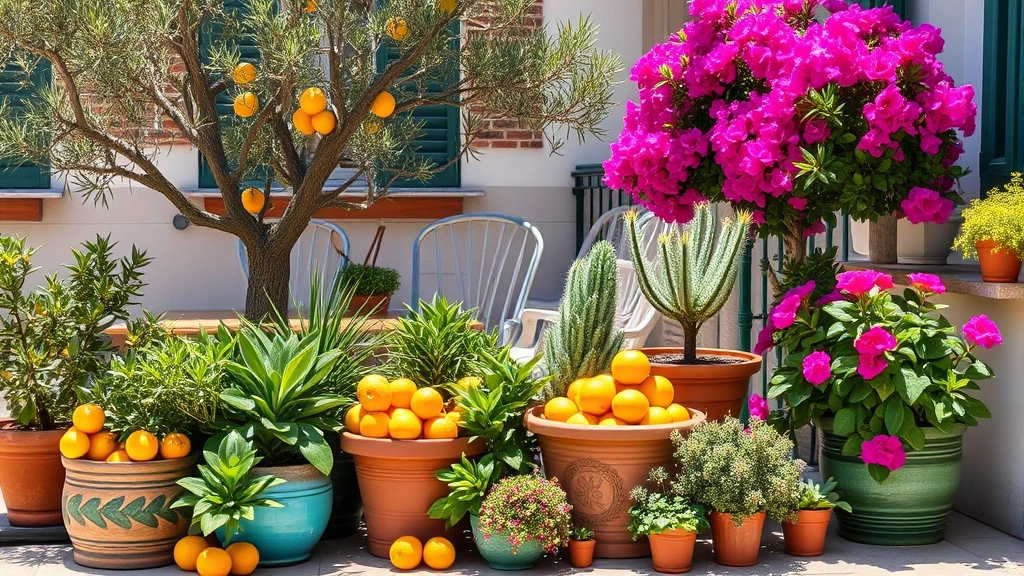
Container gardening offers particular advantages for Garda gardeners, especially those with challenging soil conditions or limited space. Tender plants like citrus, fuchsias, and other frost-sensitive specimens can be grown in containers and moved to protected locations during occasional severe winters. This flexibility allows cultivation of a broader plant palette than in-ground gardening alone permits.
When selecting containers, local experts recommend choosing pots with adequate drainage holes and sufficient size for root development. Larger containers—at least 40-50 liters for substantial plants—reduce watering frequency and temperature stress. Terracotta containers, popular in Mediterranean gardens, require more frequent watering than plastic or composite materials but offer aesthetic appeal and natural breathability.
Container soil should be specially formulated potting mix rather than garden soil, which compacts excessively in containers and restricts drainage. Quality potting mixes provide appropriate aeration and water retention balance. For acid-loving plants like blueberries, ericaceous potting mixes formulated for lower pH prove essential.
Raised bed gardening advantages include improved drainage, easier access, and the ability to optimize soil conditions independently of native soil problems. Raised beds prove particularly valuable for vegetable production and for growing acid-loving plants in alkaline Garda soils. Constructing beds 60-90 centimeters wide allows comfortable access from both sides, while depth of 30-40 centimeters suits most vegetable crops.
Local materials work well for raised bed construction. Many Garda gardeners use timber (untreated hardwood or composite materials), stone, or composite edging materials. The region’s abundant slate and limestone can be incorporated into beautiful, durable raised bed structures that complement the landscape while improving growing conditions.
Pest Management and Plant Health
The Garda region’s humidity and moderate temperatures create conditions favorable for certain pests and diseases, though the generally good air circulation and diverse plant palette support beneficial insect populations. Local gardeners emphasize integrated pest management approaches that minimize chemical inputs while maintaining healthy, productive gardens.
Common Pests: Mites, aphids, and whiteflies occasionally appear on tender plants during warm months. Scale insects affect citrus and ornamental plants. Japanese beetles and other beetles may cause localized damage. Rather than immediately resorting to chemical controls, local experts recommend monitoring plants regularly, removing affected leaves or branches, and encouraging beneficial predators like ladybugs and lacewings through diverse plantings.
Disease Management: Powdery mildew occasionally affects ornamental plants and some vegetables, particularly during humid periods with limited air circulation. Improving air movement through selective pruning and spacing plants appropriately prevents many fungal diseases. Removing infected foliage promptly prevents disease spread. Downy mildew may affect vegetables during cool, wet springs, making proper spacing and mulching practices essential preventive measures.
Beneficial Practices: Companion planting enhances pest management naturally. Growing aromatic herbs like basil and oregano near vegetables attracts beneficial insects while potentially deterring some pests. Diverse plantings support populations of natural predators including spiders, parasitic wasps, and ground beetles that control pest populations. Avoiding monocultures and maintaining some wild plantings within the garden supports this natural pest control system.
Organic Approaches: When intervention becomes necessary, local gardeners favor organic methods. Neem oil, insecticidal soaps, and sulfur-based fungicides address many common problems without environmental persistence or toxicity concerns. Bacillus thuringiensis (Bt) effectively controls caterpillars on vegetables and ornamental plants. These approaches maintain garden health while supporting beneficial insect populations essential for long-term garden sustainability.
FAQ
What is the best time to plant vegetables in the Garda region?
Spring planting (late April through May) suits warm-season vegetables like tomatoes, peppers, and beans after frost danger passes. Cool-season crops including lettuce, spinach, and peas thrive when planted in early spring (March-April) or autumn (September-October). The region’s extended growing season allows multiple plantings of cool-season crops throughout spring and autumn.
Can I grow citrus trees in Lake Garda gardens?
Yes, citrus thrives in protected Garda microclimates, particularly on south-facing slopes near the water. Lemon, orange, and mandarin varieties perform well. However, occasional severe winters may damage tender citrus, so container growing with winter protection offers additional security in cooler microclimates or higher elevations away from the lake’s warming influence.
How often should I water my garden during summer?
Summer watering frequency depends on soil type, mulching, plant type, and specific weather conditions. Most vegetables and newly planted specimens require deep watering every 2-3 days during hot, dry periods. Established woody plants often need watering only weekly or bi-weekly. Mulching significantly reduces watering frequency by minimizing evaporation. Morning watering proves most efficient and reduces disease pressure.
What soil amendments help with the Garda region’s alkaline soils?
Incorporating substantial organic matter—composted bark, peat alternatives, and well-aged compost—gradually lowers pH while improving soil structure. Sulfur-based soil amendments directly reduce pH but require careful application. For acid-loving plants, container growing with ericaceous potting mix or raised beds filled with amended soil offers more practical solutions than attempting to significantly alter native soil pH across large areas.
Which gardening tips for beginners apply specifically to the Garda region?
Start with soil testing to understand your specific conditions. Choose plants suited to your microclimate—warmer near the lake, cooler at higher elevations. Invest in mulch and drip irrigation rather than relying on rainfall alone. Plan for both cool-season and warm-season crops to maximize your extended growing season. Join local gardening groups and extension services to benefit from regional expertise accumulated over generations.
How do I protect tender plants during Garda winters?
Most years require minimal winter protection, but occasional severe cold snaps demand action. Move container plants to sheltered locations against south-facing walls or into unheated structures. Wrap stems of marginally hardy plants with burlap or frost cloth. Apply heavy mulch around the base of tender perennials. In the coldest microclimates, consider growing tender plants exclusively in containers that can be moved to protection.
What local resources help Garda gardeners succeed?
The Italian National Institute of Statistics provides regional agricultural data. Regional agricultural extension services offer soil testing and horticultural guidance. The American Society of Horticultural Science maintains resources on plant cultivation applicable to Mediterranean zones. Local botanical gardens and horticultural societies around Lake Garda provide demonstrations and expert consultation. The USDA Natural Resources Conservation Service offers climate and soil data useful for garden planning.


