How to Build a Dragon Garden: Expert Tips Inside
A dragon garden is a captivating themed garden space that celebrates mythical dragon symbolism through carefully selected plants, hardscaping elements, and design principles inspired by Asian aesthetics and fantasy landscapes. This unique gardening approach combines ornamental plants with dramatic architectural features to create an immersive, visually striking environment that tells a story of mystery and majesty. Whether you’re a seasoned gardener or just starting your green journey, building a dragon garden offers an exciting opportunity to express creativity while cultivating a thriving outdoor space.
The concept of a dragon garden draws inspiration from traditional Chinese and Japanese garden design, where dragons symbolize power, wisdom, and good fortune. By incorporating dragon-themed elements—from serpentine pathways to plants with dragon-like characteristics—you can transform an ordinary outdoor area into an enchanting retreat. This comprehensive guide will walk you through every step of creating your own dragon garden, from planning and plant selection to maintenance and seasonal care.
Understanding Dragon Garden Design Principles
Before you begin planting, it’s essential to grasp the foundational design principles that make a dragon garden distinctive. A dragon garden should evoke feelings of mystery, power, and natural beauty through strategic use of color, texture, and spatial arrangement. The design philosophy emphasizes balance between wild, untamed elements and carefully cultivated spaces—much like the duality of dragon mythology itself.
Start by assessing your available space and sunlight conditions. Dragon gardens thrive in locations with mixed light—areas that receive both full sun and partial shade throughout the day. This allows you to create diverse microclimates suitable for a wide variety of plants. Consider the view from your house and decide where you want to position dramatic focal points that will draw the eye and create visual interest year-round.
Color palette selection is crucial for dragon garden aesthetics. Traditional dragon gardens often feature deep reds, rich purples, vibrant oranges, and jewel-toned greens. These colors evoke the fiery nature of dragons while maintaining visual harmony. When starting your gardening journey, begin by sketching your color scheme on paper before purchasing plants. This planning stage prevents impulse purchases and ensures cohesive design.
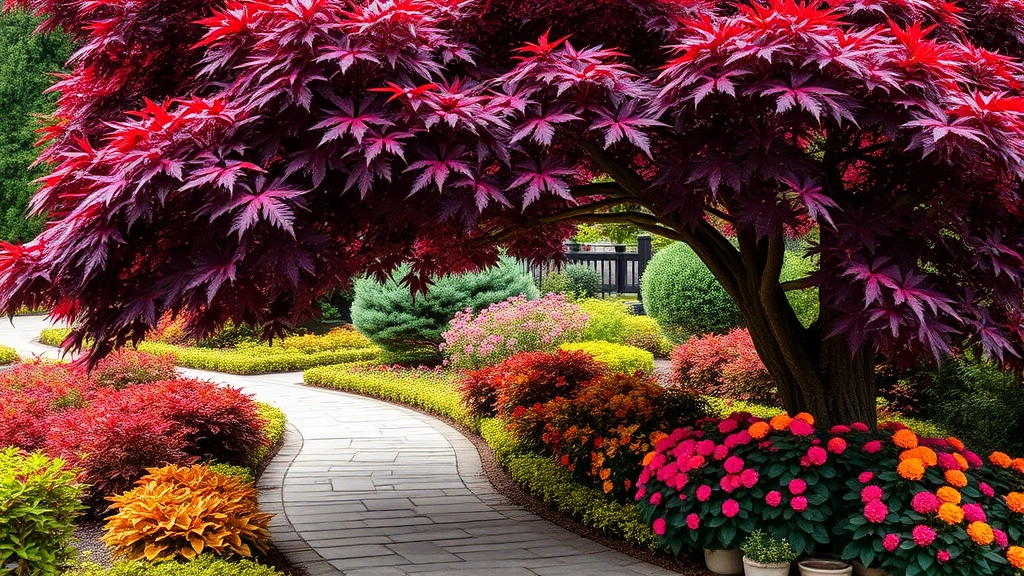
Incorporate curved, serpentine pathways throughout your garden space. These winding paths represent a dragon’s sinuous movement and guide visitors through different garden zones. Rather than straight lines, embrace flowing curves that create mystery and encourage exploration. Use gravel, stepping stones, or mulch to define these pathways, making them functional and visually distinctive.
Essential Plants for Your Dragon Garden
Selecting the right plants is fundamental to achieving an authentic dragon garden aesthetic. Look for plants with dramatic foliage, unusual growth patterns, or names that reference dragons. These botanical selections will form the backbone of your themed garden design.
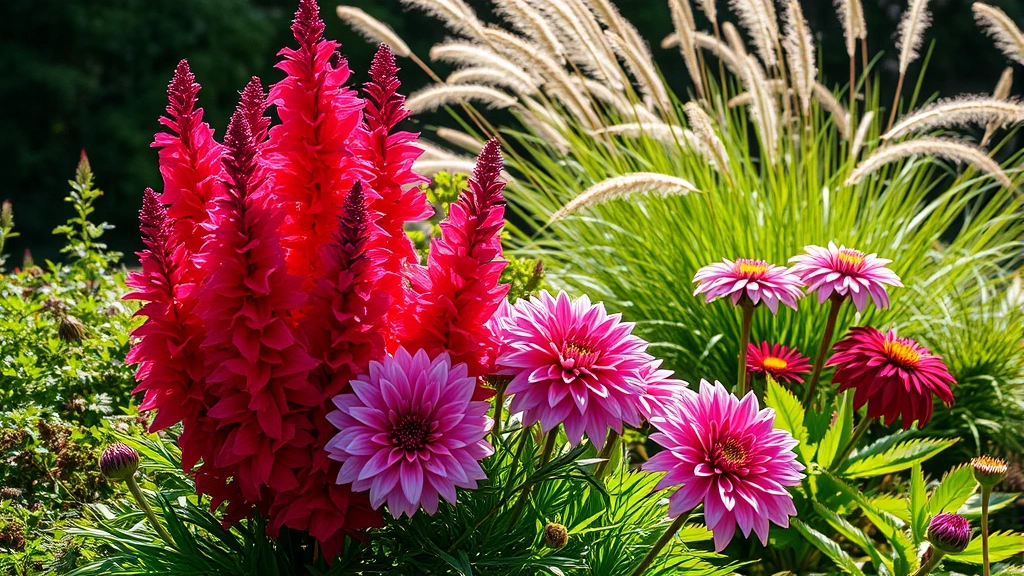
Dragon’s Breath plants (Celosia) are quintessential choices for dragon gardens. These stunning annuals produce velvety, flame-like flower heads in deep reds, purples, and oranges that perfectly capture dragon imagery. They thrive in warm weather and require full sun with well-draining soil. Plant them in clusters for maximum impact and maintain consistent moisture during growing season.
Dragon trees (Dracaena marginata) add architectural interest with their spiky, upright growth habit. While these are typically grown as houseplants in cooler climates, they can be showcased in containers on patios or brought outdoors during warm months. Their distinctive silhouette creates dramatic focal points and their tolerance for various light conditions makes them versatile additions.
Snapdragons (Antirrhinum) deserve a prominent place in your dragon garden. These charming flowers have seed pods that resemble tiny dragon skulls when dried, adding whimsical dragon references. They come in vibrant reds, oranges, and deep purples. Snapdragons prefer cool to moderate temperatures and benefit from deadheading to encourage continuous blooms throughout the season.
Japanese maples provide essential structural elements with their delicate, deeply lobed foliage in shades of burgundy, crimson, and orange. These ornamental trees create year-round interest and serve as anchor plants in your design. They prefer partial shade and consistently moist (but not waterlogged) soil enriched with organic matter.
Ornamental grasses like red fountain grass (Pennisetum setaceum ‘Rubrum’) add movement and texture with their feathery, deep-red plumes. These dramatic plants sway gracefully in breezes, creating visual animation. They work particularly well in clusters and pair beautifully with flowering plants. Ensure proper drainage and full sun exposure for optimal growth.
Coleus varieties with deep purple, red, and orange foliage provide continuous color without relying on flowers. These tender perennials thrive in partial shade and add textural contrast with their varied leaf patterns. They’re excellent for filling spaces between larger plants and creating color transitions throughout your garden.
Dahlias produce spectacular, complex blooms in dramatic colors perfect for dragon gardens. These flowers range from deep burgundy to fiery orange and scarlet. Dahlias require staking and consistent watering but reward gardeners with weeks of stunning blooms. They prefer full sun and well-prepared soil.
When preparing garden soil, ensure it’s rich in organic matter and drains well. Most dragon garden plants prefer soil with pH between 6.0 and 7.0. Amend heavy clay soils with compost and peat moss to improve drainage and fertility.
Hardscaping and Structural Elements
Hardscaping provides the framework that supports your plant selections and creates the overall dragon garden atmosphere. Strategic use of stone, wood, and decorative elements transforms your space into an intentional, cohesive design.
Dragon statues and sculptures serve as powerful focal points. Place these strategically at garden intersections, near water features, or at the end of pathways to create visual destinations. Scale matters—oversized sculptures create drama, while smaller pieces scattered throughout add whimsy and encourage exploration.
Stone pathways and stepping stones should follow serpentine curves that mimic dragon movement. Use dark slate, river rocks, or decorative pavers to define paths. The tactile experience of walking through your garden enhances the immersive dragon garden experience. Consider adding moss between stepping stones for authentic Asian garden aesthetics.
Rock formations and boulders create natural-looking focal points and provide textural contrast. Arrange stones in clusters of odd numbers (three, five, or seven) following traditional garden design principles. These formations can frame plant groupings or serve as meditation spots within your garden.
Pergolas and trellises with climbing vines add vertical interest and create shaded areas. Train climbing plants like clematis or jasmine up these structures to create dramatic archways. These elements provide garden rooms and guide movement through different zones.
Decorative fencing in dark colors or with Asian-inspired designs creates boundaries while maintaining visual interest. Consider bamboo fencing, which offers both practical screening and authentic dragon garden aesthetics.
Water Features and Dragon Symbolism
Water features are essential to dragon garden design, as dragons are traditionally associated with water in Asian mythology. Incorporating water elements adds sensory richness and creates focal points that draw visitors deeper into your garden.
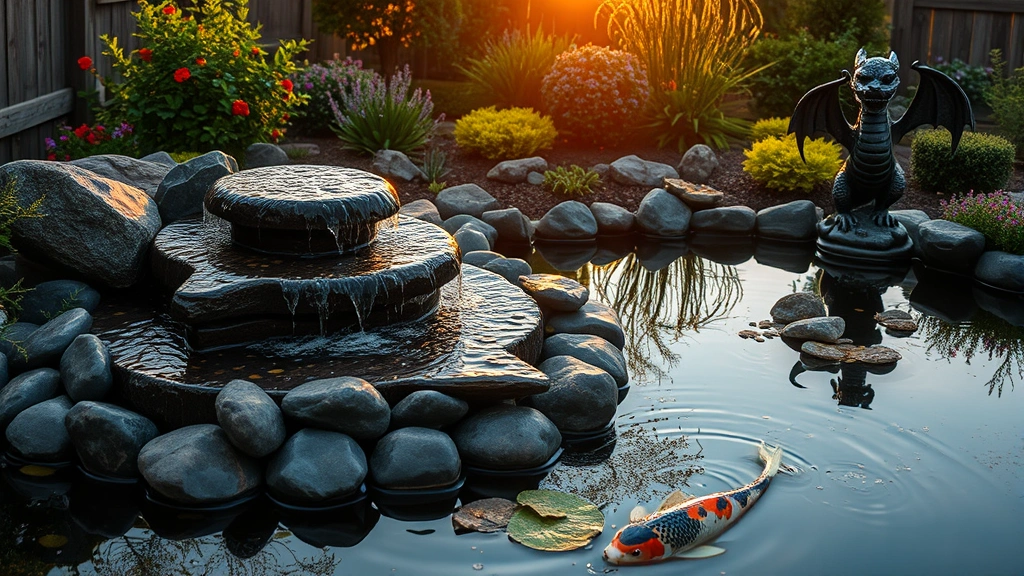
Ponds and water basins serve as powerful symbolic and practical elements. A small pond or basin can support aquatic plants like lotus or water lilies while creating reflective surfaces that enhance garden aesthetics. Stock ponds with koi fish—traditional symbols of good fortune in Asian culture. Ensure proper filtration and maintenance to keep water clear and healthy for aquatic life.
Fountains combine movement, sound, and visual interest. Choose designs with Asian-inspired aesthetics—perhaps featuring dragon motifs or stone lantern styles. The gentle sound of flowing water creates a meditative atmosphere and masks unwanted background noise. Position fountains where they catch light during morning or evening hours for enhanced visual impact.
Stone basins and traditional Japanese water features (tsukubai) add authenticity while serving as subtle focal points. These shallow basins filled with water create peaceful gathering spots and encourage reflection.
Stream features with carefully arranged stones create the impression of flowing water. Even without actual water, strategically placed rocks in curved patterns suggest movement and energy, maintaining dragon garden symbolism.
Seasonal Care and Maintenance
Maintaining your dragon garden throughout the year ensures it remains vibrant and healthy. Each season presents unique opportunities and challenges for dragon garden cultivation.
Spring is the ideal time to refresh your dragon garden. Prune ornamental trees and shrubs to maintain desired shapes. Divide perennials and plant new specimens as soil temperatures warm. Apply fresh mulch around plants, keeping it several inches away from stems to prevent rot. Start tender annuals indoors for transplanting after frost danger passes. This is also when you should plan and establish new flower beds if expanding your dragon garden.
Summer requires consistent watering, especially for newly established plants. Mulch helps retain moisture and regulates soil temperature during hot months. Deadhead flowers regularly to encourage continuous blooming and direct energy toward flower production rather than seed development. Monitor for pests and diseases, addressing issues promptly to prevent widespread problems. Provide afternoon shade for plants stressed by intense heat.
Fall is the season to prepare plants for dormancy. Reduce watering as temperatures cool and growth slows. Cut back perennials after frost kills foliage, leaving 2-3 inches of stem for winter protection. Plant spring-blooming bulbs in late fall. This is an excellent time to add new shrubs and trees while soil remains warm and plants establish roots before winter.
Winter offers rest and planning opportunities. Protect tender plants with mulch or move containers to sheltered locations. Prune dormant trees and shrubs to maintain structure and remove dead wood. Use this quiet season to design garden expansions and order seeds and plants for spring. Clean and maintain garden tools and structures.
Regular fertilization supports healthy growth. Use balanced, slow-release fertilizers in spring and mid-summer. For flowering plants, switch to higher-phosphorus formulas to encourage blooms. Organic matter additions annually improve soil structure and fertility without harsh chemicals.
When growing plants in containers, remember that potted plants dry out faster than in-ground specimens. Check soil moisture regularly and water more frequently during growing season. Refresh container soil annually to maintain nutrient levels and structure.
Creating Visual Drama and Focal Points
A truly captivating dragon garden guides the eye through carefully planned focal points that create visual interest and encourage exploration. These dramatic elements transform a simple planted space into an immersive experience.
Lighting design extends your garden’s appeal into evening hours. Install uplighting to illuminate dragon statues and architectural plants from below, creating dramatic shadows and emphasizing silhouettes. Path lighting provides safety while subtly guiding movement through the space. Consider warm-toned lights that enhance the fiery dragon aesthetic.
Plant layering creates depth and dimension. Arrange plants in layers: tall plants in back, medium-height specimens in the middle, and low-growing groundcovers in front. This tiered approach ensures all plants receive adequate light and creates visual complexity that maintains interest throughout the year.
Seasonal color transitions keep your dragon garden dynamic. Plan for spring bulbs and early bloomers, summer flowering plants, fall foliage color, and winter interest from evergreens and structural elements. This continuous evolution prevents monotony and celebrates each season’s unique beauty.
Texture combinations add richness beyond color alone. Pair fine, feathery foliage (ornamental grasses) with bold, broad-leafed plants. Mix smooth stone with rough bark. Combine delicate flowers with substantial architectural plants. These contrasts create visual excitement and tactile interest.
Scent elements engage another sense and deepen the immersive experience. Incorporate fragrant plants like jasmine, gardenias, or aromatic herbs. Position these where visitors naturally pause—along pathways, near seating areas, or around water features. Scent creates emotional connections and memorable garden experiences.
Garden rooms divide your space into distinct zones. Use trellises, hedges, or planted screens to create separate areas—a meditation space near water, a vibrant flower display in another section, a shaded rest area beneath trees. This spatial complexity encourages exploration and makes gardens feel larger than they actually are.
FAQ
What’s the best time to start building a dragon garden?
Spring is ideal for most regions, allowing plants to establish roots during warm growing season. However, fall planting works well for trees and shrubs, giving them time to develop root systems before winter dormancy. Assess your climate zone and plan accordingly—cool-season plants prefer fall planting, while tender annuals should wait until spring.
Can I create a dragon garden in a small space?
Absolutely! Dragon gardens scale beautifully to any size. Focus on quality over quantity, selecting fewer plants that have significant visual impact. Use vertical elements like trellises and wall-mounted features to maximize space. Container gardening allows flexibility and portability. Small spaces benefit from careful focal point placement that creates the illusion of larger gardens.
What if my garden gets mostly shade?
Shade-tolerant dragon garden plants include Japanese maples, hostas with burgundy foliage, coral bells (Heuchera), and shade-loving coleus varieties. Ferns add delicate texture in shaded areas. While sun-loving plants like dahlias may struggle, you can create a moody, mysterious dragon garden aesthetic using deep-colored shade plants and strategic lighting.
How much maintenance does a dragon garden require?
Maintenance depends on your plant selections and design complexity. A well-designed dragon garden with established plants requires moderate care: regular watering during dry periods, seasonal pruning, mulch refreshment, and deadheading for continuous blooms. Budget 2-4 hours weekly during growing season. Winter requires minimal maintenance in most climates.
Can I add dragon garden elements gradually?
Yes! Many gardeners build dragon gardens over multiple seasons. Start with foundational elements—hardscaping, major plants, and water features—then add decorative elements and refine plantings over time. This gradual approach allows budget management and lets you learn what works in your specific conditions. It also makes mistakes less costly and provides time to plan improvements.
What plants are toxic to pets in dragon gardens?
Several popular dragon garden plants can be toxic to cats and dogs. Lilies, foxgloves, and certain ornamental plants pose risks. If you have pets, research specific plant toxicity before selecting species. Consult with your veterinarian or check ASPCA poison control resources for comprehensive lists. Consider pet-safe alternatives that still achieve your dragon garden aesthetic.
How do I protect dragon garden plants from extreme weather?
Choose plants appropriate for your hardiness zone. Mulch protects roots during cold winters. Provide afternoon shade during extreme heat. Install windbreaks for exposed locations. Container plants can move to protected areas during severe weather. Stake tall plants to prevent storm damage. Water deeply before freezing temperatures to help plants survive winter stress.


