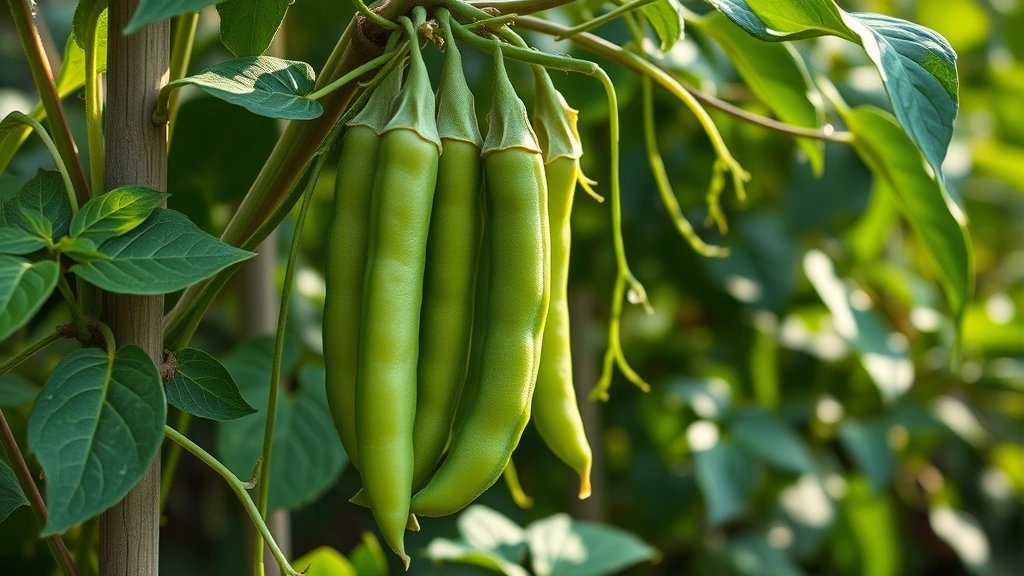
Growing beans is one of the most rewarding experiences for both novice and seasoned gardeners. Whether you’re planting your first vegetable garden or expanding an existing one, beans offer quick results, impressive yields, and minimal fuss. These nitrogen-fixing legumes not only provide delicious harvests but also improve your soil naturally, making them an excellent choice for sustainable gardening practices.
Bean plants are incredibly forgiving and adaptable, thriving in various climates and soil conditions. From bush varieties that produce in compact spaces to climbing pole beans that add vertical interest to your garden, there’s a bean type perfect for every gardener’s needs and available space. In this comprehensive guide, we’ll explore everything you need to know to grow beans like a professional, from selecting the right varieties to harvesting your abundant crop.
Choosing the Right Bean Varieties
Selecting the appropriate bean varieties is the foundation of a successful harvest. Understanding the differences between bush beans, pole beans, and specialty varieties helps you make informed decisions based on your garden’s layout and personal preferences.
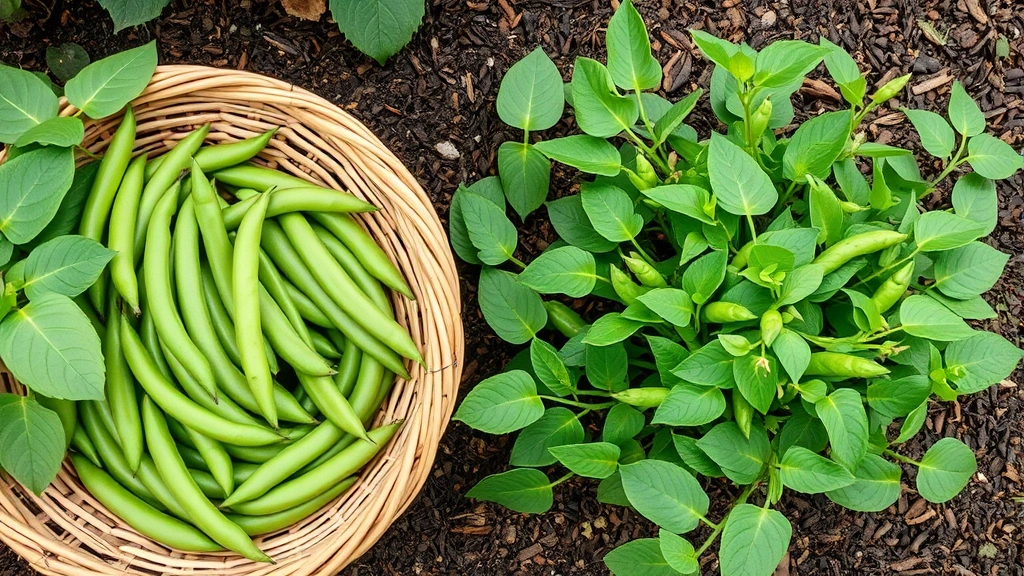
Bush Beans are compact, typically reaching 12-24 inches in height, making them perfect for small spaces, containers, and raised bed gardening. They produce their entire crop within a concentrated timeframe, usually 4-6 weeks, which is ideal if you prefer simultaneous harvesting for canning or freezing. Popular bush varieties include ‘Blue Lake,’ ‘Kentucky Wonder Bush,’ and ‘Contender.’ These varieties mature quickly and require minimal support infrastructure.
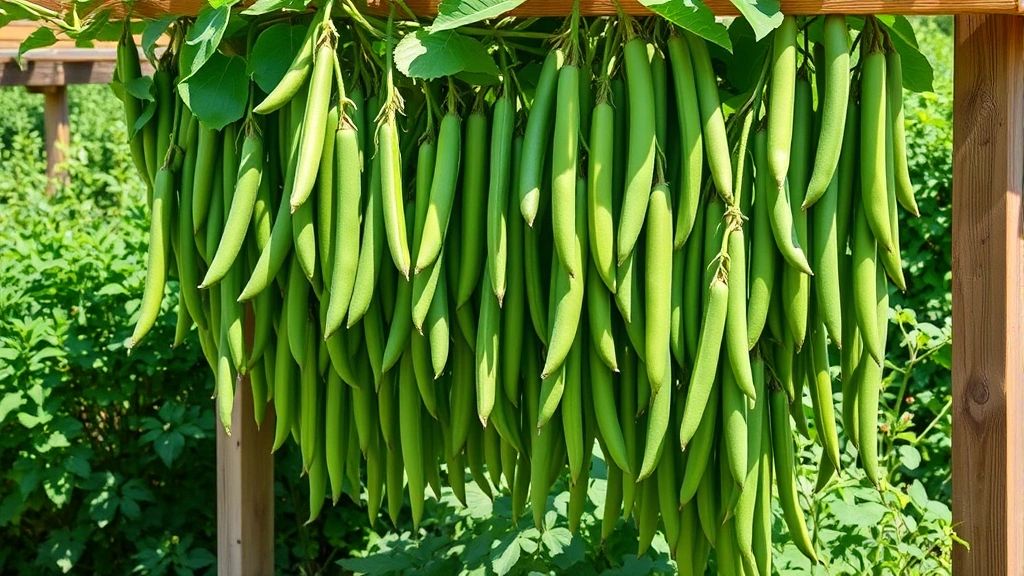
Pole Beans are climbing varieties that can reach 6-10 feet tall, requiring trellises, stakes, or poles for support. They produce continuously throughout the growing season, extending your harvest window significantly. Varieties like ‘Scarlet Runner,’ ‘Yard Long,’ and ‘Asparagus’ beans offer extended production periods. Pole beans are excellent space-savers for vertical gardening and create beautiful garden structures while producing generous yields.
Specialty Beans include heirloom varieties, dried beans, and unique cultivars with distinctive flavors and appearances. Easy to grow vegetables for beginners often include varieties like ‘Black Turtle,’ ‘Cranberry,’ and ‘Cannellini’ beans. These specialty options add diversity to your garden and kitchen, offering unique culinary possibilities beyond standard green beans.
Preparing Your Garden Space
Bean plants thrive in locations receiving at least six to eight hours of direct sunlight daily. Choose a spot that provides adequate light while considering afternoon shade in extremely hot climates, which helps prevent heat stress during peak summer months.
Space planning is crucial for bean success. Bush beans need approximately 4-6 inches between plants, while pole beans require 6-8 inches of spacing along their support structures. Adequate spacing ensures proper air circulation, reducing fungal diseases and promoting healthy foliage development. Consider the mature size of your chosen varieties when planning your layout.
If you’re just starting your gardening journey, consult our gardening tips for beginners guide for foundational knowledge. For those using raised beds, beans are excellent candidates for this growing method, offering the advantages of improved drainage and easier harvesting.
Soil Requirements and Preparation
Bean plants prefer well-draining soil with a pH between 6.0 and 7.0. Unlike many vegetables, beans don’t require excessive nitrogen because they’re nitrogen-fixing legumes that form symbiotic relationships with beneficial soil bacteria. This characteristic makes beans perfect for improving soil health in subsequent seasons.
Preparing garden soil for a thriving garden involves incorporating 2-3 inches of compost or well-aged manure into your planting beds. This organic matter improves soil structure, water retention, and microbial activity. Avoid adding excessive nitrogen fertilizers, which encourage leafy growth at the expense of bean production.
Test your soil before planting to determine nutrient levels and pH. Most extension services offer affordable soil testing services that provide specific recommendations for your bean-growing region. If your soil is compacted, work in perlite or coarse sand to improve drainage, as beans are susceptible to root rot in waterlogged conditions.
For raised bed gardening, create a mixture of 60% topsoil, 30% compost, and 10% perlite or coarse sand. This combination provides excellent drainage while maintaining adequate moisture and nutrients for optimal bean growth.
Planting Your Beans
Timing is critical for bean planting success. Beans are warm-season crops that require soil temperatures of at least 60°F, with optimal germination occurring at 70°F or higher. Plant beans after the last spring frost date when soil has warmed adequately. In most regions, this means planting in late April through early June.
For continuous harvests, practice succession planting by sowing new bean crops every two to three weeks until eight weeks before your first expected fall frost. This strategy ensures a steady supply of fresh beans throughout the growing season rather than one concentrated harvest.
Direct sow beans into prepared garden beds, spacing them according to variety requirements. Plant seeds 1 inch deep, placing them at appropriate intervals. Bush beans can be planted in rows 18-24 inches apart, while pole beans should be planted along their support structures. Water gently after planting to settle the soil without creating crusts that inhibit germination.
Bean seeds don’t require pre-soaking in most conditions, though overnight soaking can accelerate germination in dry climates. Germination typically occurs within 7-10 days under favorable conditions. Once seedlings emerge with their first true leaves, thin them to proper spacing if necessary.
Watering and Maintenance
Consistent moisture is essential for healthy bean development, particularly during flowering and pod formation. Water deeply and regularly, providing approximately 1-1.5 inches of water weekly through rainfall or irrigation. Early morning watering reduces disease pressure by allowing foliage to dry quickly.
Avoid overhead watering when possible, as wet foliage creates conditions favoring fungal diseases. Use drip irrigation or soaker hoses positioned at soil level for optimal results. During hot spells, beans may require more frequent watering to maintain consistent soil moisture.
Mulching around bean plants provides numerous benefits, including moisture retention, temperature regulation, and weed suppression. Apply 2-3 inches of organic mulch, such as straw or shredded leaves, keeping it several inches away from plant stems to prevent rot and pest harboring.
Support structures for pole beans should be installed at planting time to avoid damaging roots later. Use sturdy stakes, trellises, or teepees constructed from bamboo, wood, or metal. As plants grow, gently guide vines toward their support structures. Pole beans naturally climb and twine around supports, requiring minimal training once properly directed.
Fertilizing is generally unnecessary for beans due to their nitrogen-fixing abilities. However, if plants show signs of nutrient deficiency, apply a balanced, low-nitrogen fertilizer such as 5-10-10. Excessive nitrogen promotes leafy growth at the expense of flowering and pod production.
Managing Pests and Diseases
Bean beetles are the most common pest affecting bean crops. These yellow and black striped insects and their orange larvae can rapidly defoliate plants. Monitor plants regularly and handpick beetles, crushing egg clusters found on leaf undersides. For severe infestations, apply neem oil or spinosad according to label directions.
Aphids, spider mites, and whiteflies occasionally trouble bean plants, particularly during hot, dry periods. Increase watering frequency to improve plant vigor and reduce pest pressure. Strong water sprays can dislodge many soft-bodied insects. Insecticidal soap provides effective control for persistent infestations.
Powdery mildew appears as white coating on leaves during warm, dry conditions. Improve air circulation through proper spacing and pruning lower foliage. Sulfur-based fungicides provide effective control if mildew develops. Avoid overhead watering to reduce humidity that favors fungal growth.
Rust and anthracnose are fungal diseases that cause spotting and discoloration on leaves and pods. Remove affected foliage promptly and avoid handling wet plants, which spreads spores. Choose disease-resistant varieties when available, indicated by letters following variety names, such as ‘V’ for Verticillium wilt resistance or ‘N’ for Nematode resistance.
Root rot occurs in poorly draining soil or with overwatering. Ensure proper drainage, avoid planting beans in the same location annually, and practice crop rotation by planting beans in different areas each season. This rotation also reduces soil-borne pest and disease populations.
Harvesting and Storage
Harvest snap beans when pods are firm, bright green, and before seeds bulge noticeably inside. Regular harvesting encourages continued production throughout the season. Pick beans early in the morning when pods are crisp and full of moisture. Harvest every 2-3 days for optimal tenderness and to prevent mature pods from signaling the plant to stop flowering.
Grasp the plant stem with one hand while picking with the other to avoid accidentally breaking branches. Gentle handling prevents damage that can stress plants and reduce subsequent yields.
For dried beans, allow pods to mature completely on the plant until they’re brown and papery. Harvest entire plants when most pods have dried, then hang them in a warm, dry location for additional curing. Shell beans by hand or use a mechanical bean thresher for large quantities. Store dried beans in airtight containers in cool, dry conditions for up to one year.
Fresh beans store in refrigerator crisper drawers for 5-7 days. For longer storage, blanch beans for 3 minutes in boiling water, cool rapidly in ice water, then freeze in airtight containers for up to eight months. Alternatively, pressure can beans according to USDA guidelines for shelf-stable preservation.
If you’re interested in preserving your harvest, explore seed saving and propagation techniques to ensure future bean crops from your best-performing plants.
FAQ
When should I plant beans in my region?
Plant beans after your region’s last spring frost date when soil temperature reaches at least 60°F, ideally 70°F or warmer. Check your local USDA Plant Hardiness Zone map to determine your frost dates. Most gardeners plant beans in late April through June, with succession plantings every 2-3 weeks for continuous harvests.
Can I grow beans in containers?
Yes, bush beans thrive in containers with at least 10-12 inches of depth and adequate drainage holes. Use quality potting soil, water consistently, and provide 6-8 hours of direct sunlight daily. Pole beans can also be container-grown using large pots (5-gallon minimum) with sturdy support structures. Container-grown beans may require more frequent watering than in-ground plants.
Why are my bean plants flowering but not producing pods?
Non-flowering or non-fruiting beans typically result from excessive nitrogen, inconsistent watering, or insufficient light. Reduce nitrogen fertilization, ensure 6-8 hours of daily sunlight, and maintain consistent soil moisture. Heat stress during extreme temperatures can also reduce pod set; provide afternoon shade in very hot climates.
How long does it take beans to produce?
Bush beans typically produce within 50-60 days from planting, with harvests concentrated over 3-4 weeks. Pole beans require 55-70 days to first harvest but continue producing until frost, often for 2-3 months. Dried beans require 70-100 days to full maturity depending on variety.
What’s the best way to support pole beans?
Install support structures at planting time using sturdy stakes, bamboo poles, wooden trellises, or metal frames. Teepee structures work well for concentrated plantings, while straight trellises are ideal for row plantings. Support structures should reach 6-10 feet tall depending on variety. Guide young vines toward supports, and they’ll naturally climb as they mature.
Can I plant beans every year in the same location?
While beans improve soil nitrogen, it’s best to practice crop rotation by planting beans in different garden areas annually. Rotation reduces soil-borne disease and pest populations. If space is limited, plant beans in the same location only every 3-4 years, or use disease-resistant varieties and practice careful sanitation.
How do I know when beans are ready to harvest?
Snap beans are ready when pods are firm, bright green, and seeds haven’t bulged significantly inside. Test by bending a pod gently—it should snap cleanly. For dried beans, harvest when pods are brown and papery, and seeds rattle inside when shaken. Regular harvesting encourages continued production throughout the season.
What should I do with my bean plants after harvest?
Leave bean plants in the soil after harvest ends, or cut them at soil level and leave roots in place. The root nodules containing nitrogen-fixing bacteria will decompose, enriching your soil for next season. This natural nitrogen contribution makes beans excellent rotational crops for improving soil fertility without synthetic inputs.


