Flexzilla Garden Hose Review: Expert Insights for Every Gardener
When it comes to watering your garden efficiently, the right hose makes all the difference between a thriving landscape and frustrating maintenance headaches. The Flexzilla garden hose has gained considerable attention in the gardening community for its innovative design and practical features. Whether you’re starting your gardening journey or maintaining an established landscape, understanding this hose’s capabilities helps you make an informed purchasing decision.
After extensive research and gardener feedback, we’ve compiled comprehensive insights about the Flexzilla brand and what sets it apart in the crowded garden hose market. This review examines durability, functionality, seasonal performance, and real-world applications for different gardening scenarios. From small container gardens to large vegetable plots, we’ll help you determine whether this hose deserves a spot in your gardening arsenal.
What Makes Flexzilla Stand Out
The Flexzilla garden hose represents a significant advancement in hose technology, combining flexibility with durability in ways traditional rubber hoses cannot match. The core innovation lies in its hybrid polymer construction, which eliminates the brittleness commonly associated with standard vinyl hoses while maintaining the lightweight characteristics gardeners appreciate.
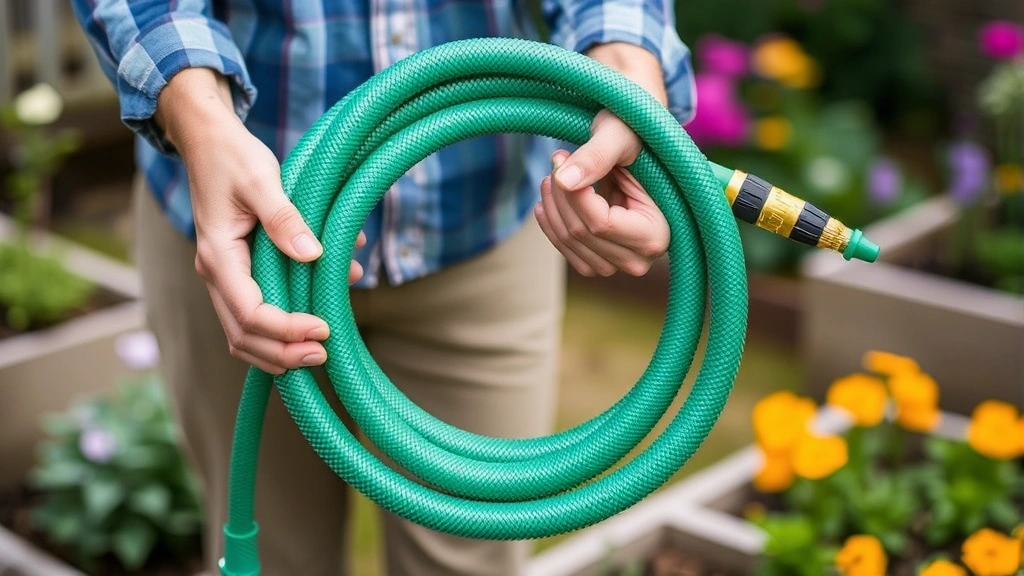
Unlike traditional rubber hoses that become stiff and unmanageable in cold weather, the Flexzilla remains pliable year-round. This flexibility translates to easier storage, simpler coiling, and reduced strain on your hands during extended watering sessions. The hose won’t kink as readily when dragged around corners or wrapped around trees, a feature that raised bed gardeners particularly appreciate when navigating around multiple beds.
Flexzilla hoses come in various lengths ranging from 25 to 100 feet, accommodating everything from small urban balcony gardens to sprawling suburban landscapes. The color-coded sizing system helps gardeners quickly identify their hose length without extensive searching through storage areas. Most models feature integrated or swivel connectors that reduce the likelihood of leaks at connection points, a common failure area in standard hoses.
Design and Construction Quality
The engineering behind Flexzilla hoses demonstrates thoughtful consideration for gardener needs. The outer jacket utilizes a lightweight polymer blend that resists UV degradation better than conventional vinyl alternatives. This means your hose won’t become brittle and cracked after prolonged sun exposure, extending its functional lifespan significantly.
The inner tube construction uses a specialized polymer that maintains flexibility across temperature ranges from freezing conditions to intense summer heat. When you’re preparing garden soil in spring or maintaining plants through summer droughts, you need equipment that adapts to changing conditions. Flexzilla’s temperature resilience ensures consistent performance regardless of seasonal variations.
Water pressure handling represents another crucial design element. Most Flexzilla hoses are rated for 9 bar (130 PSI) maximum pressure, which accommodates standard residential water pressure without concern. The reinforced construction prevents bulging or deformation even under consistent pressure, maintaining the hose’s structural integrity throughout its lifespan.
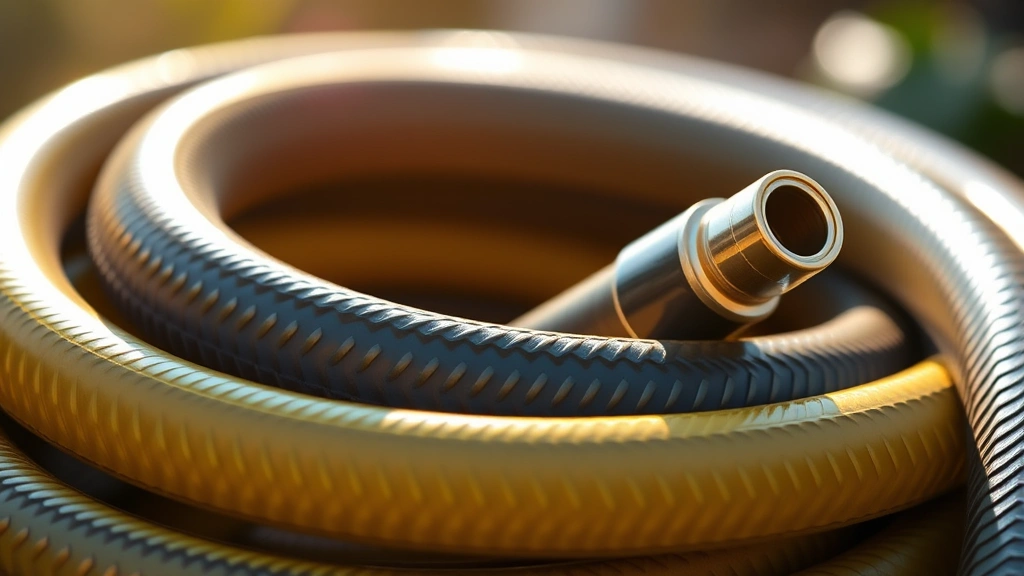
The connector design deserves particular attention. Unlike basic push-fit connectors, premium Flexzilla models feature brass fittings with swivel connections. These swivel fittings prevent the hose from twisting as you work, reducing fatigue and improving your overall gardening experience. The 3/4-inch diameter standard matches most residential water outlets and spray nozzles, ensuring compatibility with your existing equipment.
Performance Across Seasons
Seasonal performance variations significantly impact hose utility throughout the year. Spring gardening often involves intensive watering as plants emerge and establish themselves. Flexzilla hoses maintain their flexibility during spring’s temperature fluctuations, preventing the common problem of hoses becoming stiff and difficult to maneuver during critical growing periods.
Summer performance is where traditional hoses often disappoint. Extended sun exposure and heat can degrade vinyl and rubber compounds, causing cracks and reducing flexibility. Flexzilla’s UV-resistant outer jacket and polymer blend maintain performance even during intense summer heat and constant sun exposure. Gardeners working with easy-to-grow vegetables that require frequent watering appreciate this consistency throughout hot months.
Fall and winter present different challenges. As temperatures drop, traditional rubber hoses become increasingly stiff and difficult to coil or store. Flexzilla maintains its pliability in cold weather, making autumn cleanup and winter storage significantly easier. If you’re in regions with freeze-thaw cycles, the hose’s ability to remain flexible prevents the cracking and splitting that compromises traditional hoses during these temperature swings.
Water temperature also matters. Cold water from early morning watering sessions won’t stiffen a Flexzilla hose as it would with conventional models. This becomes particularly important when establishing new plantings that benefit from consistent early-morning irrigation before summer heat intensifies.
Practical Garden Applications
Different gardening scenarios benefit from specific hose characteristics, and Flexzilla’s versatility makes it suitable for diverse applications. For container gardening on patios and balconies, the lightweight construction and resistance to kinking make Flexzilla an excellent choice. The hose won’t damage delicate plants as it’s pulled across garden surfaces, and its flexibility allows easy navigation around numerous containers.
Vegetable garden watering demands consistent, reliable performance. When irrigating vegetables for beginners, you need a hose that won’t kink at critical irrigation times. Flexzilla’s design prevents the frustrating situation where kinks restrict water flow precisely when your plants need hydration most. The hose’s flexibility also makes it easier to direct water precisely to plant bases rather than wasting water on surrounding soil.
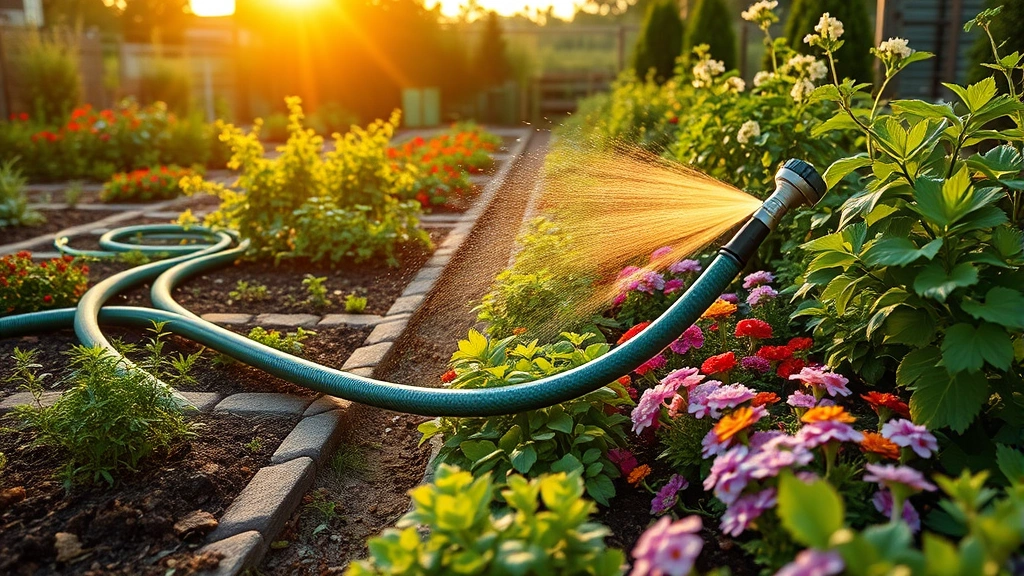
Landscape maintenance around shrubs, trees, and flower beds requires a hose that maneuvers easily through tight spaces. Flexzilla’s superior flexibility compared to traditional rubber hoses makes it ideal for these applications. You can navigate around obstacles without the hose becoming stuck or requiring excessive force to reposition.
For gardeners interested in propagating plants, gentle water delivery is essential. Flexzilla hoses work well with adjustable spray nozzles that deliver fine mist for tender seedlings and young propagations. The consistent water pressure and reliable connector systems ensure that delicate watering schedules aren’t interrupted by equipment failures.
Gardeners working with native plants often appreciate hoses that can deliver water precisely where needed, minimizing waste in water-conscious landscapes. Flexzilla’s design facilitates controlled watering that supports sustainable gardening practices.
Durability and Longevity
Long-term durability represents one of Flexzilla’s strongest selling points. While standard vinyl hoses typically last 3-5 years before developing cracks and leaks, Flexzilla hoses regularly exceed 10 years of reliable service. This extended lifespan justifies the higher initial investment compared to budget alternatives.
The hybrid polymer construction resists the degradation processes that compromise conventional hoses. UV exposure, temperature cycling, chemical exposure from fertilizers and pesticides, and simple age-related compound breakdown all occur more slowly in Flexzilla materials. This resistance means your hose maintains functionality and flexibility well beyond what traditional options provide.
Real-world reports from long-term users consistently mention that Flexzilla hoses retain their properties after 5-7 years of regular use. While they may eventually develop minor leaks or slight performance degradation, the timeline significantly exceeds typical garden hose lifespans. This durability reduces the environmental impact of frequent equipment replacement while providing better long-term value.
The reinforced construction also prevents punctures and abrasions that prematurely end traditional hoses. Flexzilla hoses can withstand contact with rough surfaces, stone edges, and garden tool contact without developing the splits and tears that compromise standard models. If you have a rocky garden landscape or frequent foot traffic across hose pathways, this puncture resistance becomes especially valuable.
Comparison with Competitors
The garden hose market includes numerous brands claiming superior performance. Compared to standard vinyl hoses, Flexzilla offers dramatically better flexibility, durability, and temperature resilience. Most budget vinyl alternatives cost less initially but require replacement within 3-4 years, making the total cost of ownership comparable or higher than investing in a quality Flexzilla hose.
When compared to other premium hose brands, Flexzilla maintains competitive pricing while offering comparable or superior performance. Brands like Gilmour and Craftsman offer quality alternatives, but gardeners consistently report that Flexzilla’s flexibility and kink-resistance exceed these competitors. The lightweight construction also makes Flexzilla easier to handle than some heavier-gauge competitive models.
Traditional rubber hoses represent an older technology that, while durable, suffer from inflexibility in cold weather and susceptibility to cracking. Rubber hoses also typically weigh more, creating fatigue during extended watering sessions. Flexzilla’s polymer construction addresses these shortcomings while maintaining the durability advantages of rubber alternatives.
Expandable hoses offer compact storage but typically sacrifice water pressure handling capability and durability. These hoses work adequately for light watering tasks but struggle with sustained heavy-duty use. Flexzilla provides a superior middle ground—reasonable storage characteristics combined with full-pressure capability and extended durability.
Maintenance and Care Tips
Proper maintenance extends Flexzilla hose lifespan and ensures consistent performance. After each use, drain the hose completely by holding it vertically and allowing water to flow out. This simple practice prevents stagnant water from developing algae or bacteria within the hose interior, maintaining water quality and preventing odors.
Store your Flexzilla hose in a shaded location during off-seasons. While the UV-resistant jacket provides substantial protection, storing in shade further extends the hose’s lifespan. A hose reel or storage container protects the hose from ground contact that can cause abrasion and damage. Avoid storing in direct sunlight for extended periods, particularly during winter when you may not be using the hose regularly.
Inspect your hose periodically for damage, leaks, or connector issues. Early detection of minor problems prevents them from worsening into complete hose failure. If you notice water spraying from a connector, tightening the connection often resolves the issue. For persistent leaks, connector replacement kits are readily available and easy to install.
Clean the exterior occasionally, particularly if your hose contacts soil or fertilizer residue. A simple rinse with clean water removes accumulated debris. For stubborn dirt, a soft brush and mild soap work well without damaging the hose material. Avoid harsh chemicals or abrasive scrubbing that could compromise the outer jacket.
Winterization becomes important in regions experiencing freezing temperatures. Ensure your hose is completely drained before winter arrives. Any water remaining inside can freeze, potentially damaging the hose structure or valves. Coil the hose loosely rather than tightly wrapping it, which can cause kinks that persist when the hose warms up.
Check your water pressure periodically. If your hose begins losing water pressure or showing signs of internal blockage, flushing the hose with clean water sometimes resolves the issue. Mineral deposits from hard water can accumulate inside the hose, restricting flow. A thorough flushing, particularly at the beginning of the season, maintains optimal water delivery.
FAQ
What sizes does Flexzilla offer?
Flexzilla manufactures hoses in 25, 50, 75, and 100-foot lengths, accommodating gardens of various sizes. The 50-foot length represents the most popular choice for typical residential gardens, providing adequate reach for most applications while remaining manageable for storage and handling.
Is Flexzilla compatible with standard spray nozzles?
Yes, Flexzilla hoses feature standard 3/4-inch connectors that work with virtually all residential spray nozzles, sprinklers, and watering attachments. The female connection end accepts standard male-threaded nozzles without adapters or modifications.
Can I use Flexzilla for hot water applications?
While Flexzilla handles moderate temperature variation well, it’s designed primarily for cold and ambient temperature water. Using the hose with hot water from heated sources isn’t recommended and may compromise the polymer materials. Stick to standard garden watering temperatures.
How much does a Flexzilla hose cost?
Pricing varies by length and specific model, but expect to invest $30-$60 for a 50-foot Flexzilla hose. Premium models with enhanced features or longer lengths cost more, but the durability justifies the investment compared to replacing cheaper alternatives every few years.
Does Flexzilla offer any warranty?
Most Flexzilla hoses include a limited lifetime warranty against manufacturing defects. Check your specific product documentation for warranty details and coverage conditions. This warranty provides additional confidence in the product’s quality and the manufacturer’s commitment to customer satisfaction.
Can I repair a Flexzilla hose if it develops a leak?
Minor leaks at connectors often resolve through tightening. For leaks in the hose body, repair kits with patches or splices are available, though replacement hose sections work best for maintaining water pressure and reliability. For significant damage, replacement proves more cost-effective than extensive repairs.