Top Plants for Small Gardens? Expert Picks for Maximizing Your Space
Small garden spaces don’t mean you have to sacrifice beauty, productivity, or variety. Whether you’re working with a compact urban balcony, a narrow side yard, or a cozy cottage plot, strategic plant selection can transform even the tiniest outdoor area into a thriving green oasis. The key lies in choosing plants that deliver maximum impact while respecting spatial limitations.
As a gardening enthusiast who has worked with countless small-space gardeners, I’ve discovered that the most successful compact gardens share one common trait: they’re planted with intention. Every plant serves a purpose, whether that’s providing food, adding visual interest, attracting pollinators, or creating a peaceful retreat. This guide shares expert-tested recommendations for plants that thrive in small gardens and help you make the most of every square foot.
Vertical Growing Solutions for Limited Space
When square footage is precious, growing upward becomes your secret weapon. Vertical gardening transforms walls, fences, and trellises into productive plant surfaces. This approach not only maximizes your growing area but also creates visual interest and improves air circulation around your plants.
Climbing vegetables and fruits are ideal for vertical systems. Pole beans, peas, cucumbers, and squash varieties naturally climb and produce abundantly when given proper support structures. Unlike their sprawling cousins, these varieties require minimal ground space while yielding impressive harvests. Install sturdy trellises, arbors, or wall-mounted systems before planting to ensure adequate support as plants mature.
Vining flowers like clematis, morning glories, and sweet peas add romantic charm while occupying minimal footprint. These climbers work beautifully on pergolas, archways, or simple string systems. For year-round interest, combine deciduous flowering vines with evergreen climbing ivy varieties.
Living walls and wall planters represent the ultimate vertical solution for small spaces. These systems allow you to grow herbs, trailing succulents, sedums, and shade-tolerant foliage plants directly on walls. Before installing, consider your wall’s exposure—south-facing walls receive intense heat, while north-facing surfaces stay cool and moist. Choose plants accordingly and ensure your mounting system can support the weight of soil and water.
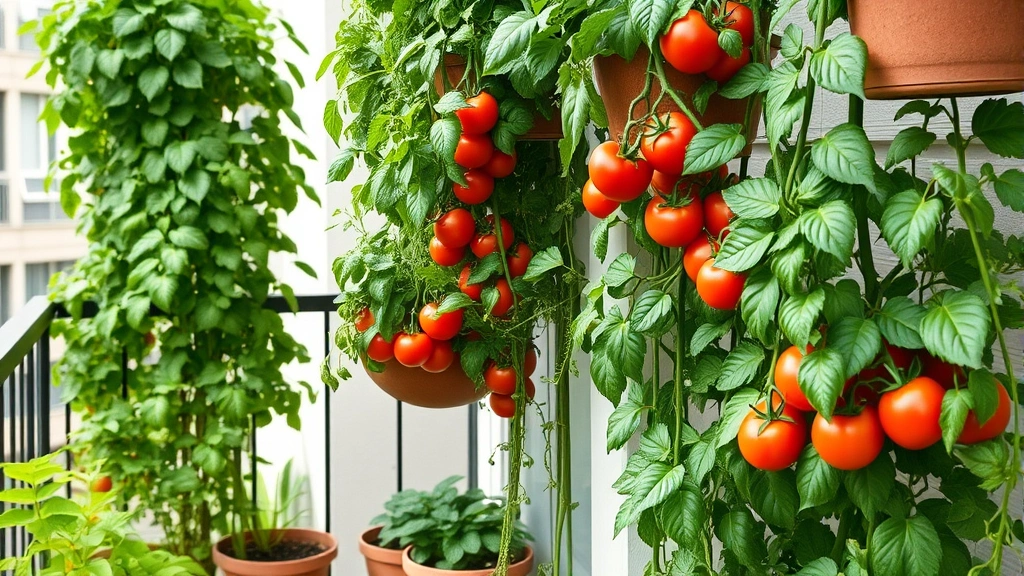
Hanging baskets and suspended planters free up ground space while adding dimensional layering to your garden. Trailing varieties like sweet potato vine, creeping jenny, and verbena cascade beautifully from overhead positions. This technique works exceptionally well for easy to grow vegetables for beginners such as compact tomato varieties and lettuce.
Best Compact Vegetables for Small Gardens
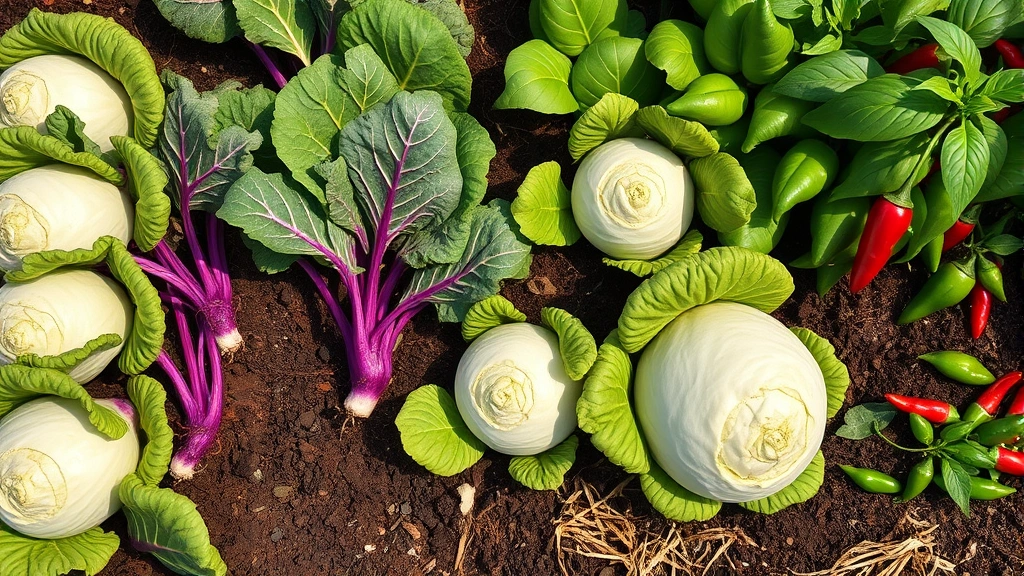
Productive vegetable gardening in small spaces requires selecting varieties bred for compact growth. Seed catalogs increasingly offer dwarf and patio varieties specifically designed for containers and limited areas.
Tomatoes deserve top billing for small-space productivity. Determinate or bush varieties like ‘Patio’, ‘Tiny Tim’, and ‘Micro Tom’ reach only 12-24 inches tall yet produce full-sized flavor. Cherry tomato varieties naturally compact and prolific. These plants thrive in containers, hanging baskets, or along trellises. Provide consistent moisture, rich soil, and 6-8 hours of direct sunlight daily.
Peppers compact beautifully and produce prolifically in small gardens. Both sweet and hot varieties offer ornamental appeal alongside culinary value. Plants remain productive for months with minimal pruning. They appreciate warm conditions and well-draining soil amended with compost.
Lettuce and leafy greens represent the ultimate small-space vegetables. These shallow-rooted crops thrive in containers, window boxes, and raised beds. Cut-and-come-again varieties like ‘Salad Bowl’ and ‘Oak Leaf’ provide continuous harvests without replanting. Succession planting every two weeks ensures year-round supply. For shade tolerance and cool-season productivity, consider kale, spinach, and chard.
Radishes and microgreens mature rapidly in confined spaces. These quick crops perfect the small-garden workflow—plant, harvest, replant. Radishes ready in 25-30 days, while microgreens harvest in 10-14 days. Layer these speedy crops between slower-growing plants for maximum productivity.
Bush beans produce prolifically without requiring trellising support. These compact plants fit easily between other garden elements. Plant every 2-3 weeks for continuous harvests throughout warm months. They’re excellent for how to prepare garden soil for a thriving garden because they fix nitrogen, naturally enriching soil.
When starting your vegetable garden, reference gardening tips for beginners to establish proper fundamentals. Vertical systems and the advantages of raised bed gardening both offer excellent solutions for compact vegetable production.
Ornamental Plants That Maximize Visual Impact
Small gardens benefit tremendously from carefully selected ornamental plants that provide extended visual interest through foliage, flowers, and form. Multi-season performers deliver year-round appeal without demanding excessive space.
Dwarf conifers provide architectural structure and year-round color. Varieties like ‘Emerald Green’ arborvitae, dwarf Alberta spruce, and false cypress cultivars reach modest heights while offering vertical emphasis. Their evergreen foliage ensures winter interest when deciduous plants rest. Combine cool-toned blue spruce varieties with warm golden varieties for dynamic contrast.
Ornamental grasses add movement, texture, and seasonal color to small spaces. Compact varieties like ‘Karl Foerster’ feather reed grass, Japanese forest grass, and sedges remain proportionate to small gardens. These plants tolerate diverse conditions and require minimal maintenance once established. Their dried seed heads provide winter structure and wildlife habitat.
Flowering shrubs deliver reliable blooms and structural form. Compact varieties like dwarf lilacs, dwarf butterfly bush, and weigela offer abundant flowers in compact packages. Choose varieties with extended bloom times or combine early, mid, and late-season bloomers for continuous flowers. Many flowering shrubs also attract pollinators, supporting local ecosystems.
Perennial flowers provide reliable annual blooms without replanting. Compact cultivars like ‘Stella de Oro’ daylilies, ‘Moonbeam’ coreopsis, and dwarf rudbeckia deliver generous flowers on modest plants. Layering plants by height creates visual depth in small spaces. Combine tall background plants with mid-size middle layers and low-growing edging plants.
Foliage plants often deliver more consistent visual interest than flowers alone. Hostas offer diverse leaf colors and patterns in shade conditions. Heuchera varieties provide burgundy, purple, and gold foliage. Sedums contribute succulent texture and color-changing appeal. These plants reduce maintenance while maximizing aesthetic impact.
Herbs for Culinary and Medicinal Use
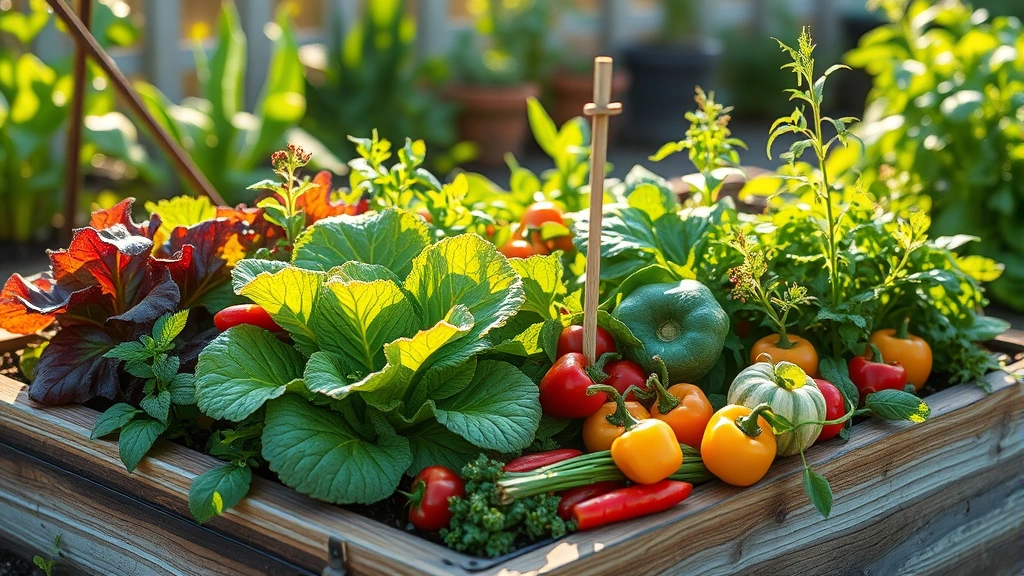
Herbs represent the ultimate small-space crop—they’re productive, aromatic, and useful. Compact herb varieties thrive in containers, raised beds, and garden edges, providing fresh ingredients steps from your kitchen.
Culinary herbs offer immediate practical value. Basil, parsley, chives, and oregano reach modest sizes while providing abundant harvests. These sun-loving plants appreciate 6+ hours of direct light and well-draining soil. Pinching growing tips encourages bushier plants and prevents flowering, extending the productive season. For how to start a flower garden with edible flowers, include nasturtiums, calendula, and herb flowers like oregano blooms.
Perennial herbs provide years of productivity from minimal space. Thyme, sage, lavender, and marjoram return annually, requiring only light pruning and occasional division. These Mediterranean natives thrive in poor soil and dry conditions, making them ideal for neglected corners or areas where water conservation matters.
Shade-tolerant herbs expand your planting options. Mint, lemon balm, parsley, and cilantro tolerate partial shade, allowing herb production in challenging locations. Contain mint varieties in pots to prevent aggressive spreading. These cooling shade herbs provide useful harvests without competing for premium sunny real estate.
Medicinal herbs add functional value to small gardens. Chamomile, echinacea, sage, and thyme offer traditional medicinal properties. Growing these plants allows you to harvest fresh ingredients for teas and remedies. Ensure proper plant identification and research safe preparation methods before medicinal use.
Container Gardening Essentials
Containers transform small spaces into productive gardens. Pots, planters, and raised beds offer flexibility and control over growing conditions—essential for small-space success.
Container selection affects plant health and longevity. Choose containers with drainage holes to prevent waterlogging and root rot. Size matters: larger containers retain moisture better and support bigger plants, while small pots suit compact herbs and succulents. Material options include terracotta (breathable but heavy), plastic (lightweight and affordable), fabric (excellent drainage), and ceramic (decorative but fragile). For watering efficiency and best garden hose considerations, drip irrigation systems work exceptionally well with container gardens.
Soil preparation determines container garden success. Use quality potting mix rather than garden soil, which compacts in containers and restricts drainage. Potting mixes contain peat moss or coconut coir, perlite for drainage, and compost for nutrients. Mix in additional compost (25-30%) for heavy feeders like tomatoes and peppers. Refresh container soil annually or supplement with compost top-dressing.
Watering strategies require attention in containers. Pots dry faster than in-ground gardens, especially in heat or wind. Check soil moisture regularly—water when top inch feels dry. Mulching container surfaces reduces evaporation and maintains consistent moisture. Drip irrigation or soaker hoses eliminate guesswork and conserve water.
Fertilizing containers matters because regular watering leaches nutrients. Apply balanced fertilizer every 2-3 weeks during growing season, or use slow-release fertilizer at planting. Organic options like fish emulsion, seaweed extract, and compost tea support sustainable growing while building soil biology.
Seasonal Planting Strategies
Small gardens demand efficient seasonal planning. Succession planting and seasonal crop rotation maximize yields throughout the year while managing pest and disease pressure.
Spring planting focuses on cool-season crops and warm-season seed starting. Direct seed lettuce, peas, and radishes outdoors as soon as soil works. Start tomato, pepper, and herb seeds indoors 6-8 weeks before last frost. Transplant cool-season crops early, then follow with warm-season vegetables as temperatures rise.
Summer management emphasizes consistent watering and deadheading. Heat stresses plants; mulch heavily to moderate soil temperature and retain moisture. Deadhead spent flowers to encourage continuous blooming. Harvest vegetables regularly to encourage production. Afternoon shade cloth protects heat-sensitive crops like lettuce and spinach.
Fall planting extends the growing season. Direct seed cool-season crops 8-10 weeks before first frost. These hardy plants often taste sweeter after frost exposure. Reduce watering as temperatures cool and growth slows. Divide and transplant perennials in fall when cooler weather reduces transplant shock.
Winter care varies by climate. In cold regions, mulch perennials heavily and protect tender plants. In mild climates, grow cool-season crops throughout winter. Reduce watering on dormant plants. Use winter to plan next season’s garden and maintain tools and equipment.
Design Principles for Compact Spaces
Thoughtful design transforms small gardens from cramped spaces into intentional sanctuaries. Strategic planning maximizes both productivity and beauty.
Layering plants by height creates depth and visual interest. Position tall plants (shrubs, trellised vegetables) toward the back or north side. Place medium-height plants in the middle. Edge with low-growing plants, groundcovers, and edging flowers. This tiered approach prevents shading issues while creating sophisticated visual composition.
Color coordination influences garden perception. Monochromatic schemes (varying shades of single color) create calm, sophisticated spaces. Complementary colors (opposite on color wheel) generate energy and excitement. Pastels feel peaceful while bold colors energize. Consider foliage color alongside flowers—silver foliage brightens shaded areas, while dark foliage provides contrast.
Texture mixing adds visual richness. Combine fine-textured plants (ornamental grasses, fennel) with bold-textured plants (hostas, sedums). Smooth foliage contrasts beautifully with fuzzy or deeply cut leaves. Varied textures prevent monotony even with limited plant quantity.
Focal points anchor small gardens. A sculpture, water feature, bench, or specimen plant draws the eye and creates visual interest. Position focal points where they’re visible from main viewing angles. Well-placed focal points make small spaces feel intentional and designed.
Hardscaping integration balances planted areas. Pathways, patios, and seating areas provide function while defining space. Permeable materials like gravel or stepping stones minimize visual heaviness. Vertical structures like arbors and trellises frame views while maximizing planting space.
FAQ
What’s the best plant for a small balcony garden?
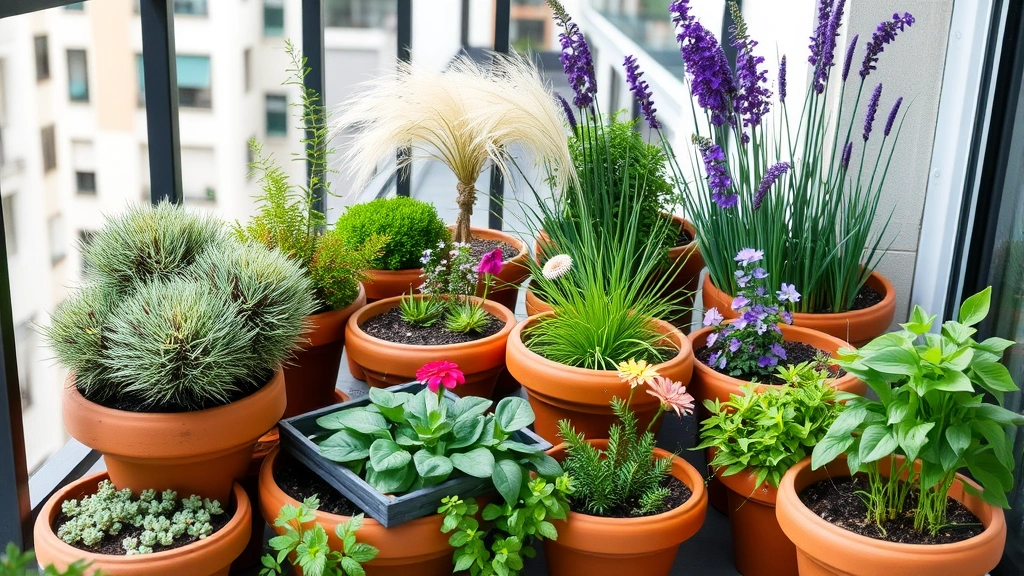
Container-grown herbs and compact vegetables excel on balconies. Tomatoes, peppers, basil, and lettuce thrive in pots and deliver practical harvests. Choose varieties specifically labeled as determinate or dwarf. Ensure your balcony receives adequate sunlight (6+ hours for vegetables, 3-4 hours minimum for shade-tolerant plants). Lightweight containers and self-watering systems work well in exposed balcony conditions.
How do I prevent my small garden from looking cluttered?
Restraint and intentionality prevent clutter. Choose a limited plant palette and repeat varieties throughout the space. Group plants in odd numbers (3 or 5) rather than scattering singles. Maintain consistent sight lines and unplanted breathing room. Regular maintenance—deadheading, pruning, and tidying—keeps gardens looking composed rather than chaotic.
Can I grow fruit trees in a small space?
Yes, dwarf and semi-dwarf fruit tree varieties fit small spaces beautifully. Columnar apple trees, patio peach trees, and compact citrus varieties remain manageable while producing genuine fruit harvests. Container cultivation offers even more flexibility. Espalier techniques train trees flat against walls, maximizing space efficiency while creating architectural interest.
What plants tolerate shade in small gardens?
Shade-tolerant options include hostas, hellebores, bleeding heart, ferns, liriope, and shade-tolerant herbs like mint and parsley. Evergreen groundcovers like vinca and ivy provide year-round coverage. Shade-tolerant vegetables include lettuce, spinach, kale, and peas. Foliage plants often perform better in shade than flowering plants, providing consistent visual interest.
How often should I water container plants?
Check soil moisture daily during growing season. Water when top inch of soil feels dry to touch. Container size, material, weather, and plant type all affect frequency. Smaller pots dry faster than large containers. Terracotta breathes and dries quickly; plastic retains moisture longer. In hot weather, daily watering may be necessary. Mulching container surfaces reduces watering frequency.
What’s the easiest small-space garden to maintain?
Perennial-focused gardens with established plants require minimal maintenance once mature. Combine drought-tolerant plants like sedums, ornamental grasses, and Mediterranean herbs. Mulch heavily to suppress weeds and retain moisture. Reduce watering needs with shade cloth and strategic plant placement. Avoid high-maintenance annuals requiring constant deadheading and fertilizing.