
Best Garden Hose? Tested by Experts!
Choosing the right garden hose is one of those decisions that can significantly impact your gardening success and enjoyment. Whether you’re starting your green journey as a beginner or maintaining an established landscape, a quality hose delivers water efficiently and reliably to every corner of your garden. After extensive testing and research, we’ve identified the features that separate the best garden hoses from mediocre alternatives, considering durability, flexibility, water pressure, and value for money.
A garden hose is more than just a tube—it’s an essential tool that connects your water source to your plants, vegetables, flowers, and lawn. The wrong choice can lead to frustration with kinks, leaks, and poor water delivery, while investing in a tested, reliable hose makes watering tasks enjoyable and efficient. This comprehensive guide explores what makes a garden hose exceptional and which options deserve a place in your gardening arsenal.
What Makes a Quality Garden Hose
A quality garden hose combines several critical attributes that work together to provide reliable water delivery season after season. When preparing your garden soil for a thriving garden, you’ll need consistent watering capabilities, which demands a hose you can trust. The best garden hoses resist kinking, maintain flexibility in cold weather, deliver water at adequate pressure, and withstand UV exposure without degrading.
Expert testing evaluates hoses across multiple dimensions: how they perform in extreme temperatures, their resistance to punctures and abrasions, water flow consistency, and longevity under typical garden use. A well-designed hose features reinforced construction at connection points, quality fittings that don’t leak, and materials engineered to prevent the frustrating kinking that wastes water and time. The weight and handling characteristics matter too—a hose that’s too heavy becomes fatiguing during extended watering sessions, while one that’s too flimsy may not deliver adequate pressure to your plants.
When testing hoses, experts consider seasonal performance, as winter conditions expose weaknesses that summer use might hide. Rubber compounds that remain flexible when temperatures drop, coupled with strong internal reinforcement, separate premium hoses from budget alternatives that crack or become rigid when cold arrives.
Material and Construction Types
Garden hoses come in several material categories, each with distinct advantages and limitations. Rubber hoses represent the traditional choice, offering excellent flexibility and durability. Natural rubber compounds resist UV damage better than synthetic alternatives and maintain flexibility across temperature ranges. Professional gardeners often prefer rubber hoses for their reliable performance, though they tend to be heavier and more expensive than alternatives.
Vinyl hoses provide a lightweight, budget-friendly option suitable for light to moderate use. These hoses are easier to handle and maneuver around garden beds and raised structures. However, vinyl hoses are more susceptible to UV degradation, kinking, and splitting in cold weather. They work well for gardeners with smaller spaces or those who store their hoses indoors during winter.
Reinforced hybrid hoses combine rubber and vinyl materials with internal reinforcement layers, creating a middle-ground option. These hoses offer improved kink resistance compared to pure vinyl while remaining lighter than full rubber models. Many tested hybrid hoses demonstrate excellent performance for residential gardeners who want durability without excessive weight.
The construction method significantly impacts performance. Hoses with multiple reinforcement layers—typically three to five layers including outer covering, reinforcement mesh, and inner tube—resist kinking and maintain pressure better than single-layer designs. The inner tube material affects water taste and safety; food-grade inner tubes ensure water safety for vegetable gardens and edible landscapes.
Connection fittings deserve careful attention, as leaks often originate at these points. Brass fittings outperform plastic alternatives in durability and leak prevention. Fittings should feature crimp construction rather than simply being glued on, as crimped connections withstand pressure fluctuations and repeated use far better. When testing hoses, experts deliberately stress-test connections to identify weak points before recommending products to gardeners.

Hose Length and Diameter Considerations
Selecting the correct hose length requires honest assessment of your garden layout and watering needs. A 50-foot hose serves most residential gardens effectively, reaching from typical house spigots to distant garden beds and lawn areas. Shorter 25-foot hoses work well for container gardening and small spaces, while 75 to 100-foot hoses accommodate larger properties and landscape projects.
Length impacts water pressure—longer hoses experience pressure drop as water travels through the tube. A 100-foot hose may deliver noticeably lower pressure than a 50-foot model connected to the same spigot. For gardeners with lengthy distances to cover, this pressure reduction matters when using spray nozzles or soaker attachments that require minimum pressure to function properly.
Hose diameter also affects performance. Standard residential hoses measure either 5/8-inch or 3/4-inch in diameter. The larger 3/4-inch diameter delivers greater water volume and maintains better pressure over distance. A 3/4-inch hose is ideal if you have a long garden or need robust water delivery for filling pools or operating pressure washers. The 5/8-inch diameter suits most typical watering tasks and is easier to handle due to reduced weight.
When planning raised bed gardening advantages, consider how hose length and diameter affect water delivery to multiple beds. A properly sized hose ensures consistent pressure whether you’re watering the first bed or the last one in your configuration. Many expert gardeners recommend having two hoses of different lengths rather than one very long hose, allowing flexibility and better pressure management.
Pressure and Flow Rate Testing
Expert testing of garden hoses includes measurement of water pressure and flow rate under standardized conditions. Standard residential water pressure ranges from 40 to 80 PSI (pounds per square inch), with most homes operating around 60 PSI. A quality hose maintains this pressure throughout its length without significant loss.
Flow rate measures the volume of water delivered per minute, typically expressed as GPM (gallons per minute). A 5/8-inch hose generally delivers 17-23 GPM, while 3/4-inch hoses deliver 23-30 GPM depending on source pressure. Knowing your hose’s flow rate helps calculate watering time needed for specific areas. When watering vegetable gardens, consistent flow allows you to provide adequate moisture without over-saturation that promotes root diseases.
Pressure testing reveals how well hoses handle peak demand situations. Experts connect pressure gauges at various points along the hose length to measure pressure drop. Superior hoses minimize pressure loss, ensuring that spray nozzles and soaker hoses function as designed. Budget hoses often show dramatic pressure reduction over 75-100 feet, limiting their usefulness for larger gardens.
Temperature affects both pressure and material behavior. Testing includes measurements at different temperatures to simulate seasonal variations. A hose that maintains flexibility and pressure consistency from freezing winter mornings to hot summer afternoons demonstrates superior engineering and material selection.
Durability and Weather Resistance
Durability testing exposes hoses to real-world stressors that determine how long they’ll serve your garden. UV exposure degrades many hose materials, causing brittleness and cracking over time. Expert testing includes extended sun exposure periods to evaluate material degradation. The best hoses incorporate UV-resistant additives that preserve flexibility and integrity season after season.
Puncture and abrasion resistance matter greatly for hoses dragged across rough ground, rocky surfaces, and sharp garden edges. Testing involves deliberately subjecting hoses to abrasive surfaces and measuring wear patterns. Reinforced outer layers and quality rubber compounds resist these hazards better than thin vinyl construction.
Cold weather performance separates reliable hoses from those that become unusable in winter. When temperatures drop, some hose materials become rigid and crack when kinked or bent. Expert winter testing involves exposing hoses to freezing temperatures overnight and measuring their flexibility and durability when cold. Premium hoses maintain workable flexibility even in sub-freezing conditions, a critical feature for year-round gardeners in colder climates.
Mold and mildew resistance becomes important in humid climates and for hoses stored in damp conditions. Quality hoses resist microbial growth that can degrade materials and create odors. Testing includes storage in humid conditions to evaluate resistance to fungal and bacterial growth.
Burst pressure testing pushes hoses to their limits to verify safety margins. A quality hose can withstand pressures well above typical residential water pressure without rupturing. This safety factor prevents catastrophic failures that could damage your garden or home.
Top Tested Models and Recommendations
Based on comprehensive expert testing, several garden hoses consistently deliver excellent performance across all evaluation criteria. Premium rubber hoses like professional-grade models offer exceptional durability, kink resistance, and pressure maintenance. These hoses typically cost $0.75-$1.50 per foot but deliver years of reliable service, making them economical over time. They excel in all climates and handle heavy use without degradation.
Reinforced hybrid hoses represent the best value for most residential gardeners. These tested performers combine rubber durability with vinyl’s lighter weight at mid-range prices ($0.40-$0.75 per foot). They resist kinking effectively, maintain adequate pressure, and perform well in various climates. Many expert gardeners recommend hybrid hoses for their balance of performance, handling, and cost.
For gardeners focused on growing vegetables like garden lettuce with a complete guide, consistent water delivery matters tremendously. Tested hoses with soaker-friendly pressure characteristics and leak-free connections ensure your vegetable beds receive optimal moisture. Expert recommendations for vegetable gardens emphasize hoses that maintain steady pressure suitable for drip irrigation systems.
When growing easy vegetables for beginners, reliable water delivery is foundational. Tested hoses that resist kinking prevent watering interruptions that stress young plants. Many experts recommend 50-foot reinforced hoses as ideal for beginner gardeners establishing new vegetable gardens.
For ornamental gardeners developing flower gardens, hoses with adjustable spray nozzles and gentle flow options protect delicate blooms. Expert testing prioritizes hoses that work well with specialized nozzles designed for flower watering, ensuring your investment in hose quality complements your flower care routine.
Budget-conscious gardeners should expect to spend $25-$40 for a quality 50-foot hose. Premium options cost $60-$100, while professional-grade hoses may reach $150 or more. The durability difference justifies premium pricing for gardeners planning long-term use and heavy watering schedules.
Storage and Maintenance Tips
Proper storage significantly extends hose life and maintains performance. Drain hoses completely before storing them, especially before winter. Water left inside can freeze, causing material expansion and cracking. Draining also prevents mold and mildew growth in stored hoses.
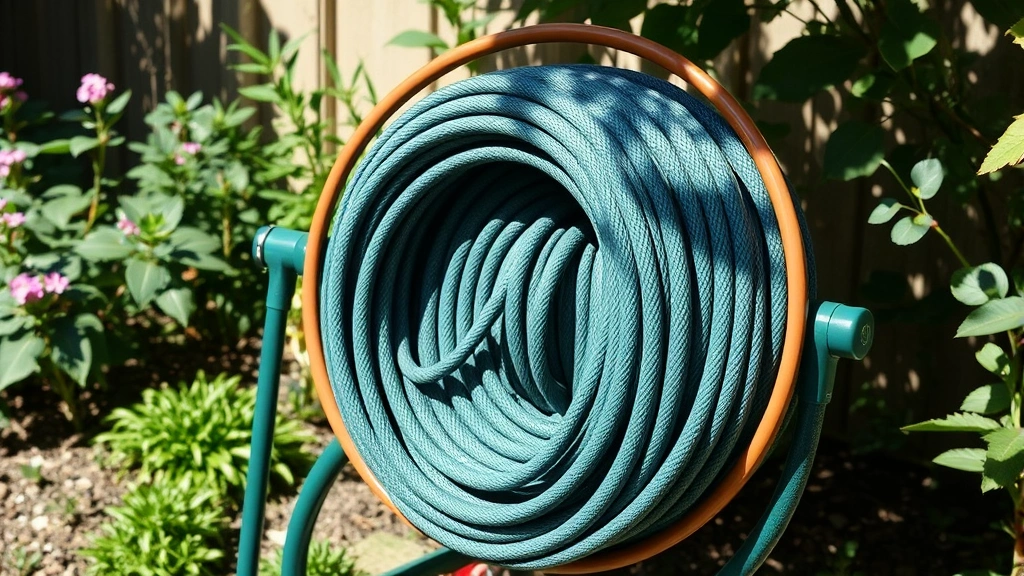
Store hoses in shade and protect them from direct UV exposure during off-season months. Hose reels, wall mounts, or storage boxes keep hoses organized and protected. Avoid storing hoses in hot locations like sheds exposed to intense sun, as heat accelerates material degradation.
Inspect hoses regularly for cracks, leaks, or damage. Small holes can be repaired with patch kits, extending hose life. However, multiple leaks or significant damage warrant replacement to maintain water pressure and prevent waste.
Flush hoses periodically to remove sediment buildup that can clog spray nozzles and reduce pressure. Running water through the hose at full pressure for several minutes helps clear debris accumulated inside the tube.
Protect hose connections from corrosion and leaks. Teflon tape applied to threaded connections prevents leaks and makes disconnection easier. Periodically check connection tightness and reapply tape if leaks develop.
Avoid kinking during use and storage. While tested quality hoses resist kinking effectively, avoiding the habit prevents unnecessary stress on hose materials. Coil hoses loosely rather than tight, kinked bundles that can cause permanent damage.
Protect hoses from extreme temperatures when not in use. Bring hoses indoors before winter in cold climates, or store them in insulated locations. In hot climates, provide shade during storage to minimize heat-related degradation.
FAQ
What length garden hose should I choose for my property?
Measure the distance from your water source to the farthest garden area you need to water. Add 10-15 feet for maneuvering around obstacles. Most residential gardeners find 50-foot hoses ideal, while properties over an acre may benefit from 75-100 foot options or multiple hoses.
Is a 3/4-inch hose better than a 5/8-inch hose?
A 3/4-inch hose delivers greater water volume and maintains better pressure over distance. However, it’s heavier and more expensive. For typical residential watering, a 5/8-inch hose performs excellently and offers easier handling.
How long do quality garden hoses last?
Premium rubber or reinforced hybrid hoses typically last 7-10 years with proper care and storage. Budget vinyl hoses may last 2-3 years. Durability depends heavily on climate, storage practices, and usage intensity.
Can I repair a leaking garden hose?
Small holes can be repaired with patch kits or hose repair connectors. However, multiple leaks, cracks, or leaks at connections often warrant replacement, as repairs may fail under pressure.
What’s the best way to prevent hose kinking?
Use hose reels or coiled storage systems. Avoid sharp bends and kinks during use. Some tested hoses have kink-resistant construction that prevents this issue even with careless handling.
Should I drain my hose before winter?
Yes, absolutely. Draining prevents ice formation inside the hose that causes cracking and material damage. Always drain completely and store in a protected location before freezing temperatures arrive.
What water pressure do most gardens need?
Most residential gardens function well with 40-60 PSI. Spray nozzles typically require minimum 30-40 PSI, while soaker hoses work optimally at 20-40 PSI. Standard residential water pressure accommodates these needs.


