Avant-Garde Fashion in Gardens? Designer Insights for Modern Gardening
When we think of avant-garde fashion, images of bold runway designs and experimental aesthetics come to mind. But what happens when that same innovative spirit meets the world of gardening? The intersection of high-fashion thinking and horticulture is creating an entirely new paradigm for how we approach garden design, plant selection, and outdoor spaces. Contemporary garden designers are drawing inspiration from fashion’s most daring movements, translating runway concepts into living, breathing landscapes that challenge conventional gardening wisdom.
This avant-garde approach to gardening goes far beyond traditional ornamental displays. It’s about reimagining the very structure and purpose of outdoor spaces, experimenting with unconventional plant combinations, and embracing asymmetry, bold color palettes, and theatrical presentation. Just as fashion designers push boundaries with unexpected fabric pairings and silhouettes, modern garden designers are mixing edible and ornamental plants in ways that would have seemed radical a decade ago, creating gardens that are simultaneously functional, beautiful, and conceptually provocative.
Whether you’re a seasoned gardener looking to refresh your outdoor aesthetic or someone curious about how cutting-edge design principles apply to plants and soil, understanding these avant-garde garden concepts can transform your growing space into something truly distinctive. Let’s explore how fashion-forward thinking is revolutionizing the way we garden.
The Philosophy Behind Fashion-Forward Gardening
At its core, avant-garde fashion represents a rejection of the status quo—a deliberate challenge to established norms and expectations. Designers like Rei Kawakubo and Vivienne Westwood built careers on questioning what clothing should be and how it should function. This same philosophical foundation is now being applied to garden design, with progressive horticulturists asking: What should a garden be? Who says plants must be arranged symmetrically? Why do we accept monoculture approaches when nature thrives on diversity?
The avant-garde garden philosophy embraces experimentation as a core value. Rather than consulting traditional garden design rules, avant-garde gardeners view their spaces as living laboratories where they can test ideas, observe outcomes, and iterate continuously. This mindset encourages gardeners to think of their plots as canvases for personal expression rather than spaces bound by conventional aesthetic rules.
Fashion designers often work with concepts of deconstruction—taking established forms apart and reassembling them in new ways. Similarly, avant-garde gardeners are deconstructing traditional garden structures. They’re questioning the purpose of flower beds, reimagining pathways as sculptural elements, and treating the entire garden as an integrated design system rather than a collection of separate plantings. This holistic, experimental approach creates gardens that feel fresh, surprising, and deeply personal.
Breaking Rules: Unconventional Plant Pairings
One of the most radical aspects of avant-garde garden design is the deliberate mixing of plants in ways that challenge horticultural conventions. While traditional garden design often separates edibles from ornamentals, avant-garde designers celebrate this collision. Imagine vibrant kale with its dramatically textured leaves growing alongside ornamental dahlias, or berry-producing shrubs integrated into formal perennial borders. This isn’t accidental mixing—it’s intentional, conceptually driven design.
When growing mint in pots, an avant-garde gardener might place these containers in unexpected locations—perhaps suspended at varying heights, grouped with sculptural foliage plants, or positioned to create geometric patterns. Rather than relegating herbs to a utilitarian kitchen garden, they become design elements with equal visual weight to ornamental specimens.
This approach extends to easy to grow vegetables for beginners as well. Avant-garde gardeners might showcase lettuce varieties for their varied leaf colors and textures, creating living mosaics of burgundy, chartreuse, and deep green. Growing cucumbers in pots becomes an opportunity to create vertical drama, with trailing vines forming living sculptures against minimalist backgrounds.
The key principle here is treating all plants—whether productive or purely decorative—as equally valuable design components. A tomato plant with its architectural branching structure and jewel-toned fruits becomes as important to the overall composition as a carefully selected ornamental shrub.
Color Theory and Garden Palettes
Fashion designers use color as a primary communication tool—bold monochromatic statements, unexpected complementary combinations, or carefully curated neutral palettes with strategic accent colors. Avant-garde garden designers apply this same sophisticated color thinking to plant selection and placement.
Rather than the traditional advice to mix complementary colors randomly, avant-garde gardeners develop intentional color narratives. They might create a garden that evolves through a specific color story across seasons: spring’s pale pastels transitioning to summer’s saturated jewel tones, then autumn’s warm metallics and finally winter’s structural grays and blacks.
Some avant-garde approaches embrace what fashion calls “color blocking”—using solid expanses of single colors to create bold visual impact. This might mean planting a large section entirely in deep burgundy foliage plants, offset by bright chartreuse accents, creating the same dramatic effect as a monochromatic fashion collection with strategic color pops.
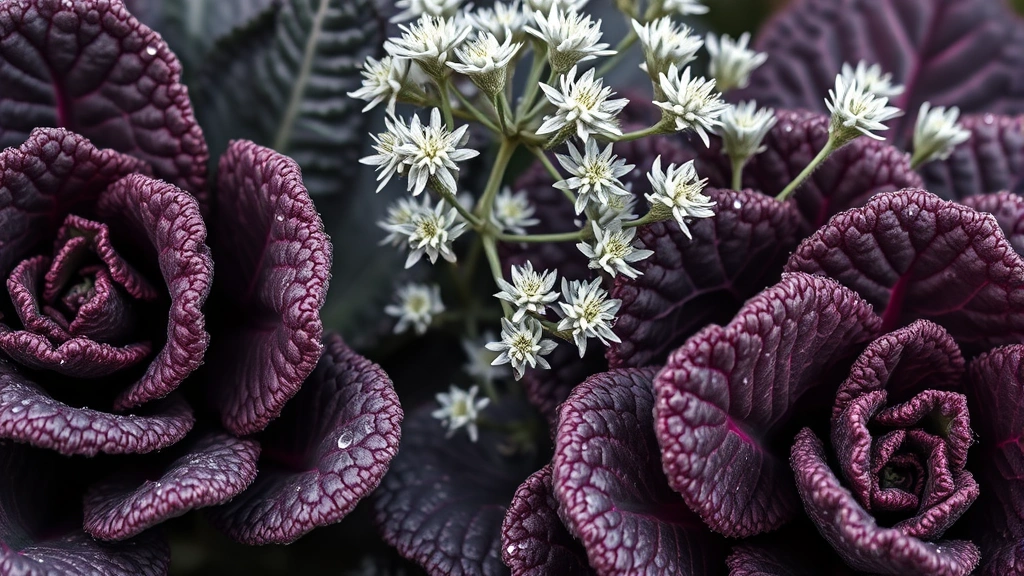
Others explore what fashion designers call “high-low” color mixing—combining unexpected color relationships that shouldn’t theoretically work together but create compelling visual tension. Imagine pairing the dusky purple of ornamental kale with the shocking pink of certain flowering perennials, creating an intentionally jarring but ultimately sophisticated aesthetic.
The concept of “color forecasting,” borrowed directly from fashion industry practices, is also influencing garden design. Just as fashion predicts trending colors seasons in advance, avant-garde gardeners are thinking about color trends in plant breeding and selecting varieties that align with contemporary aesthetic movements.
Structural Experimentation and Garden Architecture
Avant-garde fashion often involves radical structural experimentation—exaggerated silhouettes, unexpected material combinations, and forms that challenge our expectations of how clothing should function. Garden design is experiencing a parallel revolution in structural thinking.
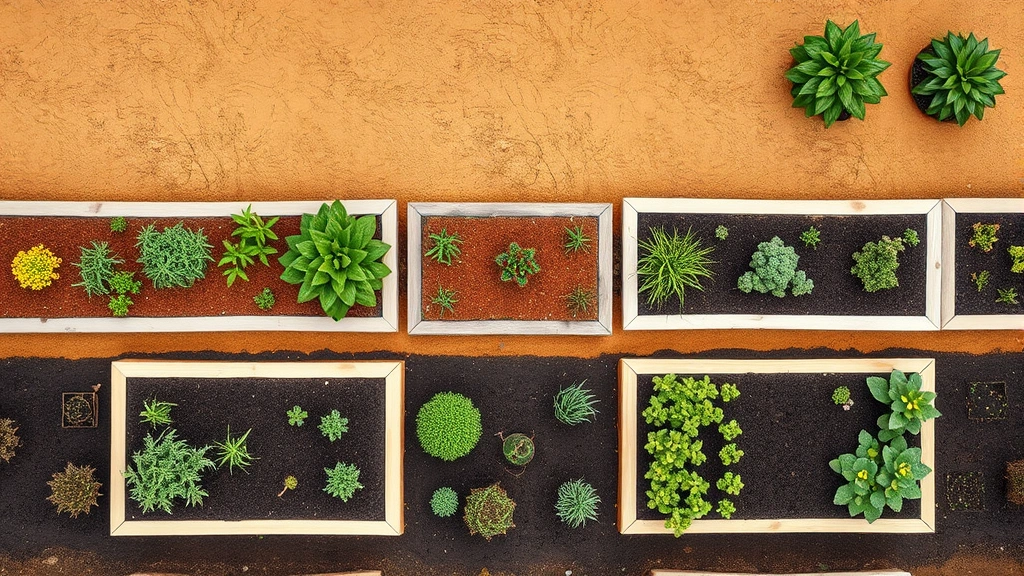
Rather than accepting traditional garden structures as fixed, avant-garde designers are creating gardens where the infrastructure itself becomes a design statement. Asymmetrical raised beds, spiraling pathways that serve no practical purpose but create visual intrigue, and vertical planting systems that challenge our sense of how plants should grow are all part of this movement.
When considering the advantages of raised bed gardening, avant-garde gardeners might ask: what if we staggered them at different heights? What if we combined them with sunken beds to create topographical drama? What if we used unexpected materials—concrete, reclaimed metal, sculptural elements—that blur the line between garden infrastructure and installation art?
Preparing garden soil for a thriving garden becomes an opportunity to think about soil not just as a growing medium but as a design element. Visible soil layers, contrasting soil colors, and intentionally exposed earth become compositional choices rather than practical necessities.
Texture as Design Element
Fashion designers obsess over texture—the tactile quality of materials is as important as color or silhouette. Avant-garde gardeners are bringing this same attention to botanical texture. Rather than treating plants primarily as color sources, they’re considering the varied tactile qualities of foliage, bark, seed heads, and growing patterns as primary design drivers.
A garden might feature plants with radically contrasting textures: the feathery delicacy of ornamental grasses next to the bold, graphic leaves of hostas; the rough, sculptural bark of crabapple trees beside the soft, velvety foliage of lamb’s ear. This textural contrast creates visual and conceptual interest that goes beyond traditional color-based design.
Avant-garde designers also celebrate seasonal texture changes. The architectural seed heads of perennials left standing through winter become sculptural elements—a design choice rather than lazy garden maintenance. The emerging texture of spring growth, the dense fullness of summer, the drying and breakdown of autumn—each becomes a deliberate phase in the garden’s evolving composition.
Materials integration is another texture consideration. Smooth pebbles, rough stone, weathered wood, and metal elements create textural dialogue with plant materials, creating gardens that feel like carefully composed installations where every element—living and non-living—contributes to the overall sensory experience.
Sustainable Avant-Garde: Fashion Meets Responsibility
The fashion industry is increasingly grappling with sustainability concerns, and this consciousness is deeply influencing avant-garde garden design. Modern avant-garde gardeners aren’t interested in creating beautiful spaces at the expense of ecological responsibility. Instead, they’re exploring how to make bold design statements while supporting biodiversity, reducing resource consumption, and working with natural systems.
Gardening with native plants represents a fascinating intersection of avant-garde thinking and ecological responsibility. Rather than viewing native plants as “boring” or “conventional,” progressive designers are celebrating their unique aesthetic qualities while supporting local ecosystems. Native plant communities often display surprising color combinations, unusual textural contrasts, and seasonal drama that rivals any cultivated garden.
Avant-garde sustainability also involves questioning consumption patterns in gardening. Rather than constantly updating plants and redesigning spaces, some avant-garde gardeners embrace a concept borrowed from fashion’s “slow fashion” movement—designing gardens that evolve thoughtfully over years, with established plants deepening in character and maturity, creating layers of meaning and history.
Water conservation becomes a design challenge rather than a limitation. Xeriscaping isn’t presented as a compromise but as an opportunity to work with drought-tolerant plants that often possess striking sculptural forms and dramatic seasonal displays. The silvery foliage of artemisia, the architectural branching of desert shrubs, and the striking blooms of native wildflowers create stunning compositions while respecting environmental constraints.
Seasonal Transitions and Garden Evolution
Fashion collections are organized around seasons—each collection represents a moment in time with its own aesthetic narrative. Avant-garde gardeners similarly think about their gardens as evolving through seasons, with each transition representing a deliberate design shift.
Rather than striving for year-round bloom (a traditional garden goal), avant-garde designers embrace seasonal emptiness, dormancy, and transformation. A garden might be lush and full in summer but deliberately sparse and sculptural in winter, with each season presenting a completely different aesthetic experience. This approach requires gardeners to think about their spaces as temporal artworks that change fundamentally over time.
The concept of “garden collections” mirrors fashion’s seasonal presentations. Just as designers present distinct collections for different seasons, gardeners might intentionally shift their plantings or emphasize different elements throughout the year. Spring might emphasize emerging foliage and early bulbs; summer celebrates full bloom and productivity; autumn highlights texture and warm tones; winter showcases structure and form.
This seasonal thinking also influences plant selection. Rather than choosing plants that bloom for extended periods, avant-garde gardeners might select specimens for their dramatic but brief flowering moments, treating these as special events in the garden’s calendar. A plant that blooms for only two weeks becomes celebrated for its intensity and transience rather than criticized for its limited season.
Practical Implementation for Home Gardeners
Embracing avant-garde principles doesn’t require abandoning practicality or expertise. Here’s how home gardeners can begin incorporating these bold design concepts:
Start with a design concept. Rather than simply planting things that appeal to you individually, develop an intentional theme or narrative for your garden. This might be a specific color palette, a textural journey, or a conceptual idea that guides all your plant selections and placements.
Challenge one convention. Pick one traditional gardening rule and deliberately break it. Mix edibles with ornamentals. Create asymmetrical plantings. Use unexpected color combinations. This single act of rule-breaking often catalyzes more experimental thinking across your entire garden.
Embrace impermanence. Design your garden knowing that it will change, evolve, and sometimes fail. This liberates you to experiment more boldly, knowing that nothing is permanent and that mistakes are simply part of the iterative design process.
Think like a curator. Consider yourself curating a collection of plants and design elements rather than simply filling space. Every element should serve the overall composition, and every addition should be a deliberate choice that strengthens your design narrative.
Document and iterate. Fashion designers develop through sketching, prototyping, and refinement. Similarly, photograph your garden regularly, take notes about what’s working and what isn’t, and use this documentation to inform seasonal and year-to-year changes.
Invest in quality materials. Just as fashion designers source premium fabrics and construction, invest in quality soil, well-bred plant varieties, and durable infrastructure. This quality foundation allows your design concepts to shine without being undermined by poor horticultural conditions.
Create focal points strategically. Fashion designers use strategic visual anchors to organize their compositions. Identify key viewing angles in your garden and create compelling focal points—whether sculptural plants, art installations, or striking color combinations—that draw the eye and organize the space conceptually.
FAQ
What’s the difference between avant-garde garden design and regular garden design?
Regular garden design typically follows established principles: symmetry, tried-and-true plant combinations, separation of edibles and ornamentals, and adherence to traditional aesthetics. Avant-garde design deliberately challenges these conventions, treating the garden as an experimental space for bold ideas, unconventional combinations, and conceptual expression. It prioritizes innovation and personal vision over tradition.
Do avant-garde gardens require more maintenance than traditional gardens?
Not necessarily. While some avant-garde concepts might require more intensive design thinking and planning, the actual maintenance depends on plant selection and horticultural practices. Many avant-garde gardens incorporate low-maintenance native plants and sustainable practices, actually reducing maintenance compared to traditionally designed gardens that rely on high-input ornamental specimens.
Can I incorporate avant-garde principles into a small space?
Absolutely. In fact, small spaces are ideal laboratories for avant-garde experimentation. Limited space forces more intentional, curated plant selection and often results in more cohesive design statements. Small avant-garde gardens can be incredibly powerful because every element is more visible and every choice more consequential.
How do I start if I’m not a trained designer?
Begin by studying fashion design principles—color theory, composition, and conceptual thinking—then translate these ideas into gardening contexts. Look at contemporary garden design projects, follow innovative designers, and most importantly, experiment in your own space. Avant-garde thinking is about questioning and exploring, not about having perfect credentials or expertise.
Will avant-garde gardening work in my climate zone?
Yes. Avant-garde principles are universal design thinking that can be applied within any climate context. Rather than limiting your ideas, your specific climate becomes part of your design challenge and opportunity. Working with plants that thrive in your conditions while expressing bold design concepts is actually more interesting than simply importing incompatible plants.
How do I balance avant-garde aesthetics with food production?
This is one of the most exciting aspects of contemporary avant-garde gardening. Rather than separating aesthetics from productivity, integrate them. Select beautiful vegetable and herb varieties, treat productive plants as design elements, and create systems where visual beauty and food production reinforce each other rather than compete.


