
Imperial Garden Design? Pro Insights & Ideas
Imperial garden design represents one of the most sophisticated and historically rich approaches to landscape architecture, drawing inspiration from the grand estates and formal gardens of European royalty and Eastern palaces. Whether you’re dreaming of recreating the opulence of Versailles, the serene balance of Japanese imperial gardens, or the structured elegance of Italian Renaissance villas, understanding imperial garden principles can transform your outdoor space into a masterpiece of horticultural design.
This comprehensive guide explores the essential elements, design principles, and practical implementation strategies for creating an imperial garden that reflects timeless beauty while remaining manageable for modern homeowners. From symmetry and focal points to water features and ornamental plantings, we’ll uncover how professional designers approach imperial garden aesthetics and how you can adapt these concepts to your property’s unique characteristics.
Understanding Imperial Garden Principles
Imperial gardens emerged from centuries of royal patronage and unlimited resources, creating spaces that demonstrated power, sophistication, and aesthetic refinement. These gardens served not merely as decorative landscapes but as expressions of control over nature, mathematical precision, and cultural superiority. The fundamental principle underlying imperial garden design is the concept of human mastery over the natural world—achieved through meticulous planning, strict geometric arrangements, and disciplined plant management.
The philosophy behind imperial garden design varies dramatically across cultures. European imperial gardens, particularly those of France and Italy, emphasize geometric precision, long sight lines, and architectural elements. In contrast, Asian imperial gardens, especially those found in China and Japan, seek to create idealized natural landscapes through careful composition and the principle of borrowed scenery. Understanding these distinct approaches allows you to choose which traditions resonate most with your vision.
When planning your imperial garden, start by learning fundamental gardening tips that will serve as your foundation. Then, layer imperial design principles on top of these basics to create something truly extraordinary. The scale of your project matters significantly—imperial principles can be adapted to small urban gardens or sprawling country estates.
Key Design Elements and Features
Imperial gardens distinguish themselves through specific architectural and horticultural elements that work in concert to create their distinctive character. These components include structured parterres (ornamental flower beds), topiary specimens, formal hedging systems, architectural water features, and strategically positioned sculptures or garden buildings. Each element serves both aesthetic and symbolic purposes within the overall composition.
The most recognizable feature of many imperial gardens is the parterre—an ornamental garden bed with intricate geometric patterns, often viewed from an elevated position. These designs range from simple geometric shapes to elaborate scrollwork and emblematic motifs. Traditional parterres de broderie featured intricate patterns resembling embroidery, while parterres de compartiment used simpler geometric divisions.
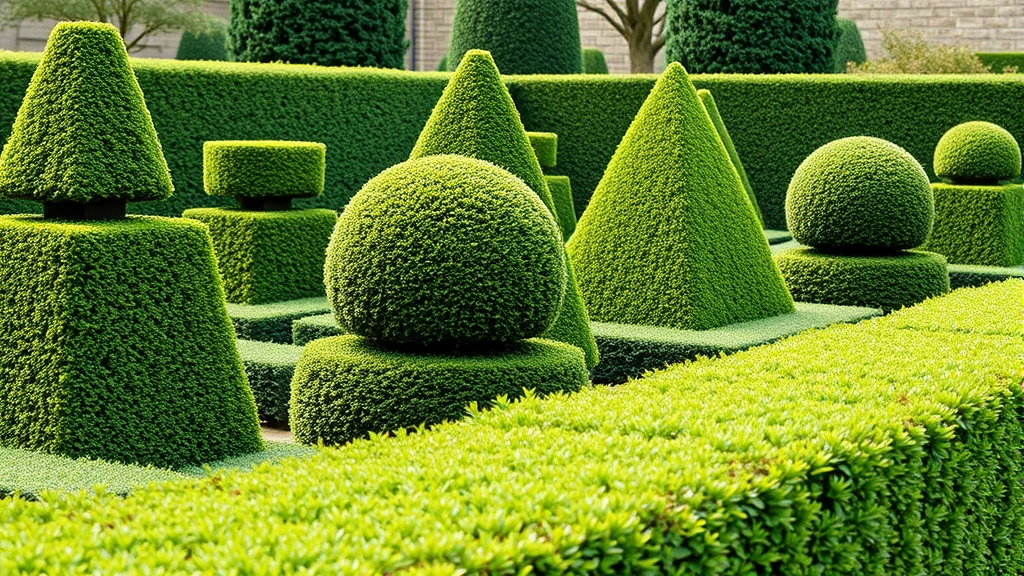
Topiary represents another quintessential imperial garden element. This ancient horticultural art form involves clipping and training plants into specific shapes—from simple geometric forms like cubes and spheres to complex figurative sculptures. Boxwood and yew remain the preferred species due to their dense foliage and slow growth rates, though many other plants can be successfully trained. Topiary requires patience and consistent maintenance but creates unmistakable formal elegance.
Hedging systems define spaces within imperial gardens, creating outdoor rooms and directing visitor movement along predetermined paths. These living walls, typically 4-8 feet tall, establish the framework upon which all other design elements rest. Consider the advantages of raised bed gardening when incorporating hedged enclosures, as elevated beds can work beautifully within formal hedge-lined spaces.
Symmetry and Formal Structure
Symmetry forms the backbone of traditional imperial garden design. This principle, rooted in classical architecture and mathematics, creates a sense of order, balance, and intentionality that immediately signals a space’s formal nature. Bilateral symmetry—where the left side mirrors the right around a central axis—remains the most common approach in European imperial gardens.
Implementing strong symmetry requires establishing a clear central axis, typically running from the primary viewing point (usually the house) through the garden’s deepest reaches. Every major element—fountains, parterres, hedging systems, and sculptures—should align with or reference this axis. Secondary axes can create cross-connections, further organizing the space into logical quadrants or sections.
However, pure mathematical symmetry can feel sterile without thoughtful variation. Professional designers introduce dynamic symmetry through subtle shifts in plant texture, height variation, and color modulation while maintaining overall structural balance. This approach honors imperial traditions while preventing monotony. When you’re ready to expand your plantings, understanding easy to grow vegetables helps if you’re incorporating productive elements alongside ornamental features.
The concept of the vanishing point—where parallel lines appear to converge in the distance—creates powerful visual perspective in imperial gardens. Long allées (tree-lined pathways) exemplify this principle, drawing the eye toward a distant focal point while emphasizing the garden’s depth and grandeur. Even small gardens can employ this technique through scaled-down allées or carefully aligned plantings.
Water Features and Fountains
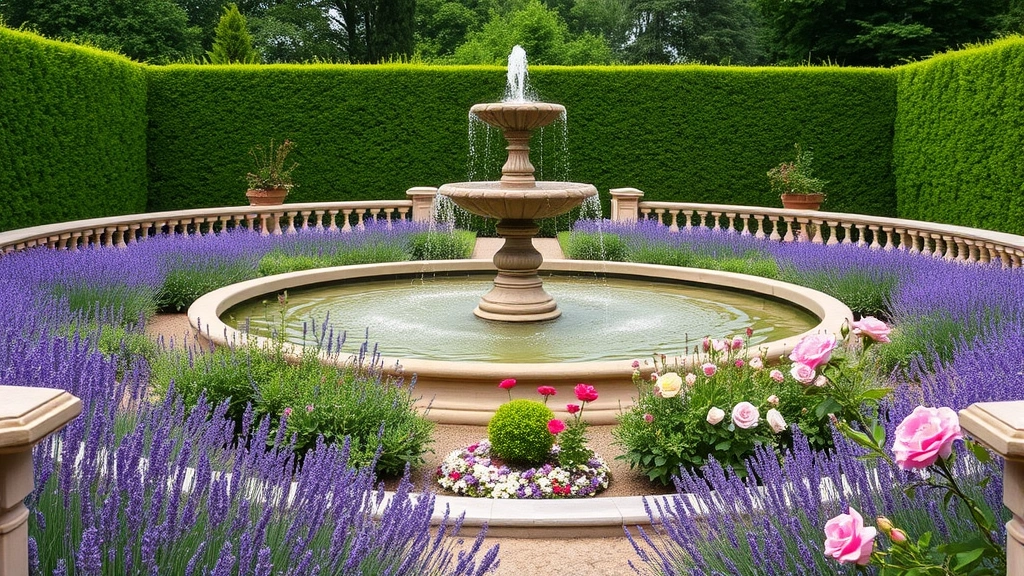
Water features occupy a central role in imperial garden design, serving simultaneously as artistic sculptures, acoustic elements, and symbols of wealth and engineering prowess. From the dramatic cascades of Italian Renaissance villas to the serene reflecting pools of Versailles, water creates movement, sound, and visual interest while providing crucial microclimate benefits.
Fountains in imperial gardens typically feature multiple tiers, elaborate sculptural elements, and often incorporate classical mythology themes. The engineering sophistication required to create these features historically demonstrated a garden owner’s resources and technical knowledge. Modern homeowners can achieve similar effects through contemporary fountain systems, though the visual vocabulary might shift toward cleaner lines and more minimalist aesthetics.
Reflecting pools represent another essential water element, creating mirror-like surfaces that double the visual impact of surrounding plantings and sky. These still-water features require careful siting to capture important views or architectural elements. Rectangular pools with clean edges reinforce the geometric order essential to imperial design, while curved pools can introduce softer, more naturalistic elements.
When incorporating water features, consider maintenance requirements, water circulation systems, and safety concerns. Proper filtration prevents algae growth, while strategic lighting transforms water features into dramatic nighttime focal points. The sound of cascading or circulating water adds a sensory dimension that enhances the overall garden experience.
Plant Selection for Imperial Gardens
Plant selection in imperial gardens emphasizes form over flower, though well-planned color schemes certainly enhance the design. Structural plants with strong silhouettes—evergreen hedging, topiary specimens, and architectural shrubs—create the visual framework, while flowering plants provide seasonal color and textural variation.
Essential plants for imperial gardens include:
- Boxwood (Buxus sempervirens) — The gold standard for hedging and topiary due to its dense growth, fine texture, and responsiveness to shearing
- Yew (Taxus species) — Excellent for tall hedges and sculptural forms, with excellent longevity
- Privet (Ligustrum species) — Fast-growing, versatile, and excellent for creating height quickly
- Beech (Fagus species) — Creates stunning visual effects with persistent bronze foliage in winter
- Hornbeam (Carpinus betulus) — Similar to beech but more adaptable to challenging growing conditions
- Lavender (Lavandula species) — Adds fragrance and soft purple tones while maintaining formal structure
- Roses (Rosa species) — Traditional imperial garden specimens, particularly heirloom varieties in formal beds
- Hydrangeas (Hydrangea species) — Provide substantial flowering presence and architectural branching patterns
Before selecting plants, prepare your garden soil properly to ensure optimal growing conditions. Imperial gardens demand healthy, well-draining soil rich in organic matter to support the consistent, vigorous growth necessary for maintaining formal shapes and dense hedging systems.
Color coordination in imperial gardens traditionally follows strict palettes. Classical European imperial gardens often employ green-and-white schemes, using white flowering plants and silvery foliage to punctuate dark green hedging. More contemporary interpretations might incorporate deeper purples, soft blues, and burgundy tones while maintaining the formal structure that defines the style.
Hardscape Materials and Pathways
Hardscape elements—paving, walls, steps, and ornamental structures—provide the skeleton upon which imperial gardens are built. Material selection profoundly influences the garden’s character, with traditional materials like cut stone, gravel, and brick conveying different aesthetics than modern alternatives like poured concrete or composite materials.
Pathways in imperial gardens serve multiple functions: they direct circulation, create visual lines, and establish rhythm through their proportions and material patterns. The most formal pathways feature central axes that align with major focal points, often flanked by symmetrical plantings or hedging. Gravel paths, while requiring regular maintenance, create authentic period character and the satisfying sound of footsteps that enhances the sensory experience.
Stone paving—whether in the form of cut ashlar, random coursing, or geometric patterns—conveys permanence and sophistication. Brick offers warmer tones and smaller-scale visual interest, while gravel provides flexibility and a more organic aesthetic. Many imperial gardens combine materials strategically: stone for primary axes and major circulation routes, gravel for secondary paths, and grass for open spaces.
Walls and balustrades serve both practical and aesthetic purposes. Stone walls define boundaries and create enclosure while contributing to the formal vocabulary. Balustrades—decorative railings featuring regularly spaced balusters—prevent unwanted access while adding architectural interest. These elements, whether original or reproductions, anchor the garden within classical traditions.
Steps and terracing become essential in gardens with significant grade changes. Rather than viewing elevation changes as obstacles, imperial garden design embraces them as opportunities to create dramatic visual effects and multiple viewing levels. Grand staircases with generous proportions and fine stonework become focal points in themselves.
Creating Focal Points and Vistas
Focal points—visual destinations that draw the eye and structure the garden’s narrative—transform imperial gardens from pleasant spaces into compelling landscapes. Every major axis should terminate at a significant focal point, whether an architectural element, sculpture, water feature, or specimen plant. These destinations provide purpose and direction to the visitor’s journey through the garden.
Professional imperial garden designers employ vista composition—carefully framing views through architectural elements, hedging, or tree canopies to create theatrical sight lines. The principle of framed views, borrowed from painting, translates landscape elements into living pictures. A distant folly viewed through a hedge archway, a sculpture glimpsed between topiary specimens, or a water feature revealed at a path’s turning point create moments of visual delight and anticipation.
Sightlines extend beyond the garden’s boundaries through borrowed scenery—incorporating distant landscape features into the garden’s visual composition. A mature tree on a neighboring property, distant mountains, or architectural landmarks become part of the garden’s design through careful placement of viewing points and the removal of intervening visual obstacles.
Specimen plants serve as living focal points. Mature trees with distinctive forms, unusual topiary creations, or flowering specimens positioned at key intersections command attention and anchor portions of the garden. These specimens should be selected for their ability to maintain visual interest throughout the year, whether through persistent form, seasonal color change, or textural contrast.
Color Schemes for Formal Gardens
Color strategy in imperial gardens differs significantly from cottage garden approaches. Rather than celebrating exuberant color variety, imperial gardens typically employ restrained palettes that allow form and structure to dominate. This doesn’t mean eliminating color—rather, using it strategically to enhance the overall composition.
The classic green-and-white scheme remains quintessentially imperial. Dark green hedging and topiary provide structural backdrop for white flowering plants—roses, lilacs, hydrangeas, and summer bulbs. This combination creates crisp visual contrast while maintaining formal sophistication. Silver-foliaged plants like artemisia, santolina, and dusty miller add additional texture and light reflection.
For gardens seeking slightly more chromatic interest, the purple-and-white palette introduces deeper tones through lavender, catmint, and purple-flowering clematis. These colors maintain the formal aesthetic while providing warmer, more romantic character. Burgundy foliage plants like Japanese maples or purple smoke bush add dimensional color without overwhelming the composition.
Monochromatic color schemes—gardens featuring predominantly one color with tonal variations—represent another sophisticated approach. White gardens, blue gardens, and yellow gardens have historical precedent and create remarkably cohesive, restful spaces. The success of monochromatic schemes depends on careful attention to foliage color, texture variation, and the interplay of light and shadow.
Seasonal color considerations ensure year-round interest. Winter structure derives from evergreen foliage, persistent seed heads, and bark texture. Spring welcomes bulbs and early flowering shrubs. Summer showcases herbaceous perennials and roses. Autumn brings foliage color and seed pod interest. Planning color across seasons prevents the garden from feeling dormant or incomplete during any period.
Maintenance and Seasonal Considerations
Imperial gardens demand consistent, knowledgeable maintenance to preserve their formal character. Unlike naturalistic gardens where some wildness is acceptable, imperial gardens require precision—straight hedging lines, carefully maintained topiary forms, and pristine pathways. This reality demands honest assessment of available time and resources before committing to ambitious imperial garden projects.
Hedging maintenance typically requires 2-3 annual shearings, ideally in late spring and late summer. The timing prevents new growth from being exposed to harsh winter conditions while maintaining visual refinement throughout the growing season. Professional contractors can handle larger projects, though homeowners with modest hedging can manage smaller sections independently with quality tools.
Topiary maintenance requires more specialized skill and attention. Young topiary forms need frequent, light pruning to establish clean lines, while established specimens need less frequent but more careful trimming to maintain their shapes. The best approach involves light, regular pruning rather than severe cutbacks every few years, which disrupts form and exposes internal dead wood.
Seasonal transitions demand particular attention. Spring preparation includes hedge trimming, deadheading winter debris, and applying fresh mulch to planting beds. Summer maintenance focuses on deadheading flowering plants, managing irrigation, and maintaining pathway appearance. Autumn involves final hedge trimming, dividing perennials, and preparing the garden for winter dormancy. Winter provides opportunities for structural pruning, pathway maintenance, and planning next season’s improvements.
Climate considerations significantly impact plant selection and garden viability. Imperial gardens developed in specific climates—Mediterranean regions, temperate European zones, and East Asian monsoon areas. Attempting to recreate these gardens in incompatible climates requires selecting regionally appropriate alternatives that convey similar visual effects. Consult your local USDA Plant Hardiness Map to identify suitable species for your region.
Irrigation systems deserve careful consideration in formal gardens. While traditional imperial gardens relied on rainfall supplemented by hand watering, modern systems employ drip irrigation or soaker hoses concealed within planting beds to maintain soil moisture without visible apparatus. Well-maintained soil moisture ensures the consistent growth necessary for maintaining formal shapes and dense hedging.
Pest and disease management in formal gardens requires vigilance. Dense hedging creates microclimates favorable to certain pests and diseases. Regular inspection, prompt intervention, and sometimes targeted chemical applications become necessary to maintain plant health. Integrated pest management approaches—combining cultural practices, beneficial insects, and minimal chemical intervention—align well with contemporary gardening values.
FAQ
What’s the difference between imperial gardens and other formal garden styles?
Imperial gardens specifically reference the gardens of royal courts and imperial estates, emphasizing grandeur, symmetry, and architectural elements. While other formal gardens share some characteristics, imperial gardens typically feature larger scales, more elaborate water features, and greater emphasis on demonstrating power and control over nature. Italian Renaissance gardens, French baroque gardens, and Asian imperial gardens all represent distinct imperial traditions with different philosophical underpinnings.
Can I create an imperial garden in a small space?
Absolutely! Imperial design principles scale beautifully to modest properties. Focus on creating strong symmetry, one or two focal points, and carefully selected specimen plants rather than extensive hedging systems. A small central fountain, bordered by compact hedging and topiary, can convey imperial elegance in minimal space. The key is maintaining visual clarity and avoiding overcrowding that destroys the formal aesthetic.
Which plants are best for beginners attempting imperial garden design?
Start with boxwood hedging and simple geometric topiary forms. These plants are forgiving and respond well to pruning. Combine them with easy-to-maintain flowering plants like hydrangeas, roses, and lavender. Avoid complex topiary forms initially—focus on spheres and cubes before attempting elaborate figurative sculptures. Learning about easy-to-grow plants applies equally to ornamental species used in formal gardens.
How much maintenance does an imperial garden require?
This depends on scale and complexity. A modest hedged garden with limited topiary might require 20-30 hours annually, while extensive formal gardens demand 100+ hours. Factor in hedge trimming (2-3 times yearly), deadheading, pathway maintenance, and seasonal preparation. Many homeowners hire professional contractors for hedge work, reducing personal time investment while ensuring professional results.
What’s the best way to start planning an imperial garden?
Begin by assessing your site’s characteristics—size, topography, sun exposure, and soil conditions. Sketch your property to scale, identifying potential central axes and focal points. Research imperial garden styles that appeal to you, collecting inspiration from historical examples and contemporary interpretations. Consider consulting a professional garden designer experienced in formal gardens, particularly for larger or more complex projects. Use a garden calculator to estimate planting quantities and layout proportions before committing to implementation.
Are there regional resources for learning imperial garden design?
Many regions host Master Gardener programs that offer courses on formal garden design. Botanical gardens and historic house museums often maintain imperial gardens and provide educational programs. Professional organizations like the American Society of Landscape Architects can connect you with experienced designers. The American Horticultural Society offers resources and networking opportunities for serious gardeners interested in formal design traditions.


