
Garden State Parkway: Scenic Drive or Traffic Jam? A Gardener’s Guide to New Jersey’s Famous Highway
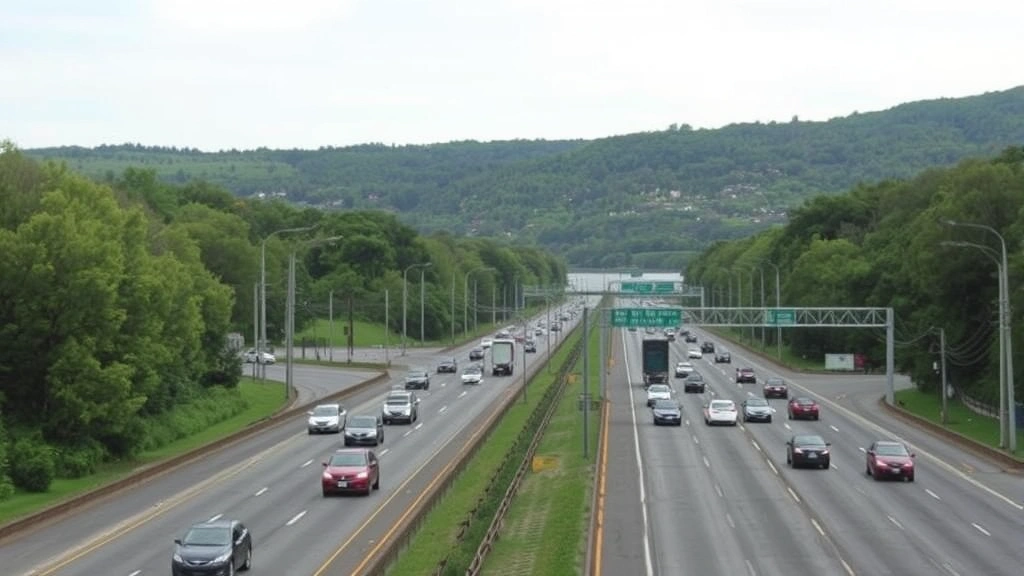
The Garden State Parkway stretches across New Jersey like a ribbon of asphalt, connecting millions of travelers between the northern and southern regions of the state. For many drivers, this 173-mile toll road represents either a scenic journey through America’s most densely vegetated corridor or a frustrating crawl through one of the nation’s busiest highways. As gardeners and plant enthusiasts, we often find ourselves navigating this parkway to reach plant nurseries, botanical gardens, and horticultural destinations throughout the state. Understanding what makes the Garden State Parkway unique—both as a transportation route and as a gateway to New Jersey’s rich gardening culture—can help you make the most of your travels.
New Jersey earned its nickname “The Garden State” for good reason. The state’s fertile soil, temperate climate, and agricultural heritage have made it a hub for both commercial farming and home gardening. The Garden State Parkway, opened in 1954, was designed to facilitate commerce and travel, but it also serves as an unintended tour through the state’s diverse ecosystems and agricultural regions. Whether you’re heading to a local farmer’s market, visiting botanical gardens, or transporting plants and gardening supplies, the parkway connects you to some of the most vibrant green spaces in the Northeast.
History and Purpose of the Garden State Parkway
When planners designed the Garden State Parkway in the mid-twentieth century, they envisioned a modern toll road that would efficiently move traffic while preserving the natural character of New Jersey’s landscape. The parkway was intentionally routed through less developed areas, and designers incorporated naturalistic landscaping principles to minimize environmental disruption. Today, this historical commitment to balancing infrastructure with nature makes the parkway unique among American highways.
The parkway’s construction coincided with significant changes in New Jersey’s agricultural landscape. As suburban development accelerated, the highway became both a symbol of progress and a boundary between preserved farmland and expanding residential communities. Understanding this history helps gardeners appreciate the diverse plant communities visible from the parkway and recognize the ongoing importance of protecting New Jersey’s remaining agricultural lands.
For home gardeners interested in the state’s horticultural heritage, the parkway serves as a practical connector to educational resources. Many Rutgers University agricultural extension offices and regional horticultural societies are accessible via parkway exits, making it easier to access expert gardening advice and educational programs throughout the year.

The Parkway’s Agricultural Significance
Despite its reputation as a busy highway, the Garden State Parkway runs through regions of significant agricultural importance. North Jersey’s truck farms produce vegetables, berries, and specialty crops that supply regional markets. South Jersey’s pine barrens and sandy soils support unique plant communities adapted to these specific growing conditions. Central Jersey’s nursery industry thrives in communities adjacent to parkway exits, making it convenient for gardeners to access quality plants and supplies.
The agricultural landscape visible from the parkway changes dramatically with the seasons. Spring brings the brilliant whites and pinks of fruit tree blossoms in commercial orchards. Summer reveals extensive vegetable fields and berry farms at peak productivity. Fall showcases the harvest season, with pumpkin patches and corn mazes appearing throughout the state. Winter reveals the underlying structure of the landscape, with dormant trees and preserved evergreen plantings.
When you’re planning a visit to local farms or plant nurseries, understanding the seasonal availability of plants and produce helps you time your parkway journey for maximum benefit. Learning about easy to grow vegetables for beginners can help you select appropriate plants from local nurseries you access via the parkway.
Traffic Patterns and Travel Times
The reality of traveling the Garden State Parkway differs significantly from the scenic ideal. This highway consistently ranks among the nation’s most congested roads, particularly during rush hours and weekend travel times. Understanding traffic patterns helps you plan more efficient trips to gardening destinations and minimize time spent in traffic.
Peak congestion typically occurs on weekday mornings (6:00-9:00 AM) and evenings (3:00-7:00 PM), as commuters use the parkway to travel between New Jersey and New York City. Weekend traffic, particularly on Saturday mornings, can also be substantial, especially during spring and summer when many gardeners visit nurseries and botanical gardens. Travel times vary dramatically: a journey that might take 45 minutes in light traffic could require two to three hours during peak periods.
For gardeners planning nursery visits or trips to botanical gardens, timing your travel for mid-morning on weekdays or early Sunday mornings can significantly reduce stress and travel time. This scheduling approach also allows you to enjoy a more relaxed shopping experience and better interact with nursery staff who can provide personalized plant recommendations.
Scenic Stops and Botanical Destinations Along the Route
Several world-class botanical institutions are accessible from Garden State Parkway exits, making the route valuable for plant enthusiasts. The New York Botanical Garden in the Bronx is reachable via northern parkway exits, offering extensive plant collections and seasonal exhibitions. The Longwood Gardens in Pennsylvania is accessible from southern sections, featuring renowned displays of ornamental plants and innovative horticultural techniques.
Closer to the parkway itself, numerous regional botanical gardens and nature preserves showcase native plant communities. The New Jersey Audubon Society manages several properties accessible from parkway exits, offering opportunities to observe native plants in their natural habitats. These locations provide inspiration for incorporating native species into home gardens.
Many of these destinations offer seasonal displays that align with natural plant cycles. Spring visits reveal flowering understory plants and early bulbs. Summer showcases perennial borders and annual plantings. Fall displays feature ornamental grasses, late-blooming perennials, and plants with colorful foliage. Winter programs highlight evergreen structure, interesting bark textures, and plants attractive to wildlife.
Learning about gardening with native plants before visiting these destinations helps you identify species suitable for your own garden and understand the ecological relationships that make native plant communities resilient.
Gardening Opportunities in Gateway Communities
Communities accessible from Garden State Parkway exits offer diverse gardening resources and opportunities. Northern gateway towns provide access to specialty nurseries focusing on shade plants, woodland gardens, and plants adapted to urban conditions. Central Jersey communities near the parkway feature general-purpose nurseries with broad plant selections and experienced staff knowledgeable about regional growing conditions. Southern Jersey towns provide access to nurseries specializing in plants suited to sandy, acidic soils and plants adapted to coastal conditions.
Many of these communities host farmers’ markets, plant swaps, and gardening workshops during appropriate seasons. Spring and fall typically offer the most extensive markets and plant sales. Summer markets emphasize vegetable and herb sales, while late spring brings the widest selection of annual and perennial plants. Winter markets in some communities feature holiday plants, poinsettias, and evergreen arrangements.
Before your parkway journey, research gardening tips for beginners to understand what resources might be most valuable for your current skill level and gardening goals. This preparation helps you make the most of your visit to local nurseries and gardening centers.
Consider connecting with local Master Gardener programs accessible from parkway communities. These volunteer-led organizations provide free gardening advice, educational workshops, and community garden opportunities. Visiting a Master Gardener demonstration garden can provide practical insights applicable to your own planting efforts.
Seasonal Considerations for Parkway Travel
Each season presents distinct advantages and challenges for traveling the Garden State Parkway with gardening in mind. Spring (March-May) is peak season for both nursery visits and parkway congestion. The explosion of flowering plants—from early bulbs through late spring perennials—makes this an ideal time to visit botanical gardens and select plants for your garden. However, expect significant traffic on weekends and pleasant-weather weekdays.
Summer (June-August) brings peak tourism and commuter traffic, making the parkway particularly congested during evening rush hours and weekends. However, summer is ideal for visiting farmers’ markets to source produce, herbs, and vegetables. Early morning travel offers better traffic conditions and allows you to access the best plant selections at farmers’ markets before popular items are depleted.
Fall (September-November) offers moderate traffic conditions and excellent opportunities for planting. This is when nurseries stock plants for fall planting, and many gardeners find that autumn planting produces stronger spring growth than spring planting. The changing foliage visible from the parkway itself is spectacular, particularly in northern sections during October.
Winter (December-February) brings the lightest traffic but limited plant availability. However, this season offers opportunities to visit botanical gardens featuring winter-interest plants, attend indoor gardening workshops, and plan next season’s garden. Many botanical institutions offer winter exhibitions highlighting evergreens, unusual bark textures, and structural plant elements.
Understanding how to prepare garden soil for a thriving garden across different seasons helps you time your nursery visits and planting activities appropriately for maximum success.
Tips for Transporting Plants and Garden Supplies
Whether you’re returning from a nursery visit or transporting plants purchased along your parkway journey, proper handling ensures plants arrive healthy and ready for planting. Secure containers to prevent shifting during sudden stops or turns. Use blankets or towels to protect foliage from wind damage when windows are open. Avoid placing heavy items on top of delicate plants.
During warm months, minimize the time plants spend in a hot vehicle. If you must wait before planting, park in shade and crack windows slightly for air circulation. During cooler months, protect tender plants from cold exposure during transport. Consider timing your return trip to arrive home before evening temperatures drop significantly.
For gardeners transporting soil, mulch, or other heavy materials, distribute weight evenly throughout your vehicle. Keep bags of soil or amendments on the floor rather than on seats, where they might shift during braking or acceleration. Many nurseries and garden centers near parkway exits offer delivery services for large purchases, which may be more practical than transporting heavy materials yourself.
Before making a large nursery purchase requiring transport, review how to propagate plants to understand whether you might expand your plant collection more economically through propagation rather than purchasing larger specimens.
Consider the benefits of raised bed gardening when purchasing soil and amendments. Raised beds allow you to customize soil composition precisely, and calculating your soil needs in advance helps you make efficient nursery purchases and reduces multiple parkway trips.
FAQ
What is the best time to travel the Garden State Parkway to avoid traffic?
Mid-morning on weekdays (10:00 AM-2:00 PM) typically offers the lightest traffic conditions. Early Sunday mornings are also relatively clear. Avoid weekday rush hours (6:00-9:00 AM and 3:00-7:00 PM) and Saturday mornings when possible.
Are there rest stops along the Garden State Parkway where I can purchase plants or gardening supplies?
The parkway itself has service areas, but they focus on fuel, food, and convenience items rather than plants or gardening supplies. However, numerous nurseries and garden centers are accessible from parkway exits throughout the state. Researching these destinations before your trip allows you to plan strategic stops.
Which botanical gardens near the Garden State Parkway are best for seasonal visits?
Spring visits are ideal for flowering plant displays at most institutions. Summer is excellent for viewing perennial borders and annual plantings. Fall showcases ornamental grasses and foliage color. Winter highlights evergreen structure and plants attractive to wildlife. Choose your destination based on which seasonal displays interest you most.
Can I transport large plants or trees via the Garden State Parkway?
Yes, but proper securing is essential. Tall or wide plants should be carefully positioned to avoid obstructing your view or shifting during driving. Many nurseries near parkway exits offer delivery services for large specimens, which may be more convenient than transporting them yourself.
What native plants can I see along the Garden State Parkway?
The parkway passes through various ecological zones featuring different native plant communities. Northern sections showcase deciduous forest understory plants. Central sections reveal mixed forest and meadow communities. Southern sections display pine barrens vegetation adapted to sandy, acidic soils. Visiting botanical gardens and nature preserves accessible from parkway exits provides better opportunities to observe and identify native species.
How do seasonal changes affect gardening supply availability at nurseries near the parkway?
Spring offers the broadest selection of plants, with nurseries stocking perennials, annuals, shrubs, and trees. Summer focuses on vegetables, herbs, and plants suited for containers. Fall brings plants for fall planting and cool-season vegetables. Winter offers evergreens, holiday plants, and dormant bare-root plants for early spring planting.


