
Creating the perfect garden salad starts long before you reach for a bowl and dressing. The real secret lies in growing your own ingredients with intention, care, and knowledge that transforms ordinary vegetables into extraordinary culinary experiences. When you cultivate your salad garden, you’re not just growing food—you’re developing flavors, textures, and nutritional density that store-bought alternatives simply cannot match.
Professional chefs understand that the foundation of an exceptional garden salad begins in the soil and extends through every stage of cultivation. The journey from seed to table involves mastering timing, understanding crop varieties, and implementing techniques that maximize both yield and flavor. Whether you’re a seasoned gardener or just beginning your journey, this comprehensive guide reveals the secrets that transform a simple salad into a culinary masterpiece.
Selecting Premium Salad Greens for Maximum Flavor
The secret ingredient that separates mediocre salads from exceptional ones is the careful selection of green varieties. Chefs know that different greens offer distinct flavor profiles, textures, and nutritional benefits. Arugula provides peppery notes, buttercrunch lettuce delivers delicate sweetness, and radicchio contributes subtle bitterness that balances rich dressings.
When you’re planning your salad garden vegetables, consider growing multiple varieties simultaneously. This approach allows you to harvest different greens at their peak and create complex flavor combinations. Heritage varieties often outperform modern hybrids in terms of taste complexity, though they may require slightly more attention.
Spinach, Swiss chard, and kale represent the nutritional powerhouses of the salad world. These nutrient-dense greens contain elevated levels of vitamins, minerals, and antioxidants. Baby varieties of these greens offer tender leaves perfect for fresh salads, while mature leaves work better in cooked applications. The key is harvesting at the right stage to achieve optimal tenderness and flavor intensity.
Specialty greens like mizuna, tatsoi, and mustard greens add sophisticated dimensions to garden salads. These Asian varieties bring unique textures and flavor notes that expand your culinary palette. They’re surprisingly easy to grow and mature quickly, making them ideal for succession planting throughout the season.
The Foundation: Preparing Your Garden Soil
Every master gardener and professional chef will confirm that soil quality directly impacts salad ingredient quality. Preparing garden soil properly creates the foundation for growing vegetables with superior flavor and nutritional density.
Rich, well-draining soil with abundant organic matter produces the most flavorful greens. Work compost, aged manure, and leaf mold into your beds at least two weeks before planting. This amendment improves soil structure, increases water retention, and provides slow-release nutrients that feed plants throughout the growing season.
The ideal pH for most salad greens ranges between 6.0 and 7.0. Test your soil annually to monitor nutrient levels and pH balance. Nitrogen-rich soils produce lusher foliage with better color and texture, while balanced mineral content enhances flavor complexity. Avoid excessive nitrogen, which can result in watery, bland greens with reduced disease resistance.
Micronutrients matter significantly for salad quality. Calcium, magnesium, and trace minerals contribute to crisp texture and nuanced flavors. Consider adding kelp meal or rock dust to boost micronutrient availability. These natural amendments release nutrients slowly, ensuring consistent plant nutrition throughout the season.
Growing Crisp Lettuce Varieties Year-Round
Lettuce represents the cornerstone of most garden salads, and understanding how to grow crisp, flavorful varieties year-round separates casual gardeners from dedicated salad cultivators. Temperature management proves crucial—lettuce thrives in cool conditions between 55-70°F and bolts rapidly in heat.
Spring and fall represent prime lettuce-growing seasons in most climates. Start seeds indoors 4-6 weeks before your last spring frost, then transplant seedlings outdoors when they develop true leaves. For continuous harvests, plant new seeds every two weeks throughout the season. This succession planting ensures you always have mature lettuce ready for harvest while younger plants develop.
Summer lettuce requires shade and consistent moisture to prevent bolting. Use 30-50% shade cloth during peak heat, and water deeply in early morning hours. Select heat-tolerant varieties like Salvius, Jericho, or Buttercrunch that resist premature flowering. Winter gardening in mild climates allows year-round lettuce production—plant cold-hardy varieties in fall for winter harvests.
The difference between harvested and homegrown lettuce begins with harvest timing. Pick leaves in early morning when they’re fully hydrated and crisp. Use the cut-and-come-again method, harvesting outer leaves while leaving the center intact for continued growth. This technique extends your harvest window significantly compared to harvesting entire heads at once.
Loose-leaf varieties like oak leaf, lollo rosso, and Simpson Elite offer superior flavor compared to iceberg types. These varieties develop more complex, nuanced tastes and maintain better texture after harvesting. Red-leafed varieties contain additional anthocyanins and other beneficial compounds that enhance both nutrition and visual appeal.
Cultivating Nutrient-Dense Vegetables
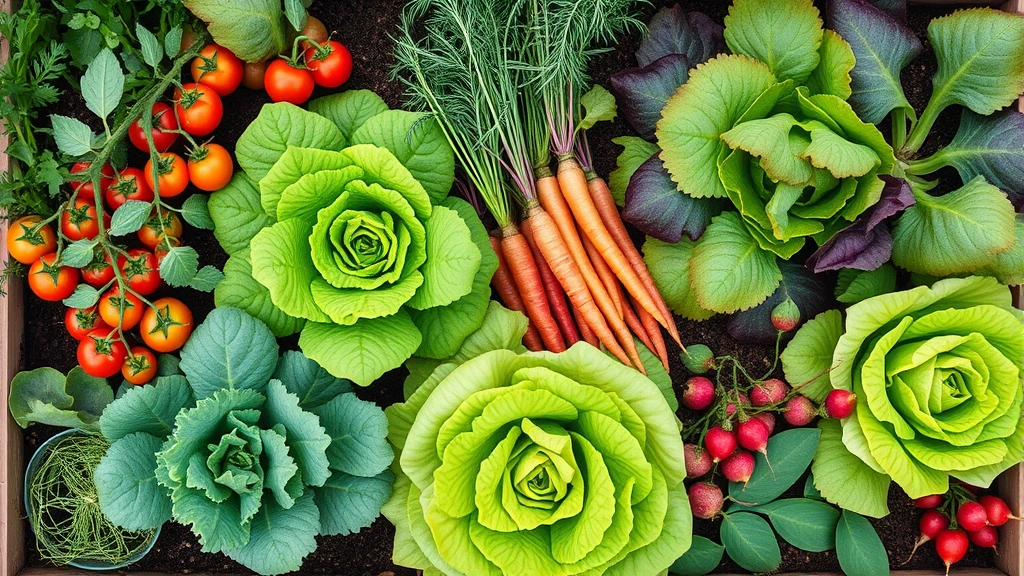
Creating an exceptional garden salad requires growing complementary vegetables beyond basic greens. Tomatoes, cucumbers, radishes, carrots, and peppers transform salads from simple greens into complete culinary experiences. Understanding how to grow these ingredients at peak ripeness elevates your salad game dramatically.
Cherry tomatoes represent the perfect salad addition—they’re sweeter than full-sized varieties and reach peak flavor quickly. Grow determinate varieties that produce concentrated harvests, or indeterminate types for continuous production. The secret to flavorful tomatoes involves allowing them to fully ripen on the vine before harvesting. The deeper the color, the more developed the sugars and complex flavors.
Radishes add crisp texture and peppery notes to salads. These quick-maturing vegetables mature in just 25-30 days, making them perfect for succession planting. Watermelon radishes offer visual drama with their pale exterior and shocking pink interior. Daikon radishes provide longer shelf life and milder flavor for those preferring subtlety.
Cucumbers for fresh salads should be harvested when still tender and slightly immature. Allow them to grow too large, and they develop tough skin and watery texture. Plant vining varieties on trellises to improve air circulation and reduce disease pressure. Pickling varieties work wonderfully in salads when harvested at the small, tender stage.
Carrots contribute natural sweetness and satisfying crunch. Grow shorter varieties like Nantes or Chantenay in containers or shallow beds. These mature faster than long varieties and develop superior sweetness. Rainbow carrot varieties add visual interest while providing different phytonutrient profiles.
Raised bed gardening provides excellent conditions for growing these diverse vegetables. The improved drainage, warmer soil, and better pest control create ideal growing environments for salad ingredients. Combining multiple vegetables in a single raised bed maximizes space while creating natural polycultures.
Timing Your Harvest for Peak Freshness
The timing of harvest represents one of the most critical factors separating exceptional salads from mediocre ones. Different vegetables reach peak flavor and texture at specific stages of maturity. Understanding these windows allows you to consistently produce superior ingredients.
Harvest greens in early morning after dew has dried but before midday heat intensifies. Plants are fully hydrated at this time, resulting in maximum crispness. Afternoon harvests often yield wilted greens with reduced texture and flavor intensity. Store harvested greens immediately in cool conditions to maintain quality.
Peppers develop sweetness as they mature and change color. Green peppers possess grassy, slightly bitter notes, while red peppers offer concentrated sweetness and deeper complexity. Yellow and orange varieties provide fruity undertones. Harvest peppers at your preferred color stage—they won’t continue ripening after removal from the plant.
Herbs like basil, dill, and cilantro contribute aromatic elements to salads. Pinch leaves regularly to encourage bushy growth and prevent flowering. Young leaves offer superior flavor compared to mature foliage. Harvest herbs in morning hours when essential oil content peaks.
Understanding proper harvesting techniques prevents plant damage and encourages continued production. Use clean, sharp tools to make precise cuts. Dirty tools spread disease between plants, potentially compromising your entire harvest.
Advanced Growing Techniques
Professional chefs and serious home gardeners employ advanced techniques that maximize flavor and nutritional density. These methods require additional effort but deliver remarkable results that justify the investment.
Hydroponic and aquaponic systems allow precise control over nutrient delivery and growing conditions. These soilless methods produce exceptionally crisp, flavorful greens with extended shelf life. The controlled environment eliminates many pest and disease pressures while optimizing growing conditions year-round.
Succession planting involves sowing seeds at regular intervals—typically every 2-3 weeks—to ensure continuous harvests. This technique prevents gluts of mature produce followed by bare periods. Small, regular harvests allow you to use ingredients at peak freshness rather than storing large quantities.
Intercropping and companion planting maximize garden space while improving plant health. Growing fast-maturing radishes between slower-growing lettuce utilizes space efficiently. Herbs like dill and cilantro repel certain pests while attracting beneficial insects. Flowers like nasturtiums and calendula add visual interest while providing edible petals for salads.
Propagating plants from cuttings or seeds extends your growing capabilities. Start herb cuttings in water to create replacement plants as originals bolt or decline. Save seeds from your best-performing plants to create a self-sustaining garden ecosystem.
Companion Planting Strategies
Strategic companion planting creates synergistic relationships that enhance flavor, reduce pests, and maximize yields. Certain plant combinations have been proven effective through centuries of gardening practice and modern research.
Lettuce and herbs: Parsley, dill, and cilantro grow well alongside lettuce. These herbs repel certain pests while their different root depths utilize soil resources efficiently. The aromatic compounds in herbs can subtly enhance adjacent plants’ flavor profiles.
Tomatoes and basil: This classic pairing offers culinary and agricultural benefits. Basil repels whiteflies and other tomato pests while improving tomato flavor. This combination appears frequently in salads, making companion planting both practical and delicious.
Carrots and onions: These root vegetables grow well together, utilizing different soil layers. Onions repel carrot flies while carrots don’t compete for the same nutrients. Both store well, extending your salad ingredient availability beyond the growing season.
Radishes and leafy greens: Quick-maturing radishes mature while slower greens develop. Radish root secretions can improve nearby plant health. This combination maximizes productivity in limited garden space.
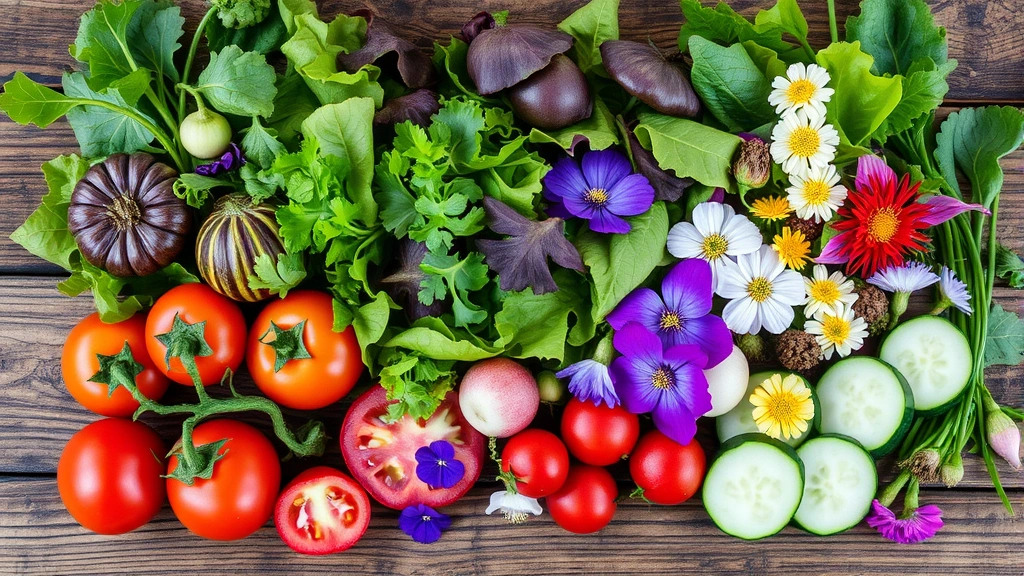
Edible flowers: Growing native plants and flowers alongside vegetables attracts pollinators and beneficial insects. Nasturtiums, pansies, and borage add visual beauty while providing edible petals. These flowers support garden biodiversity while contributing unique flavors to salads.
Understanding pest management in companion plantings reduces reliance on chemical interventions. Beneficial insects attracted by diverse plantings control pest populations naturally. This integrated approach creates healthier, more flavorful vegetables with superior nutritional profiles.
FAQ
What’s the best time to plant a salad garden?
Timing depends on your climate zone. Spring planting works in most regions, typically 2-4 weeks before the last frost date. Fall planting extends the season in mild climates. Cool-season crops like lettuce and spinach thrive in spring and fall, while heat-loving vegetables require warmer soil temperatures. Check your local USDA Plant Hardiness Zone map for specific timing recommendations.
How often should I water my salad garden?
Salad vegetables prefer consistent moisture without waterlogging. Water deeply 2-3 times weekly, adjusting based on rainfall and temperature. Morning watering prevents fungal diseases while allowing foliage to dry before evening. Mulching around plants conserves moisture and moderates soil temperature.
Can I grow salad greens in containers?
Absolutely. Containers work excellently for salad gardening, especially for apartment dwellers or those with limited space. Use quality potting mix, ensure drainage holes, and water consistently. Containers warm faster in spring and cool faster in fall, extending the growing season.
What pests commonly affect salad gardens?
Aphids, whiteflies, and flea beetles represent common salad garden pests. Row covers protect young plants while allowing light and water penetration. Neem oil and insecticidal soaps provide organic pest control. Encouraging beneficial insects through diverse plantings offers long-term pest management solutions.
How do I extend my salad harvest season?
Succession planting ensures continuous harvests. Plant new seeds every 2-3 weeks throughout the season. Use shade cloth in summer to prevent bolting. Cold frames and row covers extend fall harvests into winter in moderate climates. Grow cold-hardy varieties specifically selected for winter production.
Should I fertilize my salad garden?
Yes, but moderately. Excessive nitrogen produces lush but watery, bland greens. Apply balanced fertilizer or compost tea every 3-4 weeks. Organic approaches using compost, fish emulsion, or seaweed extract provide sustained nutrition without chemical buildup.
What’s the difference between cutting and harvesting entire heads?
Cut-and-come-again harvesting removes outer leaves while leaving the center intact for continued growth. This extends your harvest window significantly. Full-head harvesting yields all usable leaves at once but ends the plant’s productivity. Choose based on your needs and garden space.


