
Garden-Fresh Recipes: Chef-Approved Ideas for Growing and Cooking with Your Harvest
There’s nothing quite like the satisfaction of harvesting vegetables you’ve grown with your own hands and transforming them into a delicious meal. Garden-fresh recipes elevate ordinary dishes into extraordinary culinary experiences, and the best part is that you control exactly what goes into your food. Whether you’re a seasoned gardener or just starting out, learning to grow ingredients specifically for cooking opens up endless possibilities in the kitchen.
The journey from soil to table connects you more deeply with your food. When you grow a garden with cooking in mind, you’re not just planting random vegetables—you’re curating a personal farmers market right outside your door. This guide explores chef-approved recipes and the best vegetables to cultivate for maximum flavor and culinary versatility.
Essential Vegetables Every Home Cook Should Grow
Before diving into recipes, let’s discuss which vegetables deliver the most bang for your buck in the kitchen. Growing the right varieties ensures you’ll have ingredients that elevate your cooking throughout the seasons. When you’re ready to begin, check out our guide on easy-to-grow vegetables for beginners to understand which crops suit your skill level.
Tomatoes are the cornerstone of any culinary garden. Heirloom varieties like Brandywine, Cherokee Purple, and San Marzano offer superior flavor compared to grocery store alternatives. Cherry tomatoes provide quick snacking and add pop to salads, while paste tomatoes concentrate their sugars for exceptional sauces. A productive tomato plant yields dozens of fruits throughout summer, making them incredibly cost-effective for home cooks.
Peppers—both sweet and hot—expand your recipe possibilities exponentially. Bell peppers in various colors (red, yellow, orange) offer different sweetness levels and are perfect for stuffing, roasting, and stir-frying. Hot peppers like jalapeños, serranos, and Thai chilis add depth to salsas, curries, and hot sauces. Peppers thrive in containers, making them ideal for limited spaces.
Leafy greens including lettuce, spinach, arugula, and kale provide nutrient-dense ingredients for salads, smoothies, and cooked dishes. These cool-season crops produce abundantly in spring and fall, with some varieties tolerating light frost. Succession planting ensures continuous harvests rather than one overwhelming glut.
Cucumbers offer refreshing additions to summer meals. Slicing varieties produce large fruits perfect for salads and fresh eating, while pickling varieties develop thicker skins ideal for preservation. If space is limited, learn about growing cucumbers in pots for impressive yields in compact areas.
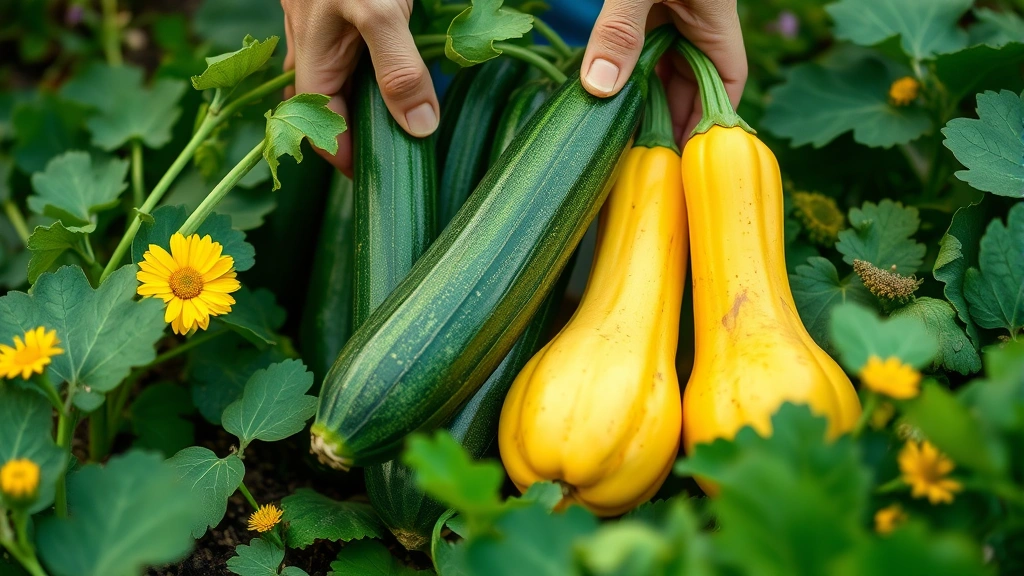
Zucchini and summer squash are prolific producers that quickly become kitchen staples. A single plant often provides more than a family can eat, making them perfect for sharing with friends and experimenting with new recipes. They’re excellent for grilling, spiralizing, baking, and stuffing.
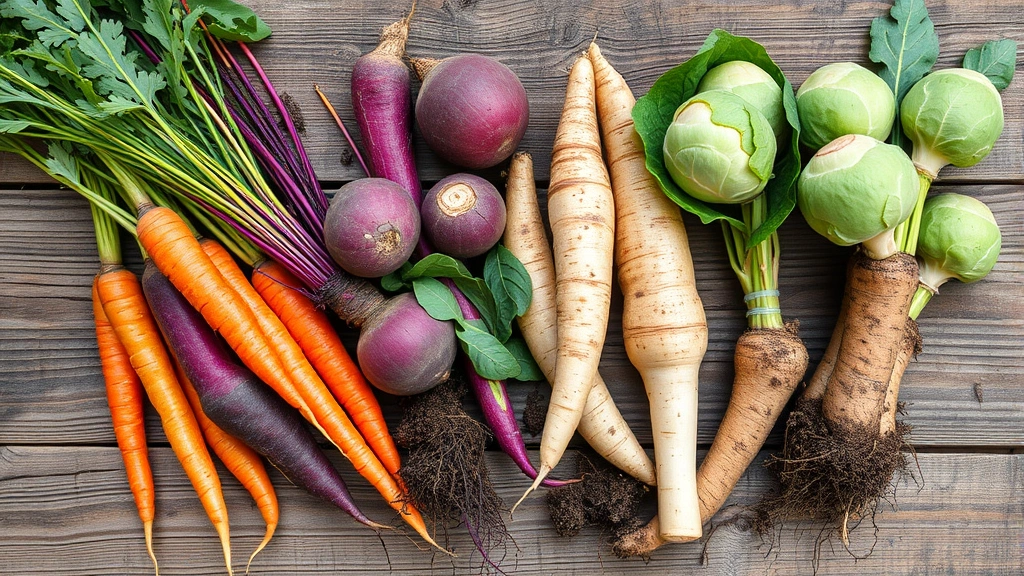
Carrots in various colors and sizes add sweetness and vibrant color to dishes. Rainbow varieties including purple, red, yellow, and white carrots make visually stunning roasted vegetable platters. Carrots store exceptionally well, extending their availability throughout winter.
Onions and garlic form the flavor foundation for countless recipes. Growing your own garlic is remarkably easy—plant cloves in fall and harvest the following summer. Onions in different varieties (sweet, storage, red) provide options for raw and cooked applications.
Spring Garden Recipes for Fresh Beginnings
Spring vegetables celebrate rebirth and renewal with bright, delicate flavors. This season features tender greens, baby vegetables, and fresh herbs that inspire lighter cooking after winter’s heavier fare.
Wilted Garlic Spinach with Lemon is a simple yet elegant side dish. Sauté fresh spinach with minced garlic, finish with fresh lemon juice, and drizzle with quality olive oil. The bright acidity cuts through the earthy greens perfectly. Serve alongside grilled fish or roasted chicken for a restaurant-quality meal.
Spring Salad with Tender Lettuces and Edible Flowers showcases the season’s delicate produce. Combine various lettuce varieties you’ve grown with peppery arugula, fresh herbs like dill and chervil, and edible flowers such as nasturtiums or calendula. A simple vinaigrette of Dijon mustard, shallots, and quality vinegar lets the vegetables’ subtle flavors shine.
Fresh Pea and Mint Soup captures spring’s essence in a bowl. Shell fresh peas from your garden (or frozen if fresh aren’t available), simmer with vegetable broth, potatoes, and onions, then blend until silky. Finish with fresh mint, a dollop of crème fraîche, and crispy prosciutto for textural contrast.
Roasted Baby Carrots with Caraway Seeds transforms humble root vegetables into something special. Toss baby carrots with olive oil, caraway seeds, and a touch of honey, then roast until caramelized. The slight anise flavor of caraway complements carrots’ natural sweetness beautifully.
To ensure your spring garden thrives, review our gardening tips for beginners and plan your planting schedule accordingly. Understanding your local frost dates helps you time plantings for maximum spring harvests.
Creamy Asparagus and Herb Pasta celebrates one of spring’s most anticipated vegetables. Blanch fresh asparagus briefly, then toss with warm pasta, a light cream sauce infused with fresh tarragon or chervil, and grated Parmesan. The tender spears provide a delicate counterpoint to the rich sauce.
Summer Harvest Cooking Ideas
Summer gardens burst with abundance, providing opportunities for bold flavors and vibrant colors. This season’s vegetables are at their peak sweetness and require minimal manipulation to shine.
Classic Caprese Salad showcases perfectly ripe tomatoes you’ve grown. Layer sliced tomatoes with fresh mozzarella and basil (also from your garden), drizzle with excellent olive oil and aged balsamic vinegar, and finish with fleur de sel and cracked pepper. The simplicity lets each ingredient’s quality speak for itself.
Charred Zucchini with Garlic and Mint transforms prolific summer squash into something memorable. Slice zucchini lengthwise, char hard in a hot skillet, then toss with minced raw garlic, fresh mint, lemon zest, and quality olive oil. The contrast between charred exterior and tender interior creates textural interest.
Roasted Pepper and Tomato Soup captures summer’s essence in liquid form. Roast fresh peppers and tomatoes until their skins blister, then blend with caramelized onions, vegetable broth, and cream. A swirl of basil oil and crispy croutons complete the presentation.
Grilled Vegetable Medley celebrates the season’s variety. Slice eggplant, zucchini, peppers, and onions, toss with olive oil and herbs, then grill until tender with beautiful char marks. Finish with fresh lemon juice and torn basil. This dish works as a side or light main course.
Fresh Salsa Verde showcases green tomatoes and cilantro. Roast tomatillos (if you’re growing them) and green tomatoes with jalapeños and onions, then blend with fresh cilantro, lime juice, and garlic. This versatile condiment pairs with grilled meats, fish, or crispy tortilla chips.
Stuffed Peppers with Garden Vegetables creates impressive individual servings. Hollow out bell peppers, then fill with a mixture of cooked rice, diced tomatoes, corn, black beans, and spices. Top with cheese and bake until peppers are tender. Each pepper becomes an edible vessel for flavors you’ve cultivated.
Cucumber Salad with Dill and Sour Cream provides refreshing relief on hot days. Slice fresh cucumbers thin, salt lightly to draw out excess moisture, then dress with a simple mixture of sour cream, fresh dill, shallots, and vinegar. This Eastern European-inspired dish complements grilled meats perfectly.
Fall and Winter Vegetable Dishes
As temperatures cool, vegetables develop deeper flavors and heartier textures. Fall and winter cooking celebrates these robust root vegetables and hardy greens with warming preparations.
Roasted Root Vegetable Hash becomes a satisfying breakfast or side dish. Cube carrots, beets, parsnips, and potatoes, toss with olive oil and herbs, then roast until caramelized. Serve topped with a fried egg and fresh herbs for a complete meal.
Braised Kale with Garlic and Bacon transforms sturdy greens into something irresistible. Cook bacon until crispy, remove and set aside, then sauté chopped kale in the rendered fat with garlic. Deglaze with vegetable broth or apple cider, then finish with the crumbled bacon. The slight bitterness of kale balances the rich bacon perfectly.
Roasted Brussels Sprouts with Balsamic Glaze converts skeptics into enthusiasts. Halve fresh Brussels sprouts, toss with olive oil and salt, then roast cut-side down until deeply caramelized. Finish with aged balsamic vinegar and a touch of honey for sweet-savory complexity.
Root Vegetable Gratin showcases autumn’s bounty in an elegant dish. Layer thinly sliced carrots, parsnips, and potatoes, pour over a cream sauce infused with thyme and garlic, then bake until bubbling and golden. This dish improves when made ahead, allowing flavors to meld.
Hearty Vegetable Soup becomes a winter staple. Sauté diced onions, carrots, and celery, add cubed potatoes and chopped greens, then simmer in vegetable or chicken broth until tender. Season generously and finish with fresh herbs. This adaptable recipe accommodates whatever vegetables you have available.
For fall and winter success, proper garden soil preparation ensures nutrients are available when cool-season crops need them. Understanding your soil’s composition helps you grow vegetables with superior flavor and nutritional density.
Roasted Garlic Mashed Potatoes become comfort food perfection when made with homegrown potatoes and garlic. Boil potatoes until tender, roast whole garlic cloves separately, then mash together with butter, cream, and fresh herbs. The roasted garlic becomes sweet and mellow, providing deep savory notes.
Fermented Vegetables extend your harvest’s lifespan while creating probiotic-rich condiments. Slice cucumbers, cabbage, or other vegetables, pack into jars with salt and spices, then let ferment at room temperature for weeks. The resulting tangy vegetables add complexity to meals while supporting digestive health.
Herb Gardens for Culinary Excellence
While vegetables provide the foundation, fresh herbs elevate dishes from good to exceptional. Growing a dedicated herb garden ensures you always have aromatic ingredients at your fingertips.
Mediterranean Herbs including basil, oregano, thyme, and rosemary thrive in warm weather and well-draining soil. These sun-loving perennials (except annual basil) return year after year, becoming more established and productive. Use fresh in Italian dishes, or dry for winter cooking.
Tender Herbs like cilantro, dill, parsley, and chives prefer cooler temperatures and regular moisture. These fast-growing herbs bolt quickly in heat, so succession plant every 2-3 weeks for continuous harvests. Use generously—they’re relatively inexpensive to grow in quantity.
Asian Herbs including Thai basil, Vietnamese coriander, and Chinese chives expand your culinary repertoire. Thai basil’s peppery notes enhance curries and stir-fries, while Vietnamese coriander’s lemony flavor brightens soups and spring rolls. These specialty herbs are expensive in stores but prolific in gardens.
Herb Butters preserve herbs’ flavors while creating elegant finishing touches. Blend softened butter with finely chopped fresh herbs, roll in parchment, and freeze. Slice rounds onto warm vegetables, grilled meats, or fresh bread for instant restaurant-quality presentation.
Herb Oils capture fresh flavors in liquid form. Blanch herbs briefly, shock in ice water, then blend with neutral oil and strain through fine mesh. These vibrant oils add visual appeal and fresh flavor to finished dishes.
Herb Vinegars infuse vinegars with aromatic flavors over several weeks. Pack jars with fresh herbs and cover with quality vinegar, then strain after 3-4 weeks. Use in dressings, marinades, and finishing touches.
Storage and Preservation Techniques
Maximizing your harvest requires understanding proper storage and preservation methods. These techniques extend your garden’s culinary contributions well beyond the growing season.
Refrigeration extends most vegetables’ shelf life significantly. Store tomatoes at room temperature until ripe, then refrigerate. Keep leafy greens in breathable containers with paper towels to absorb excess moisture. Store root vegetables in the coldest part of your refrigerator, where they last weeks or months.
Root Cellar Storage preserves vegetables in cool, humid conditions. Carrots, beets, parsnips, and potatoes last months when stored in boxes of damp sand or sawdust at temperatures around 32-40°F. This traditional method requires minimal equipment while providing excellent results.
Freezing preserves vegetables quickly and simply. Blanch vegetables briefly in boiling water, shock in ice water, drain thoroughly, then freeze in airtight containers. Frozen vegetables work beautifully in soups, stews, and cooked dishes, though they lose textural integrity for raw applications.
Canning creates shelf-stable preserved vegetables ideal for gifts and long-term storage. Tomato sauces, pickles, and vegetable relishes require proper technique to ensure safety. Consider taking a canning course from your local cooperative extension service for detailed guidance.
Dehydrating concentrates vegetables’ flavors while creating shelf-stable ingredients. Tomatoes, peppers, and herbs dry beautifully in a dehydrator or low oven. Rehydrate in soups and stews, or use dried as textural elements in finished dishes.
Pickling transforms vegetables into tangy condiments. Beyond cucumbers, try pickling onions, peppers, green tomatoes, and cauliflower. The acidic brine preserves vegetables while adding complexity that enhances countless dishes.
When planning your preservation strategy, consider raised bed gardening for better moisture control and easier harvesting. Well-organized gardens produce more uniform crops that ripen together, simplifying preservation efforts.
Fermentation creates probiotic-rich vegetables through simple salt and time. Slice vegetables, pack into jars with salt and spices, then allow beneficial bacteria to ferment the vegetables naturally. The resulting tangy vegetables add complexity while supporting digestive health, and they last months in cool storage.
FAQ
What vegetables are easiest for beginners to grow for cooking?
Tomatoes, zucchini, peppers, and lettuce offer reliable harvests with minimal fussing. These vegetables are forgiving of beginner mistakes and produce abundantly. Start with 3-5 varieties your first year, then expand once you’ve gained confidence.
How can I grow more flavorful vegetables than store-bought?
Flavor develops through proper soil nutrition, adequate sunlight, consistent watering, and harvesting at peak ripeness. Heirloom varieties often taste superior to commercial hybrids bred for shipping and shelf life rather than flavor. Taste vegetables minutes after harvesting—the difference is remarkable.
What’s the best way to transition from gardening to cooking?
Start with simple recipes featuring one or two homegrown ingredients, building confidence before attempting complex dishes. Many of the best recipes highlight vegetables’ natural flavors rather than masking them with heavy sauces. Fresh tomato sauce, simply roasted vegetables, and fresh salads showcase garden produce beautifully.
Can I grow cooking vegetables in containers?
Absolutely. Tomatoes, peppers, herbs, and even cucumbers in pots thrive in containers with proper drainage and regular watering. Container gardening works perfectly for apartment dwellers or those with limited space.
How do I plan a garden that produces throughout the year?
Succession plant cool-season crops (lettuce, spinach, peas) in spring and fall, while warm-season crops (tomatoes, peppers, squash) fill summer. In mild climates, hardy greens and root vegetables provide winter harvests. Plan your garden considering your climate and desired harvest schedule.
What’s the difference between slicing and paste tomato varieties?
Slicing tomatoes like Brandywine contain more water and larger seed cavities, making them perfect for fresh eating and salads. Paste tomatoes like San Marzano have dense flesh, fewer seeds, and less water, concentrating their sugars for superior sauce. For cooking, paste varieties produce richer results.
How do I know when vegetables are ripe for harvest?
Each vegetable has specific ripeness indicators. Tomatoes should be fully colored and yield slightly to pressure. Peppers can be harvested green or left to mature to red, yellow, or orange for increased sweetness. Cucumbers taste best when harvested at 6-8 inches, before seeds enlarge. Leafy greens are tender when young and gradually become tougher as they mature.


