Creating a Thai Garden? Expert Essentials Guide
A Thai garden captures the essence of Southeast Asian horticulture, blending ornamental plants, culinary herbs, and water features into a serene outdoor sanctuary. Whether you’re drawn to the vibrant colors of tropical blooms, the aromatic appeal of Thai cooking herbs, or the peaceful ambiance of traditional Thai landscape design, creating an authentic Thai garden requires understanding both the aesthetic principles and practical growing requirements. This comprehensive guide walks you through everything needed to establish and maintain a thriving Thai garden in your climate zone.
Thai gardens represent a harmonious balance between nature and human design, featuring lush vegetation, strategic water placement, and carefully selected plants that thrive in warm, humid conditions. The style emphasizes natural beauty while maintaining organized spaces for relaxation and reflection. With proper planning and knowledge of suitable plants, you can transform your outdoor space into a tropical haven that celebrates Thai horticultural traditions.
Understanding Thai Garden Design Principles
Thai garden design philosophy emphasizes balance, harmony, and the integration of natural elements with human spaces. Unlike Western formal gardens, Thai gardens celebrate organic shapes, asymmetrical arrangements, and the interplay between solid structures and flowing vegetation. The style draws inspiration from Buddhist temple gardens, where every element serves both aesthetic and spiritual purposes.
The foundational principle involves creating distinct zones within your garden space. These zones might include meditation areas, cultivation beds for herbs and vegetables, and decorative displays featuring flowering plants. Pathways should wind naturally through the garden rather than following straight lines, encouraging visitors to slow down and appreciate the surroundings. Stone or gravel paths work particularly well, as they provide practical access while maintaining the natural aesthetic.
When starting a flower garden with Thai influences, consider how plants interact with light and shadow. Thai gardens typically feature layered planting—tall trees creating canopy shade, medium shrubs in the middle layer, and low-growing herbs and groundcovers at ground level. This vertical arrangement maximizes space, creates visual interest, and provides microclimates suitable for different plant varieties.
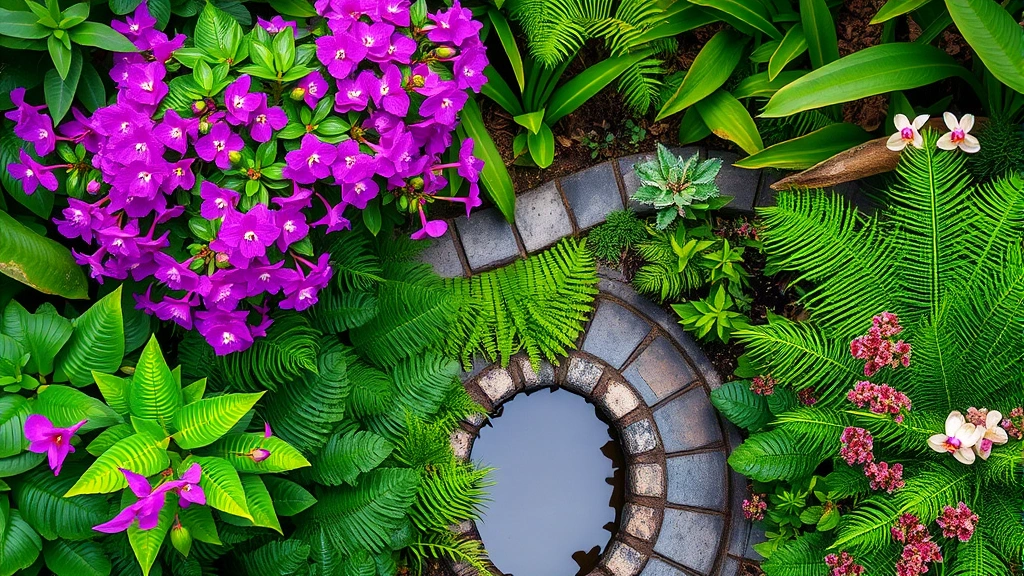
Water is central to Thai garden design. Whether incorporating a small pond, fountain, or water channel, water features add movement, sound, and reflective qualities that enhance the peaceful atmosphere. Many traditional Thai gardens include shallow pools for aquatic plants and fish, creating dynamic focal points that draw the eye and soothe the mind.
Essential Plants for Your Thai Garden
Selecting appropriate plants is crucial for creating an authentic and thriving Thai garden. The ideal selections combine ornamental appeal with practical growing requirements suited to your climate. Most traditional Thai plants prefer warm temperatures, humidity, and well-draining soil rich in organic matter.
Orchids represent quintessential Thai garden plants, with hundreds of varieties flourishing in tropical conditions. These elegant flowers symbolize grace and beauty in Thai culture. Dendrobium orchids, in particular, thrive in warm, humid environments with indirect light. Their long-lasting blooms provide color throughout seasons, and they pair beautifully with other tropical plants in mixed arrangements.
Bougainvillea offers vibrant color in pink, purple, red, and orange hues. These resilient plants tolerate heat and require minimal water once established, making them excellent for warm climates. Their papery bracts (not true flowers) create dramatic displays that evoke the vivid landscapes of Thailand.
Jasmine plants, including night-blooming jasmine and Arabian jasmine, fill Thai gardens with intoxicating fragrance. These climbing vines work wonderfully on trellises or arbors, creating fragrant screens and intimate spaces. Their delicate white flowers bloom prolifically during warm months.
Plumeria (frangipani) produces exquisitely scented flowers in white, yellow, pink, and red combinations. These tropical trees grow well in containers or in-ground, and their sculptural branching structure adds architectural interest to garden designs. Plumeria requires warm temperatures and well-draining soil for optimal growth.
Heliconia (lobster claw flowers) bring dramatic, exotic appeal with their distinctive red, orange, or yellow bracts. These tropical plants create bold focal points and attract hummingbirds and other pollinators. They prefer partial shade and consistent moisture.
Anthurium plants provide glossy, heart-shaped leaves and long-lasting waxy flowers in red, pink, or white. These tropical plants thrive in humid environments with indirect light, making them suitable for shaded areas of your Thai garden.
When starting your gardening journey, remember that foliage plants are equally important. Ferns, elephant ear plants, and various tropical leaf varieties create textural backdrops that highlight flowering specimens. The combination of bold foliage and delicate blooms characterizes authentic Thai garden aesthetics.
Bamboo serves practical and aesthetic purposes in Thai gardens. Clumping varieties create natural screens and windbreaks without spreading invasively. Bamboo’s rustling leaves add auditory dimension to garden experiences, and its vertical lines emphasize the layered planting approach central to Thai design.

Creating the Perfect Growing Environment
Thai plants generally prefer warm, humid conditions with temperatures between 70-85°F (21-29°C). However, most can tolerate brief cooler periods if acclimated gradually. Understanding your hardiness zone helps determine which plants will thrive year-round versus those requiring seasonal adjustments.
Soil preparation is fundamental to success. Thai gardens benefit from properly prepared garden soil enriched with organic matter. Most tropical plants prefer slightly acidic to neutral soil (pH 6.0-7.0) with excellent drainage. Amend native soil with compost, peat moss, and perlite to create the loose, well-draining medium these plants require.
Humidity is critical for many Thai plants, particularly orchids and ferns. In drier climates, increase humidity by grouping plants together, using mulch to retain soil moisture, and misting foliage regularly. Container gardening allows strategic placement in naturally humid microclimates, such as near water features or in sheltered corners.
Light requirements vary among Thai plants. Most flowering species prefer bright, indirect light rather than full sun exposure. Orchids, in particular, thrive with dappled shade provided by larger trees or shade cloth. Foliage plants like ferns and anthuriums tolerate lower light conditions, making them suitable for garden areas beneath trees or near structures.
For cooler climates, raised bed gardening offers advantages for Thai plant cultivation. Raised beds provide superior drainage, allow soil amendment customization, and warm more quickly in spring. They also facilitate easier maintenance and can be positioned to capture optimal sunlight throughout seasons.
Consider incorporating mulch to maintain soil moisture, regulate temperature, and suppress weeds. Organic mulches like shredded bark or coconut coir break down over time, continuously improving soil structure. Maintain 2-3 inches of mulch around plants, keeping it slightly away from stems to prevent rot.
Water Features and Hardscaping
Water features define many authentic Thai gardens, providing visual interest, cooling effects, and soothing ambient sounds. These elements range from simple birdbaths to elaborate ponds with aquatic plants and fish.
Small water features work well in limited spaces. A shallow basin with floating lotus or water lilies creates an elegant focal point requiring minimal maintenance. These aquatic plants produce stunning flowers and provide habitat for beneficial insects and amphibians. Lotus, sacred in Thai Buddhism, symbolizes spiritual awakening and represents an excellent choice for meaningful garden elements.
Larger ponds support more diverse ecosystems. Include varying depths to accommodate different aquatic plants and provide habitat diversity. Marginal plants like papyrus and umbrella sedge soften pond edges while filtering water naturally. Submerged plants improve water quality, and fish add movement and practical mosquito control.
Pathways and hardscaping materials significantly influence Thai garden ambiance. Natural stone, gravel, or stepping stones create wandering paths that encourage slow exploration. Materials should complement the organic aesthetic rather than dominating it—avoid harsh geometric patterns in favor of flowing curves and natural arrangements.
Consider incorporating traditional Thai elements like stone lanterns, Buddha statues, or wooden pavilions (salas). These focal points provide cultural authenticity while offering practical shade and shelter. Position them thoughtfully within garden compositions to create natural gathering spaces and meditation areas.
Bridges, whether simple wooden constructions or arched designs, add both functionality and romance to gardens with water features. A bridge crossing a pond or stream creates a distinct sense of transition and journey, encouraging contemplation.
Thai Herbs and Edible Plants
Thai cuisine relies on distinctive herbs and plants that grow beautifully in dedicated garden spaces. These culinary plants combine ornamental appeal with practical harvest value, making them perfect for integrated gardens.
Thai basil (Ocimum basilicum var. thyrsiflora) produces purple flowers and anise-scented leaves essential for traditional dishes. This annual thrives in warm conditions and requires minimal care. Plant successive crops throughout growing season for continuous harvests.
Lemongrass (Cymbopogon citratus) grows as an attractive clumping grass with culinary and medicinal applications. Its fragrant, citrus-scented foliage adds texture to garden compositions while providing essential ingredient for Thai soups and curries. Lemongrass tolerates container growth and brings indoors during cold months.
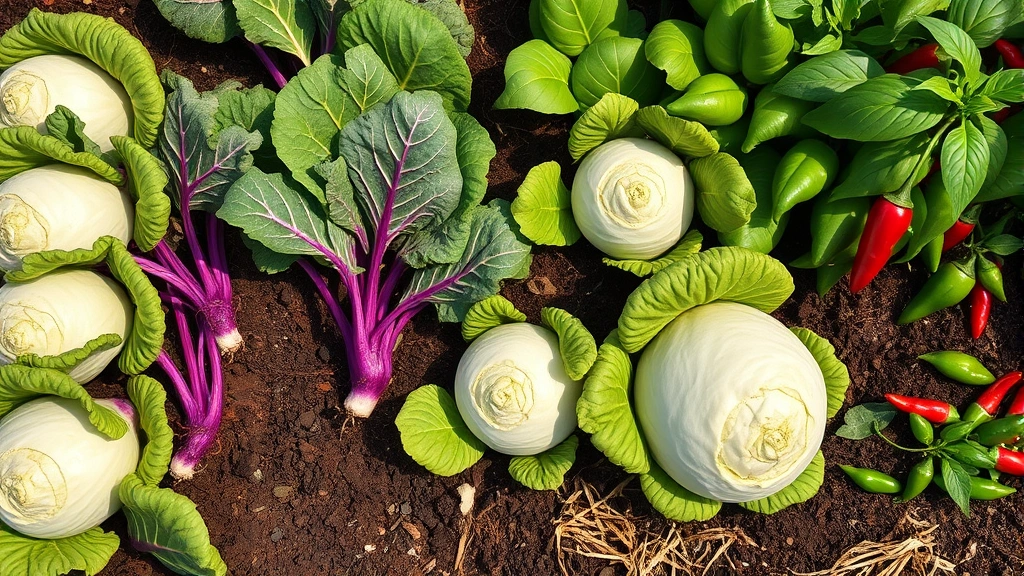
Thai chili peppers produce small, fiery fruits on ornamental plants. These tropical perennials thrive in warm, sunny locations and provide continuous harvests. Their colorful fruits in red, yellow, or orange create visual interest alongside ornamental plantings.
Galangal (Alpinia galanga) represents a tropical ginger relative with aromatic rhizomes used extensively in Thai cooking. This tall perennial produces beautiful white and red flowers while developing flavorful underground stems. Galangal prefers partial shade and consistent moisture.
Cilantro (Coriander) and mint varieties provide fresh garnishes and flavor components. While cilantro prefers cooler conditions and bolts quickly in heat, various mint species (particularly Thai mint) thrive in warm climates. Contain mint in dedicated beds or containers to prevent aggressive spreading.
When growing vegetables and herbs for beginners, start with hardy species like basil, lemongrass, and chili peppers. These resilient plants tolerate minor mistakes while producing abundant harvests, building confidence for expanding cultivation.
Turmeric (Curcuma longa) and ginger (Zingiber officinale) grow as underground rhizomes with attractive foliage aboveground. These tropical perennials require warm conditions and well-draining soil enriched with organic matter. Harvest rhizomes after foliage dies back in autumn.

Seasonal Care and Maintenance
Thai gardens require year-round attention, with care strategies varying by season and climate zone. Understanding seasonal patterns helps optimize plant health and appearance throughout the year.
Spring (March-May) marks the beginning of active growth in most regions. As temperatures warm, increase watering frequency and begin fertilizing established plants. This is ideal timing for propagating plants through cuttings or division, expanding your collection cost-effectively. Prune winter-damaged growth and shape plants for upcoming blooming seasons.
Summer (June-August) presents peak growing conditions for tropical plants. Maintain consistent moisture, as heat increases evaporation rates. Increase misting for humidity-loving plants like orchids and ferns. Provide afternoon shade for sensitive species in extremely hot climates using shade cloth or strategic tree positioning. Monitor for pests and diseases that thrive in warm, humid conditions.
Autumn (September-November) transitions gardens toward dormancy in cooler regions. Gradually reduce watering and fertilizing as growth slows. Harvest culinary herbs and prepare tropical plants for potential cold exposure. In warm climates, autumn may trigger second blooming cycles for many plants.
Winter (December-February) requires protective measures in areas with freezing temperatures. Bring tender tropical plants indoors or protect with frost cloth. Reduce watering significantly, as dormant plants require less moisture. This period allows garden reflection and planning for upcoming seasons.
Regular fertilizing supports vigorous growth and abundant flowering. Use balanced, slow-release fertilizers formulated for tropical plants, or apply diluted liquid fertilizers every 2-3 weeks during growing season. Reduce fertilizing during dormant periods to prevent tender new growth susceptible to cold damage.
Pruning maintains plant shape, encourages branching, and removes diseased wood. Most Thai plants tolerate regular pruning, which stimulates fuller growth and more abundant blooms. Prune immediately after flowering to allow new growth time for developing flower buds.
Common Challenges and Solutions
Thai gardens in non-tropical climates face specific challenges requiring adaptation strategies. Understanding these issues and solutions ensures successful cultivation.
Cold temperatures represent the primary challenge for tropical plants in temperate regions. Protect sensitive plants with frost cloth, move containers to sheltered locations, or grow tender species as annuals, replacing them yearly. Hardier species like bougainvillea and jasmine tolerate occasional freezing if acclimated gradually.
Low humidity affects orchids, ferns, and other moisture-loving plants. Increase humidity through grouping plants together, using pebble trays filled with water, installing humidifiers, or misting foliage regularly. Container gardening allows strategic placement in naturally humid microclimates.
Pest infestations including spider mites, scale insects, and mealybugs thrive on tropical plants, particularly indoors. Monitor foliage regularly and treat infestations promptly with insecticidal soap or neem oil. Isolate affected plants to prevent spread to healthy specimens.
Fungal diseases develop in conditions combining warmth and high humidity. Ensure adequate air circulation, avoid overhead watering, and remove affected foliage promptly. Fungicidal treatments may be necessary for severe infections.
Inadequate light causes leggy growth and reduced flowering. Assess light conditions throughout the day and adjust plant placement accordingly. Supplement natural light with grow lights during winter months in temperate regions, particularly for orchids and flowering plants.
Poor drainage leads to root rot and fungal problems. Amend soil thoroughly with perlite and organic matter to ensure excellent drainage. Use containers with drainage holes and avoid overwatering, which represents the most common cause of tropical plant failure.
Nutrient deficiencies manifest as yellowing foliage, stunted growth, or reduced flowering. Address through regular fertilizing with products formulated for tropical plants. Foliar feeding provides quick nutrient absorption when plants show deficiency symptoms.
FAQ
Can I create a Thai garden in a temperate climate?
Yes, absolutely. Focus on cold-hardy tropical species like bougainvillea, jasmine, and hardy ferns. Grow tender plants in containers that move indoors during winter. Use hardscaping, water features, and design principles to capture Thai aesthetics regardless of climate. Many gardeners successfully maintain Thai-inspired gardens across diverse regions by adapting plant selections.
What’s the best soil mix for Thai plants?
Combine equal parts quality potting soil, compost, and perlite for excellent drainage with nutrient retention. For in-ground planting, amend native soil with 3-4 inches of compost and perlite worked into the top 12 inches. Thai plants prefer slightly acidic, well-draining soil rich in organic matter.
How often should I water Thai garden plants?
Watering frequency depends on temperature, humidity, soil type, and plant species. Generally, water when top 1-2 inches of soil become dry. In hot, dry conditions, daily watering may be necessary. During cooler seasons, reduce frequency significantly. Always prioritize drainage over frequent watering to prevent root rot.
Which Thai herbs can I grow indoors?
Thai basil, mint, cilantro, and lemongrass grow successfully indoors with adequate light. Place containers near south-facing windows or supplement with grow lights. Ensure good air circulation and avoid overwatering. Harvest regularly to encourage bushy growth and maintain plant vigor.
Are Thai plants suitable for container gardening?
Most Thai plants thrive in containers, offering flexibility for seasonal movement and space-saving cultivation. Use well-draining potting soil, containers with drainage holes, and appropriately-sized pots—slightly larger than root systems. Container growing allows moving tender plants indoors during cold months.
What’s the significance of water features in Thai gardens?
Water represents essential design elements in Thai gardens, providing cooling effects, soothing sounds, and visual interest. Water features often include aquatic plants like lotus, symbolizing spiritual significance in Thai Buddhist tradition. Even small water elements create meaningful focal points and enhance garden ambiance.
How do I prevent pests in Thai gardens?
Monitor plants regularly for early pest detection. Maintain good air circulation to discourage fungal problems. Use organic pest management strategies including insecticidal soap, neem oil, and hand removal. Isolate infested plants to prevent spread. Healthy, well-maintained plants resist pests more effectively than stressed specimens.
Can I grow Thai plants from seeds?
Many Thai plants propagate successfully from seeds, though orchids and some others prove more challenging. Start seeds in warm, humid conditions with appropriate lighting. Research specific propagation requirements for target plants. Comprehensive propagation guides provide detailed instructions for various species.