Hunan Garden Design: Landscape Architect Insights for Creating Authentic Asian Gardens
Hunan garden design represents one of China’s most distinctive regional landscape traditions, blending practical cultivation with philosophical aesthetics that have influenced gardening practices for centuries. These gardens emerge from the lush, mountainous terrain of Hunan Province, where water features, native plants, and carefully composed vistas create harmonious outdoor spaces that balance human intervention with natural beauty. Understanding Hunan garden principles allows contemporary gardeners and landscape architects to incorporate these timeless design elements into modern residential and commercial properties.
The essence of a Hunan garden lies in its ability to capture the region’s dramatic topography and subtropical climate within carefully defined boundaries. Unlike formal European gardens with geometric precision, Hunan gardens embrace asymmetry, layering, and the principle of “borrowed scenery”—where external landscape features become visual extensions of the garden itself. This approach transforms even modest garden spaces into contemplative environments that encourage exploration and reflection.

Historical Foundations of Hunan Garden Design
Hunan’s gardening traditions developed over more than two millennia, shaped by the region’s subtropical climate, abundant water resources, and rich philosophical heritage. The province’s mountainous landscape and extensive river systems provided both inspiration and practical constraints for garden designers working within limited spaces. Scholars, poets, and wealthy merchants created private gardens as retreats for artistic pursuits, scholarly reflection, and social gatherings during the Ming and Qing dynasties.
These historical gardens served multiple functions simultaneously—they provided fresh vegetables and medicinal herbs through gardening tips for beginners, while their aesthetic design conveyed cultural refinement and philosophical wisdom. The integration of productive and ornamental elements reflects a distinctly Chinese approach to landscape architecture that rejects the Western separation between utility and beauty. Studying preserved Hunan gardens reveals sophisticated understanding of microclimates, seasonal plant behavior, and spatial composition that contemporary designers continue to reference.
The influence of Buddhist and Taoist philosophy permeates traditional Hunan garden design. Concepts such as balance between opposing forces (yin-yang), harmony with natural processes, and the spiritual significance of specific landscape elements guided every design decision. Mountains represented stability and permanence, while water symbolized fluidity, life force, and the passage of time. These symbolic dimensions transformed gardens into three-dimensional expressions of philosophical principles.

Core Design Principles and Philosophy
Authentically implementing Hunan garden design requires understanding five fundamental principles that distinguish this approach from other landscape traditions. These principles work synergistically to create gardens that feel both intentional and naturally composed.
Framing and Perspective: Hunan gardens deliberately control sightlines through strategically placed walls, pavilions, and vegetation. Rather than revealing the entire garden at once, designers create a sequence of framed views that unfold as visitors move through the space. Each vantage point offers a carefully composed landscape painting, with foreground, middle ground, and background elements arranged according to principles of Chinese landscape painting.
Balance of Elements: The dynamic equilibrium between solid and void, dense and open, dark and light creates visual interest without chaos. Plantings occupy perhaps 40-50% of the garden area, leaving substantial open space for water, paving, and contemplation. This restraint contrasts sharply with Victorian-era garden maximalism and reflects confidence in the power of empty space.
Integration of Water: Whether through formal ponds, naturalistic streams, or subtle moisture-loving plantings, water represents the circulatory system of Hunan gardens. Water features serve practical functions—temperature moderation, humidity increase, and plant irrigation—while simultaneously embodying philosophical significance and creating dynamic visual and auditory elements.
Respect for Natural Processes: Rather than imposing rigid control, Hunan garden design works with climate, topography, and plant ecology. Designers select species adapted to local conditions and arrange them in communities that support one another. This ecological awareness creates gardens that require less intensive management while appearing more naturally composed.
Seasonal Transformation: The garden should reveal different character throughout the year. Spring bulbs, summer flowering shrubs, autumn foliage, and winter structure plants ensure continuous visual interest. This seasonal awareness reflects the Chinese philosophical emphasis on cycles and transformation.
Water Features and Aquatic Elements
Water occupies a central role in Hunan garden design, functioning as landscape focal point, philosophical symbol, and practical garden component. The approach to water differs fundamentally from Western fountain-centric traditions, emphasizing naturalistic forms and subtle movement over dramatic display.
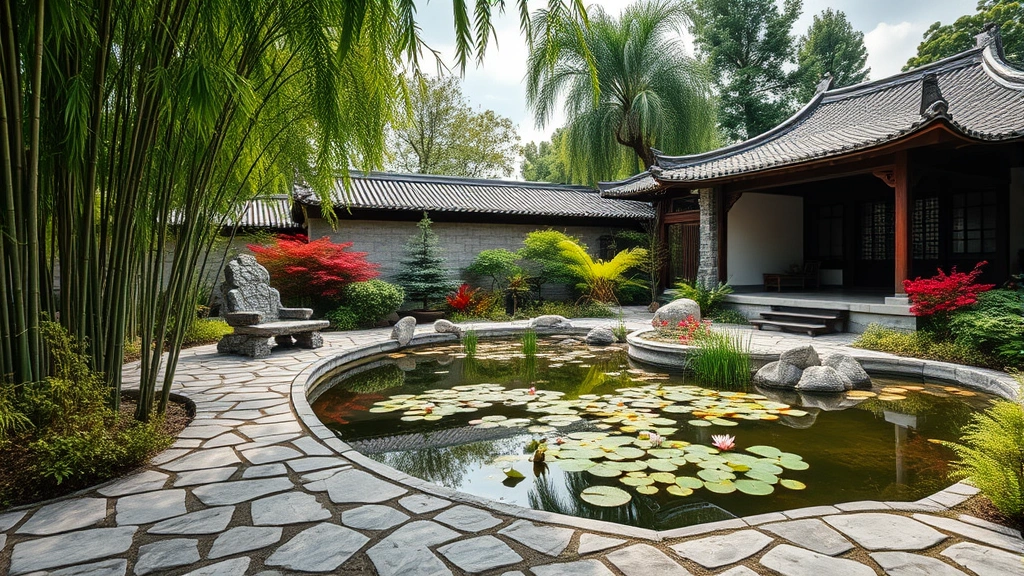
Pond Design and Construction: Traditional Hunan ponds feature irregular shorelines that mimic natural water bodies, with gentle curves rather than geometric shapes. The depth varies strategically—shallow margins support marginal plants and aquatic insects, while deeper zones (3-4 feet minimum) maintain water quality and support fish populations. Designers typically position the main viewing area so that water reflects sky, expanding the perceived garden size and introducing light and movement.
When preparing garden soil adjacent to water features, incorporate moisture-retentive amendments and select plants tolerant of occasional flooding. The transition zone between water and dry land—typically 1-2 feet wide—requires special attention, as this microhabitat supports distinctive plant communities that enhance ecological value.
Stream and Waterfall Integration: Rather than artificial-looking cascades, Hunan gardens favor subtle water movement through naturalistic streams that appear to flow from distant mountains. The sound of gently flowing water provides sensory interest without the aggressive noise of recirculating fountains. Stone placement and careful grading create the illusion of water emerging from the landscape itself, with no visible mechanical components.
Aquatic and Marginal Plants: Water lilies, lotus (particularly significant in Buddhist-influenced gardens), sedges, and moisture-loving ferns create the visual and ecological framework for water features. These plantings soften hard edges, provide habitat for beneficial insects and amphibians, and create reflective surfaces that enhance the water’s visual impact. The selection of aquatic plants should reflect seasonal change—some species offer spring growth, others summer bloom, and many provide autumn color.
Plant Selection and Cultivation Strategies
Successful Hunan garden design depends on selecting plants that thrive in your local climate while evoking the aesthetic and ecological character of authentic Hunan landscapes. The traditional palette emphasizes foliage texture and form over showy flowers, though carefully chosen flowering plants provide seasonal accents.
Essential Plant Categories: Bamboo species create vertical interest, sound, and cultural authenticity—though gardeners must contain running varieties within root barriers to prevent aggressive spread. Prunus species (flowering cherries, plums, and apricots) provide spring color and cultural significance. Maples—particularly Japanese cultivars that mirror Chinese species—offer delicate foliage and reliable autumn color. Magnolias deliver early spring flowers and architectural branching structure.
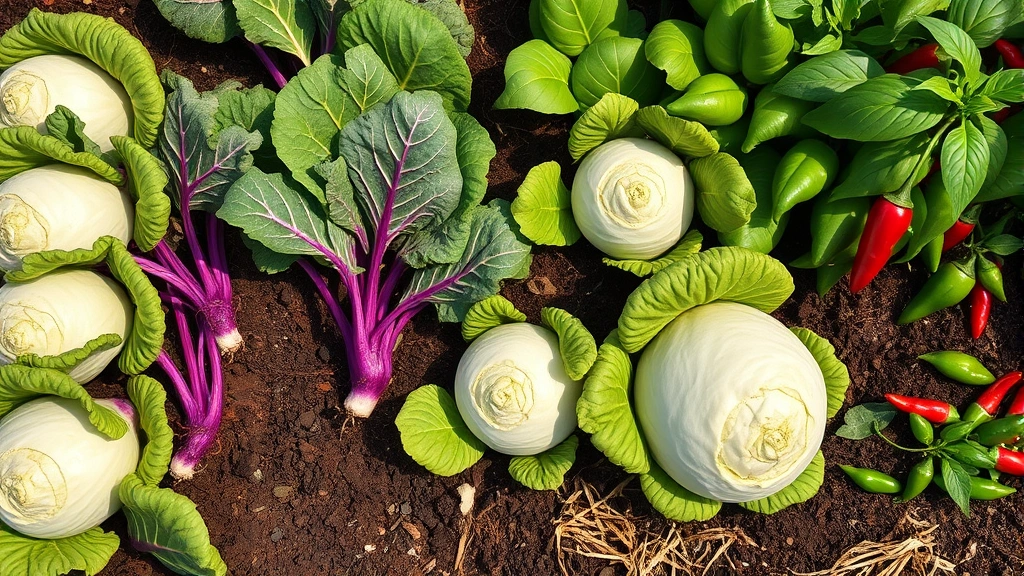
For easy to grow vegetables for beginners, integrate edible plants into ornamental plantings rather than segregating them into separate beds. Chinese vegetables like bok choy, Chinese broccoli, and amaranth grow rapidly in subtropical conditions and can be cultivated in containers or integrated into mixed plantings. This approach honors the historical integration of productive and aesthetic gardening.
Foliage and Texture Focus: Rather than relying on flower color, Hunan gardens employ sophisticated foliage combinations. Hostas provide shade tolerance and textural contrast. Ferns—both deciduous and evergreen species—create delicate, naturalistic effects. Grasses add movement and winter structure. Evergreen shrubs like Ilex (holly) and Euonymus provide year-round framework.
When selecting plants, consider how their forms change through seasons. Deciduous species reveal architectural branching structure in winter, create dappled shade in summer, and display foliage color in autumn. Evergreens provide winter structure and serve as backdrops for seasonal color. This layering creates dynamic visual interest without requiring constant maintenance or replacement.
Propagation and Expansion: Understanding how to propagate plants allows gardeners to expand their collections economically while deepening engagement with individual species. Many traditional Hunan garden plants propagate readily from cuttings—bamboo divisions, maple seeds, and flowering cherry cuttings all establish reliably with proper technique. This practice connects contemporary gardeners to historical practices where plant material moved between gardens through personal networks rather than commercial nurseries.
Hardscape Materials and Structural Elements
The non-plant elements of Hunan gardens—pathways, pavilions, walls, and decorative stones—require as much careful consideration as vegetation. These elements provide structure, define space, and create the framework within which plants develop.
Paving and Pathways: Traditional Hunan gardens employ irregular stone paving that encourages slow, contemplative movement. Rather than efficient straight paths, designers create winding routes that reveal new vistas around each turn. Paving materials vary—smooth stones for formal areas, rougher surfaces for naturalistic zones, and occasionally stepping stones that require conscious attention to placement. The rhythm of stepping stones creates a meditative walking experience while allowing plants to soften hardscape edges.
Walls and Screens: Walls serve multiple functions in Hunan garden design. They define garden boundaries, provide backdrop for plantings, create privacy, and offer surface for climbing plants. Rather than solid barriers, many traditional walls feature decorative openings (moon gates, lattice screens) that frame views and allow visual connection between spaces. These openings typically frame a specific vista—a flowering tree, distant mountain, or water feature—transforming the wall from barrier into a carefully composed viewing frame.
Pavilions and Seating Areas: Open-sided structures provide shelter while maintaining visual connection to the garden. These pavilions serve as viewing platforms where visitors pause to contemplate specific landscape compositions. The placement of seating areas follows principles of sightline control—positioned to offer views of water features, flowering plants, or architectural elements while screening less attractive views.
Decorative Stones and Rock Placement: Individual rocks function as sculptural elements and philosophical symbols. Large stones might represent mountains or permanence, while water-worn rocks suggest natural processes and time’s passage. Rock placement follows principles derived from landscape painting—rocks appear to emerge naturally from earth rather than sitting obviously on the surface. Groupings of three stones of varying heights create dynamic compositions, while single specimen rocks serve as focal points.
Creating Seasonal Interest and Transitions
Authentic Hunan gardens reveal different character throughout the year, with each season offering distinct visual and sensory experiences. This seasonal awareness requires deliberate plant selection and garden composition that supports year-round interest.
Spring Emergence: Early spring brings bulbs (daffodils, tulips adapted to subtropical conditions), flowering cherries, magnolias, and emerging bamboo shoots. The garden awakens with fresh growth and delicate colors. This season emphasizes renewal and optimism, with tender new foliage and fragrant flowers dominating the sensory experience.
Summer Lushness: Summer transforms the garden into dense, green abundance. Flowering shrubs reach peak bloom, water features become increasingly important for temperature moderation, and shade becomes a valuable commodity. The emphasis shifts to foliage texture, with flowering plants providing accents rather than dominant features. Humidity and warmth accelerate growth, requiring attention to plant maintenance and pest management.
Autumn Transformation: Deciduous trees display spectacular foliage color—crimsons, oranges, and golds—before leaf drop. This season emphasizes impermanence and natural cycles. As plants shed foliage, architectural elements become more visible, and the garden’s structural composition emerges. Late-blooming plants like chrysanthemums and autumn-flowering grasses extend the color season.
Winter Quietude: Evergreen plants become dominant visual elements, while deciduous trees reveal their branching structure. Frost patterns on foliage create temporary aesthetic interest. The bare garden emphasizes form, texture, and the beauty of architectural elements. Winter represents the garden’s most philosophical season—stripped of ornament, essential structures become apparent.
Practical Implementation for Modern Gardeners
Translating Hunan garden design principles into contemporary residential landscapes requires adaptation to different climates, smaller spaces, and modern lifestyle expectations. However, the fundamental principles remain applicable across varied contexts.
Space Adaptation: Hunan principles work beautifully in small urban gardens, container plantings, and suburban landscapes. The emphasis on careful composition and restrained plant palette means that limited space becomes an advantage rather than constraint. A 500-square-foot urban garden can incorporate all essential Hunan design elements—water feature, seating area, layered plantings, and carefully framed views.
Climate Considerations: Gardeners in temperate climates should select cold-hardy alternatives to traditional Hunan species. Japanese maples substitute for Chinese species, while native understory plants replace tropical elements. The design principles remain consistent even as specific plant choices shift to match local growing conditions.
Raised Bed Integration: For gardeners interested in combining productive and ornamental elements, the advantages of raised bed gardening align well with Hunan design principles. Raised beds create architectural interest, improve soil conditions, and facilitate integration of edible plants within ornamental compositions. Their elevated form creates vertical interest and clear spatial definition that echoes traditional garden structure.
Maintenance and Sustainability: Authentic Hunan gardens require thoughtful maintenance rather than intensive labor. By selecting plants appropriate to local climate and arranging them in ecological communities, gardeners minimize the need for supplemental watering, fertilizing, and pest management. Regular pruning maintains plant form and encourages dense growth, while seasonal cleanup supports plant health and garden aesthetics.
Budget-Conscious Approaches: Significant Hunan garden elements require minimal financial investment. Stones can be sourced locally or salvaged from construction projects. Bamboo, maples, and other traditional plants propagate readily, allowing gardeners to build collections gradually. Water features can begin simply—a modest basin or birdbath—and expand over time as budget and skill develop.
For gardeners seeking comprehensive guidance, consulting the American Society of Landscape Architects directory can connect you with professionals experienced in Asian garden design. The New York Botanical Garden and Huntington Library both maintain exceptional Asian gardens that offer inspiration and educational programming. Regional cooperative extension services provide climate-specific plant recommendations and growing guidance. For detailed plant information, the USDA Plant Hardiness Database helps identify species suitable for your growing zone.
FAQ
What is the primary philosophy behind Hunan garden design?
Hunan garden design balances human creativity with natural processes, emphasizing harmony between built elements and living plants. The philosophy integrates Buddhist and Taoist principles, viewing gardens as expressions of cosmological principles where water represents life force, stones embody permanence, and plants symbolize growth and renewal. Rather than imposing rigid control, designers work with natural topography and climate to create landscapes that feel both intentional and organically composed.
Can I create a Hunan-style garden in a small urban space?
Absolutely. Hunan design principles actually suit small spaces particularly well, as the emphasis on careful composition and restrained plant palette transforms limited areas into contemplative environments. A 200-300 square foot urban garden can incorporate essential elements—a small water feature, layered plantings of varying heights, carefully positioned seating, and framed views. Container gardening works beautifully for this approach, allowing you to create Hunan aesthetics even in balcony or patio settings.
Which plants are essential for an authentic Hunan garden?
Bamboo, Japanese maples, flowering cherries, magnolias, hostas, ferns, and evergreen shrubs form the traditional palette. However, authentic implementation means selecting species adapted to your local climate. Consult regional native plant lists and work with local nurseries to identify appropriate substitutes that maintain the aesthetic and ecological principles of Hunan design. Seasonal interest plants—those offering spring flowers, summer foliage, autumn color, and winter structure—deserve priority.
How important is water in Hunan garden design?
Water holds philosophical and practical significance in Hunan gardens. It represents life force, creates sensory interest through sound and movement, moderates temperature and humidity, and supports beneficial wildlife. However, water features range from elaborate ponds to simple basins. Even gardeners without space for full ponds can incorporate water through containers, fountains, or moisture-loving plantings that create the visual and ecological effects associated with water features.
What is the best season to design and install a Hunan garden?
Fall (September-November) offers ideal conditions—temperatures moderate plant stress, autumn rainfall reduces irrigation needs, and spring growth follows installation. However, you can begin planning and hardscape installation any season. Planting trees and large shrubs in fall or early spring (when dormant) maximizes establishment success. Smaller perennials and groundcovers can be planted spring through fall, adjusting watering frequency based on season and local rainfall patterns.
How do I incorporate edible plants into a Hunan garden design?
Traditional Hunan gardens integrated vegetables, herbs, and fruits within ornamental compositions rather than segregating them. Select productive plants with attractive foliage or form—Chinese vegetables like bok choy and Chinese broccoli, herbs like scallions and cilantro, and fruit-bearing shrubs like serviceberry or Japanese quince. Position them where their seasonal productivity and appearance contribute to overall garden composition rather than detracting from it.