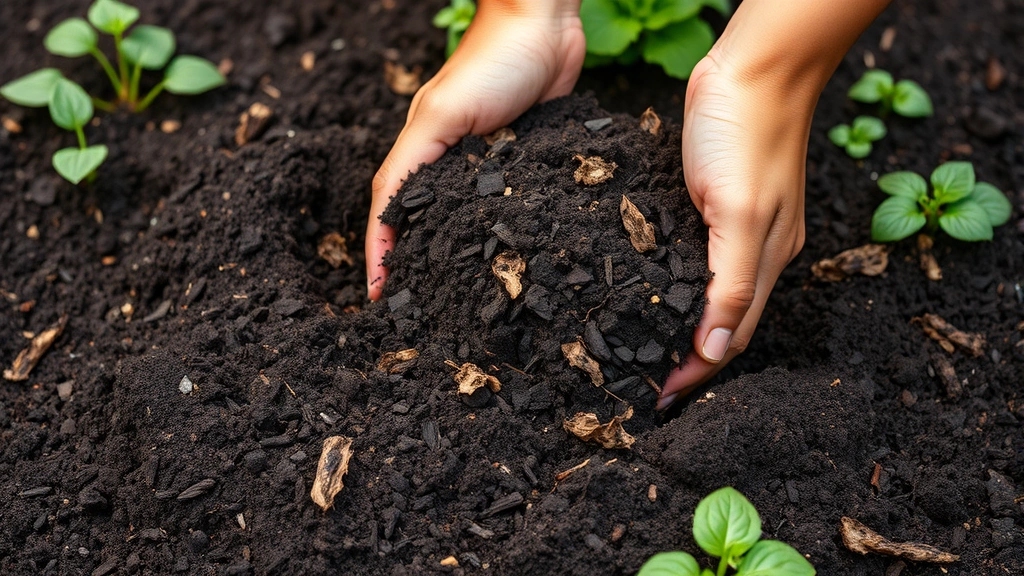
Best Fertilizer for Veggies? Horticulturist Insights
Growing vibrant, nutrient-rich vegetables starts with understanding one fundamental principle: soil fertility directly impacts plant health, yield, and nutritional quality. Whether you’re cultivating tomatoes in raised beds, lettuce in containers, or root vegetables in traditional garden plots, the right fertilizer transforms ordinary soil into a thriving ecosystem that nourishes your crops from seed to harvest.
As a horticulturist with over fifteen years of experience helping gardeners maximize their vegetable production, I’ve tested countless fertilizer products, formulations, and application methods. The results consistently show that success depends less on finding the single “best” fertilizer and more on understanding your soil’s unique needs, your vegetables’ growth stage, and the timing of nutrient delivery. This comprehensive guide distills evidence-based insights into practical recommendations you can implement immediately.
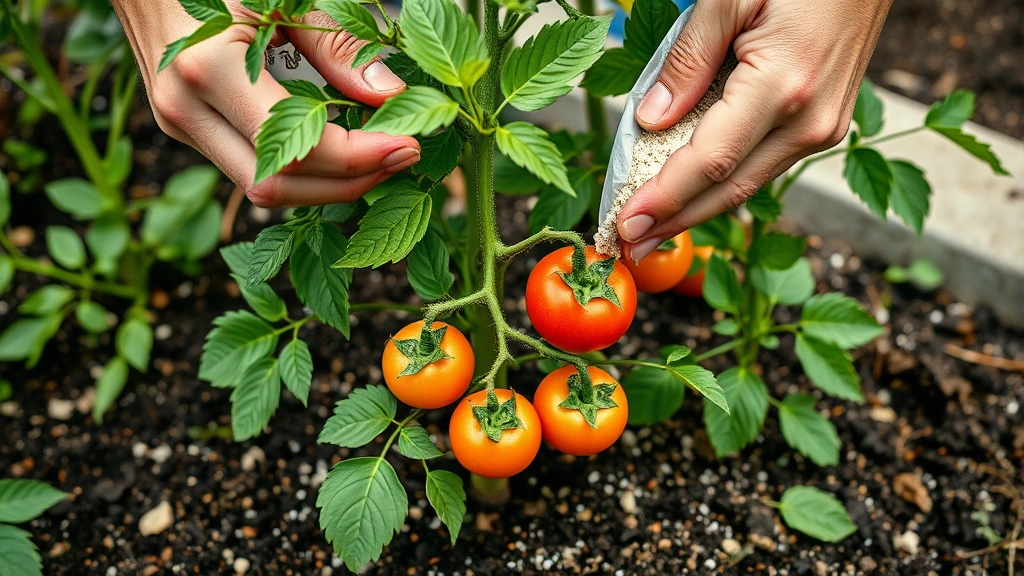
Understanding NPK and Macronutrients
Every fertilizer package displays three numbers—the NPK ratio—representing nitrogen (N), phosphorus (P), and potassium (K) percentages by weight. Understanding this trio is essential because each nutrient plays a distinct role in vegetable development:
- Nitrogen drives leafy growth and chlorophyll production, making it critical for growing cucumbers and other foliage-heavy crops. Nitrogen is highly mobile in soil, meaning vegetables access it quickly but it also leaches away faster than other nutrients.
- Phosphorus strengthens root systems, promotes flowering, and supports fruit development—essential for tomatoes, peppers, and squash production. Unlike nitrogen, phosphorus moves slowly through soil and builds up over time with consistent applications.
- Potassium enhances disease resistance, improves flavor development, and strengthens plant cell walls. It regulates water uptake and helps vegetables survive environmental stress like drought or temperature fluctuations.
Beyond NPK, secondary macronutrients—calcium, magnesium, and sulfur—and micronutrients including iron, manganese, zinc, and boron support specific physiological functions. A balanced fertilizer addresses these needs, but targeted applications sometimes deliver superior results for particular vegetables.
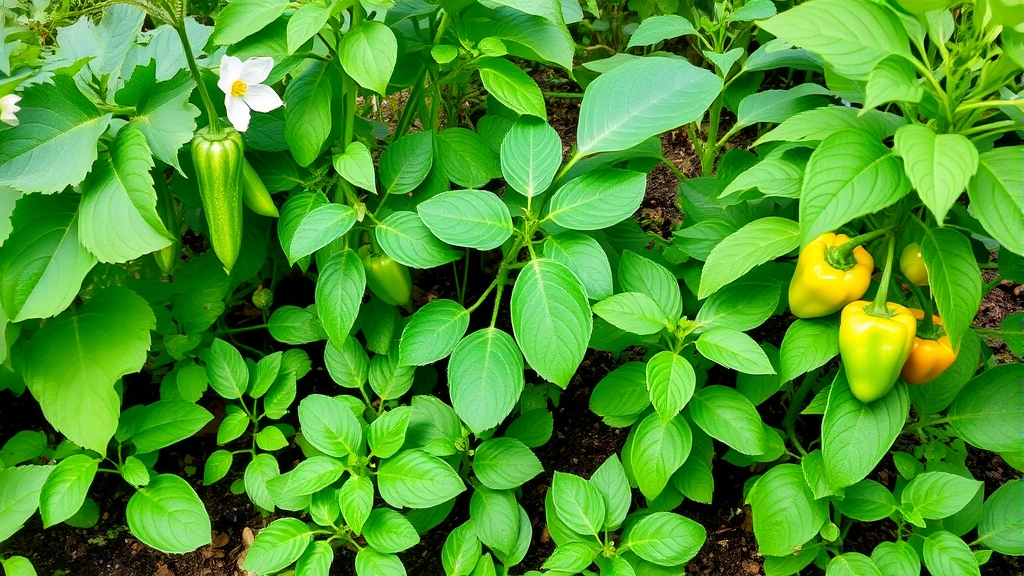
Organic vs. Synthetic Fertilizers: Which Works Better
The organic versus synthetic debate often becomes ideological, but horticulturists evaluate them based on effectiveness, environmental impact, and practical results. Both categories have legitimate advantages:
Organic Fertilizers derive from natural sources—compost, animal manures, bone meal, fish emulsion, kelp extracts, and plant-based materials. Benefits include:
- Improving soil structure and microbial activity over time
- Releasing nutrients gradually, reducing leaching losses and burn risk
- Building soil organic matter that enhances water retention and nutrient availability
- Containing trace minerals and beneficial compounds beyond basic NPK
- Aligning with sustainable and regenerative gardening philosophies
Synthetic (Chemical) Fertilizers contain manufactured nutrients in soluble, highly available forms. Their strengths include:
- Delivering precise nutrient ratios tailored to specific growth stages
- Producing rapid visible results, especially for correcting deficiencies
- Offering consistent composition batch-to-batch
- Requiring smaller application volumes for equivalent nutrient delivery
- Providing cost-effectiveness for large-scale vegetable production
Research demonstrates that vegetable yields and nutritional content depend primarily on total nutrient availability rather than fertilizer source. A well-managed garden using quality synthetic fertilizers produces vegetables equal in nutrition to those grown with organic amendments. However, vegetables in raised garden beds often benefit from the soil-building properties of organic fertilizers, particularly when establishing new beds.
The practical recommendation: combine both approaches. Use organic amendments like compost and aged manure as your soil foundation (building fertility and structure), then supplement with targeted organic or synthetic fertilizers during the growing season to maintain consistent nutrient availability.
Best Fertilizers by Vegetable Type
Different vegetables have distinct nutritional demands based on which plant parts we harvest and their growth timelines. Matching fertilizers to crop types dramatically improves results:
Leafy Greens (Lettuce, Spinach, Kale) prioritize nitrogen for rapid foliage expansion. Apply a balanced fertilizer like 10-10-10 at planting, then side-dress with nitrogen-rich amendments (blood meal, fish emulsion, or 21-0-0 synthetic fertilizers) every 2-3 weeks. These fast-growing crops mature within 30-60 days, so consistent nitrogen availability prevents yellowing and bitterness.
Fruiting Vegetables (Tomatoes, Peppers, Eggplant) require higher phosphorus and potassium to support flowering and fruit set. Start seedlings with balanced 5-10-10 fertilizer, then transition to formulations emphasizing phosphorus and potassium (like 5-20-20 or tomato-specific products) once flowering begins. This shift prevents excessive vegetative growth that delays fruiting.
Root Vegetables (Carrots, Beets, Turnips) benefit from moderate nitrogen (excess promotes forked roots) and adequate potassium for smooth, uniform development. A balanced 10-10-10 applied at planting and again at mid-season supports steady growth without complications.
Legumes (Beans, Peas) form symbiotic relationships with nitrogen-fixing bacteria, so they require minimal nitrogen fertilizer. Excessive nitrogen actually reduces their ability to form these beneficial associations. Focus instead on phosphorus and potassium with a 5-10-10 formulation.
Cucurbits (Squash, Cucumber, Melon) are heavy feeders requiring consistent nutrition throughout their extended growing season. Begin with 10-10-10 at planting, then feed every 3-4 weeks with balanced or slightly nitrogen-rich formulations. Growing cucumbers in pots particularly benefits from regular fertilization since container soil depletes faster than garden beds.
Brassicas (Broccoli, Cabbage, Cauliflower) demand consistent nitrogen for head formation and are also susceptible to boron deficiency. Apply 10-10-10 at transplanting, then side-dress with nitrogen every 3 weeks. Consider adding boron-containing fertilizers if your soil test indicates deficiency.
Application Methods and Timing
Fertilizer effectiveness depends as much on application method and timing as on product selection. Different approaches suit different situations:
Pre-Plant Incorporation involves mixing fertilizer into soil 1-2 weeks before planting. This method works best for organic amendments and slow-release products. Incorporate compost, aged manure, bone meal, or balanced synthetic fertilizers into the top 6-8 inches of soil. This approach provides baseline nutrition and improves soil structure simultaneously.
Side-Dressing applies fertilizer alongside growing plants, typically 3-6 inches from stems. Scatter granular fertilizer in a band around plants, then water thoroughly to dissolve and move nutrients into the root zone. This method works excellently for mid-season feeding and allows you to adjust nutrition based on plant appearance. Time side-dressing applications every 3-4 weeks for heavy feeders, every 6-8 weeks for moderate feeders.
Foliar Feeding sprays diluted liquid fertilizer directly onto leaves, allowing rapid nutrient absorption through stomata. This method corrects deficiencies quickly and supplements soil feeding during critical growth stages. Apply foliar sprays in early morning or late evening to prevent leaf burn, and repeat every 7-10 days as needed.
Fertigation delivers dissolved fertilizer through irrigation systems, providing consistent nutrition with water. This method suits container gardening and drip irrigation systems particularly well. Dilute liquid fertilizers to half-strength and apply with each watering, or use full-strength applications weekly.
Liquid Feeding involves mixing liquid concentrates or soluble powders into water and applying to soil. This approach offers flexibility and allows quick adjustments to feeding schedules. Fish emulsion, kelp extracts, and synthetic liquid fertilizers all work effectively this way.
Timing matters enormously. Apply nitrogen-rich fertilizers when plants are actively growing and require rapid foliage development. Shift to phosphorus and potassium-dominant formulations when plants transition to flowering and fruiting. Reduce or cease feeding 3-4 weeks before harvest to allow flavors to concentrate and nutrients to translocate to harvestable parts.
Seasonal Feeding Strategies
Vegetable gardens experience distinct seasonal rhythms that should guide your fertilization program:
Spring (Planting Season) focuses on establishing strong root systems and initial growth. Pre-incorporate balanced fertilizers into prepared beds, then apply starter solutions (high phosphorus formulations like 10-52-10) to transplants at planting. This early phosphorus boost encourages root development crucial for summer productivity. As plants establish and warm weather arrives, transition to balanced or nitrogen-rich feeding to support vegetative growth.
Summer (Peak Growth) demands the most intensive fertilization. Vegetables grow rapidly, produce heavily, and deplete soil nutrients quickly. Implement a regular feeding schedule—weekly for containers, every 2-3 weeks for in-ground gardens. Monitor plants for signs of nutrient deficiency (yellowing leaves, slow growth, poor flowering) and adjust feeding intensity accordingly. High temperatures can actually increase nutrient availability, so avoid over-feeding which promotes excessive vegetative growth at the expense of fruit production.
Fall (Extended Season) allows cooler temperatures to slow growth naturally. Reduce nitrogen feeding to prevent tender new growth vulnerable to early frost. Continue moderate phosphorus and potassium applications to support final fruit production and flavor development. Stop fertilizing 4-6 weeks before your first expected frost to allow plants to harden off.
Winter (Off-Season) in cold climates is the ideal time to build soil fertility for next year. Incorporate compost, aged manure, and slow-release organic amendments into beds. Conduct soil tests to identify nutrient imbalances. In mild climates growing winter vegetables, maintain light feeding schedules with cool-season formulations emphasizing potassium for cold hardiness.
Soil Testing and Custom Solutions
The most sophisticated fertilization programs begin with soil testing. A comprehensive soil test reveals:
- Current NPK levels and what nutrients are deficient or excessive
- Soil pH, which affects nutrient availability regardless of fertilizer application
- Organic matter content, indicating soil health and water-holding capacity
- Secondary nutrients and micronutrient status
- Specific recommendations for your soil and crop goals
Contact your local USDA Natural Resources Conservation Service office or university extension program to access soil testing services. Results guide precise fertilizer selection and application rates, eliminating guesswork and preventing over-application that wastes money and harms the environment.
Based on soil test results, you can develop custom fertilization programs. For example, if your soil tests high in phosphorus but deficient in potassium and magnesium, you’d select fertilizers emphasizing those nutrients while avoiding phosphorus additions. This targeted approach maximizes results while respecting your soil’s unique chemistry.
Common Fertilizer Mistakes to Avoid
Even well-intentioned gardeners sometimes apply fertilizer incorrectly, reducing effectiveness or causing harm:
Over-Fertilizing represents the most common error. Excess nutrients don’t increase yields—they wash away as pollution, accumulate to toxic levels, or create nutrient imbalances. Follow package directions carefully, and remember that more fertilizer never compensates for poor soil, inadequate water, or insufficient light.
Applying Fertilizer to Dry Soil can burn roots and prevent nutrient dissolution. Always water thoroughly before and after fertilizer applications to activate nutrients and move them into the root zone.
Ignoring Soil pH undermines all fertilization efforts. If your soil is too acidic or alkaline, nutrients become unavailable regardless of how much fertilizer you apply. Soil tests reveal pH, and amendments like lime (to raise pH) or sulfur (to lower pH) correct problems that fertilizers alone cannot solve.
Applying Wrong Fertilizer Ratios at Wrong Times reduces effectiveness. Nitrogen-heavy fertilizers applied when plants are flowering encourage foliage at the expense of fruit. Phosphorus-heavy products applied to young seedlings don’t address their actual nitrogen needs.
Neglecting Micronutrients causes subtle deficiencies that limit yields. Iron chlorosis (yellowing leaves with green veins) indicates iron deficiency common in high-pH soils. Blossom-end rot on tomatoes signals calcium deficiency. Comprehensive fertilizers address these issues, or targeted micronutrient applications correct specific problems.
Forgetting to Adjust for Container Growing leads to nutrient depletion. Vegetables growing in containers require more frequent fertilization than in-ground plants because container soil lacks the nutrient-buffering capacity of native soil. Weekly or bi-weekly feeding is often necessary for consistent production.
FAQ
What’s the fastest-acting fertilizer for vegetable gardens?
Liquid fertilizers and soluble powders act fastest because nutrients are already dissolved and immediately available to plant roots. Fish emulsion, kelp extract, and synthetic liquid fertilizers typically show visible results within 3-7 days. Granular products require moisture to dissolve, taking 1-2 weeks for full effect. For emergency nutrient correction, foliar feeding with liquid formulations provides the quickest response.
Can I use the same fertilizer for all my vegetables?
A balanced 10-10-10 fertilizer works adequately for most vegetables throughout the season, though not optimally for all crops. For maximum yields and quality, adjust fertilizer ratios to match growth stage and crop type. Leafy greens benefit from extra nitrogen, while fruiting vegetables need phosphorus and potassium emphasis. A single balanced product simplifies gardening but accepting slightly lower performance than tailored approaches.
How often should I fertilize vegetables?
Frequency depends on fertilizer type, crop, and growing method. Slow-release granular products applied at planting provide nutrition for 6-8 weeks. Balanced fertilizers typically require application every 3-4 weeks during the growing season. Heavy feeders like tomatoes and squash need feeding every 2-3 weeks. Container vegetables often need weekly feeding. Monitor plants—if growth slows or leaves yellow, increase feeding frequency.
Is homemade compost a complete fertilizer?
Homemade compost improves soil structure and provides some nutrition, but it’s rarely a complete fertilizer. Compost typically contains 0.5-1% nitrogen, 0.5% phosphorus, and 0.5% potassium—insufficient for heavy feeders. Use compost as your soil foundation, then supplement with additional fertilizers during the growing season to maintain adequate nutrition.
What causes yellowing leaves despite fertilizing?
Yellowing can indicate over-watering (root rot reducing nutrient uptake), pH problems (nutrients present but unavailable), specific micronutrient deficiencies (iron, magnesium, or nitrogen), pest damage, or disease. Examine leaf patterns: yellowing between veins suggests iron or magnesium deficiency; overall pale yellowing suggests nitrogen deficiency; spotting or mottling suggests disease. Adjust watering, check soil pH with a simple kit, and consider a micronutrient-containing fertilizer or foliar feeding before assuming more nitrogen is needed.
Can I apply fertilizer during extreme heat?
Applying fertilizer during peak heat (above 85°F) can stress plants. Water heavily before and after applications to prevent root burn. Liquid fertilizers diluted properly are safer than granular products in extreme heat. Early morning or late evening applications reduce stress. Consider reducing feeding intensity during heat waves—plants naturally slow growth, and heavy fertilization during stress rarely improves results.
When should I stop fertilizing before harvest?
Stop fertilizing 3-4 weeks before expected harvest for most vegetables. This final period allows plants to concentrate nutrients and flavors in fruits and leaves rather than continuing vegetative growth. For leafy greens harvested continuously, light feeding can continue until final harvest. For root vegetables, cease feeding when roots reach desired size.