Keyhole Garden Benefits: Expert Insights into This African-Inspired Design
A keyhole garden is a unique circular raised bed design that combines permaculture principles with practical gardening efficiency. Named for its distinctive shape—a circle with a wedge-shaped entrance—this innovative growing system originated in southern Africa and has gained significant popularity among sustainable gardeners worldwide. The design maximizes productivity while minimizing water waste, making it an excellent choice for gardeners seeking both functionality and beauty in their outdoor spaces.
Whether you’re interested in growing vegetables in raised garden beds or exploring main garden innovations, keyhole gardens offer surprising advantages that extend beyond their striking appearance. These gardens excel in water conservation, nutrient cycling, and space utilization—three critical factors for modern gardeners facing environmental concerns and limited growing areas.
What Is a Keyhole Garden?
A keyhole garden is a circular raised bed, typically 6 to 8 feet in diameter, featuring a wedge-shaped entrance that resembles a keyhole when viewed from above. At the center of the circular bed sits a composting basket or column—usually made from wire mesh, stones, or recycled materials—that serves as the garden’s nutrient and water delivery system. This central feature distinguishes keyhole gardens from standard garden border edging designs and makes them functionally superior for small-space gardening.
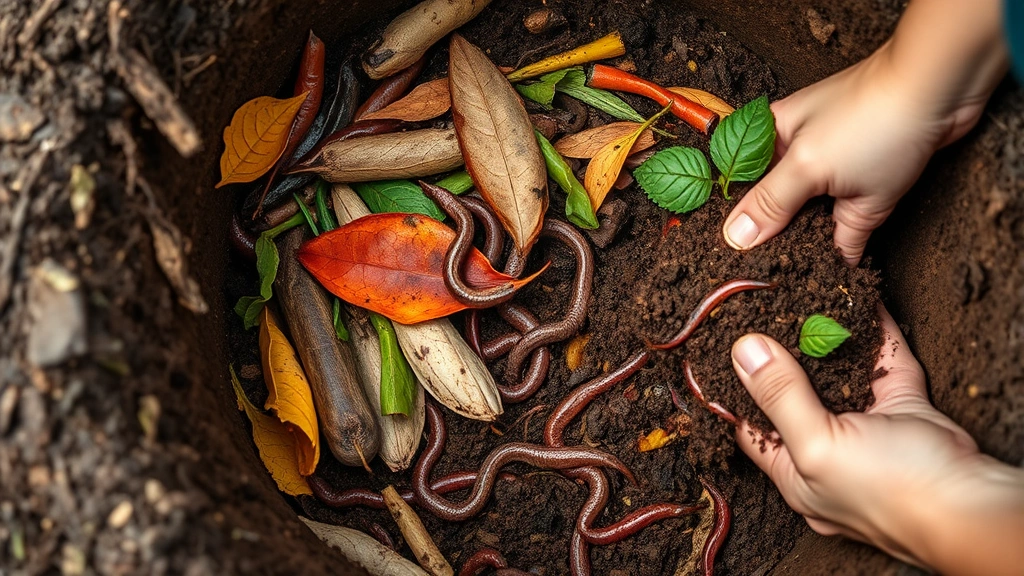
The composting core is filled with organic materials like kitchen scraps, grass clippings, and leaves. As these materials decompose, they release nutrients directly into the surrounding soil while simultaneously absorbing water. This dual-function design creates an efficient closed-loop system where nothing goes to waste. The entrance pathway allows gardeners to access the center for maintenance, harvesting, and composting tasks without stepping on planted areas or compacting the soil.
Originating in Zimbabwe and other southern African countries, keyhole gardens were developed to address water scarcity, poor soil conditions, and limited growing space. The design has since become popular in permaculture communities, sustainable agriculture programs, and home gardens across diverse climates. University Extension Services now recognize keyhole gardens as an effective permaculture strategy for resource-limited environments.
Water Efficiency and Conservation Benefits
Perhaps the most compelling advantage of keyhole gardens is their exceptional water efficiency. The composting basket in the center acts as a water-absorbing sponge, capturing and distributing moisture throughout the bed. When you water the compost core, the moisture gradually permeates into the surrounding soil, reducing evaporation and runoff compared to traditional flat garden beds.
This passive irrigation system is particularly valuable in arid climates or during drought conditions. Studies conducted by agricultural extension programs show that keyhole gardens require 30-50% less water than conventional raised beds while maintaining equal or superior plant productivity. The mulching effect created by the decomposing organic matter in the central basket further reduces water loss through evaporation.
The circular design itself contributes to water conservation. Unlike rectangular beds that have extended edges, circular configurations minimize the perimeter-to-area ratio, reducing the surface area exposed to sun and wind. This geometric advantage means less moisture escapes, and plants experience more consistent moisture levels throughout the growing season. Gardeners in semi-arid regions have reported maintaining thriving rain garden plants and vegetables with significantly reduced irrigation schedules.
Additionally, the keyhole design naturally directs water toward the center where it’s needed most. The sloped sides of the raised bed guide rainfall and irrigation water toward the composting basket, ensuring maximum absorption. This feature proves especially beneficial during heavy rains, preventing waterlogging in outer sections while maintaining adequate moisture in the root zone.
Soil Health and Nutrient Cycling
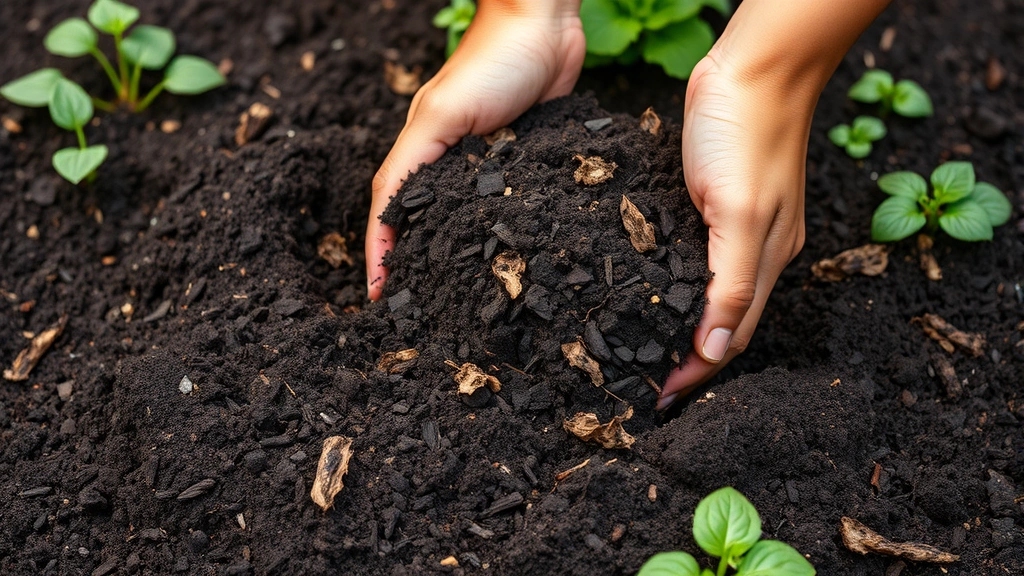
Keyhole gardens excel at building and maintaining healthy, nutrient-rich soil through continuous composting. The central basket becomes a living factory, constantly breaking down organic matter and converting it into plant-available nutrients. This eliminates the need for frequent applications of commercial fertilizers, reducing both garden expenses and environmental impact.
The decomposition process generates heat, which accelerates nutrient release and creates favorable conditions for beneficial microorganisms. Earthworms, mycorrhizal fungi, and beneficial bacteria thrive in the warm, organic-matter-rich environment created by the composting core. These organisms improve soil structure, enhance nutrient availability, and increase plants’ disease resistance.
Unlike traditional compost piles that require turning and management, the keyhole garden’s central basket operates passively. Gardeners simply add kitchen scraps and yard waste to the top, and decomposition proceeds naturally. The nutrient-rich “tea” that leaches from decomposing materials gradually enriches the surrounding soil, creating increasingly fertile growing conditions year after year.
This continuous nutrient cycling reduces the need for external inputs and creates a more sustainable gardening system. Gardeners report that soil quality in keyhole gardens improves noticeably within the first season, with darker, richer soil and increased organic matter content. The practice aligns perfectly with permaculture principles emphasizing closed-loop systems and minimal external inputs.
Composting research from environmental organizations confirms that in-situ composting methods like those used in keyhole gardens enhance soil health more effectively than external compost applications.
Space Optimization and Accessibility
Keyhole gardens maximize productivity per square foot, making them ideal for small spaces, urban gardens, and properties with limited growing areas. A single 6-foot-diameter keyhole bed produces vegetables and ornamentals equivalent to much larger traditional gardens because the nutrient-rich, continuously-improving soil supports dense planting and vigorous growth.
The circular design with central access eliminates the need for paths between rows or sections. Every part of the bed remains accessible from the keyhole entrance, meaning gardeners can reach plants for harvesting, pruning, and maintenance without stepping on soil or compacting it. This accessibility proves invaluable for elderly gardeners, individuals with mobility challenges, or anyone seeking ergonomic garden design.
The raised bed structure itself provides additional benefits. Elevated planting reduces strain on the back and knees during gardening tasks, making the keyhole garden an excellent choice for gardeners seeking garden art that’s also functionally accessible. The height can be adjusted during construction to suit individual needs, typically ranging from 18 inches to 3 feet tall.
Space efficiency extends beyond the footprint. Keyhole gardens support intensive planting patterns where vegetables, herbs, and flowers grow in closer proximity than traditional gardens. The superior soil conditions and consistent moisture support this density, and the design accommodates both vertical growing (trellises, stakes) and ground-level planting simultaneously.
Design and Aesthetic Advantages
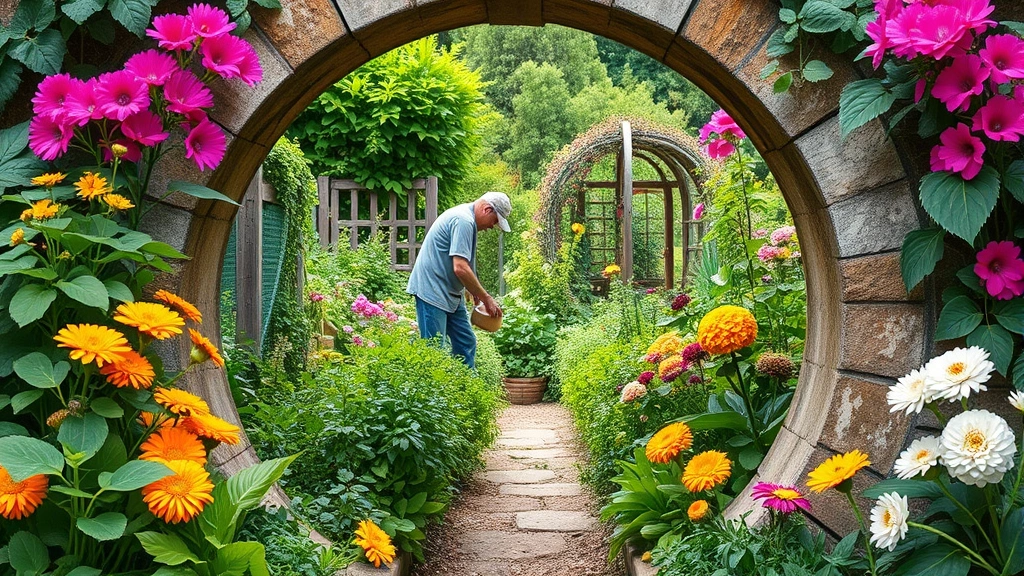
Beyond functionality, keyhole gardens offer substantial aesthetic appeal. The distinctive circular shape with wedge-shaped entrance creates visual interest and serves as a focal point in any landscape. The raised bed becomes a design element that enhances garden beauty while serving practical purposes—a perfect example of form following function.
Gardeners can customize keyhole gardens extensively. The outer ring can be planted with ornamental flowers, creating a beautiful perimeter while the inner sections produce vegetables and herbs. This mixed approach allows for stunning gardens that provide both food and visual appeal. Stone, brick, or wooden edging can be selected to complement existing landscape design.
The central composting basket can be constructed from visually appealing materials like stacked stone, decorative wire structures, or woven willow. These choices allow the functional core to become a design feature rather than an eyesore. Many gardeners incorporate the keyhole garden into garden art installations, creating stunning focal points that impress visitors while functioning efficiently.
The design naturally encourages organized, intentional planting. The clear structure of the circular bed with defined growing zones promotes thoughtful plant selection and arrangement. Gardeners often find that keyhole gardens inspire more creative plant combinations and more attractive overall landscape designs compared to traditional rectangular beds.
Getting Started with Your Keyhole Garden
Building a keyhole garden requires minimal materials and moderate effort. Begin by selecting a location receiving adequate sunlight for your intended plants—typically 6-8 hours daily for vegetables. Mark out your circular bed using a rope or garden hose, aiming for a 6-8 foot diameter that’s manageable yet productive.
Construct the outer ring using stone, brick, wood, or recycled materials. The structure should be 18-36 inches tall depending on your preferences and physical needs. Next, build the central composting basket using wire mesh, stacked stone, or woven branches. This core component should be roughly 2-3 feet in diameter and at least as tall as your bed walls.
Fill the composting basket with coarse organic materials like straw or wood chips at the base, followed by a mix of kitchen scraps, grass clippings, leaves, and yard waste. Layer materials alternately with soil for optimal decomposition. The outer growing area should be filled with high-quality garden soil amended with compost and organic matter.
For the entrance pathway, create a wedge-shaped opening approximately 2-3 feet wide at the outer edge. This provides comfortable access while minimizing the disruption to the growing area. You can line the pathway with stepping stones or leave it as mulched access space.
Water your new keyhole garden thoroughly before planting. Begin with the composting basket—this initial saturation helps activate the decomposition process and establishes moisture distribution patterns. Then plant your garden with vegetables, herbs, and flowers suitable for your climate zone and sunlight conditions.
Maintenance is straightforward. Continue adding organic materials to the central basket throughout the growing season. Water as needed, though less frequently than traditional gardens thanks to the moisture-retaining design. Harvest plants as they mature, and enjoy the increasingly productive garden as soil quality improves year after year.
For detailed guidance on construction and planting, consult Master Gardener programs in your region, which offer specialized training in keyhole garden design and management. Many programs now include keyhole gardens in their sustainable gardening curricula.
Consider incorporating rubber garden hoses for efficient watering of your keyhole garden system. Quality irrigation equipment ensures that water reaches the composting basket effectively and supports consistent moisture distribution throughout the growing season.
As your keyhole garden matures, you’ll notice increasingly vibrant plant growth, deeper soil color, and improved drought tolerance. The system becomes self-sustaining, requiring less external input each year while producing more abundantly. This self-improving characteristic distinguishes keyhole gardens from conventional gardening methods and explains their growing popularity among sustainable agriculture advocates.
The keyhole garden represents a convergence of ancient African agricultural wisdom and modern permaculture science. By combining water conservation, nutrient cycling, space optimization, and aesthetic design, these gardens offer comprehensive benefits for gardeners seeking sustainable, productive, and beautiful growing spaces. Whether you’re managing a small urban plot or expanding an existing garden, keyhole designs merit serious consideration.
FAQ
How much water do keyhole gardens save compared to traditional gardens?
Research indicates keyhole gardens use 30-50% less water than conventional raised beds while maintaining equal productivity. The composting basket’s water-absorbing properties and the circular design’s reduced perimeter minimize evaporation and runoff significantly.
Can I build a keyhole garden in cold climates?
Absolutely. Keyhole gardens function in all climates. In cold regions, the composting core generates additional warmth during decomposition, which can extend the growing season. The raised bed structure also improves drainage, preventing waterlogging in areas with heavy spring snowmelt.
What should I plant in a keyhole garden?
Keyhole gardens accommodate diverse plants. The outer ring suits flowers and ornamentals, while inner sections work well for vegetables, herbs, and leafy greens. The superior soil conditions support dense planting, allowing multiple crop types simultaneously.
How often should I add materials to the composting basket?
Add organic materials continuously throughout the growing season. Weekly additions of kitchen scraps and yard waste maintain active decomposition. The basket rarely needs emptying—it simply continues the composting cycle indefinitely.
Do keyhole gardens attract pests or wildlife issues?
Keyhole gardens don’t inherently attract more pests than traditional gardens. The raised structure and accessible design actually facilitate pest monitoring and management. Proper composting practices—avoiding meat and dairy—minimize pest attraction.
What’s the typical lifespan of a keyhole garden?
Well-constructed keyhole gardens last 10-20+ years depending on building materials. The growing system improves with age as soil quality increases. Periodic maintenance of the structural elements ensures longevity.