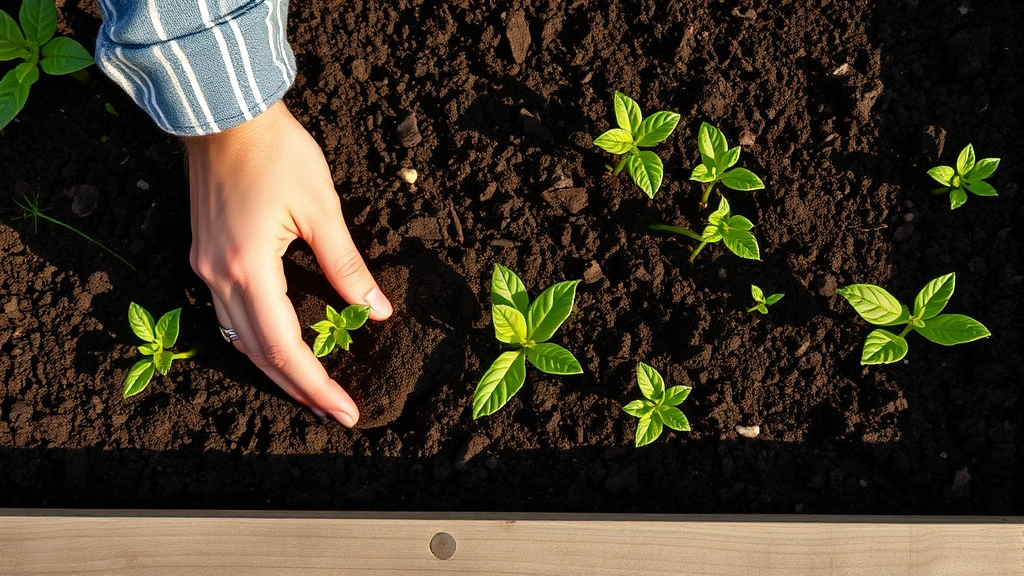
How to Start a Garden? Pro Tips for Beginners
Starting a garden can feel overwhelming when you’re just beginning, but with the right approach and mindset, anyone can grow thriving plants. Whether you dream of cultivating vegetables, flowers, or herbs, the fundamentals remain the same: understanding your space, preparing the soil, choosing appropriate plants, and maintaining consistency. This guide will walk you through every step of creating your first garden, transforming even a small corner of your yard into a productive green space.
The beauty of gardening lies in its accessibility. You don’t need acres of land, expensive equipment, or years of experience to start growing. Many successful gardeners began exactly where you are now—curious, eager, and ready to learn. By following these pro tips, you’ll avoid common beginner mistakes and set yourself up for success from day one.
Assess Your Growing Space and Sunlight
Before you plant a single seed, spend time observing your outdoor space throughout the day. Note which areas receive full sun (six or more hours), partial shade (three to six hours), and full shade (less than three hours). This assessment is crucial because sunlight directly determines what you can grow successfully. Most vegetables need full sun, while leafy greens and herbs tolerate partial shade better.
Walk around your property and identify potential garden spots. Consider proximity to water sources, existing structures that provide wind protection, and areas away from tree roots that compete for nutrients. Don’t overlook vertical spaces—walls, fences, and trellises can accommodate climbing plants and save valuable ground space. Even a sunny windowsill or balcony works for container gardening.
Take photos of your space at different times of day and note how shadows shift with seasons. This simple practice prevents the common beginner mistake of planting shade-loving plants in sun-exposed areas or vice versa. Understanding your microclimate—the specific conditions in your yard—sets the foundation for everything that follows.
Choose the Right Gardening Method
Beginning gardeners have several options for how to structure their growing space. Each method has distinct advantages, and your choice depends on your available space, physical abilities, and gardening goals.
In-ground gardens work well if you have established soil and adequate space. They require soil preparation but offer unlimited depth for root vegetables. Container gardening suits small spaces, balconies, and patios. Containers provide excellent control over soil quality and moisture, making them ideal for beginners. Raised beds offer a middle ground—they’re easier on your back than bending to ground level, and you can fill them with quality soil from the start.
For raised beds, understanding the proper raised bed garden dirt mixture is essential. A good mix combines topsoil, compost, and perlite or coarse sand to ensure proper drainage and nutrient availability. This eliminates the guesswork of working with native soil, which may be compacted, nutrient-poor, or contain problematic pH levels.
Consider your physical limitations too. If bending is difficult, raised beds or containers at waist height reduce strain. If you have limited time, container gardens require less weeding and are easier to manage than large in-ground plots.
Prepare Your Soil Foundation
Healthy soil is the cornerstone of a thriving garden. Before planting, test your soil’s pH and nutrient content through your local cooperative extension service. This inexpensive test reveals what amendments your soil needs and prevents costly mistakes.
Work organic matter into your soil generously. Compost, aged manure, and leaf mold improve both clay and sandy soils by increasing water retention and drainage respectively. Mix in two to four inches of compost before planting. This enrichment feeds beneficial soil microorganisms that support plant health throughout the growing season.
If you’re starting with poor soil, don’t despair. Building raised beds with quality soil mix allows you to bypass poor native soil entirely. Many beginners find this approach less frustrating than trying to amend problematic soil. Over time, as you add compost annually, even poor soil gradually improves.
Avoid working wet soil, which compacts and damages structure. Wait until soil crumbles easily in your hand before tilling or digging. This simple patience prevents years of soil quality problems.
Select Plants for Your Climate
One of the biggest beginner mistakes is choosing plants that can’t survive in your climate zone. Check your USDA hardiness zone and research plants suited to your specific conditions. This prevents heartbreak and wasted resources.
Start with proven performers in your area. Visit local gardens, talk to experienced gardeners at farmers’ markets, and consult your extension service for regional recommendations. Heirloom and native plants often thrive with minimal care because they’ve adapted to local conditions over generations.
For vegetables, choose varieties suited to your growing season length. Short-season gardeners need fast-maturing varieties, while long-season gardeners can grow everything. Read seed packets carefully for days to maturity and specific growing requirements.
Herbs are forgiving plants perfect for beginners. Basil, parsley, thyme, and oregano grow readily in containers or garden beds. They provide immediate gratification and practical harvests for cooking. Start with five to ten plants rather than overwhelming yourself with twenty varieties.
Consider succession planting—sowing seeds every two to three weeks for continuous harvests of lettuce, beans, and other fast-growing crops. This strategy extends your harvest season and prevents the feast-or-famine cycle common in beginning gardens.
Invest in Essential Tools
You don’t need an expensive tool collection to garden successfully. Start with these essentials: a sturdy spade, hand trowel, cultivator, retractable garden hose, and gloves. Quality tools last decades and make gardening more enjoyable.
A good pair of best garden shears is invaluable for pruning, deadheading, and harvesting. Bypass shears (which cut like scissors) work better for most gardeners than anvil shears. Sharp blades prevent plant damage and make work easier.
A garden kneeler protects your knees during weeding and planting, reducing discomfort and injury risk. This simple tool pays for itself in comfort over a single season.
Don’t overlook protective supplies. Garden netting protects young plants from birds and insects without chemicals. Sturdy gloves, a sun hat, and sunscreen are essential safety investments. Many beginners skip these items and regret it after a season of sunburns and blisters.
Consider a watering can or soaker hose system. Hand-watering teaches you to observe plants closely, but drip irrigation or soaker hoses deliver water directly to roots, reducing disease and water waste. Many beginners find this investment saves both water and frustration.
Water Wisely and Consistently
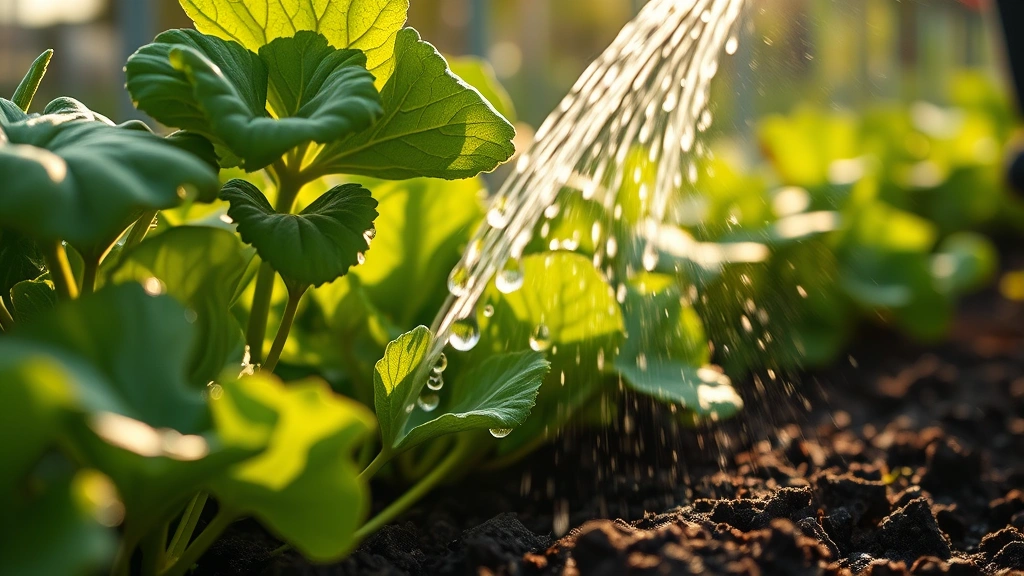
Watering is simultaneously simple and complex. The fundamental rule: most plants need one to two inches of water weekly, either from rain or irrigation. However, this varies by climate, soil type, and plant species.
Water deeply but less frequently rather than shallow daily watering. Deep watering encourages roots to grow downward, creating drought-resistant plants. Shallow watering keeps roots near the surface, making plants dependent on constant moisture.
Water in early morning to reduce disease pressure. Wet foliage invites fungal problems, so water at soil level when possible. If you water in evening, leaves remain wet overnight, creating ideal conditions for mildew and other fungal diseases.
Check soil moisture by inserting your finger two inches deep. If soil feels dry at this depth, water. If it feels moist, wait. This simple test beats any watering schedule because it accounts for rainfall and temperature variations.
Container plants need more frequent watering than in-ground gardens because pots dry quickly. Check containers daily during hot weather. Mulching the soil surface reduces evaporation and keeps roots cooler, extending time between waterings.
Protect Your Plants
Pest and disease management needn’t involve chemicals. Start with cultural practices: plant spacing for air circulation, removing diseased leaves promptly, and rotating crop locations annually.
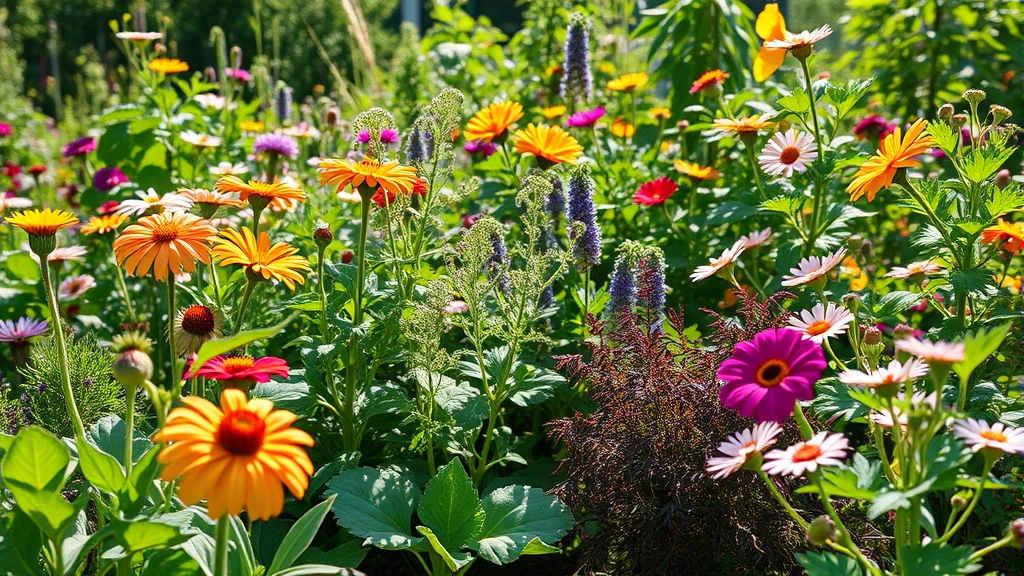
Encourage beneficial insects by planting flowers that attract pollinators and predatory insects. Native plants like coneflowers, black-eyed Susans, and milkweed create habitat for ladybugs, lacewings, and parasitic wasps that control pests naturally.
Garden netting physically excludes birds and insects from vulnerable young plants without harming beneficial insects. Row covers protect seedlings from flea beetles and other pests while allowing light and water penetration.
Hand-picking larger pests like hornworms and beetles is surprisingly effective for small gardens. Drop them into soapy water or feed them to chickens if you keep them. This hands-on approach builds your plant knowledge and reduces pest populations before they explode.
Neem oil and insecticidal soap handle persistent pest problems when cultural methods fall short. These organic options have lower toxicity than synthetic pesticides and break down quickly in the environment.
Maintain Your Garden
Successful gardening requires consistent maintenance. Dedicate time weekly to weeding, deadheading spent flowers, and monitoring plant health. Fifteen to thirty minutes of weekly maintenance prevents major problems that require hours of work later.
Mulch your garden beds with two to three inches of organic material like shredded leaves or wood chips. Mulch suppresses weeds, regulates soil temperature, retains moisture, and gradually breaks down to improve soil. It’s one of the highest-return investments in gardening.
Deadhead flowers to encourage continued blooming. Remove spent flower heads before they set seed, redirecting plant energy into new flowers rather than seed production. This simple practice extends bloom time by weeks.
Keep a garden journal noting planting dates, varieties, weather patterns, and harvest dates. This record becomes invaluable for planning next season. You’ll remember which varieties performed well and which disappointed, what pests appeared when, and how your garden’s microclimates evolved through the season.
Learn to identify common weeds in your area through your local master gardener program. Removing weeds when young prevents them from going to seed and establishes dominance over your garden space. Many gardeners find weeding meditative rather than tedious.
As the season progresses, add compost around plants and refresh mulch. This feeding program builds soil continuously without requiring chemical fertilizers. By season’s end, you’ll have improved your soil measurably.
FAQ
When should I start my garden?
Timing depends on your climate zone and what you’re growing. Spring is ideal for cool-season crops like lettuce and peas, while summer suits warm-season crops like tomatoes and peppers. Consult your local extension service for specific frost dates and planting calendars for your area. Many regions support year-round gardening with season extension techniques like cold frames and row covers.
How much space do I need to garden?
You can garden in any space—a balcony, windowsill, or small corner. A four-by-eight-foot raised bed produces substantial vegetables for a family. Container gardening in pots as small as five gallons grows herbs, lettuce, and even dwarf vegetables. Start small and expand as your confidence grows.
Do I need to use fertilizers?
Not necessarily. Regular compost additions provide most nutrients plants need. If soil testing reveals deficiencies, organic fertilizers like fish emulsion or kelp extract address specific needs. Avoid synthetic fertilizers initially—building soil health through organic matter is more sustainable and forgiving for beginners.
How do I prevent common beginner gardening mistakes?
The most common mistakes are overwatering, overcrowding plants, planting in insufficient light, and trying too many varieties at once. Start simple with a few reliable plants, observe your space thoroughly, and resist the temptation to plant everything at once. Each season teaches valuable lessons that improve subsequent years.
What’s the best way to learn more about gardening?
Join your local garden club or horticultural society. These organizations offer classes, garden tours, and experienced mentors. Visit nearby botanical gardens to see what thrives in your climate. Your cooperative extension service provides free research-based information tailored to your region. These resources are invaluable for accelerating your learning curve.
Can I garden if I have limited mobility?
Absolutely. Raised beds at waist height, container gardens, and vertical growing systems accommodate various mobility limitations. Tools like a garden kneeler and long-handled implements reduce strain. Many successful gardeners adapt their approach to their physical capabilities, proving that gardening remains accessible regardless of age or ability.


