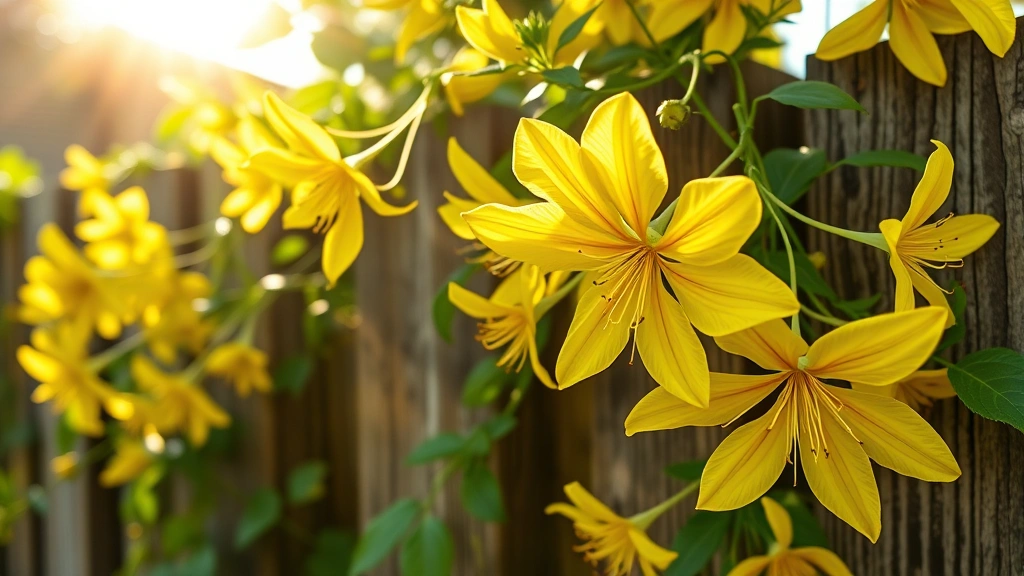
Golden Fence in Garden? Expert Tips Inside
Creating a golden fence aesthetic in your garden combines practical design with strategic plant selection and decorative elements. Whether you’re envisioning a shimmering boundary or incorporating golden-hued structures into your landscape, this comprehensive guide reveals expert techniques to achieve that coveted golden appearance. The right approach transforms your garden’s perimeter into a stunning focal point while maintaining functionality and plant health.
A golden fence doesn’t necessarily mean replacing existing structures—instead, it’s about layering golden plants, strategic lighting, and thoughtful material choices to create visual warmth and elegance. From climbing vines with golden foliage to metallically-finished fencing materials, the possibilities are extensive. This guide walks you through every method professionals use to create this sought-after garden feature.
Understanding Golden Fence Aesthetics
A golden fence serves multiple purposes in garden design. It creates visual interest, defines garden boundaries, and provides structural support for climbing plants. The golden appearance can originate from several sources: the fence material itself, climbing plants with golden foliage, atmospheric lighting, or a combination of these elements. Understanding these options helps you select the approach that best suits your garden’s existing design and your maintenance preferences.
The concept of a golden fence has gained popularity in modern landscape design because it bridges the gap between hardscape and living garden elements. Many gardeners prefer the warmth that golden tones bring compared to traditional gray or brown fencing. This aesthetic choice works particularly well in contemporary gardens, cottage-style landscapes, and transitional designs that blend formal and informal elements.
Before committing to any approach, assess your garden’s sunlight exposure, climate zone, and existing vegetation. These factors significantly influence which methods will succeed in your specific location. Consider consulting the American Horticultural Society for region-specific recommendations on plant selection and growing conditions.
Golden Foliage Plants for Fence Coverage
The most popular and sustainable method for achieving a golden fence involves growing plants with naturally golden or yellow foliage against your fence structure. These plants create a living wall that’s beautiful, provides privacy, and supports local wildlife. Several excellent options thrive in various climate zones and light conditions.
Climbing varieties offer the most direct fence coverage. Golden Clematis produces delicate yellow flowers and attractive foliage that brightens fence lines throughout the growing season. This vigorous climber requires sturdy support and performs best in well-draining soil with regular watering during establishment. For a more dramatic effect, consider Golden Hops—a fast-growing perennial vine with bright yellow-green foliage that creates dense coverage within one season.
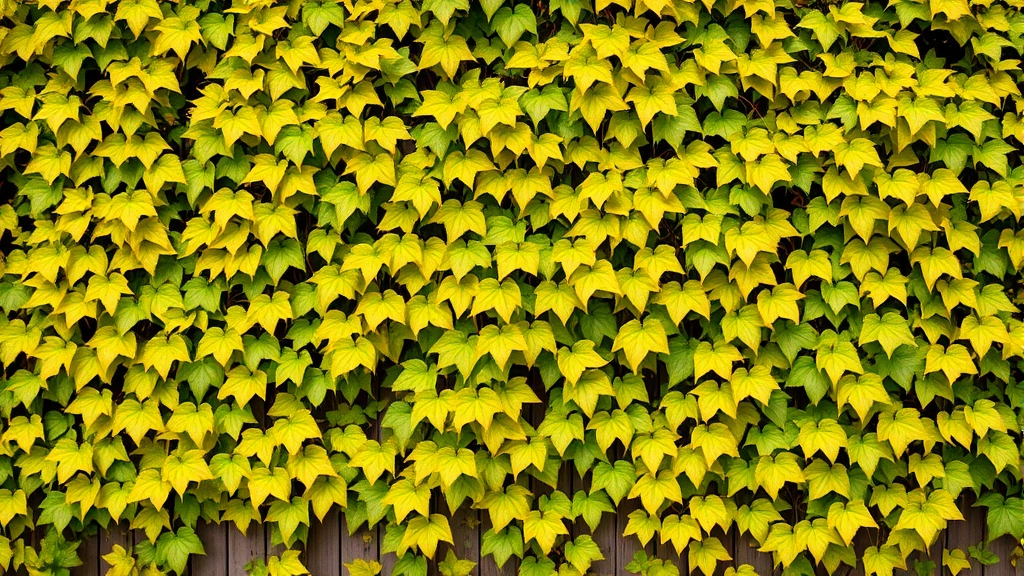
Ivy varieties present another excellent option. Golden English Ivy features variegated golden and green leaves that maintain their color year-round in most climates. This evergreen climber provides consistent visual interest even during winter months when other plants have faded. However, ivy requires regular pruning to prevent it from becoming overly aggressive or damaging fence structures through excessive weight.
For those seeking shrub-based solutions, golden-leafed cultivars create stunning fence backdrops. Golden Duranta produces tiny blue flowers against bright golden foliage, thriving in warm climates and full sun. Golden Privet offers a more formal appearance with dense, compact growth habit perfect for creating structured fence lines. Both require regular trimming to maintain shape and encourage dense branching.
When selecting plants for fence coverage, consider your USDA hardiness zone carefully. Golden foliage plants often have specific temperature requirements, and selecting cold-hardy varieties ensures your fence maintains its appearance year-round. Consult local extension services for cultivar recommendations suited to your regional climate.
Companion plantings enhance the golden fence effect. Position golden-flowered perennials like garden mums in front of your fence to create layered depth and extended seasonal color. This approach adds dimension and prevents the fence line from appearing flat or monotonous.
Material Choices and Finishes
Beyond living plants, the fence structure itself can contribute to achieving a golden appearance. Modern fencing materials and finishing techniques offer numerous possibilities for creating that warm, metallic golden aesthetic without relying entirely on vegetation.
Metal fencing options provide immediate visual impact. Aluminum fencing finished with gold powder coating creates a durable, maintenance-friendly fence that maintains its golden appearance for years. This finish resists fading, corrosion, and weathering better than traditional paint. Steel fencing similarly accepts golden finishes and offers superior strength for larger installations or gardens with significant wind exposure.
Wood fencing can achieve golden tones through strategic finishing. Golden oak or honey-toned stains bring warmth to traditional wood fence designs. These stains penetrate wood fibers, providing protection while enhancing natural grain patterns. Regular maintenance—typically annual resealing—keeps wooden fences vibrant and prevents graying from UV exposure and moisture.
Composite fencing materials increasingly offer golden color options without the maintenance requirements of wood. These engineered products resist fading, rotting, and insect damage while providing authentic wood appearance. They’re excellent choices for gardeners seeking durability combined with aesthetic appeal.
Bamboo fencing presents an eco-friendly alternative that naturally displays golden tones, particularly when treated with specialized finishes. Bamboo’s rapid growth makes it a sustainable choice, though it requires regular maintenance to prevent weathering and maintain its golden hue.
Consider combining materials for visual interest. A steel frame fence topped with horizontal golden metal slats creates modern elegance. Alternatively, traditional wood fencing with golden-finished metal hardware and corner brackets adds sophisticated details that catch light beautifully.
When selecting garden decorations and fence elements, choose complementary hardware in brass, bronze, or gold finishes. These small details significantly enhance the overall golden aesthetic and create cohesive design throughout your outdoor space.
Installation and Maintenance Strategies
Successfully creating a golden fence requires proper installation and consistent maintenance. The approach you select determines the specific care requirements and long-term commitment needed.
For living plant fences: Begin by preparing soil thoroughly. Golden foliage plants typically prefer well-draining soil enriched with organic matter. Amend your planting area with compost, aged manure, or commercial soil amendments to create ideal growing conditions. Proper soil preparation ensures vigorous growth and faster fence coverage.
Install sturdy support structures before planting. Garden arbors and trellis systems provide excellent frameworks for climbing plants. Ensure supports can handle mature plant weight—some vigorous varieties can weigh several hundred pounds when fully established.
Space plants appropriately based on mature size. Most climbing vines require 3-6 feet between plants for complete coverage within 2-3 years. Closer spacing accelerates coverage but may create overcrowding and disease issues. Follow specific spacing recommendations for your selected varieties.
Watering remains critical during the establishment phase—typically the first growing season. Provide consistent moisture without waterlogging, which encourages root rot. Once established, most golden foliage plants tolerate moderate drought, though regular watering produces more vigorous growth and denser coverage.
Pruning and training direct plant growth along fence lines. Gently tie young stems to support structures using soft plant ties that won’t girdle growing branches. Remove dead or diseased growth promptly to maintain plant health. Annual pruning after flowering encourages bushier growth and denser fence coverage.
Fertilizing golden foliage plants supports vibrant color development. Apply balanced, slow-release fertilizer in early spring and mid-summer. Excess nitrogen can promote green growth at the expense of golden coloration, so choose fertilizers with slightly lower nitrogen ratios.
For structural fencing: Professional installation ensures proper alignment, secure anchoring, and longevity. Ensure posts reach appropriate depths—typically 2-3 feet for residential fencing—and use quality concrete for permanent anchoring. Improper installation compromises structural integrity and accelerates deterioration.
Maintenance schedules vary by material. Metal fencing requires occasional cleaning to remove dust and debris that can dull finishes. Annual inspection for rust spots or corrosion allows early intervention. Wooden fences need periodic staining or sealing—typically every 2-3 years depending on climate exposure. Composite materials require minimal maintenance beyond occasional cleaning.
Consider combining approaches: install quality structural fencing and layer golden plants in front for maximum visual impact and extended lifespan. This strategy provides immediate fence function while developing long-term living coverage.
Seasonal Considerations
Golden fence appearance changes throughout the year, requiring seasonal adjustments to maintain optimal visual impact. Understanding these seasonal patterns helps you plan complementary plantings and maintenance schedules.
Spring brings renewed growth and vibrant coloration as golden foliage plants emerge from dormancy. This season is ideal for planting new vines or shrubs, allowing them to establish strong root systems before summer stress. Spring maintenance includes removing winter-damaged growth, applying fresh mulch, and beginning regular fertilization schedules.
Summer showcases full maturity of golden plants. Flowering varieties display both golden foliage and colorful blooms, creating stunning combinations. Maintain consistent watering during hot periods, as established plants may struggle with drought stress. Summer is the primary growth season—monitor plants for pest issues and disease, addressing problems promptly to maintain appearance.
Fall presents opportunities for enhanced color. Many golden foliage plants intensify their coloration as temperatures cool. This season is excellent for planting new specimens, as cooler weather and increased autumn rainfall reduce establishment stress. Fall maintenance includes removing dead growth and preparing plants for winter dormancy.
Winter care depends on your plant selections. Evergreen golden plants maintain appearance year-round, providing winter interest when deciduous plants have faded. Deciduous varieties lose their leaves, potentially making fences appear bare. Consider this when selecting plants—mixing evergreen and deciduous varieties provides year-round visual interest. Structural fencing becomes the primary visual element during winter, making material selection particularly important.
Seasonal lighting adjustments enhance golden appearance. Lower winter sun angles create dramatic shadows and highlight golden tones differently than high summer sun. Adjust supplemental lighting to capitalize on seasonal light changes and maintain consistent aesthetic appeal.
Lighting Techniques for Golden Effect
Strategic lighting dramatically enhances golden fence appearance, particularly during evening hours. Proper illumination creates depth, highlights texture, and extends the visual appeal of your garden beyond daylight hours.
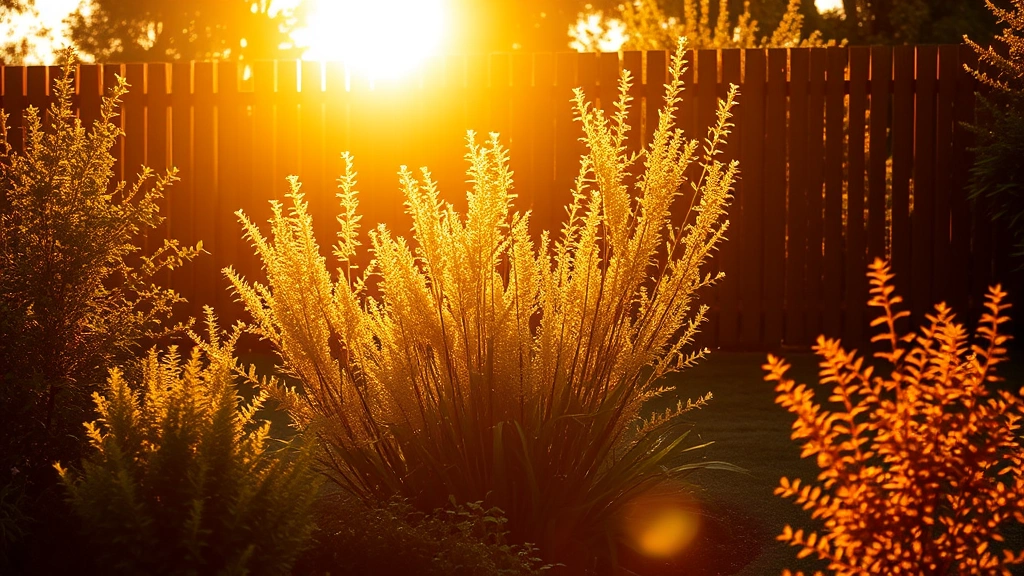
Uplighting positions light sources at ground level, directing illumination upward along fence lines. This technique emphasizes plant texture and creates dramatic shadows that add dimension. Golden foliage becomes luminous when backlit, creating ethereal effects particularly striking in evening hours. Use warm-toned LED bulbs (2700K-3000K color temperature) to enhance golden hues rather than creating harsh white light.
Spotlighting directs focused beams toward specific fence sections, highlighting particularly attractive plants or architectural details. This selective approach creates visual hierarchy and draws attention to your garden’s most impressive features. Position spotlights to avoid creating glare or harsh shadows that diminish appeal.
Ambient lighting throughout the garden creates context and allows visitors to safely navigate while enjoying your golden fence from various angles. String lights, lanterns, and diffused fixtures create inviting atmosphere while complementing structural lighting.
LED technology offers significant advantages for fence lighting. LEDs consume minimal electricity, generate little heat, and last thousands of hours before replacement. They’re available in various color temperatures, allowing you to select warm golden tones that complement your fence’s natural coloration. Solar-powered LED fixtures eliminate wiring complexity and provide sustainable lighting solutions.
Consider incorporating garden tools and lighting installation equipment specifically designed for outdoor use. Quality weatherproof fixtures resist corrosion and maintain performance through seasonal temperature fluctuations.
When planning lighting, consider your neighbors and local light pollution regulations. Shield fixtures to direct light only toward your garden, respecting neighboring properties while maximizing visual impact on your own fence.
Combine living plants with structural lighting for maximum effect. Golden foliage becomes particularly striking when illuminated, creating visual drama that extends your garden’s enjoyment well into evening hours. This approach maximizes your investment in both plants and structural elements.
FAQ
What’s the fastest way to create a golden fence appearance?
Installing a pre-finished golden metal or composite fence provides immediate results. Alternatively, purchasing larger established plants reduces the time required for coverage. A combination approach—installing quality structural fencing while planting mature golden-foliaged shrubs—offers the best balance of immediate impact and long-term beauty.
Do golden foliage plants require more maintenance than green varieties?
Golden plants generally require similar care to standard green varieties, though they may need slightly more frequent fertilizing to maintain vibrant coloration. Some golden cultivars are more susceptible to sun scald in extremely hot climates, requiring afternoon shade in southern regions. Research your specific selections and local climate conditions.
Can I create a golden fence in a shaded garden?
Many golden foliage plants require full sun to develop their best coloration. In shaded locations, consider structural fencing with golden finishes, which don’t depend on sunlight for their appearance. Alternatively, select shade-tolerant golden varieties like Golden English Ivy, though their coloration may be less vibrant than sun-loving counterparts.
How long until golden climbing plants cover a fence completely?
Vigorous varieties like Golden Hops can provide substantial coverage within 18-24 months under ideal conditions. Most climbing vines require 2-3 years for complete fence coverage. Slower-growing varieties may need 4-5 years. Proper site preparation, regular watering, and appropriate spacing accelerate coverage.
What’s the best time to plant golden foliage plants?
Spring and fall offer ideal planting windows when temperatures are moderate and rainfall is typically abundant. Spring planting allows plants to establish through summer, while fall planting takes advantage of cooler weather and reduced stress. Avoid planting during extreme heat or cold periods when establishment struggles.
Can I combine different types of golden plants on the same fence?
Absolutely. Mixing climbing vines, shrubs, and perennials creates visual interest and extends seasonal appeal. Combine fast-growing vines for quick coverage with slower-growing shrubs for long-term structure. Ensure selected plants have compatible water and sunlight requirements to simplify maintenance.
How do I maintain golden color in foliage plants?
Adequate sunlight is essential—most golden varieties need 6+ hours of direct sun daily. Consistent fertilizing, particularly with balanced or slightly low-nitrogen formulations, supports golden coloration. Avoid over-watering, which can promote excessive green growth. Regular pruning removes old growth and encourages vibrant new foliage.
Are golden fences suitable for all garden styles?
Golden fences work beautifully in contemporary, cottage, transitional, and even traditional gardens. The key is selecting plants and materials that complement your overall design aesthetic. Contemporary gardens benefit from structured golden metal fencing, while cottage gardens shine with flowing golden vines and perennials. Adapt the concept to match your existing landscape style.
What budget should I plan for a golden fence project?
Costs vary dramatically based on approach. Planting climbing vines costs $100-500 for a typical residential fence line. Quality structural fencing ranges from $1,500-5,000+ depending on length and material. Lighting additions cost $200-1,500. Plan for ongoing maintenance costs—typically $100-300 annually for established plant-based fences.
Can I install a golden fence myself or should I hire professionals?
Planting golden foliage is manageable for most gardeners with basic tools. Structural fencing installation often benefits from professional expertise, particularly for proper post installation and alignment. Consider hiring professionals for major fence installation while handling plant selection and placement yourself. Consult your local master gardener program for guidance on plant installation techniques specific to your region.
Creating a golden fence transforms your garden’s appearance and provides years of enjoyment. Whether you select living plants, structural materials, or a combination approach, the investment in this distinctive feature elevates your entire landscape. Start planning your golden fence today, and enjoy the warmth and elegance it brings to your outdoor space.


